
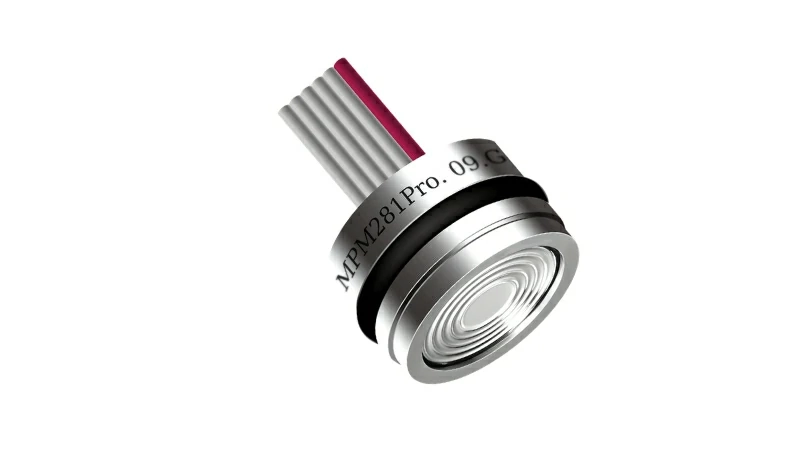
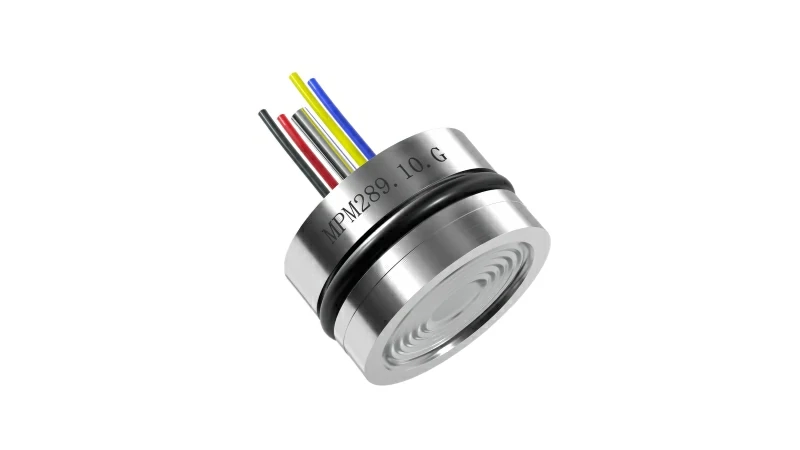
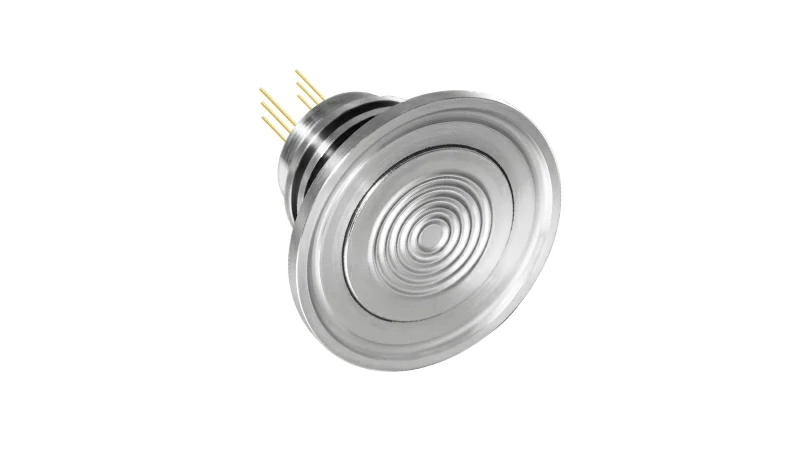
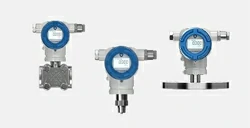
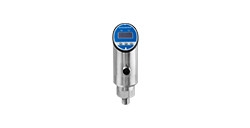
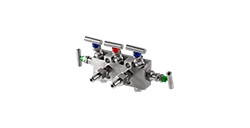
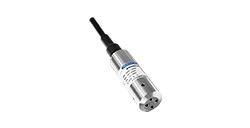




Differential pressure measurement transforms the comparison of two pressure points into actionable intelligence for system health, efficiency, and safety. At its core, it does not merely report static values but reveals the dynamic relationships within a process—understanding how the system is performing or where inefficiencies or failures may be occurring. Beyond it, the significance of differential pressure measurement extends to predictive maintenance, energy conservation, and overall system integrity.
Basics of Differential Pressure Measurement
What is Differential Pressure?
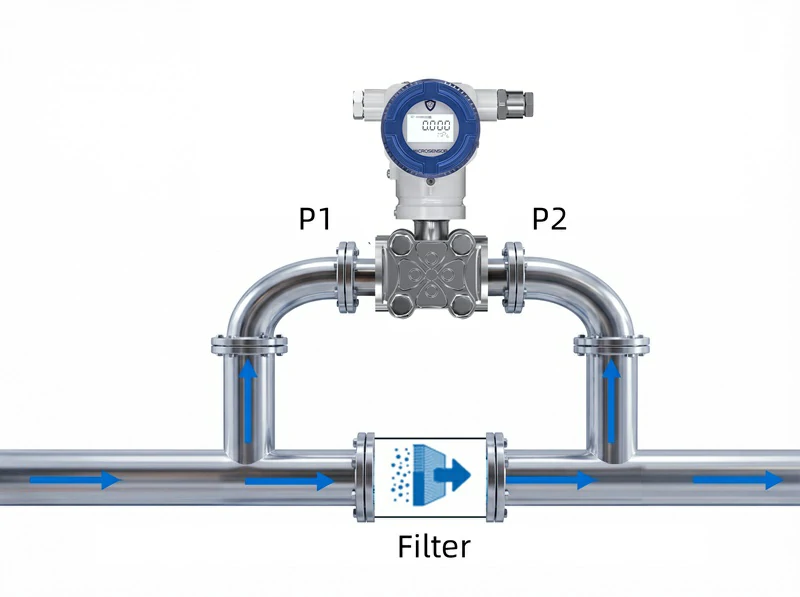
Differential pressure (ΔP or dP) is the difference in pressure between two points in a system. It's not an absolute measurement of pressure at a single location, but a relative measurement comparing two separate points.
Formula: ΔP = P₁ - P₂
Where:
P₁ is the pressure at one point (the "high side" or "positive" port).
P₂ is the pressure at the other point (the "low side" or "negative" port).
Common Differential Pressure (DP) Measurement Instruments
DP instruments primarily operate based on the deformation of elements or force-balance principles, converting minute pressure differences into standardized electrical signals or mechanical displacements for indication and transmission.
| Instruments | Principle | Features |
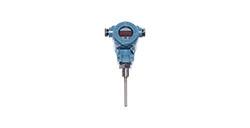
| Differential Pressure Transmitter | Utilizes sensing elements (e.g., isolating diaphragm, silicon resonant sensor) to detect the pressure difference between two ports and converts it into a standardized electrical signal (e.g., 4-20 mA, digital protocols). | High accuracy Excellent stability Easy integration |
| Differential Pressure Gauge | A mechanical instrument using elastic elements (Bourdon tube, capsule, diaphragm) whose deformation under differential pressure is mechanically linked to a pointer to provide a direct reading. | Direct visual reading No external power Lower cost |
| Flow Meter (Differential Pressure Method) | Based on Bernoulli's principle. A primary element (orifice, Venturi, flow nozzle) creates a predictable pressure drop proportional to the square of the flow rate. Flow is calculated from the measured differential pressure, fluid properties, and element geometry. | Mature, reliable Introduces permanent pressure loss |
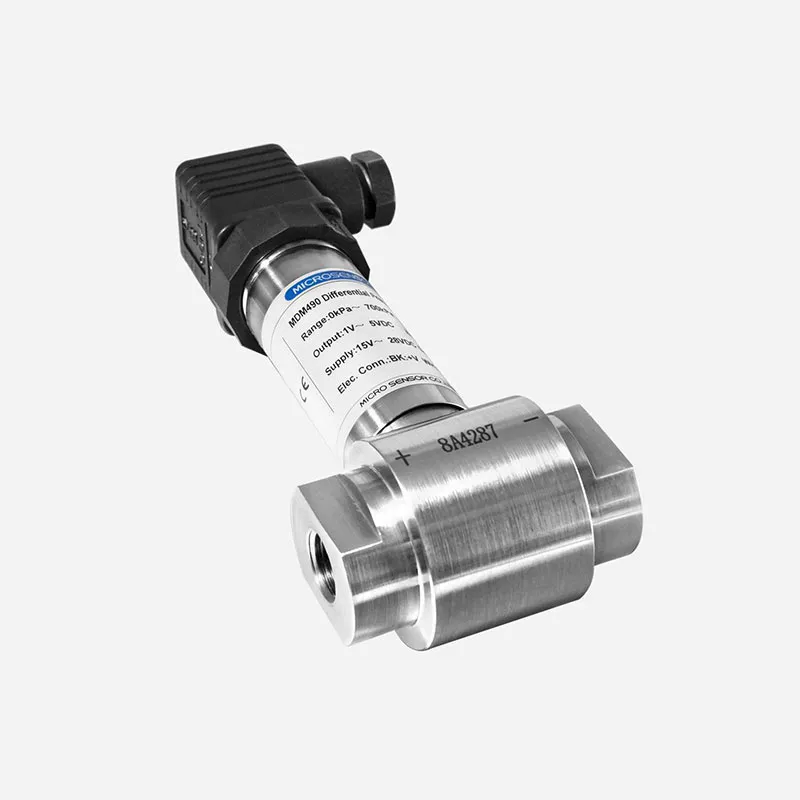
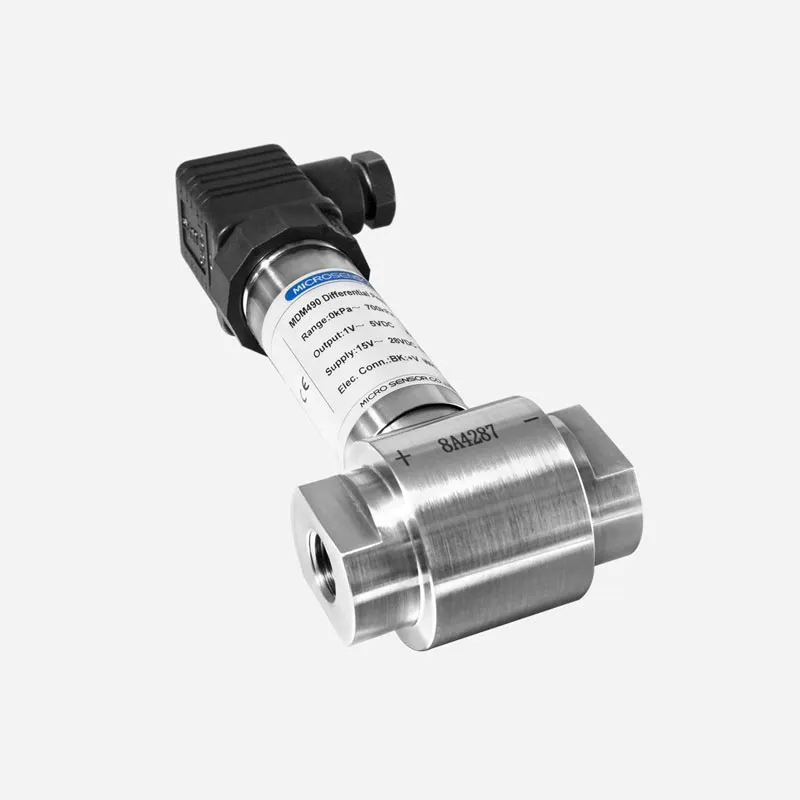
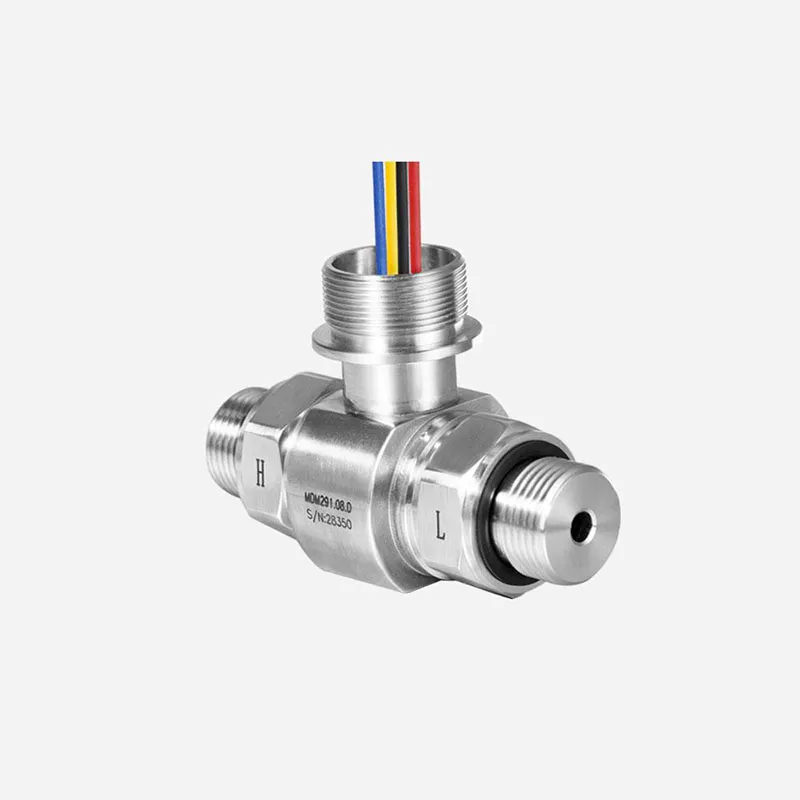
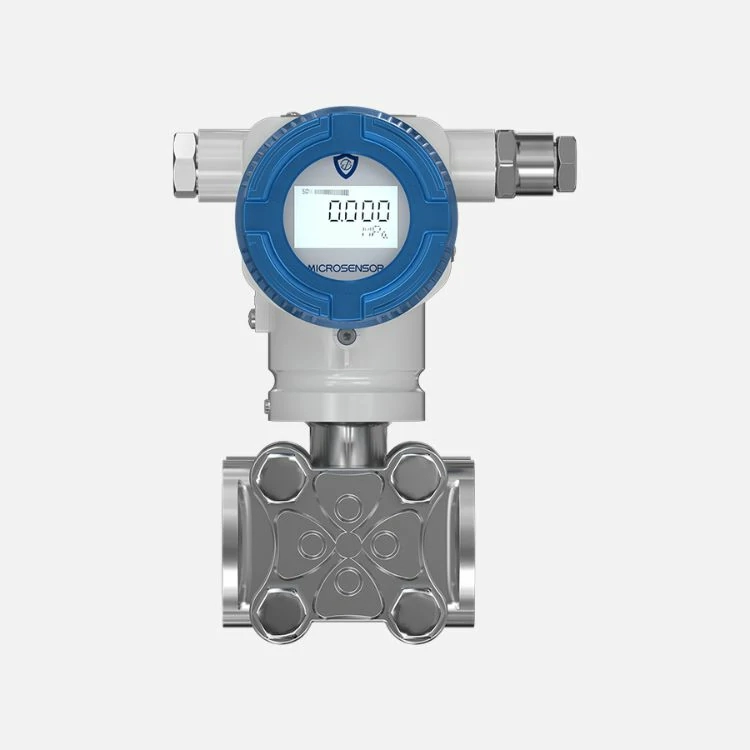
It is important to emphasize that the differential pressure transmitter holds a central role in industrial process measurement. The key advantage lies in its ability to accurately convert a physical pressure difference into a standardized electrical signal. This enables not only local indication but, more importantly, remote data transmission, integration, and intelligent control, making it an indispensable sensing component in modern automation systems.
Differential Pressure Measurement Applications
Filter Monitoring
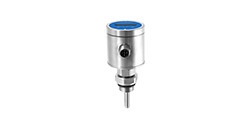
This is the most common DP application. The principle is that the pressure drop across the filter indicates its condition. As filters (e.g., industrial oil filters, HVAC air filters, or water filtration systems) become clogged, the pressure drop across them increases. DP transmitters, such as the MICROSENSOR MDM7000, with output signals, provide direct remote monitoring and predictive maintenance.
Level Measurement
In pressurized tanks, DP transmitters are connected to the bottom of the tank (hydrostatic pressure plus gas/vapor pressure, high-pressure side, P₁) and to the gas/vapor space above the liquid (gas/vapor pressure only, low-pressure side, P₂). The ΔP directly corresponds to the liquid level.
Pump Monitoring
A healthy pump operating at a specific flow rate will maintain a consistent differential pressure. In pump monitoring, deviations from the expected value between discharge and suction pressures signal operational issues and system health.
FAQ about Differential Pressure Measurement
Q1: What's the key difference between a differential pressure gauge and a differential pressure transmitter?
A1: A differential pressure transmitter enables automation and remote monitoring, whereas a gauge provides simple, on-site indication.
Q2: Why not use two separate pressure transducers to measure the pressure differential?
A2: The two separate pressure transducers can measure differential pressure. However, potential problems cannot be ignored: increased error, calibration complexity, response time, and dynamic matching for applications where accuracy, stability, and simplicity matter, a differential pressure transducer is almost always the superior technical choice.
Q3: Can a DP transmitter be used for corrosive media?
A3: Yes. MICROSENSOR offers multiple choices:
Proper material selection for the wetted parts (diaphragms, flanges, O-rings).
Use a diaphragm seal or a remote seal. This is a protective barrier that isolates the transmitter's sensor element from the corrosive process fluid.
Q4: Are custom differential pressure transmitters available?
A4: For OEM applications, MICROSENSOR provides customized solutions of differential pressure instruments to meet your needs. We partner with you to tailor process connections, electrical connections, materials, and outputs, etc.
Differential Pressure Measurement from MICROSENSOR
MICROSENSOR's differential pressure transmitters have proven to be used in a wide range of industrial applications. Our differential pressure measurement instruments convert mechanical energy into actionable information and data-driven decisions. By providing critical data on flow, level, and system health, our DP transmitters enable precise control, ensure safety, and promote operational efficiency.
 Copyright © 2026 MICRO SENSOR CO., LTD


