
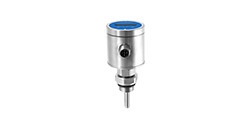
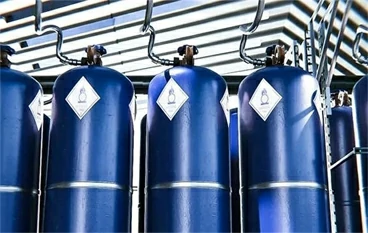
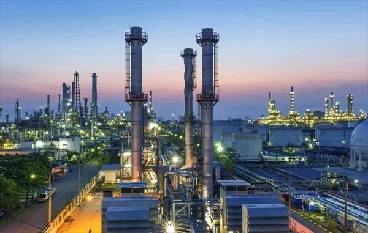

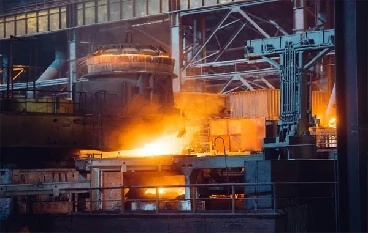
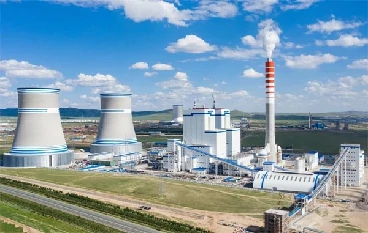
What happens when you need precise and reliable pressure measurement in a harsh environment? A single spark or a hot surface can trigger an explosion, endangering not only equipment but also entire facilities. This is where ATEX pressure transmitters come in. Engineered specifically for safety, these devices are the critical link between operational efficiency and safety in harsh environments. This guide explains ATEX pressure transmitters, from understanding the certification to selecting the suitable model for your application.
What are ATEX Pressure Transmitters?
The ATEX pressure transmitters mentioned here specifically are licensed under the ATEX 114 Directive. ATEX, derived from the French "ATmosphères EXplosibles," is the European explosion safety regulation. The ATEX 114 Directive (2014/34/EU) is the "Equipment Directive." It mandates that all equipment and protective systems intended for use in potentially explosive atmospheres must be designed and certified to ensure stringent safety standards.
Key Misconception: "Explosion-Proof/Flameproof" does not mean the device is immune to damage from an explosion. It means the device's enclosure is designed and certified to:
✅ Withstand the force of an internal explosion without rupturing.
✅ Prevent flames or hot gases from that internal explosion from escaping and igniting the surrounding hazardous atmosphere.
ATEX-certified pressure transmitter from MICROSENSOR guarantees that the device has undergone rigorous testing to ensure it prevents an internal electrical fault from igniting the surrounding atmosphere.
How to Read an ATEX Code?
An ATEX nameplate is a mandatory information plate attached to measuring instruments used in potentially explosive atmospheres. An ATEX nameplate contains specific codes and symbols. Here's what each part means:
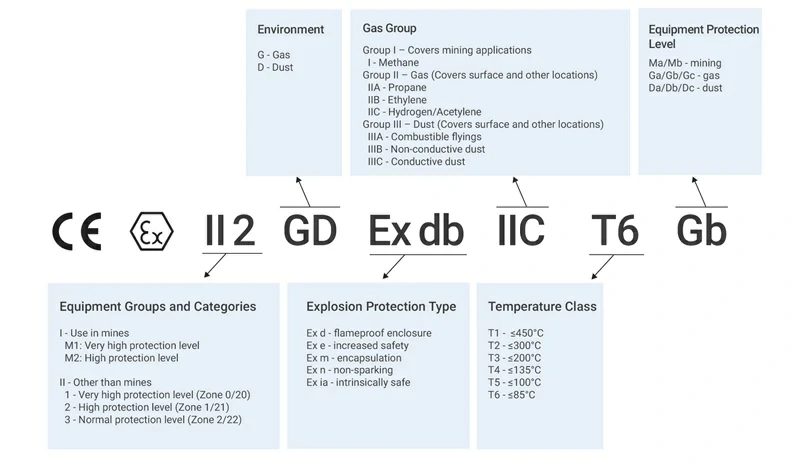
Let's use an example of MICROSENSOR's MDM7000 certification:
II 2GD Ex db IIC T6 Gb
II = Equipment intended for use in surface industries (other than mining).
2 = Category 2 equipment.(High level of protection. . Can be used in Zone 1 (gases) or Zone 21 (dusts).)
GD = Suitable for both Gas and Dust atmospheres
Ex: Explosion protected.
db: Protection method is "Flameproof Enclosure" with "Increased Safety" components.
IIC = The equipment is safe for use in atmospheres containing the most easily ignited gases, such as hydrogen or acetylene. This is the highest (most stringent) gas group, meaning it also covers gases in groups IIB and IIA (e.g., ethylene, propane).
T6 = The maximum surface temperature of the equipment will not exceed 85°C. This is the safest (lowest temperature) class, meaning it can be used even with gases that have very low ignition temperatures.
Gb = Equipment for Gas explosive atmospheres with a High level of protection, suitable for use in Zone 1 (and by extension, Zone 0 and 2).
Frequently Asked Questions about ATEX Pressure Transmitter
Q1: What is the difference between flameproof (Ex d) pressure transmitters and intrinsically safe (Ex i) pressure transmitters?
A1:
Flameproof (Ex d): Contains a potential explosion inside the enclosure. The pressure transmitter's housing is built strong enough to withstand an internal explosion of a specific gas/air mixture and to prevent the ignition from escaping to the outside hazardous atmosphere.
Intrinsically Safe (Ex i): Prevents an explosion from ever occurring in the first place. The pressure transmitter limits the electrical and thermal energy (both in normal operation and under fault conditions) to a level that is too low to ignite the specific hazardous atmosphere.
Q2: Is ATEX valid only in Europe?
A2: While it is a legal requirement for the EU, ATEX is a globally recognized and respected standard. Many projects worldwide specify ATEX-certified equipment as a mark of quality and safety. For other regions, equivalent standards like IECEx (international).
Q3: Does ATEX certification affect the performance or accuracy of the transmitter?
A3: No, the ATEX certification is about safety construction, not measurement performance. An ATEX pressure transmitter from a reputable manufacturer will have the same accuracy, stability, and reliability as its non-ATEX equivalent. The certification dictates design features like housing strength, circuit limitations, and component spacing.
ATEX Pressure Transmitter from MICROSENSOR
MPM458GUHP Pressure Transmitter
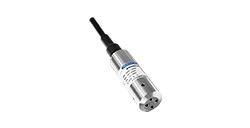
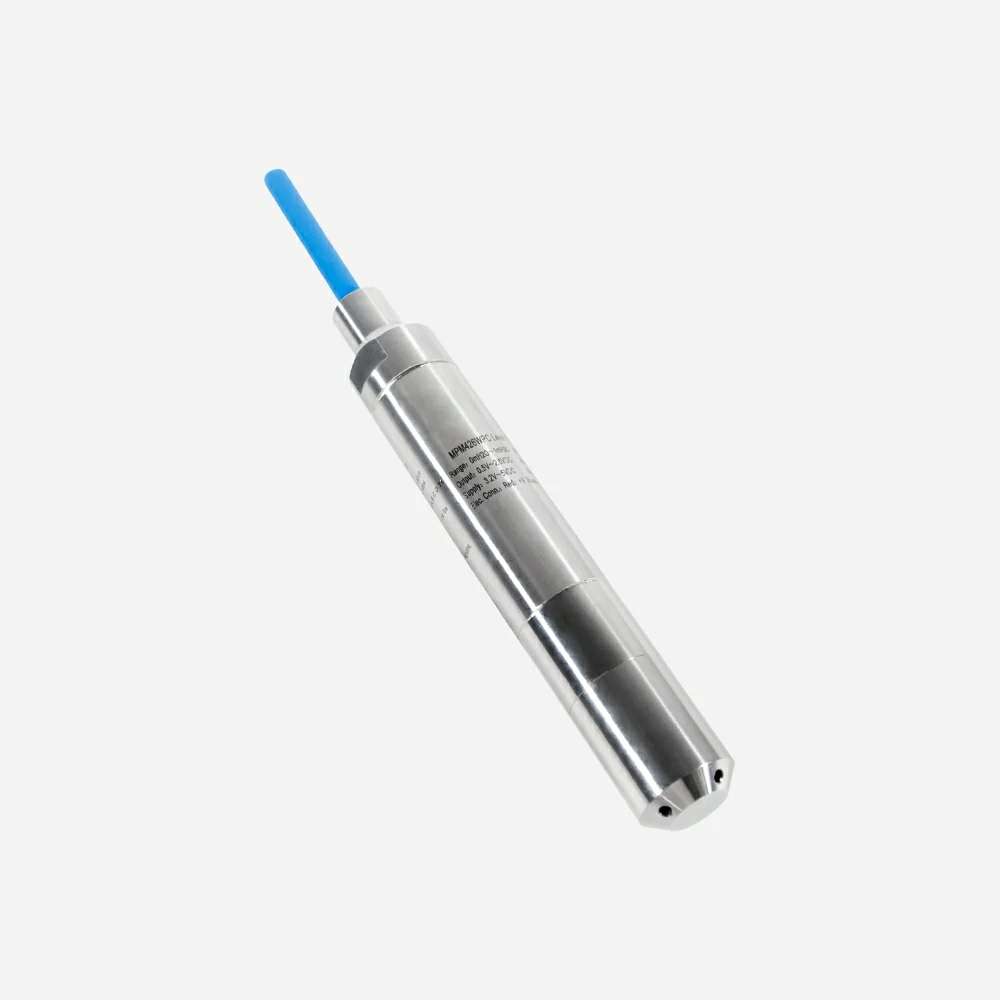
MPM426WPF、MPM426WPC Level Tranmsitter
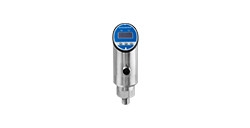
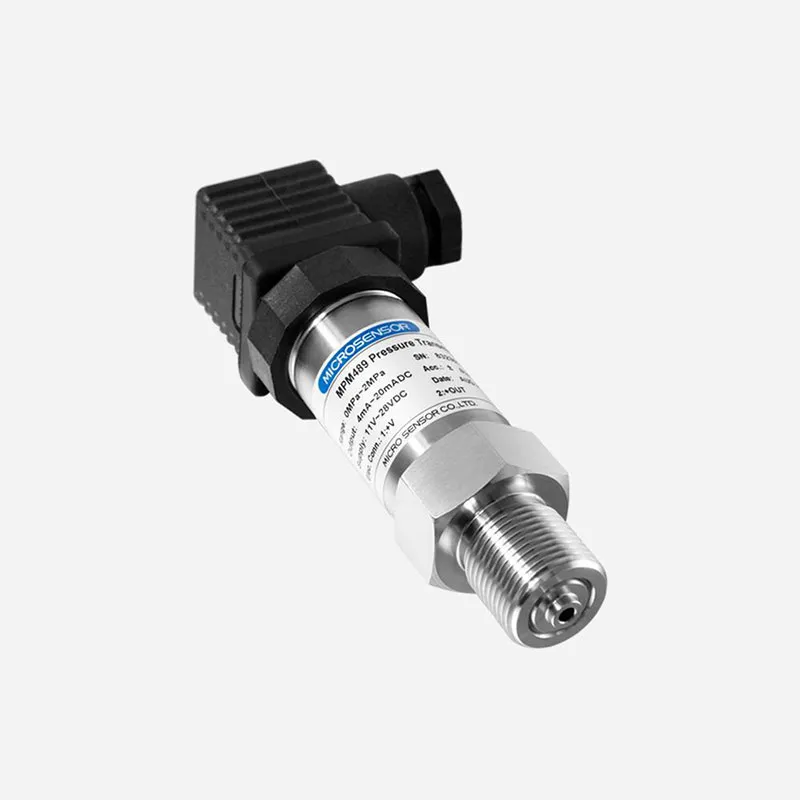
MPM489 Pressure Transmitter
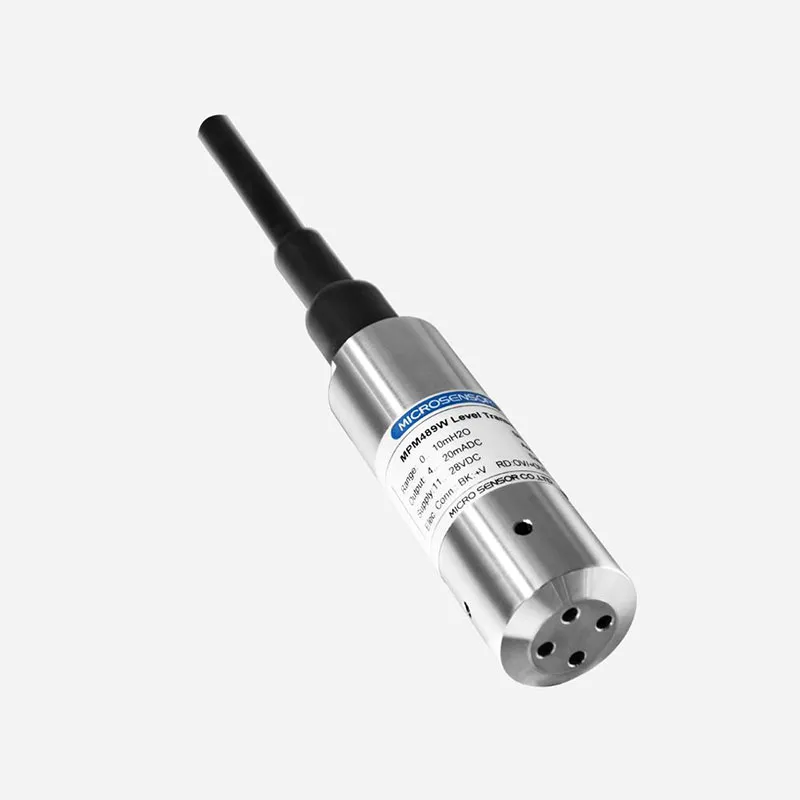
MPM489W Level Transmitter
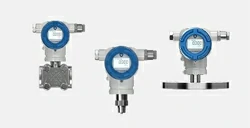
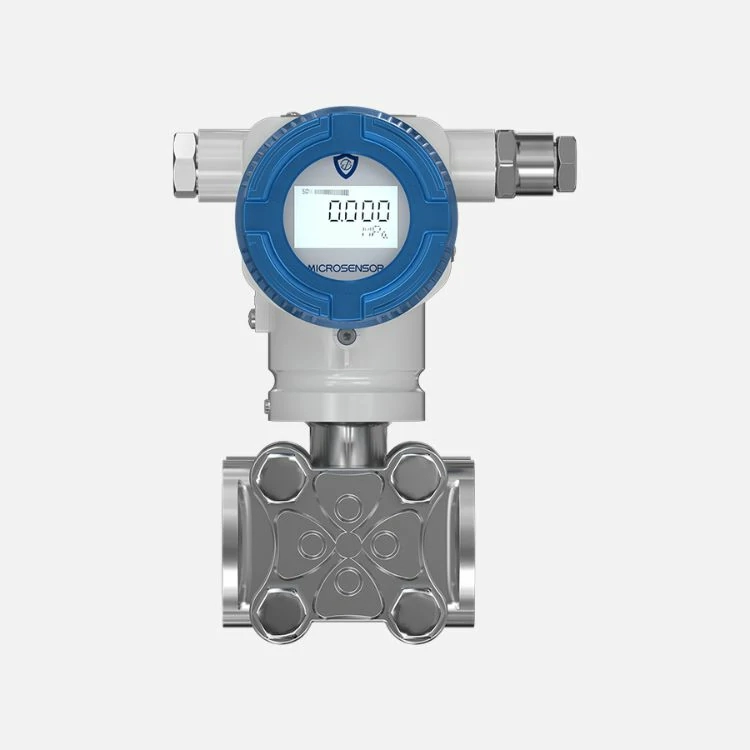
MDM7000 Series Smart Pressure Transmitter
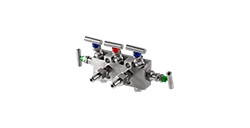
ATEX pressure transmitters, such as MICROSENSOR's models MPM489 and MDM7000 Series, are appropriate for certain applications in wellhead platforms and pipelines, refinery and petrochemical processes, borehole monitoring, and marine system monitoring. They are available with intrinsically safe and explosion-proof configurations, making them suitable for use in hazardous areas.
 Copyright © 2026 MICRO SENSOR CO., LTD


