New Product Change Notice (PCN) effective Jan 1, 2025. MICROSENSOR appreciate your understanding.

-
Products
- Solutions
- Service Support
Pages
- Pressure Sensor
- Pressure Transmitter and Transducer
- What is a Pressure Transducer?
- Level Transmitter and Sensors
- Differential Pressure Sensors
- Differential Pressure Transmitters
- Level transmitter for Fuel and Chemical
- Water Pressure Sensors
- Tank Pressure Sensors and Transmitters
- Hydrostatic Level Measurement
- Oil Pressure Sensors and Transmitters
- Company
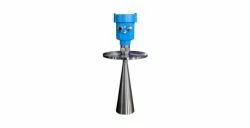
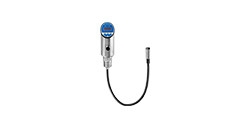
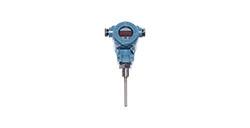
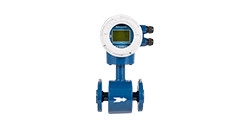
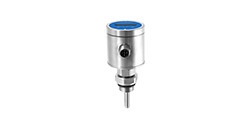


Hydrostatic Level Transmitters
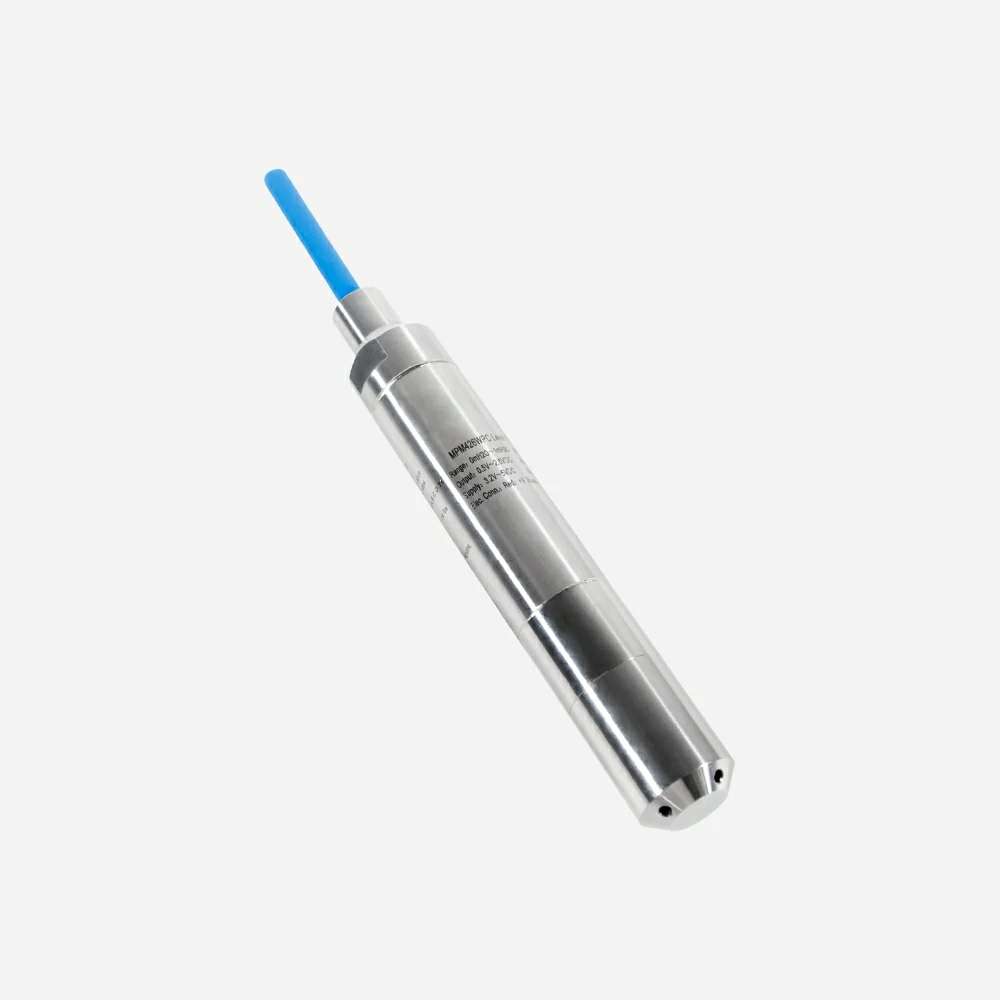
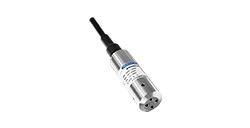
Submersible Level Transmitter
[MPM426W Series]
Level measurement: 0mH2O~2mH2O…200mH2O
Pressure measurement: 0mabr~200mabr...350bar
Outputs: 4mA~20mA, 1V~5V, 0.5V~4.5V...RS485-Modbus, etc.
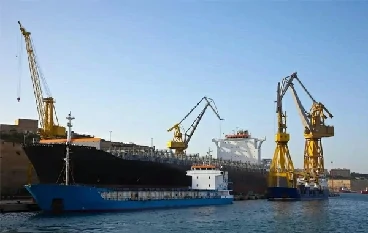
CCS, ABS, DNV approved for ship use
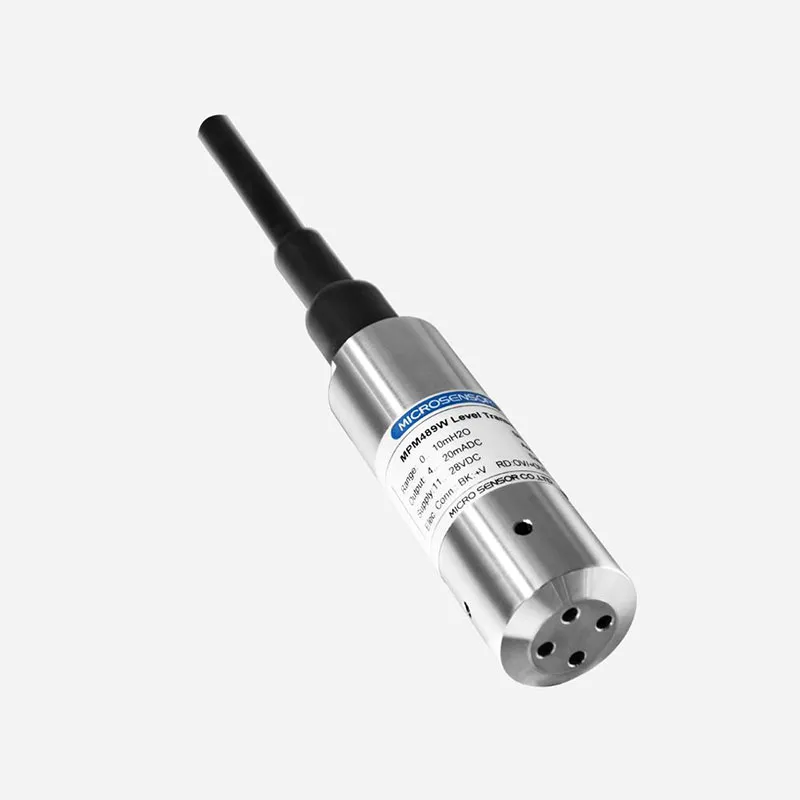
Submersible Level Transmitter
[MPM489W]
Φ26mm
0m~1m…200m H2O
Accuracy: ±0.25%FS, ±0.5%FS, ±1%FS
DNV approved for installation on all vessels
ATEX Certificated
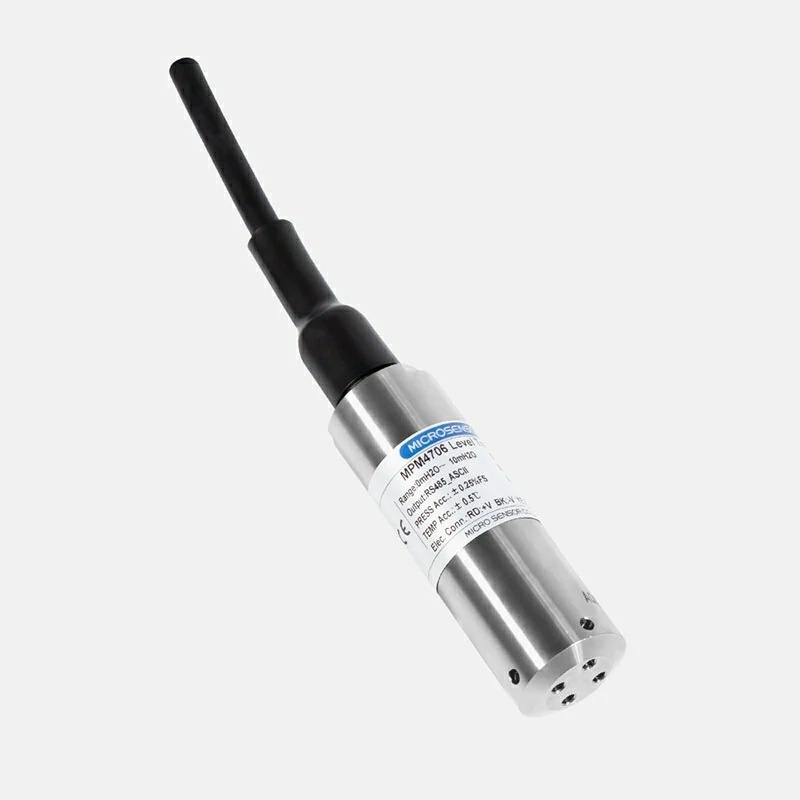
Digital Level Transmitter
[MPM4706]
Extremely low power consumption and auto sleep
Level and temperature measurement combination
Digital temperature compensation and non-linearity modulation
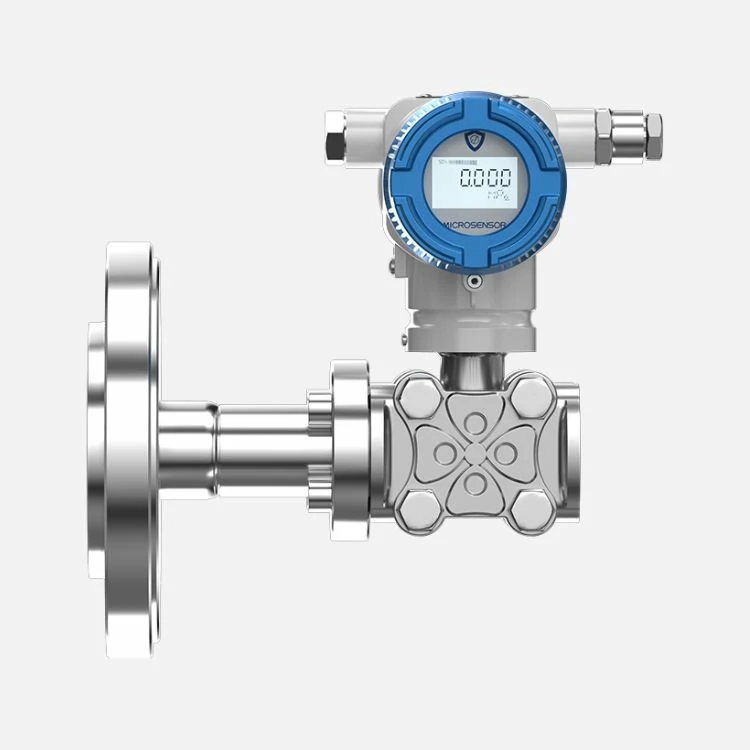
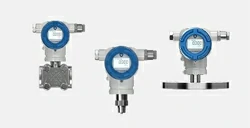
Flange Diaphragm Seal Smart Differential Pressure Transmitter
[MDM7000LT]
Accuracy: ±0.2% URL
Range: -30bar~30bar
Output Signal: 4mA~20mA DC, 1V~5V DC, Modbus-485, FOUNDATION Fieldbus
DNV, ABS, KR, NK, and RS approved for installation on vessels
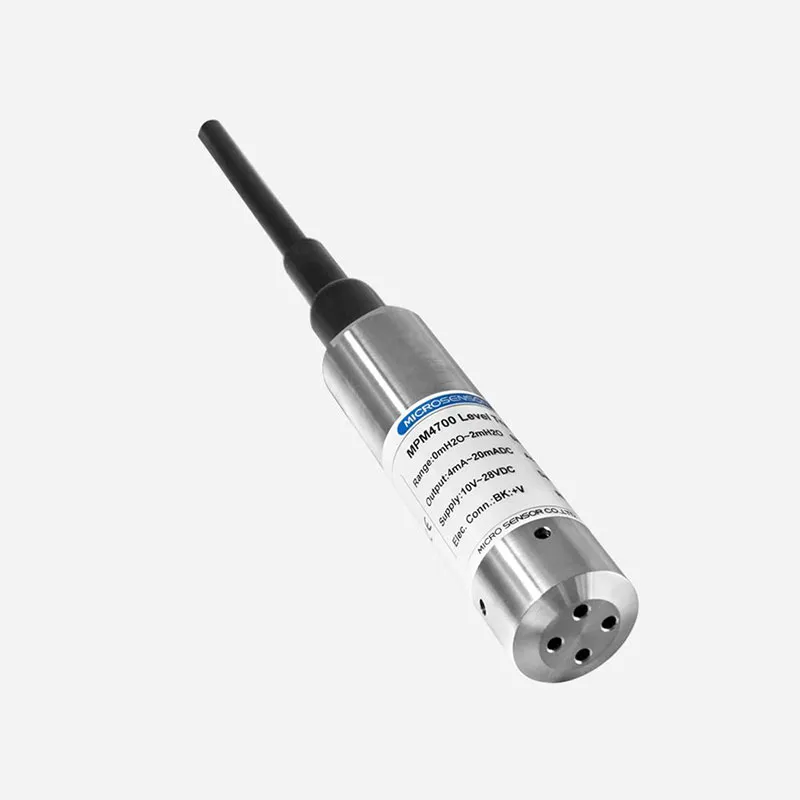
Intelligent Level Transmitter
[MPM4700]
0mH2O~1mH2O…200mH2O
Accuracy: ±0.1%FS, ±0.25%FS, ±0.5%FS
HART Protocol
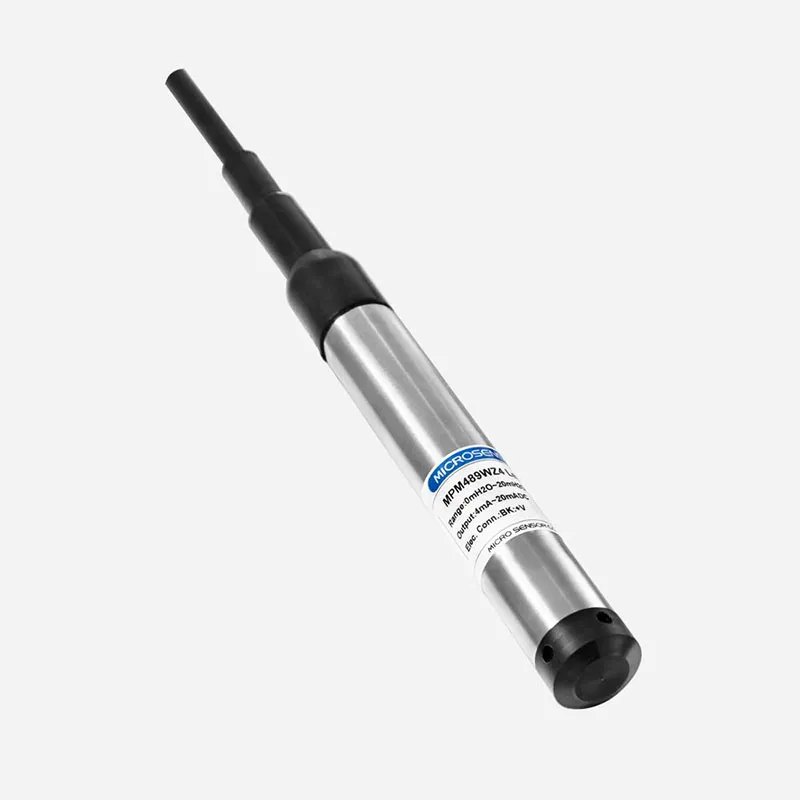
17mm Submersible Level Transmitter
[MPM489WZ4]
φ17mm
0m~10m…200mH2O
Measurement Accuracy: ±0.5%FS
Key Benefits of Hydrostatic Level Transmitters
✅ Direct Immersion: Installation typically involves throwing the level probe to the tank bottom or desired depth, with individually configurable cable lengths of up to 200 meters. This eliminates the need for complex tank penetrations or mounting stands.
✅ Suitability for Challenging Conditions: Probe and cable materials can be selected to withstand corrosive, abrasive, viscous, or slurry-type fluids.
✅ Non-Invasive to Vessels: Ideal for retrofitting into existing, sealed, or structurally sensitive containers (e.g., deep wells, reservoirs, underground sumps, chemical tanks, ship ballast tanks), avoiding potential leak points or weld modifications.
✅ High Accuracy: Advanced diffused silicon sensing cells achieve accuracy up to 0.1% FS, with excellent sensitivity to minute-level changes.
✅ Long-Term Stability & Durability: Fully sealed structure with the protection rating of IP68, ensuring reliability in permanently submerged and humid environments.
✅ Easy System Integration: Standard 4-20mA analog output is commonly supplemented with digital protocols like HART, RS-485 (Modbus), facilitating easy integration into DCS, PLC, or SCADA systems.
Typical Application
Tank Level Measurement & Control
In tank-based applications, it stands as one of several excellent solutions, competing directly with technologies like radar and ultrasonic. The key to their advantage lies in installation convenience and adaptability to harsh internal tank conditions, and strong cost-effectiveness for continuous measurement of liquid columns.
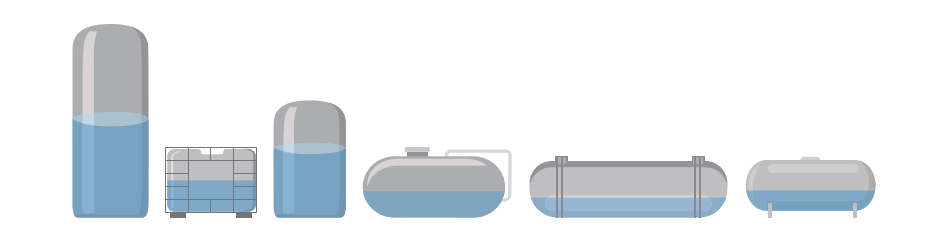
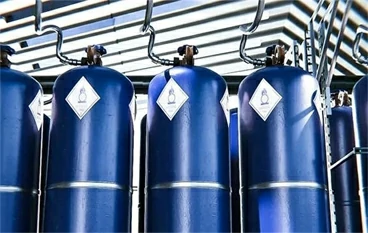
• A submersible level transmitter is installed in a chemical storage tank, providing continuous, high-accuracy level measurement. Its hermetic sealing and corrosion-resistant diaphragm withstand the aggressive liquid.
• In bulk fuel storage tanks, the immersion level probes deliver precise real-time inventory data. The simple installation at the lowest point eliminates the need for complex tank modifications.
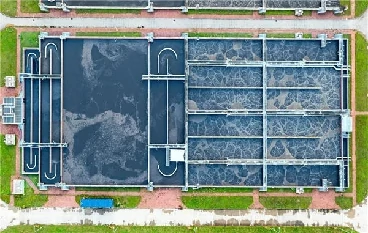
• For a large industrial water storage tank, a submersible level sensor provides reliable data, unaffected by surface turbulence or foam, making it ideal for water or wastewater treatment.
Well Level Monitoring & Management
In well-based applications, particularly deep and narrow boreholes, the submersible probe transitions from being a strong contender to the singular, default choice. It solves the fundamental measurement challenge that other technologies (e.g., radar beam dispersion, limited ultrasonic propagation distance) cannot address effectively: providing stable, accurate, and continuous level data over extreme depths within a confined space. Its capability and reliability make it the foundational instrument for deep well and borehole monitoring.
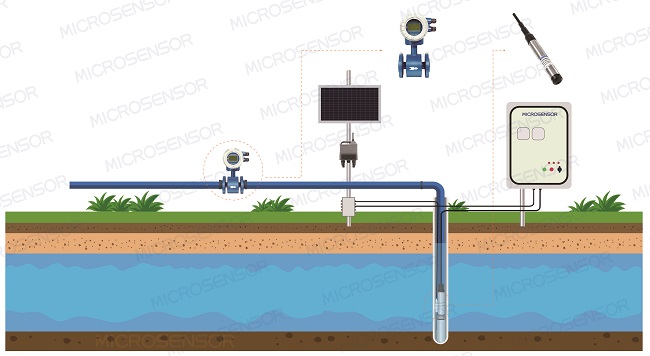 | 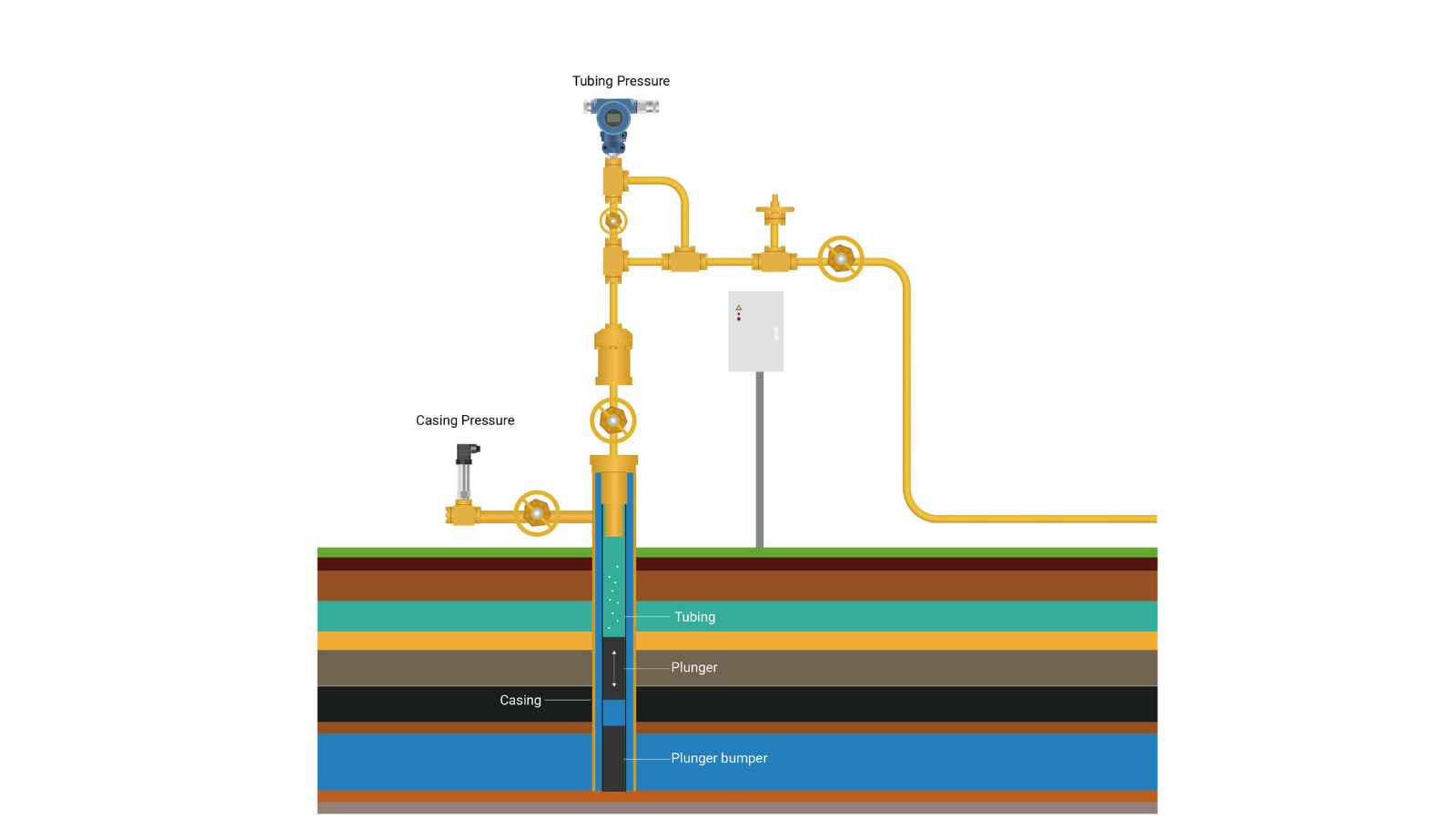 | ||
• For groundwater monitoring, the static water level monitoring reveals aquifer recharge rates and long-term trends, directly informing sustainable management policies to prevent over-exploitation and depletion. Click here to explore more information on "What Does MICROSENSOR Do for Groundwater Monitoring." | • In oil and gas wells, operators track the liquid level in the wellbore to automatically adjust pumping rates, preventing damage and maximizing hydrocarbon recovery while managing produced water. Click here to explore more information on "Pressure Transmitters for Oil & Gas Lift Systems." |
Hydrostatic Level Measurement from MICROSENSOR
With decades of application know-how, MICROSENSOR provides simple, yet supremely effective liquid level measurement solutions. Advanced manufacturing capabilities and tailored solutions meet diverse industrial needs for water treatment, chemical processing, marine, fuel storage, and more. We specialize in hydrostatic pressure measurement for challenging conditions—from acidic chemical baths and wastewater sumps to water reservoirs and explosive atmospheres. Contact us for flexible design and engineering support to adapt to specific project requirements, including material compatibility, output signals, and installation configurations.
Resources
-
Join MICROSENSOR at ECOMONDO 2026
As an international event dedicated to the green and circular economy, ECOMONDO brings together businesses, technology providers, researchers, and industry stakeholders to explore solutions for a more sustainable future. MICROSENSOR wi...
-
Reliable Pressure Measurement for Highly Corrosive Fluorochemical Processes
Pressure measurement plays an important role in fluorochemical production, but conventional pressure instruments may face significant challenges when exposed to highly corrosive media.Hydrofluoric acid (HF), in particular, requires car...
-
MICROSENSOR to Exhibit at WETEX 2026 in Dubai
Visit MICROSENSOR at WETEX 2026 and let's explore new opportunities for reliable measurement, smarter industrial operations, and sustainable development. We look forward to meeting you in Dubai!
-
Meet MICROSENSOR at FENASAN 2026
As Latin America’s largest and most influential trade fair for sanitation and environmental engineering, FENASAN 2026 brings together global experts, industry leaders, and innovators to address critical challenges in water resource manageme...
-
Measurement Challenges and Solutions in the Fluorochemical Industry
The fluorochemical industry supports a wide range of applications, from data center coolant and fluoropolymers to battery materials and electronic chemicals. At the same time, many fluorochemical processes involve corrosive, toxic or o...
-
Beneath the Surface: How the Deep-Sea Pressure Transmitter Powers Precision Subsea Navigation
Engineered to withstand extreme subsea hydrostatic pressure, freezing temperatures, highly corrosive saline environments, and long-duration deployments, the MPM4779 Deep-Sea Pressure Transmitter features key breakthroughs in precision stabi...
 Copyright © 2026 MICRO SENSOR CO., LTD


