



Submersible Level Transmitter
Φ26mm
0m~1m…200m H2O
Accuracy: ±0.25%FS, ±0.5%FS, ±1%FS
DNV approved for installation on all vessels
ATEX Certificated
New Product Change Notice (PCN) effective Jan 1, 2025. MICROSENSOR appreciate your understanding.

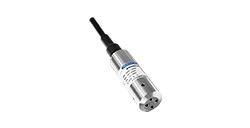
MPM489WZ4
Groundwater Monitoring, Deep Well & Borehole, Water & Wastewater, Power Plant, Urban Water Supply and Drainage, Hydrological Exploration
Leave a MessageMPM489WZ4
Used For
Groundwater Monitoring, Deep Well & Borehole, Water & Wastewater, Power Plant, Urban Water Supply and Drainage, Hydrological Exploration
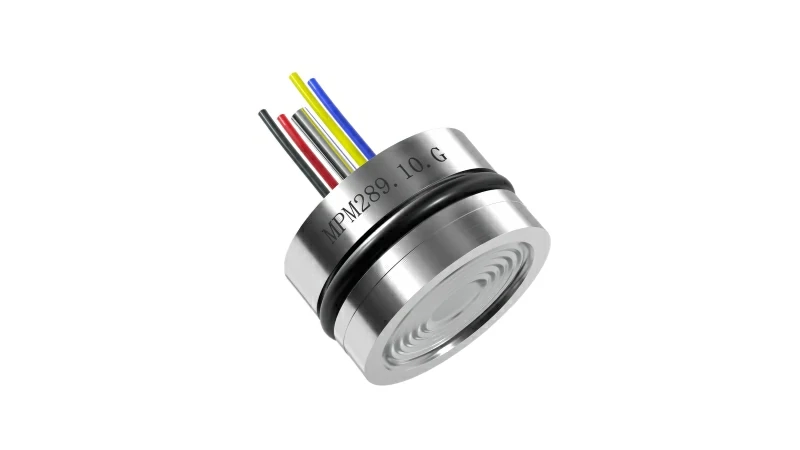
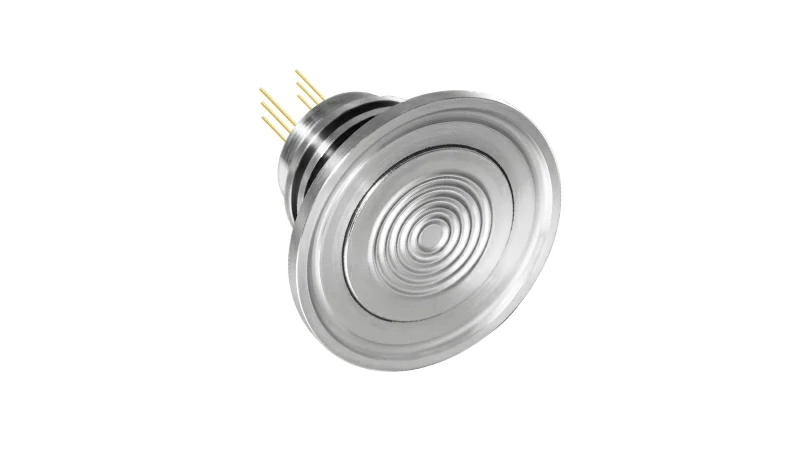
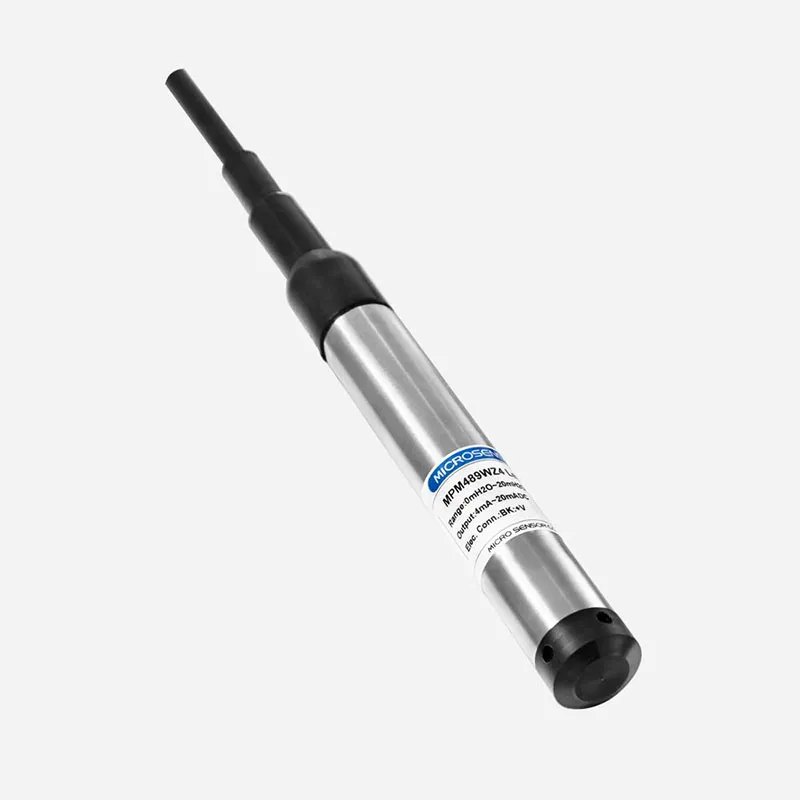
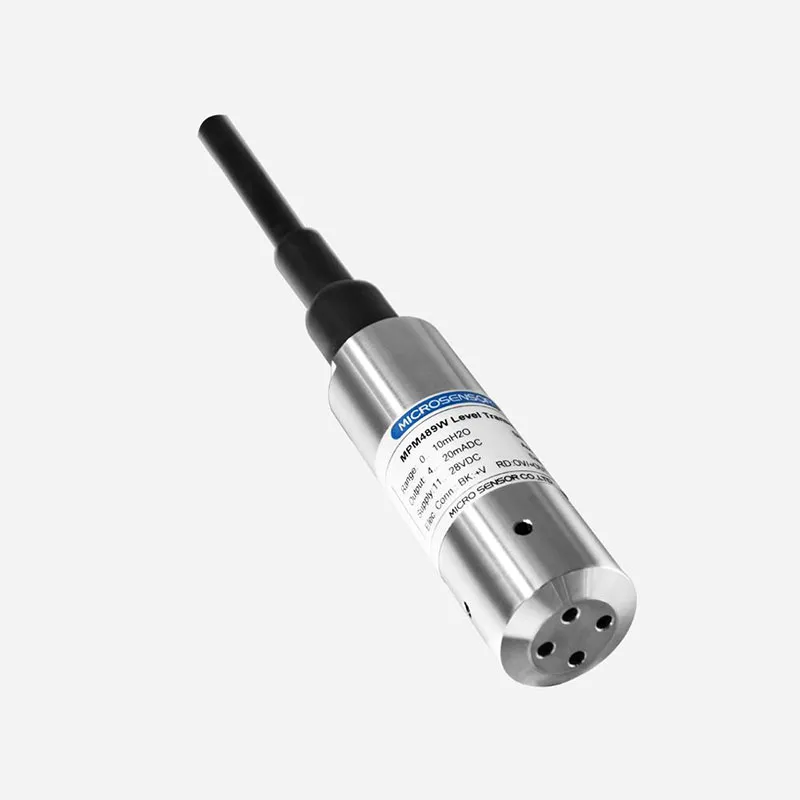
Leave a MessageCompared with the regular size, MPM489WZ4 is a 17mm Submersible Level Transmitter with a smaller diameter. MPM489WZ4 is based on the diffused silicon principle. All-in-one structure needn't an external adjustment. It is suitable for long-term use in liquids compatible with special vent cables and stainless steel housings. MPM489WZ4 is compact while performing stably.
Features
• Submersible design: The transmitter is designed to be completely submerged in liquid, making it ideal for tank level measurement.
• Wide Range: The transmitter is highly accurate, with a measurement range of up to 200m and an accuracy of ±0.5%FS.
• Robust construction: The transmitter is constructed from high-quality stainless steel, making it resistant to corrosion and able to withstand harsh environmental conditions.
Image:
Compared with the regular size, MPM489WZ4 is a 17mm Submersible Level Transmitter with a smaller diameter. MPM489WZ4 is based on the diffused silicon principle. All-in-one structure needn't an external adjustment. It is suitable for long-term use in liquids compatible with special vent cables and stainless steel housings. MPM489WZ4 is compact while performing stably.
Features
• Submersible design: The transmitter is designed to be completely submerged in liquid, making it ideal for tank level measurement.
• Wide Range: The transmitter is highly accurate, with a measurement range of up to 200m and an accuracy of ±0.5%FS.
• Robust construction: The transmitter is constructed from high-quality stainless steel, making it resistant to corrosion and able to withstand harsh environmental conditions.


Φ26mm
0m~1m…200m H2O
Accuracy: ±0.25%FS, ±0.5%FS, ±1%FS
DNV approved for installation on all vessels
ATEX Certificated
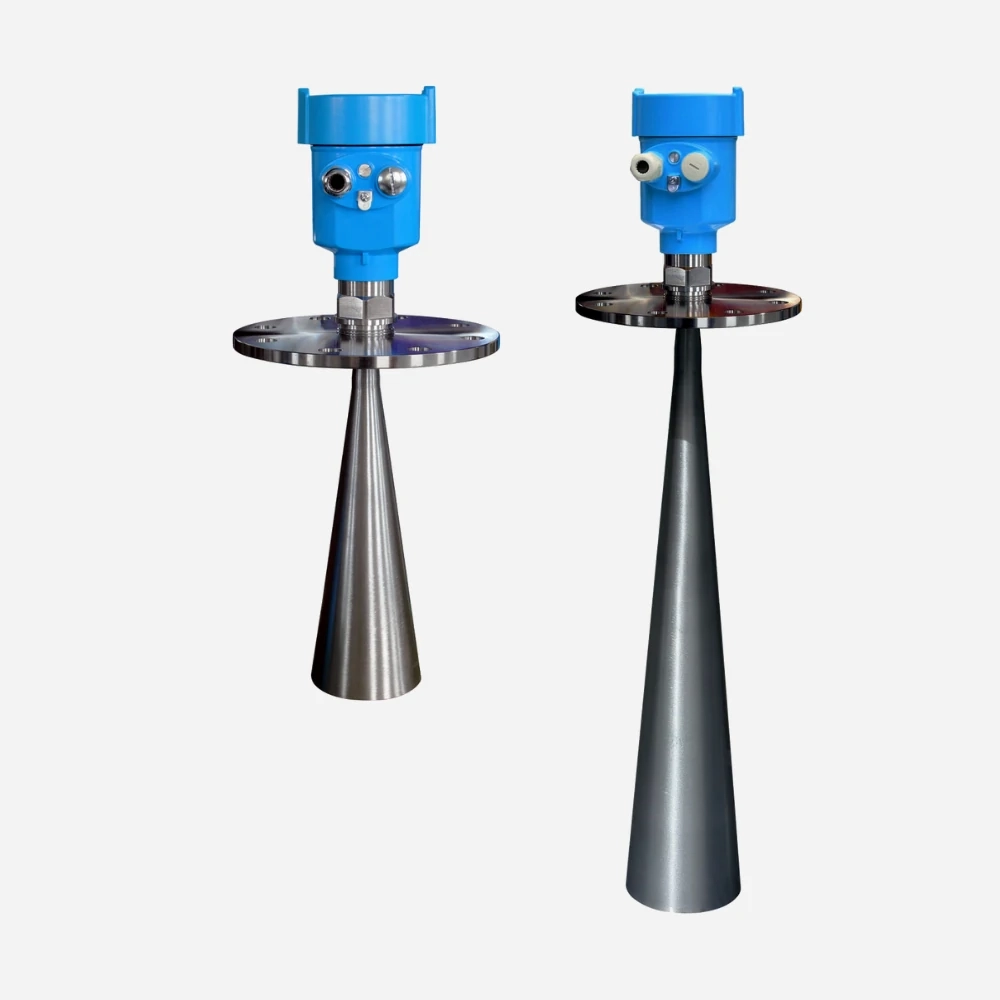
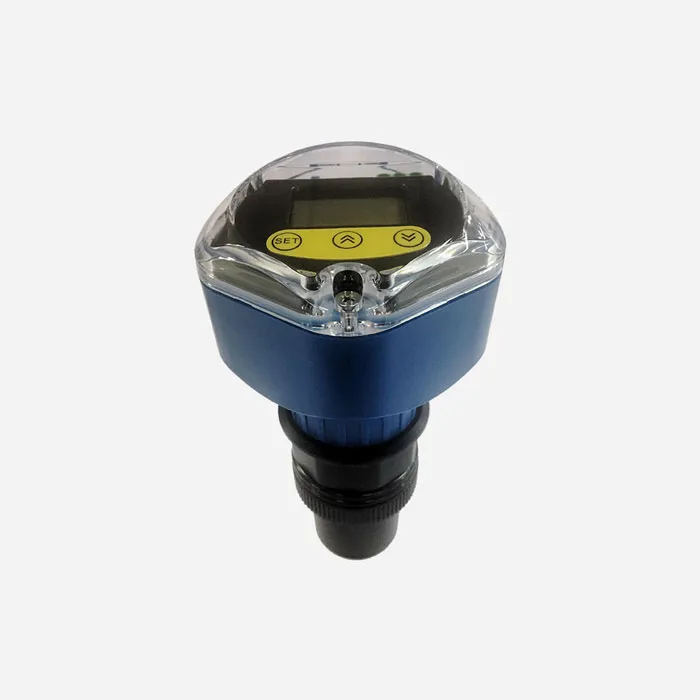
Contactless Level Measurement
Measuring range: 0m~70m
Measured media: Solid, Liquid
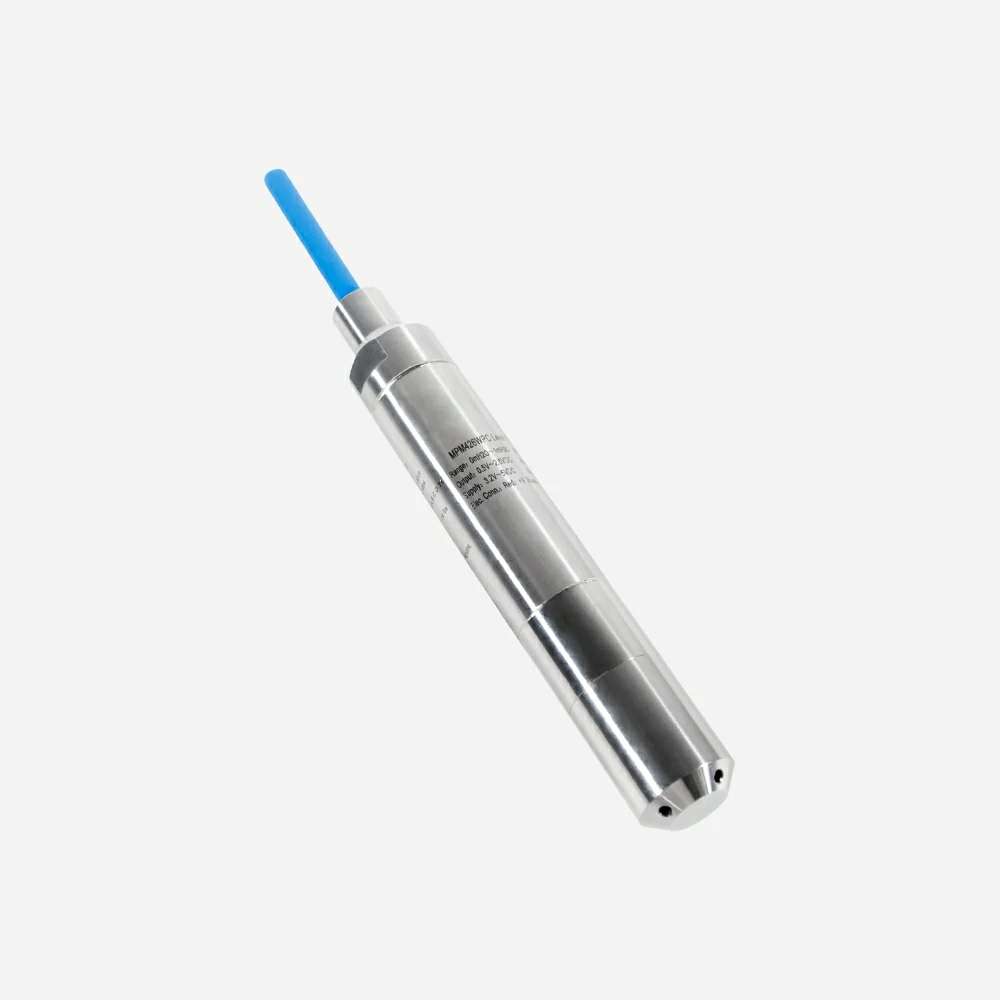
Level measurement: 0mH2O~2mH2O…200mH2O
Pressure measurement: 0mabr~200mabr...350bar
Outputs: 4mA~20mA, 1V~5V, 0.5V~4.5V...RS485-Modbus, etc.
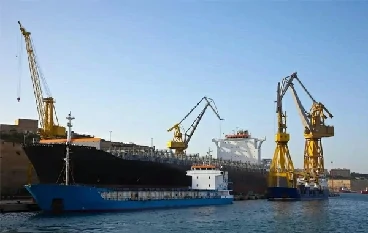
CCS, ABS, DNV approved for ship use
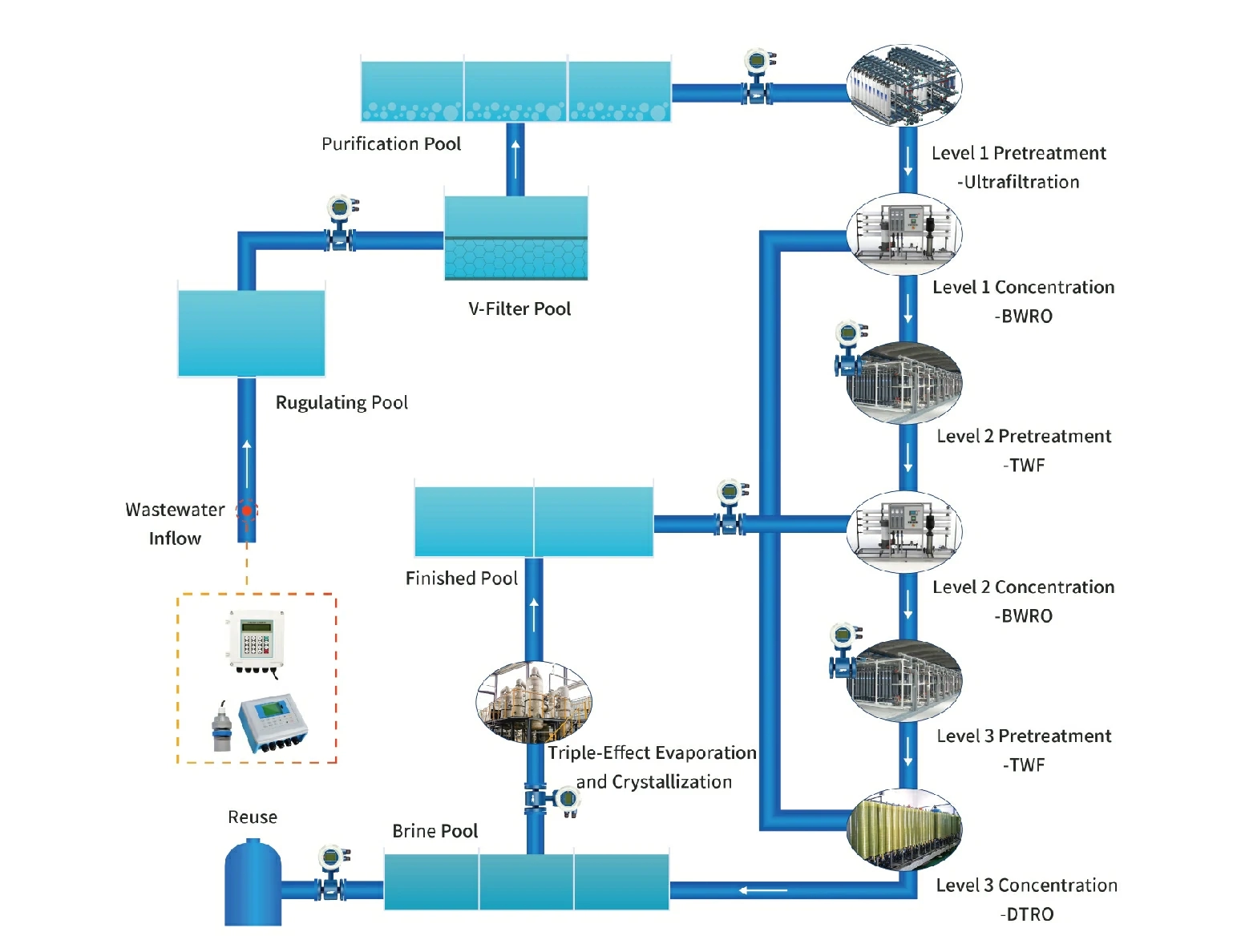
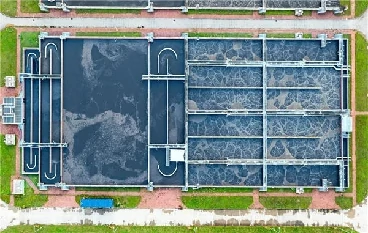
In response to the national sustainable development strategy, enterprises typically install industrial wastewater treatment equipment, such as magnetic flowmeters and open channel flowmeters, to monitor and measure wastewater treatment and discharge.
more info...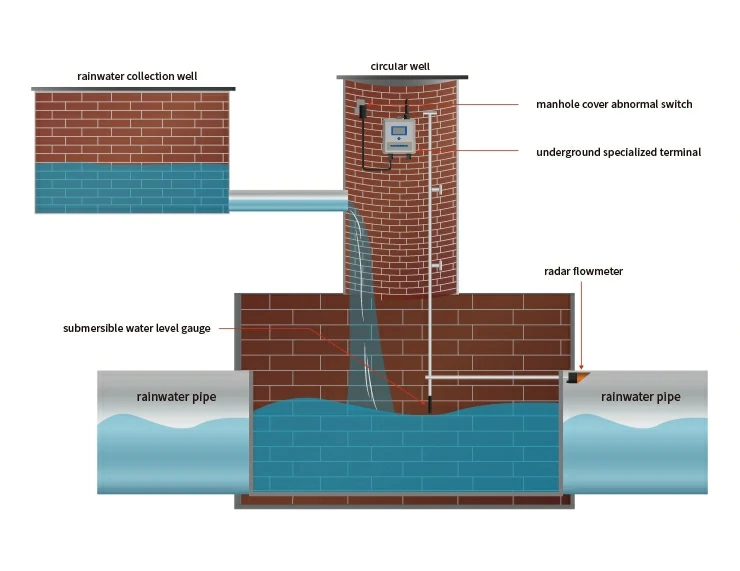
Sump wells are important facilities for convenient daily inspection, prevention, and dredging of drainage pipe blockages. By deploying monitoring instruments at the bottom of the well, a comparison of drainage volume and rainfall is made, allowing for the prediction of flooding points and drainage times under real-time changing drainage conditions. When the water level data exceeds the preset warning value, a timely alarm is given, effectively preventing urban flooding.
more info...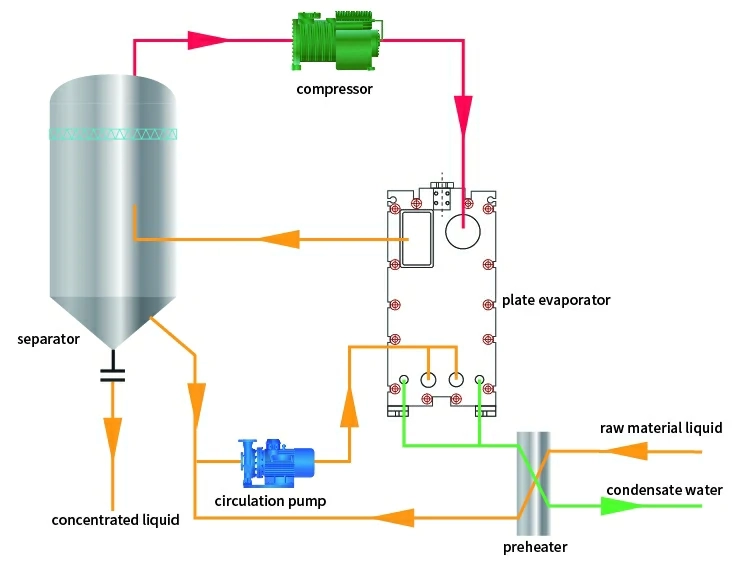
The MVR evaporation equipment requires the use of intelligent pressure transmitters to monitor the liquid level in the separator for feed control. It also monitors the liquid level in the condensate tank, providing timely water replenishment for the condenser, allowing it to condense rapidly. Concurrently, the liquid level height of the raw material tank and the mother liquor tank is monitored. When the liquid level is depleted, raw liquid is added to maintain the normal progress of the process. Intelligent temperature transmitters are used to monitor the steam temperature in the heater, continuously heating the raw liquid for the separation of the solution and the solute. It also monitors the temperature of the separator cavity for efficient separation of the solute and solvent. Flowmeters are used to calculate the volume of the raw material liquid in the feed pump, accumulating the flow.
more info...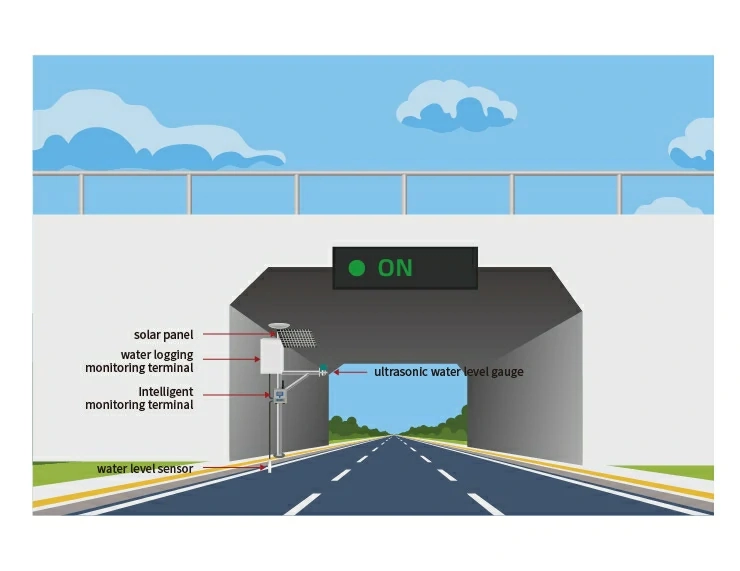
Real-time monitoring the low-ling areas, underpasses and bridge culverts. The current level and alarming messages are automatically displayed on the screen, such as “Passage”, “Allowing”, and “No entering”. The alarm will be triggered when the level is too high, aiming to ensure the personnel's safety.
more info... Copyright © 2026 MICRO SENSOR CO., LTD