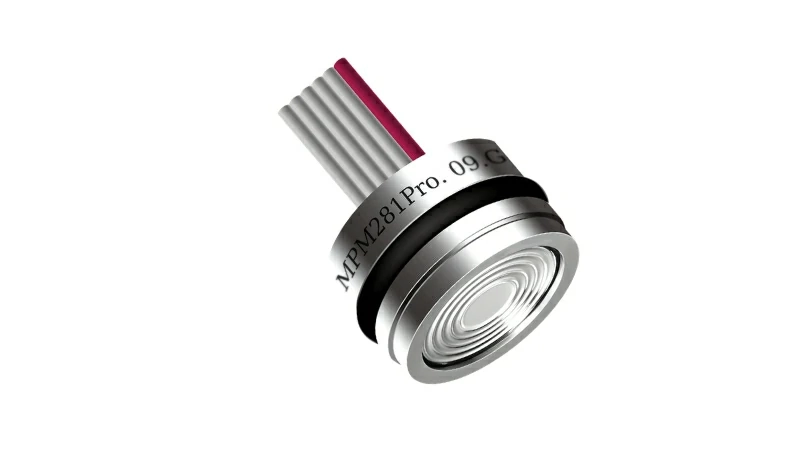
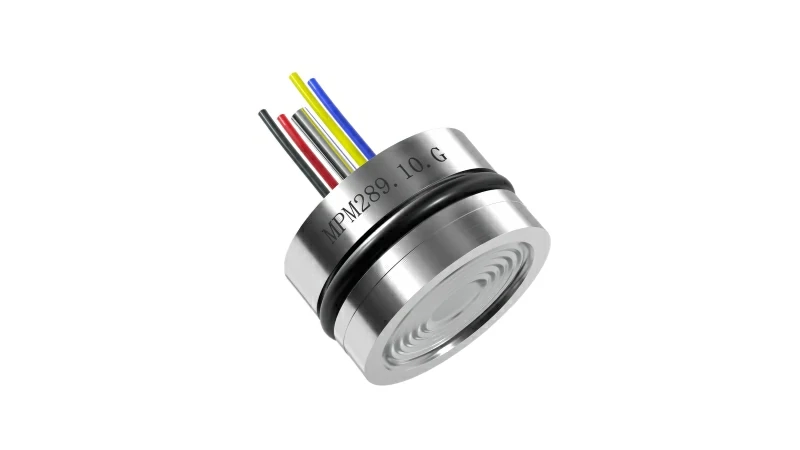
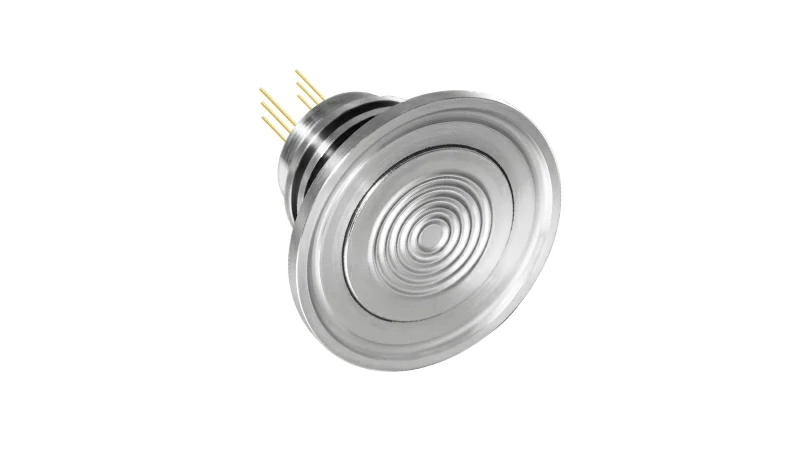
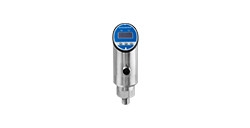
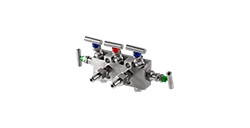
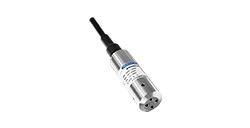
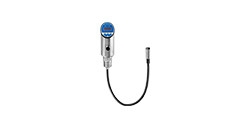
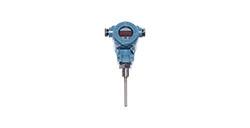
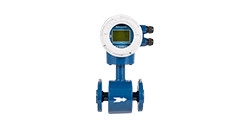
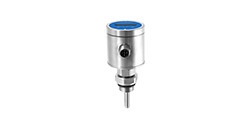








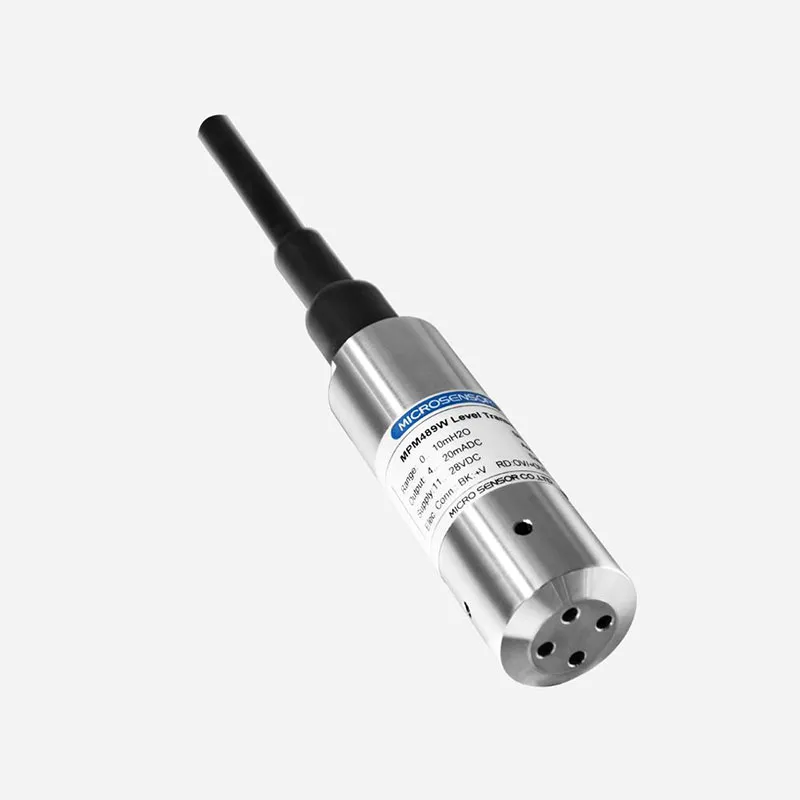
17mm Submersible Level Transmitter
φ17mm
0m~10m…200mH2O
Measurement Accuracy: ±0.5%FS
New Product Change Notice (PCN) effective Jan 1, 2025. MICROSENSOR appreciate your understanding.

LKZLD
Reservoirs, Dams, Coal Plants, Power Plants, Petrochemicals
Leave a MessageLKZLD
Used For
Reservoirs, Dams, Coal Plants, Power Plants, Petrochemicals
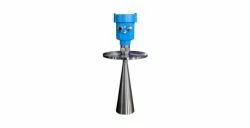
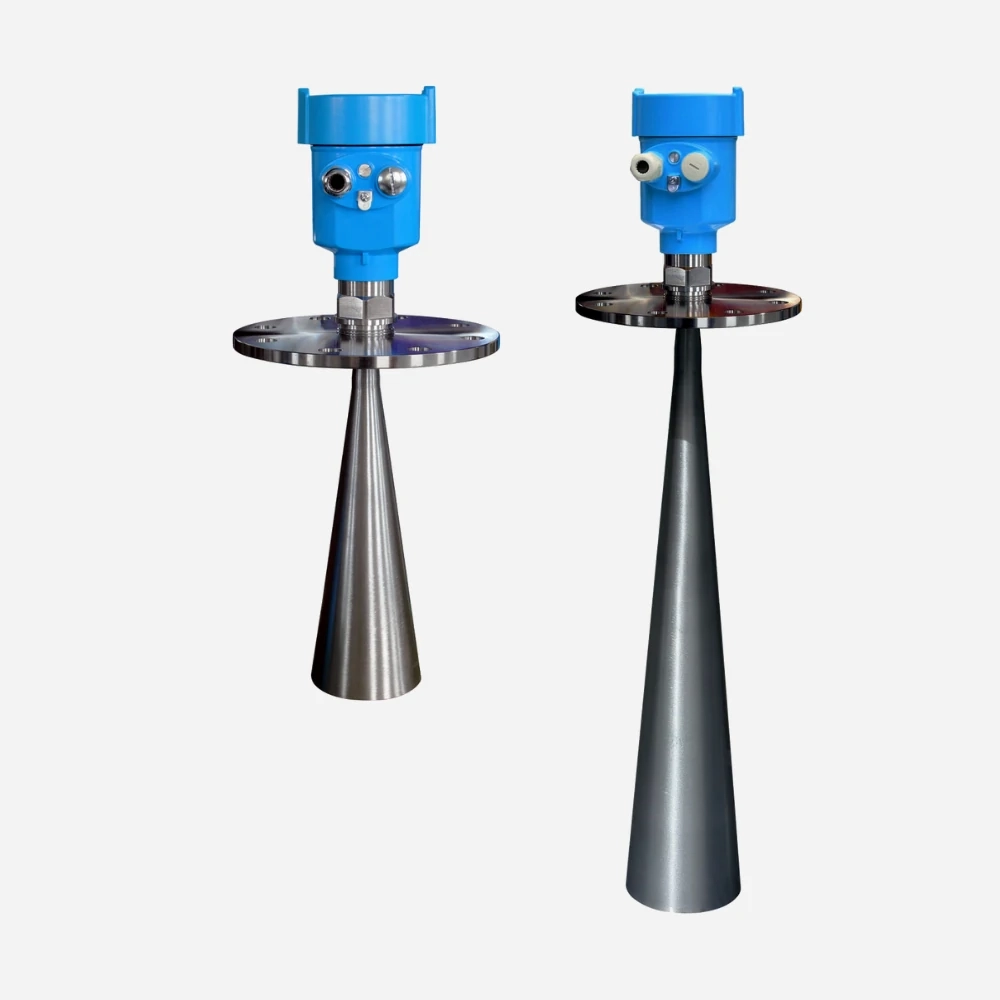
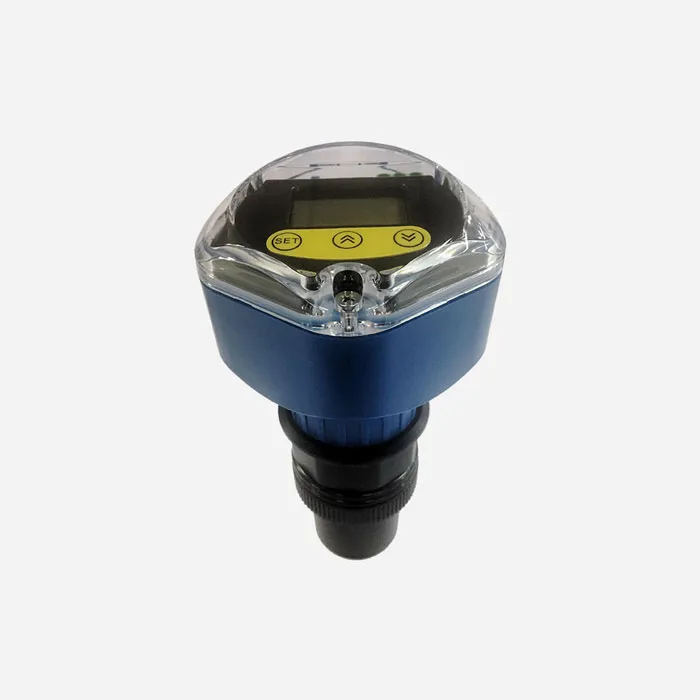
Leave a MessageRadar Level Meter is used to measure the precise level of contaminated and corrosive media. Advanced microwave and Echo-tech processing technology ensure stable product performance. LKZLD is recommended for measuring solids and low dielectric constant media. It is also a safe choice for level measurement in small metallic and non-metallic containers. The radar level meter is easy to install and can be controlled remotely.
Feature
• Stable and accurate liquid and solid level measurement
• Small measurement blind area and strong concentration ability
• Ensure stable performance in complex environments
Specification
• Type: Low frequency radar, High frequency radar, Guided wave radar
• Model: LKZLD-A LKZLD-B LKZLD-C
• Measured Media: solid, liquid
• Measuring range: 0~75m
• Process connection: flange, thread flange, thread
• Media temp.: -40℃~ 250℃
• Process pressure: -0.1MPa~4.0MPa -
• Output signal: 4mA~20mA DC/HART(2-wire), RS485/Modbus(4-wire)
Image:
Radar Level Meter is used to measure the precise level of contaminated and corrosive media. Advanced microwave and Echo-tech processing technology ensure stable product performance. LKZLD is recommended for measuring solids and low dielectric constant media. It is also a safe choice for level measurement in small metallic and non-metallic containers. The radar level meter is easy to install and can be controlled remotely.
Feature
• Stable and accurate liquid and solid level measurement
• Small measurement blind area and strong concentration ability
• Ensure stable performance in complex environments
Specification
• Type: Low frequency radar, High frequency radar, Guided wave radar
• Model: LKZLD-A LKZLD-B LKZLD-C
• Measured Media: solid, liquid
• Measuring range: 0~75m
• Process connection: flange, thread flange, thread
• Media temp.: -40℃~ 250℃
• Process pressure: -0.1MPa~4.0MPa -
• Output signal: 4mA~20mA DC/HART(2-wire), RS485/Modbus(4-wire)

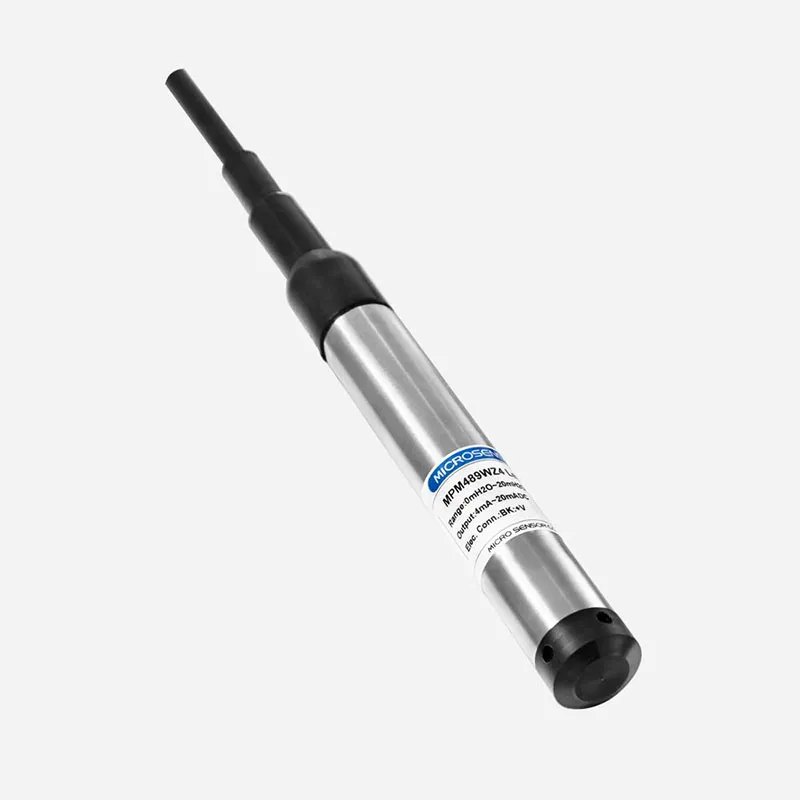
Φ26mm
0m~1m…200m H2O
Accuracy: ±0.25%FS, ±0.5%FS, ±1%FS
DNV approved for installation on all vessels
ATEX Certificated
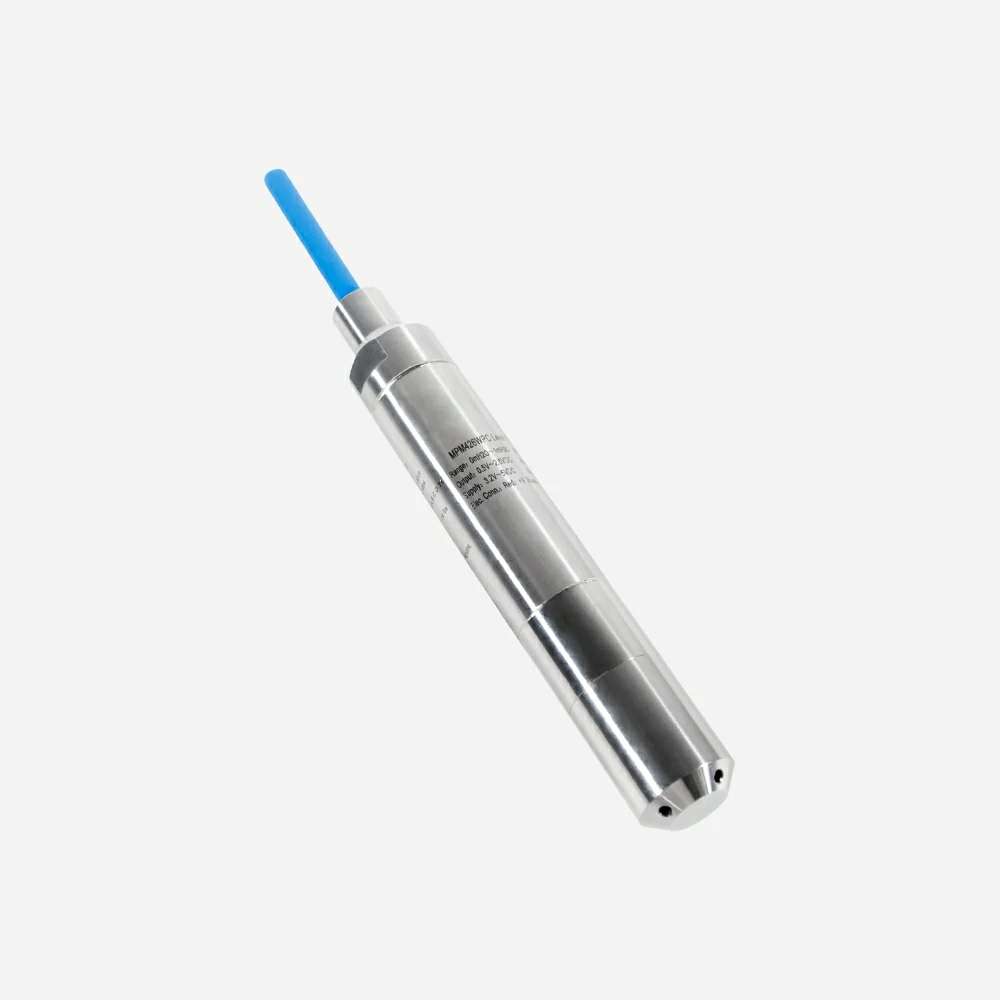
Level measurement: 0mH2O~2mH2O…200mH2O
Pressure measurement: 0mabr~200mabr...350bar
Outputs: 4mA~20mA, 1V~5V, 0.5V~4.5V...RS485-Modbus, etc.
CCS, ABS, DNV approved for ship use
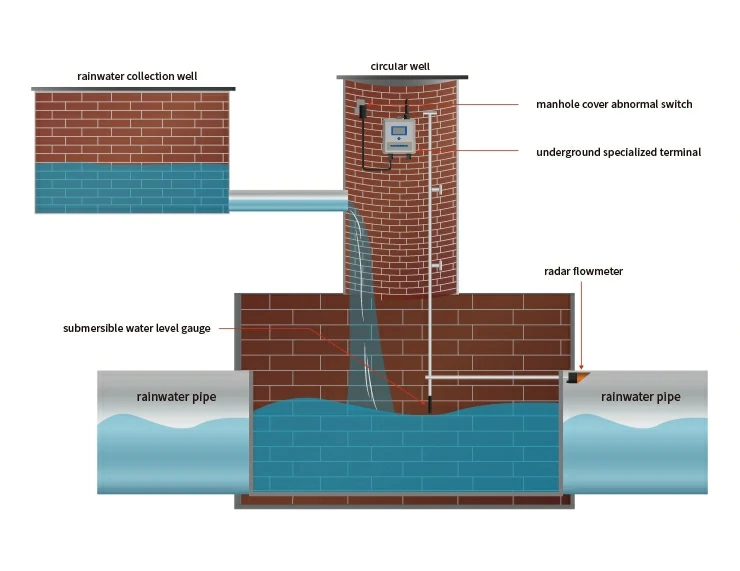
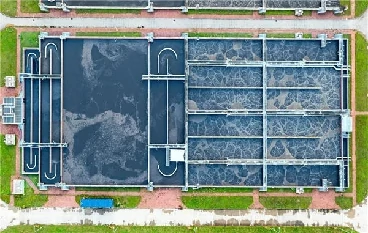
Sump wells are important facilities for convenient daily inspection, prevention, and dredging of drainage pipe blockages. By deploying monitoring instruments at the bottom of the well, a comparison of drainage volume and rainfall is made, allowing for the prediction of flooding points and drainage times under real-time changing drainage conditions. When the water level data exceeds the preset warning value, a timely alarm is given, effectively preventing urban flooding.
more info...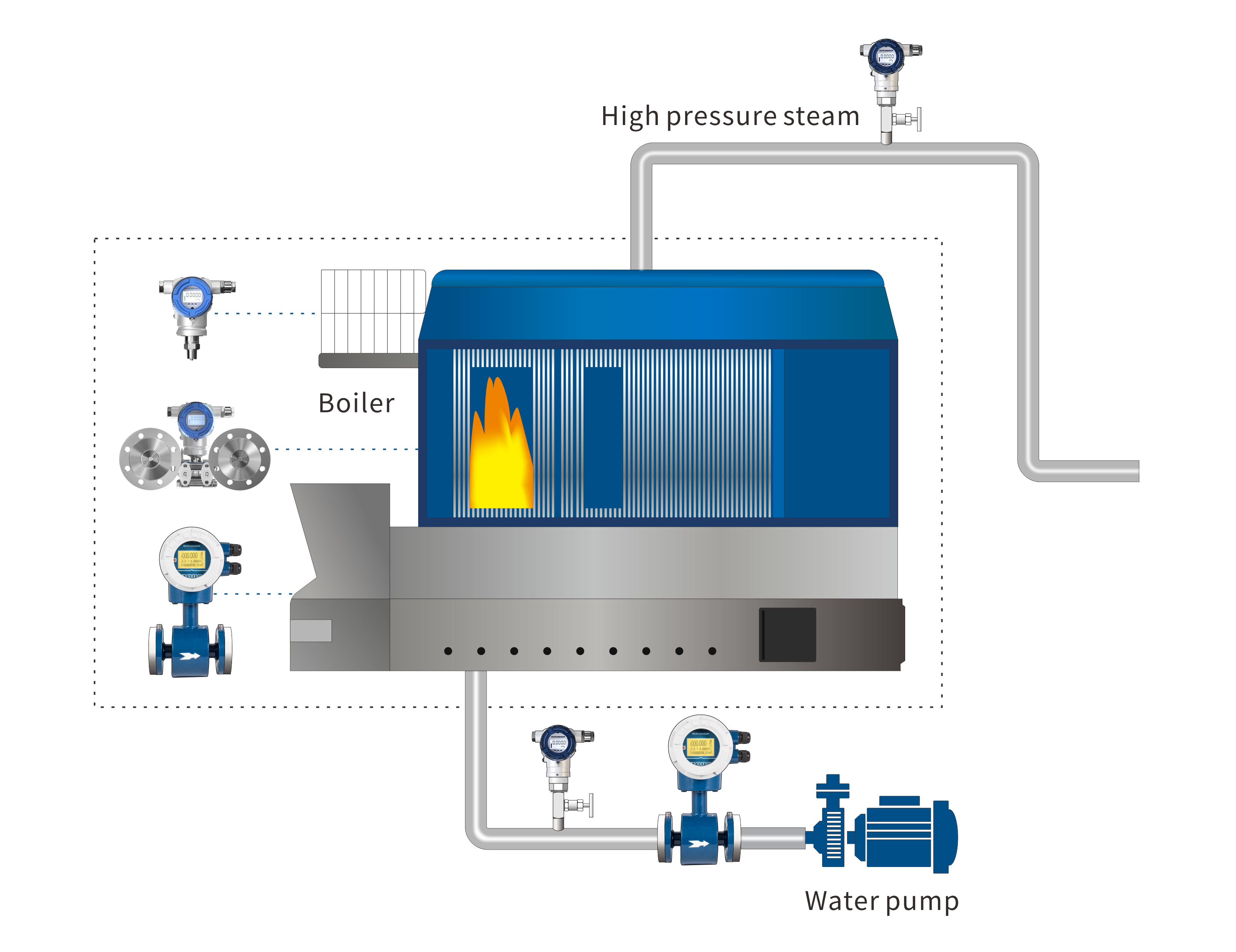
In the electric power industry, especially in power plants and transmission systems, it is very important to accurately monitor and control pressure, level, temperature and flow, because these specifications will directly affect the operating efficiency and safety of the system. Micro Sensor's monitoring instrumentation solutions integrate advanced sensor technology and intelligent control systems, which can provide accurate data and efficient control even in complex environments, and optimize the power production and transmission process.
more info...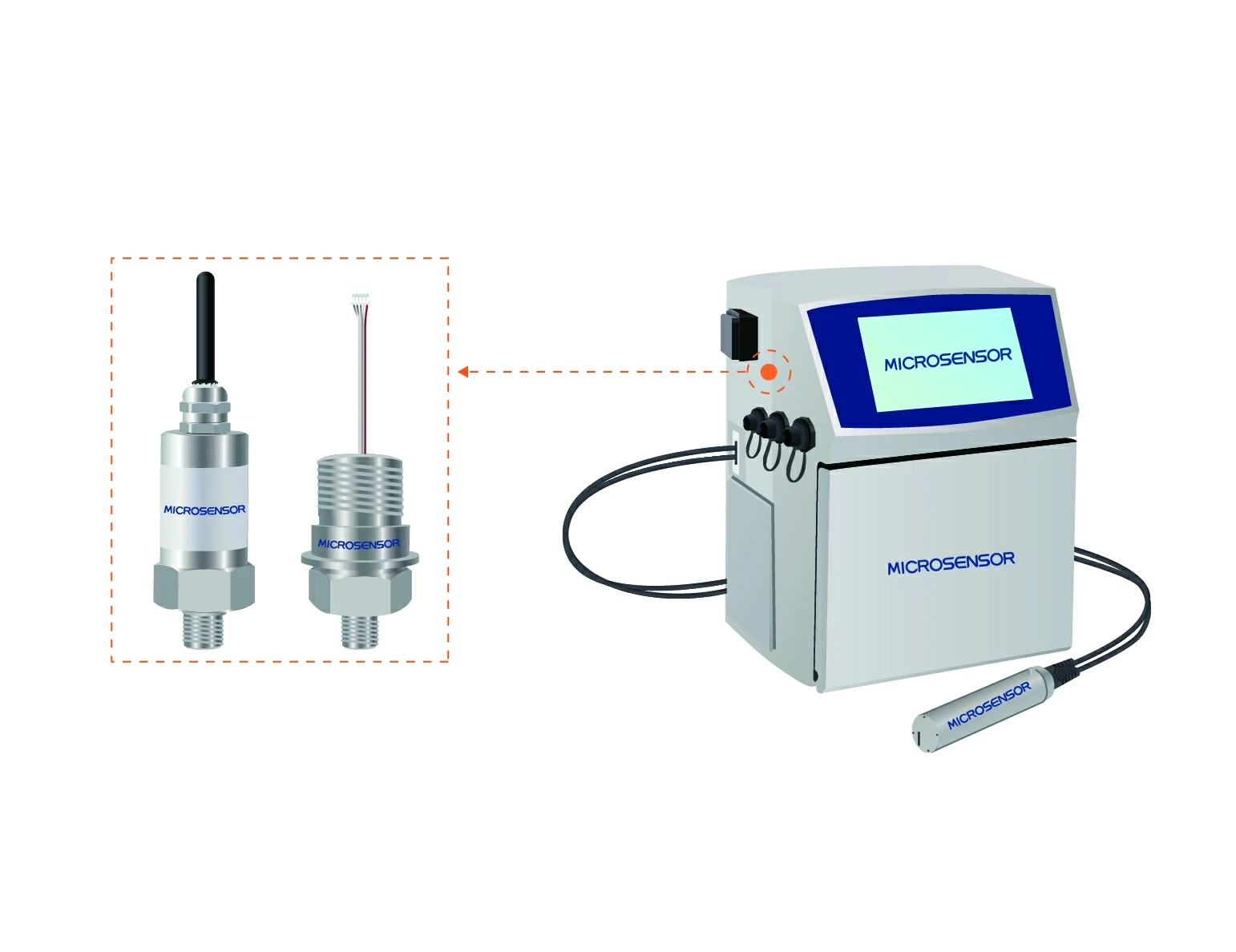
Inkjet printers are common equipment in the packaging and printing industry. Utilizing continuous inkjet technology, real-time pressure monitoring and early warning are necessary to ensure continuous and stable ink ejection, guaranteeing print quality.
more info...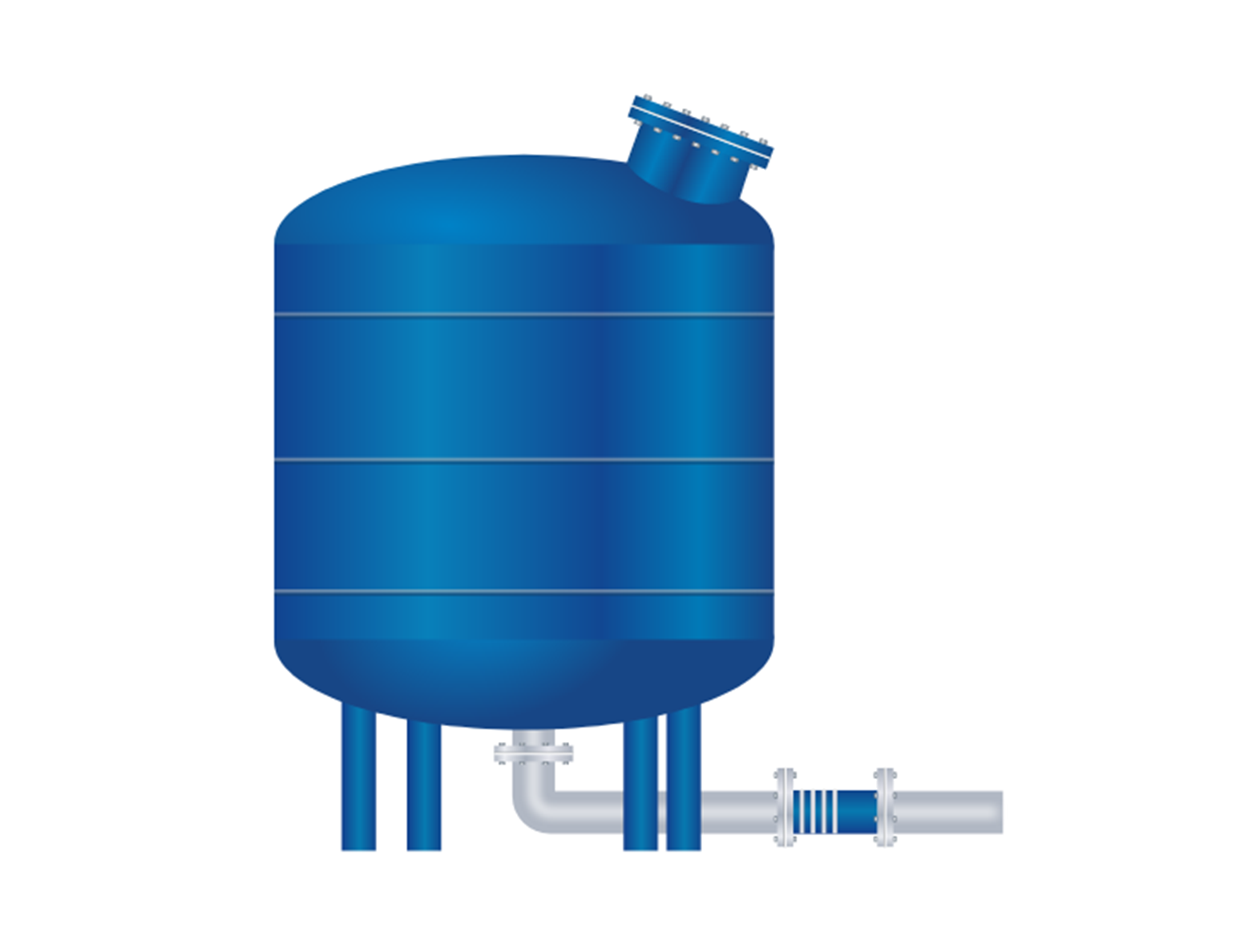
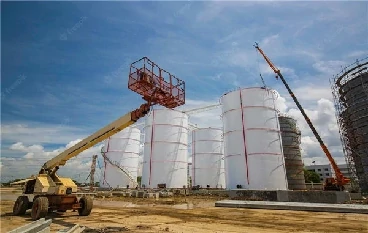
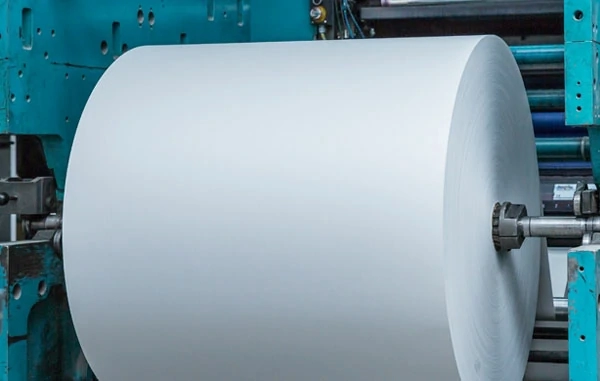
The pulp undergoes high-temperature bleaching in a tower using peroxides, ozone, or oxygen to get the right white color. The tower usually stays empty while the large amount of bleached pulp is dumped via a screw conveyor.
more info... Copyright © 2026 MICRO SENSOR CO., LTD