
-
Products
- Solutions
- Service Support
Pages
- Pressure Sensor
- Pressure Transmitter and Transducer
- What is a Pressure Transducer?
- Level Transmitter and Sensors
- Differential Pressure Sensors
- Differential Pressure Transmitters
- Level transmitter for Fuel and Chemical
- Water Pressure Sensors
- Tank Pressure Sensors and Transmitters
- Hydrostatic Level Measurement
- Oil Pressure Sensors and Transmitters
- Company
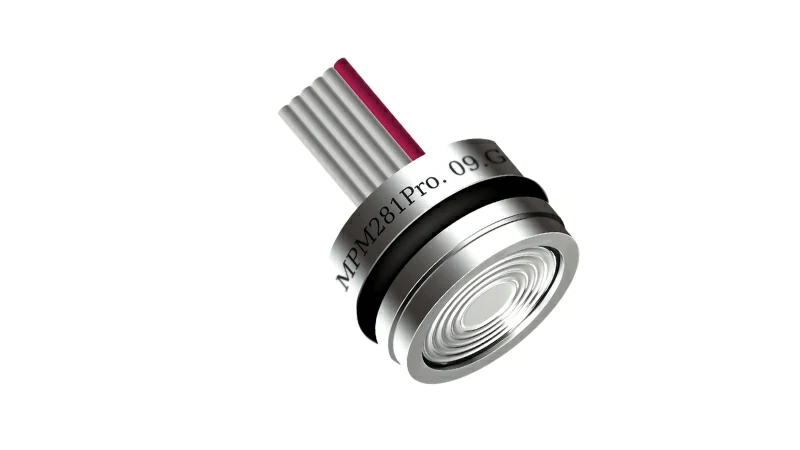
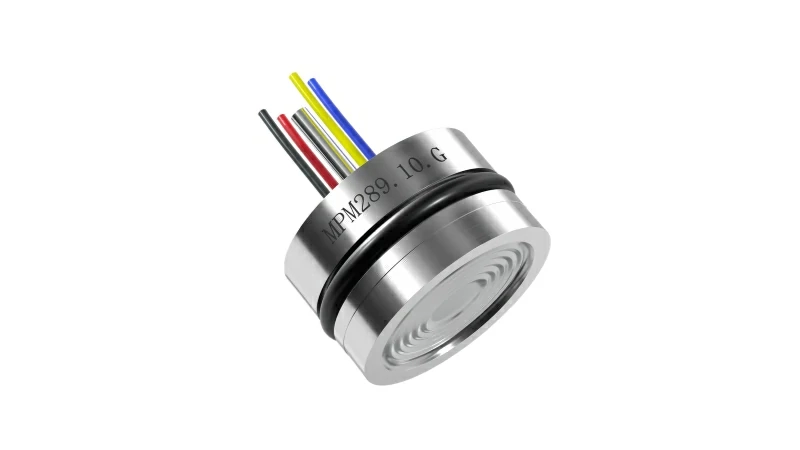
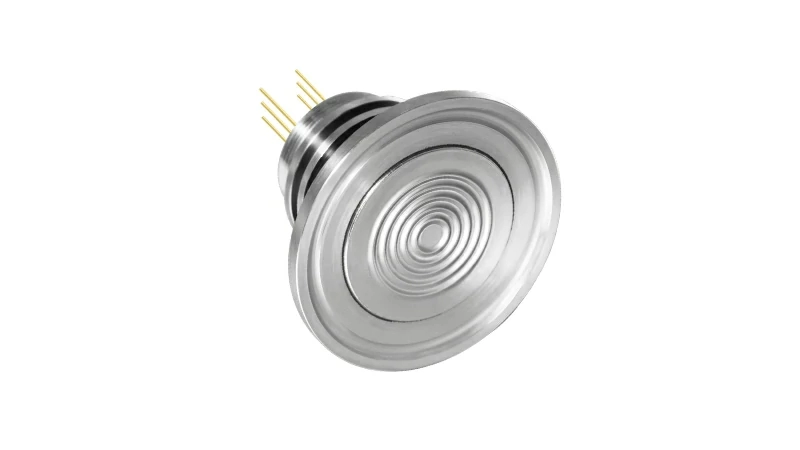
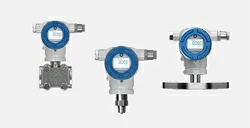
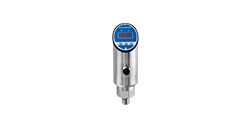
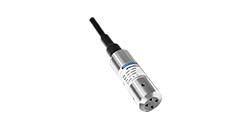
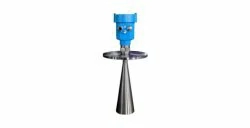
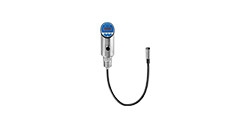
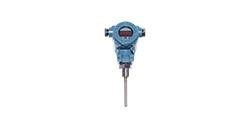
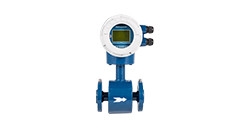






Piezoresistive Pressure Sensors
Piezoresistive pressure sensors are widely used in various fields and are of various types. They are silicon oil-filled and can be divided into general pressure sensors and special materials pressure sensors, special structure pressure sensors, and differential pressure sensors. The General 19mm diameter MPM280 pressure sensor performs stably with long-term stability. There are different materials optional like Titanium, Hastelloy, Tantalum, etc. for anti-corrosive use. The MDM290 can be used to measure differential pressure with high accuracy.
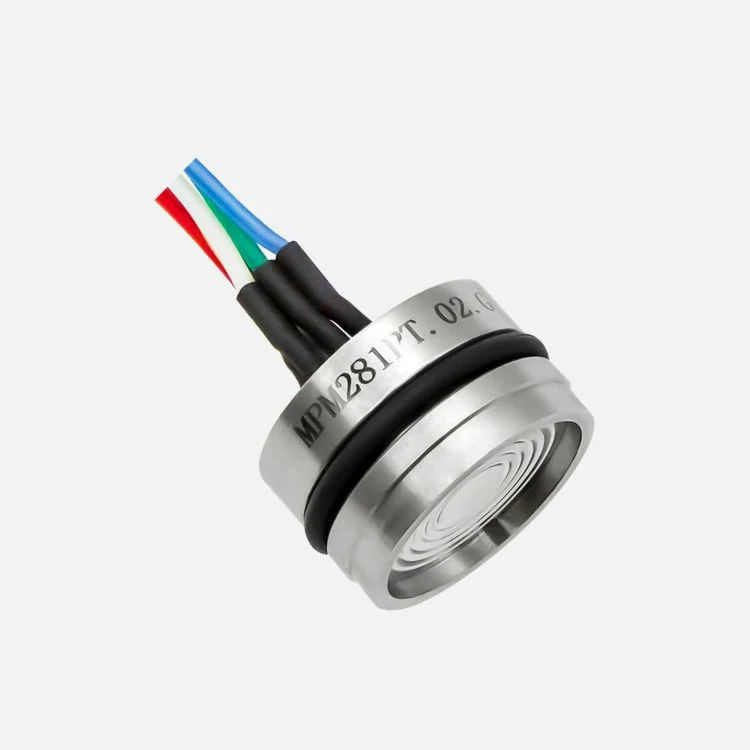
Pressure and Temperature Sensor
[MPM281PT]
Pressure & Temperature dual output
0bar~0.35bar…1000bar
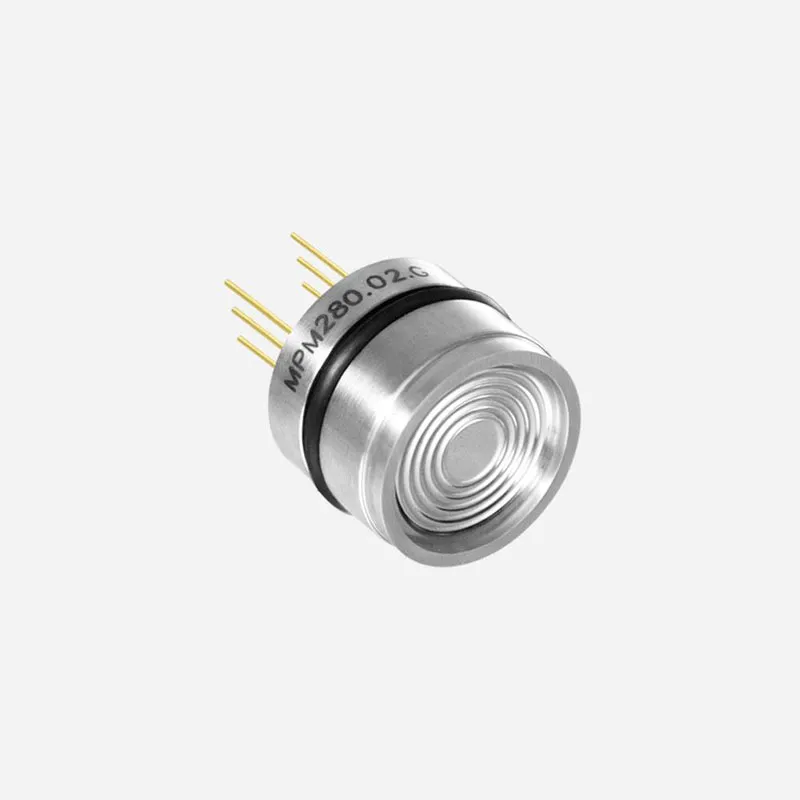
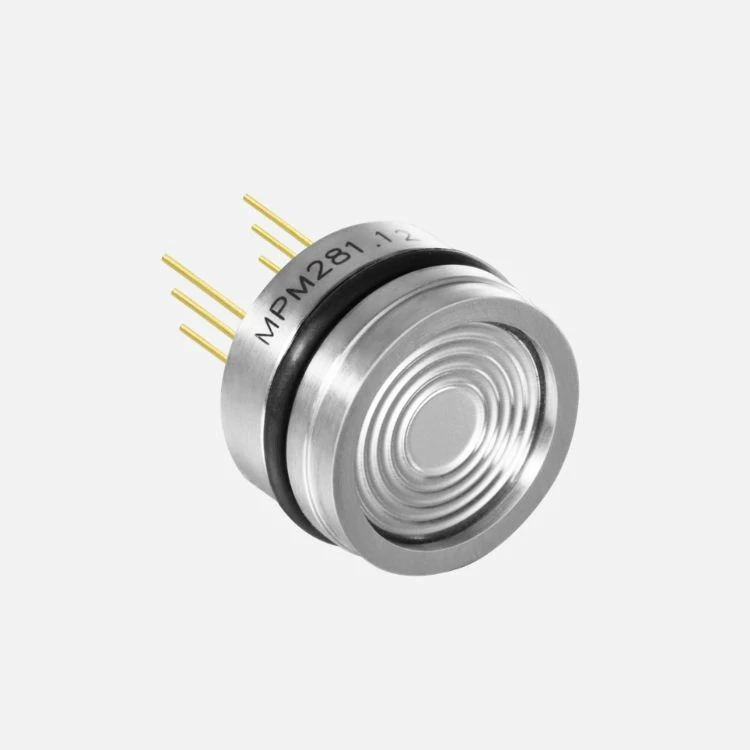
High Stable Pressure Sensor
[MPM281]
Constant current/voltage supply
-1bar...0bar∼70mbar...1000bar
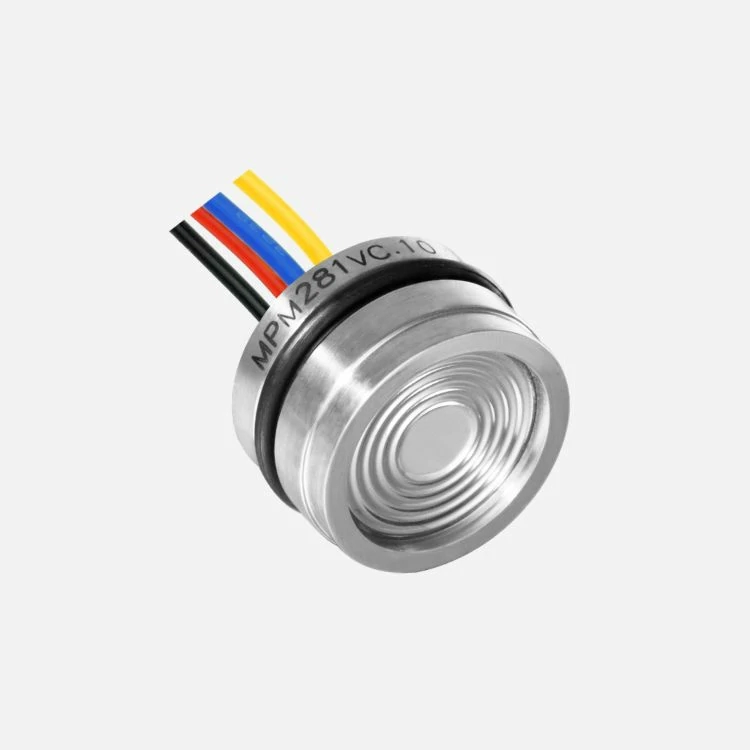
Piezoresistive Pressure Sensor
[MPM281VC]
Constant voltage supply, standard output
0bar~0.2bar…1000bar
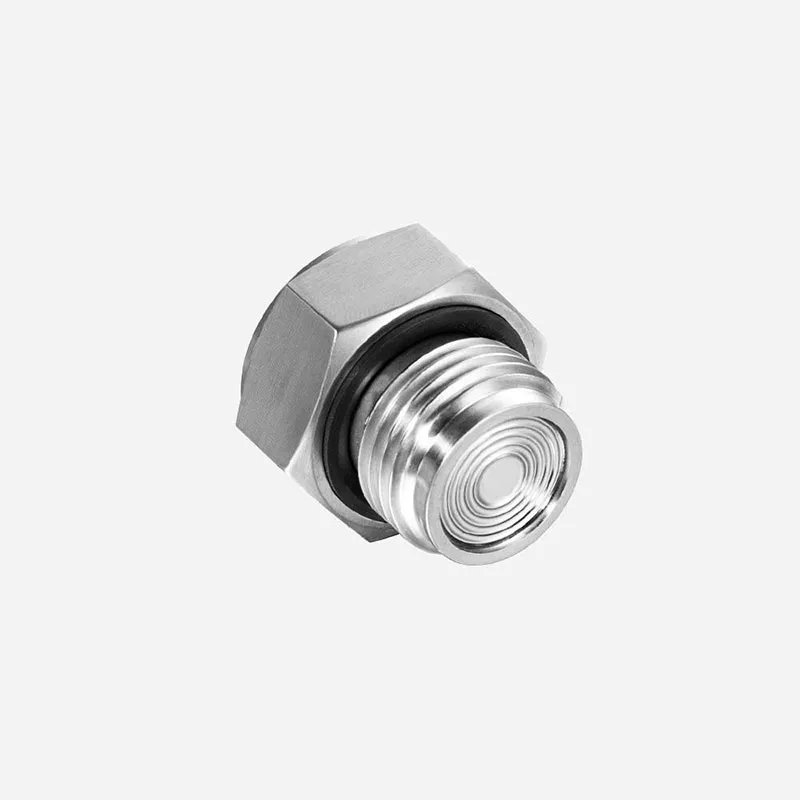
Flush Diaphragm Pressure Sensor
[MPM280P]
M20x1.5, R1/2, G1/2
0bar ~ 0.35bar…350bar
Flush Diaphragm
Piezoresistive Pressure Transmitters and Transducers
Micro Sensor offers piezoresistive pressure transmitters and piezoresistance pressure transducers with high accuracy, stability, competitive prices and good performance. Types of general pressure transmitters and transducers are suitable for fluid pressure measurement in pipelines, oil tanks, water tanks as well as hydraulic systems. Both analog output signals 4mA-20mA, 1-5VDC and digital type output signals HART, RS485, Modbus as well as IIC, CANopen, etc. The transmitters and transducers are certified with ATEX explosion-proof, UL, ship use and CE, etc.
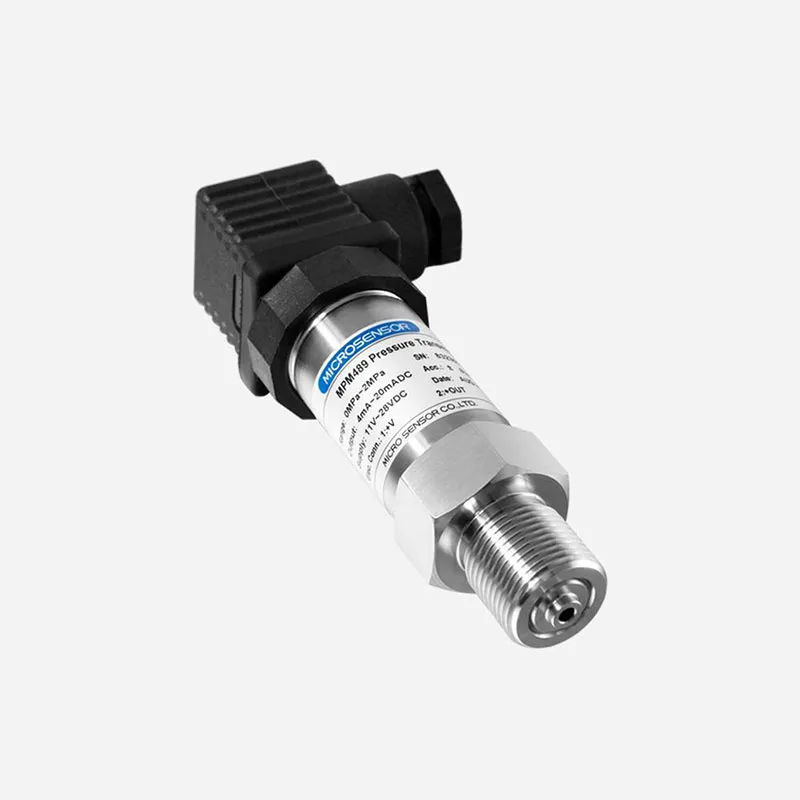
ATEX Pressure Transmitter
[MPM489]
-1bar...0mbar~100mbar…1000bar
General / Flush Diaphragm
CE, RoHS, ATEX approved
DNV and ABS certifications for installation on the ship
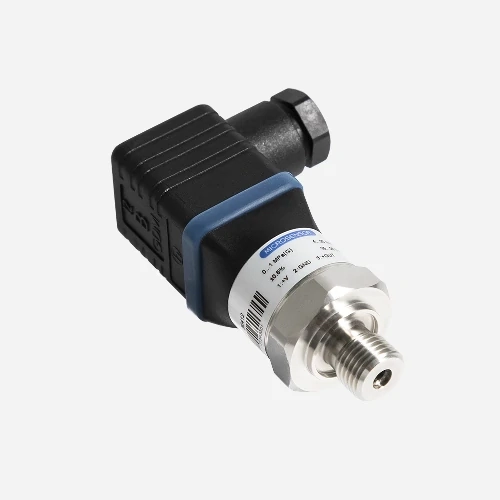
Pressure Transmitter Suitable For General Industry
[M20]
Range: 0~250mbar to 0~250bar
Accuracy:±0.25%FS, ±0.5%FS
Output: 4mA~20mA DC, 0/1V~5/10V DC, 0.5V~4.5V DC
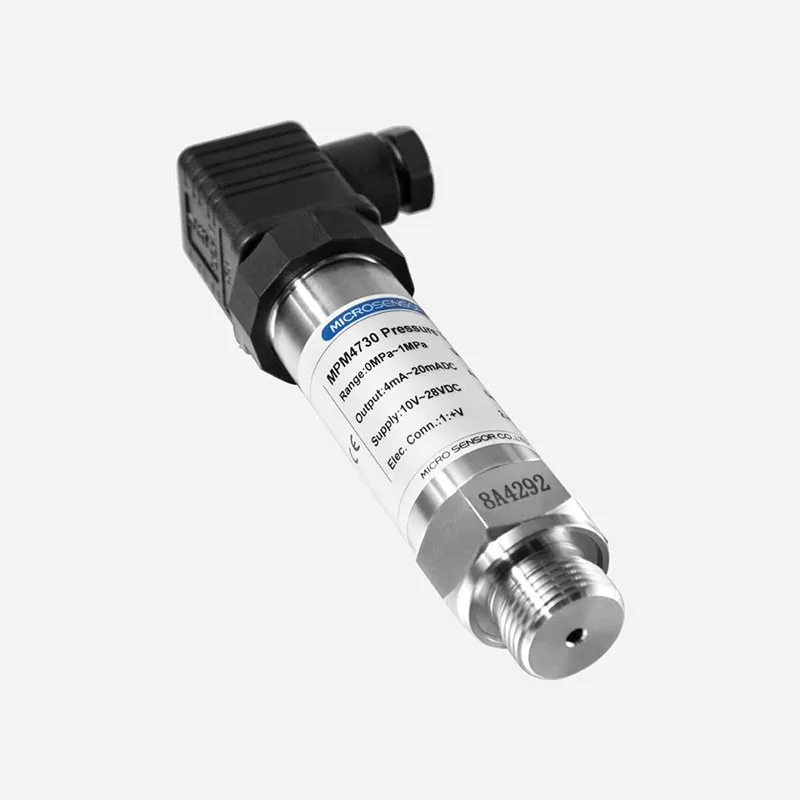
Digital RS485 HART Pressure Transmitter
[MPM4730]
Range:-1bar...0~0.1bar…1000bar
RS485/HART® communication protocol
Accuracy: ±0.1%FS, ±0.25%FS, ±0.5%FS
What is the Piezoresistive Sensor Working Principle?
The piezoresistive pressure sensor is based on the piezoresistive effect, which refers to the phenomenon that the resistance of a semiconductor changes when it is subjected to an external force. A piezoresistive silicon pressure sensor is usually made of four equal-value resistor strain elements on a silicon chip, forming a Wheatstone bridge. The silicon chip is the "heart" of the piezo pressure sensor. When subjected to pressure, the resistance of the circuit on the chip changes accordingly. The resistance of one pair of arms becomes more significant, while the resistance of the other becomes smaller. When the bridge is out of balance, it will output a voltage proportional to the pressure. The pressure sensor converts pressure into an electrical signal output when working.
Simply put, the piezoresistive sensor working principle is based on the change in the resistance value of the sensing element caused by pressure. The measuring circuit converts the varying voltage signal into an output signal proportional to the pressure.
Click here for more details and information on How Piezoresistive Pressure Sensors Work.
Piezoresistive Pressure Sensors VS. Piezoelectric Pressure Sensors
Piezoresistive and piezoelectric pressure sensors are two commonly used types of sensors for measuring pressure. The differences are as follows:
| Piezoresistive | Piezoelectric | |
| Working Principles | Piezoresistive Effect (strain after stress) | Piezoelectric Effect |
| Physical Quantity | Resistance | Electric Charge |
| Elements Materials | Piezoresistive materials such as silicon, metal, etc. | Piezoelectric crystal or ceramic |
| Measurement Type | Static | Dynamic |
| Application | Industrial process, medical equipment | Aerospace, Acoustic measurement |
| Advantage | High precision, reliability, durability | High sensitivity, fast response time |
The piezoresistance pressure transducers play a crucial role in the detection part of the industrial automation production process, and they are the core component of the smart industry. As a piezoresistive sensing instruments manufacturer, MICROSENSOR designs and develops types of industrial pressure sensors, differential pressure transmitters, and level sensors so far, and we will continue to provide more advanced pressure transmitters for the process industry to buy.
Resources
-

Join MICROSENSOR at ECOMONDO 2026
As an international event dedicated to the green and circular economy, ECOMONDO brings together businesses, technology providers, researchers, and industry stakeholders to explore solutions for a more sustainable future. MICROSENSOR wi...
-

Reliable Pressure Measurement for Highly Corrosive Fluorochemical Processes
Pressure measurement plays an important role in fluorochemical production, but conventional pressure instruments may face significant challenges when exposed to highly corrosive media.Hydrofluoric acid (HF), in particular, requires car...
-

MICROSENSOR to Exhibit at WETEX 2026 in Dubai
Visit MICROSENSOR at WETEX 2026 and let's explore new opportunities for reliable measurement, smarter industrial operations, and sustainable development. We look forward to meeting you in Dubai!
-

Meet MICROSENSOR at FENASAN 2026
As Latin America’s largest and most influential trade fair for sanitation and environmental engineering, FENASAN 2026 brings together global experts, industry leaders, and innovators to address critical challenges in water resource manageme...
-

Measurement Challenges and Solutions in the Fluorochemical Industry
The fluorochemical industry supports a wide range of applications, from data center coolant and fluoropolymers to battery materials and electronic chemicals. At the same time, many fluorochemical processes involve corrosive, toxic or o...
-
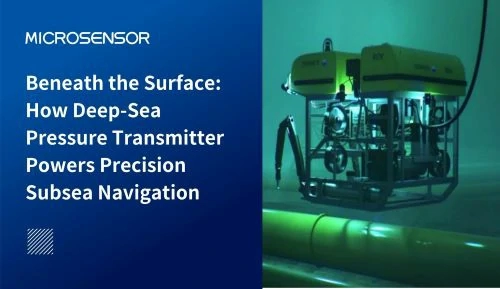
Beneath the Surface: How the Deep-Sea Pressure Transmitter Powers Precision Subsea Navigation
Engineered to withstand extreme subsea hydrostatic pressure, freezing temperatures, highly corrosive saline environments, and long-duration deployments, the MPM4779 Deep-Sea Pressure Transmitter features key breakthroughs in precision stabi...
 Copyright © 2026 MICRO SENSOR CO., LTD


