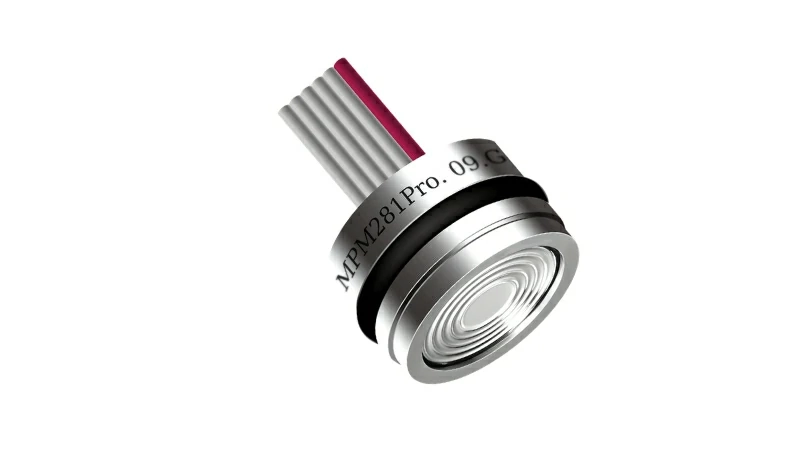
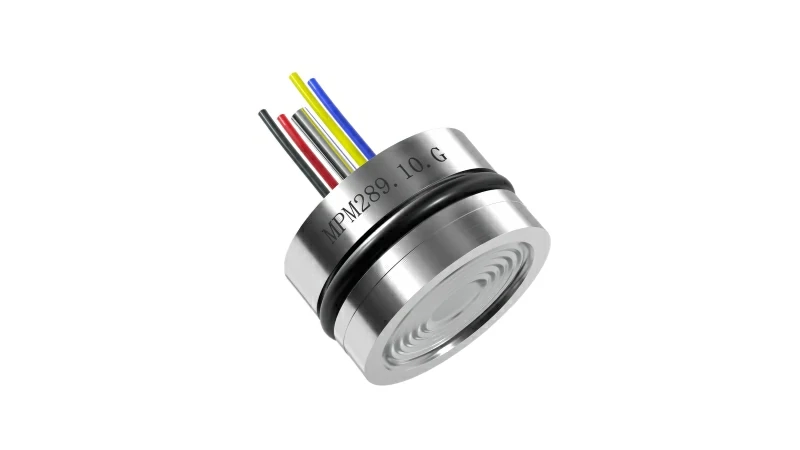
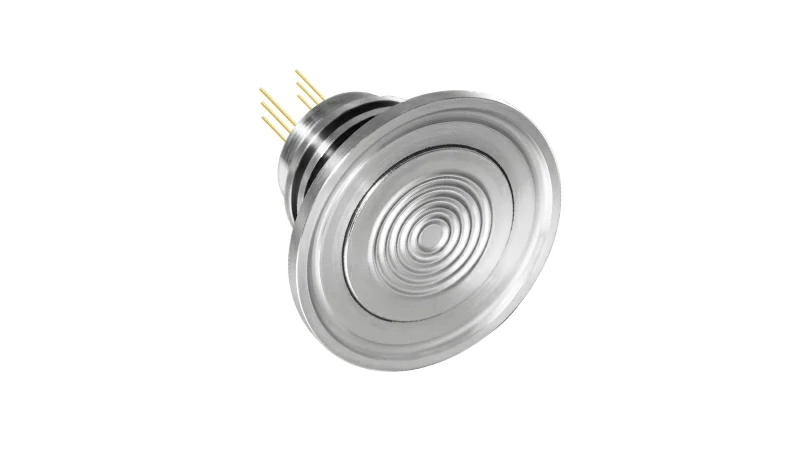
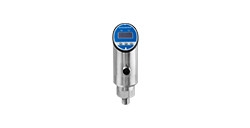
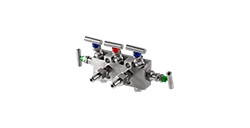
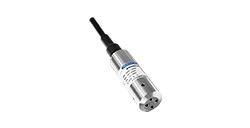
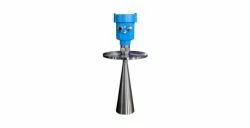
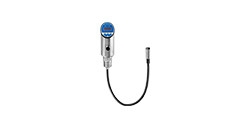
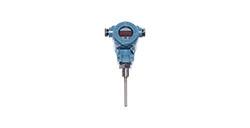
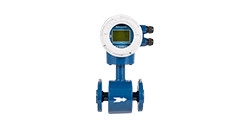
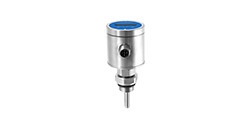












Flush Diaphragm Pressure Sensor
M20x1.5, R1/2, G1/2
0bar ~ 0.35bar…350bar
Flush Diaphragm

MPM280P
Industrial Process Control, Gas & Liquid Pressure Measurement, Refrigeration Equipment and Air
Leave a MessageMPM280P
Used For
Industrial Process Control, Gas & Liquid Pressure Measurement, Refrigeration Equipment and Air
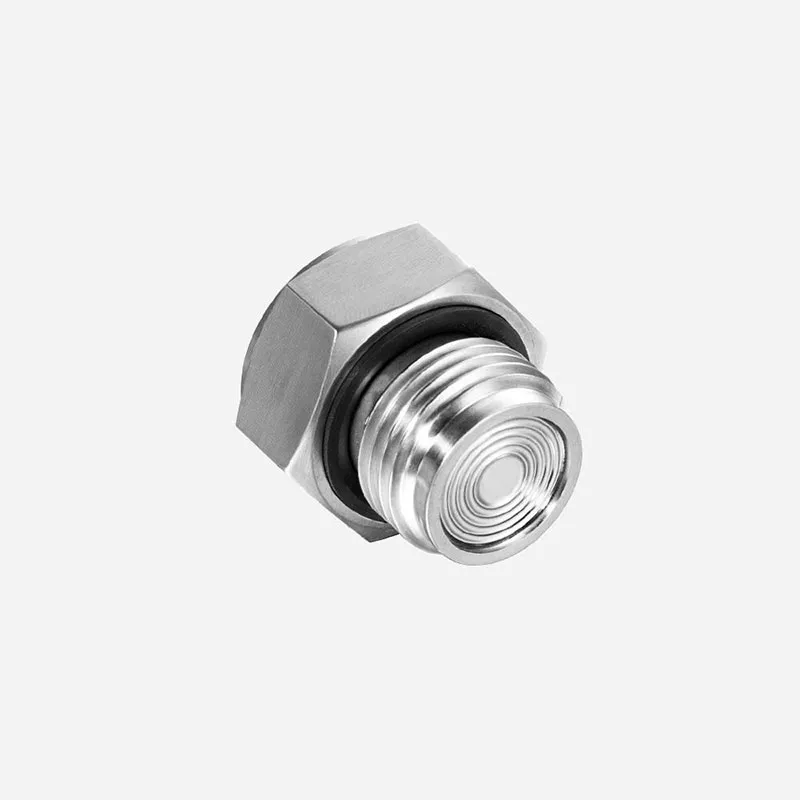
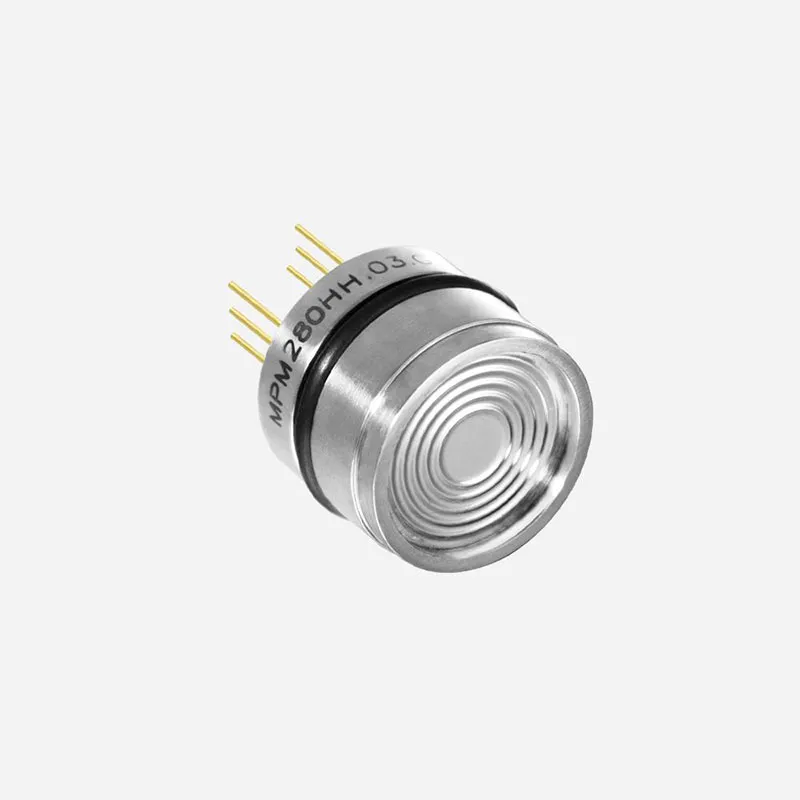
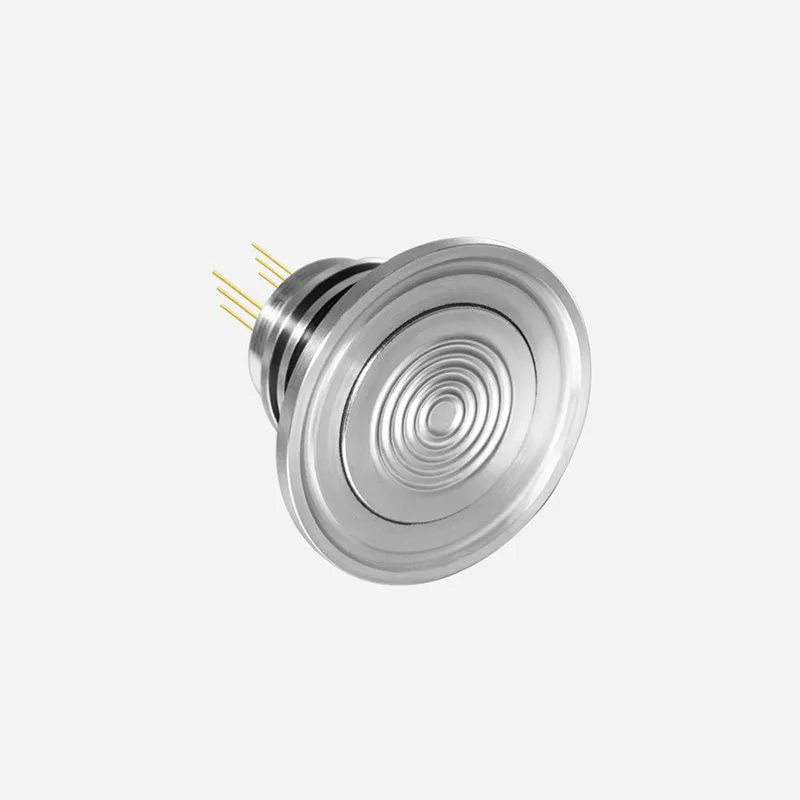
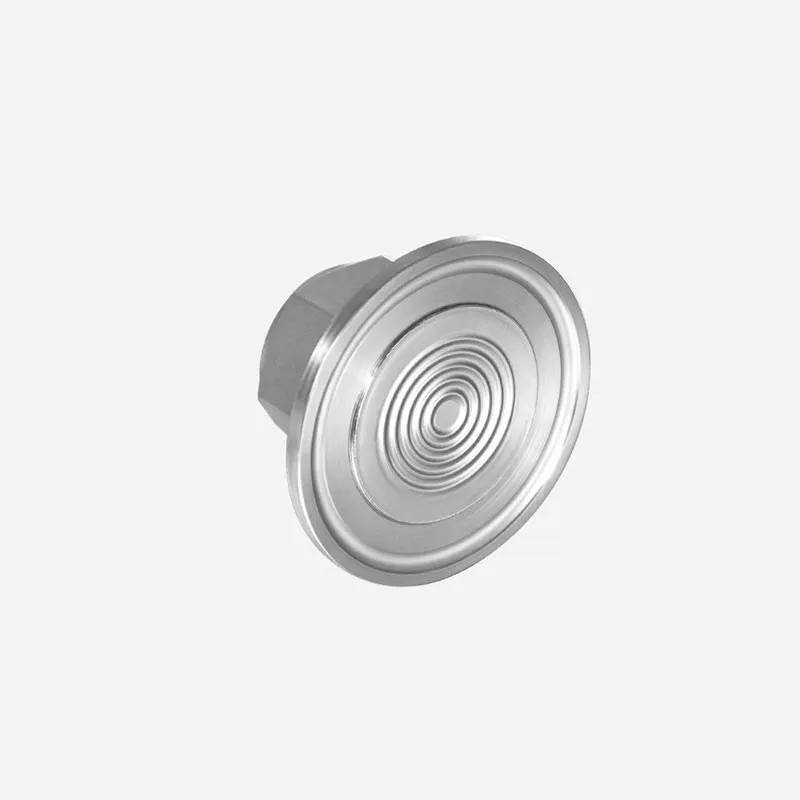
Leave a MessageThe MPM280P flush diaphragm pressure sensor is connected via male threads and clamps. Pressure ports are G1/2 male, R1/2 male, NPT1/2 male, M20 x 1.5 male, and DN25 clamps with FKM or silicon O-ring seals. The product has an isolated structure and can measure the respective fluid medium.
Features
• Pressure range: 0bar ~ 0.35bar…350bar
• Gauge, Absolute and Sealed gauge
• Constant current or Constant voltage power supply for option
• Thread connection pressure: 0bar~0.35bar…350bar
• Clamp connection pressure: 0bar~0.35bar~35bar
• Hygienic structure optional(Ra<0.4μm)
• Tnegtive pressure measurement is available, the lowest to around -1bar
Electrical Performance
• Power supply: ≤2.0mA DC
• Electrical connection: φ0.5mm Kovar pin or 100mm silicon rubber flexible wires
• Common mode voltage output: 50% of input (typ.)
• Input impedance: 2.5kΩ~8kΩ
• Output impedance: 3.5kΩ~6kΩ
• Response (10%~90%): <1ms
• Insulation resistor: 100MΩ@100V DC
• Overpressure: 2 times FS
Image:
The MPM280P flush diaphragm pressure sensor is connected via male threads and clamps. Pressure ports are G1/2 male, R1/2 male, NPT1/2 male, M20 x 1.5 male, and DN25 clamps with FKM or silicon O-ring seals. The product has an isolated structure and can measure the respective fluid medium.
Features
• Pressure range: 0bar ~ 0.35bar…350bar
• Gauge, Absolute and Sealed gauge
• Constant current or Constant voltage power supply for option
• Thread connection pressure: 0bar~0.35bar…350bar
• Clamp connection pressure: 0bar~0.35bar~35bar
• Hygienic structure optional(Ra<0.4μm)
• Tnegtive pressure measurement is available, the lowest to around -1bar
Electrical Performance
• Power supply: ≤2.0mA DC
• Electrical connection: φ0.5mm Kovar pin or 100mm silicon rubber flexible wires
• Common mode voltage output: 50% of input (typ.)
• Input impedance: 2.5kΩ~8kΩ
• Output impedance: 3.5kΩ~6kΩ
• Response (10%~90%): <1ms
• Insulation resistor: 100MΩ@100V DC
• Overpressure: 2 times FS


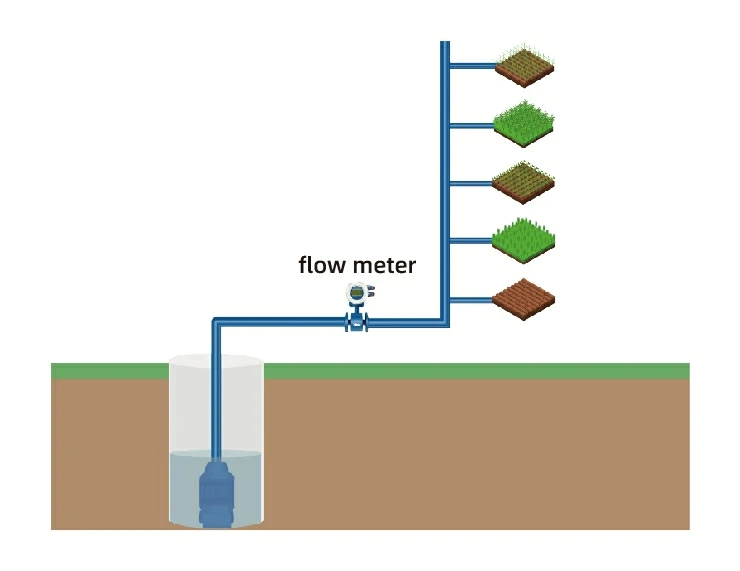
Pipelines are the most common water transportation and irrigation facilities. During transportation, pipelines effectively reduce evaporation and leakage of water resources. Magnetic flowmeters measure accurately discharge flow. It is a crucial action of rational water resource allocation and reasonable water fee collection.
more info...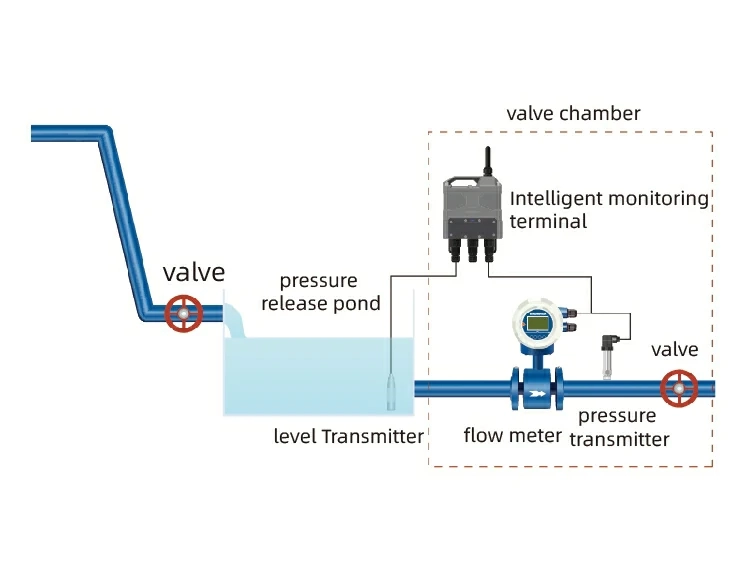
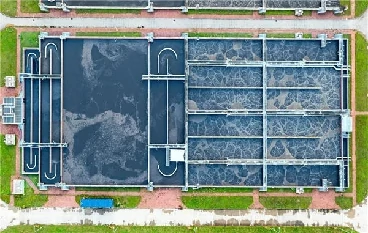
The pressure-release pond can regulate the pressure of the water supply network. It adjusts the pipe network pressure by increasing or decreasing the water volume. The pond maintains the pipelines at a normal level. At various stages of the pressure-release pond, different instruments need to be installed.
more info...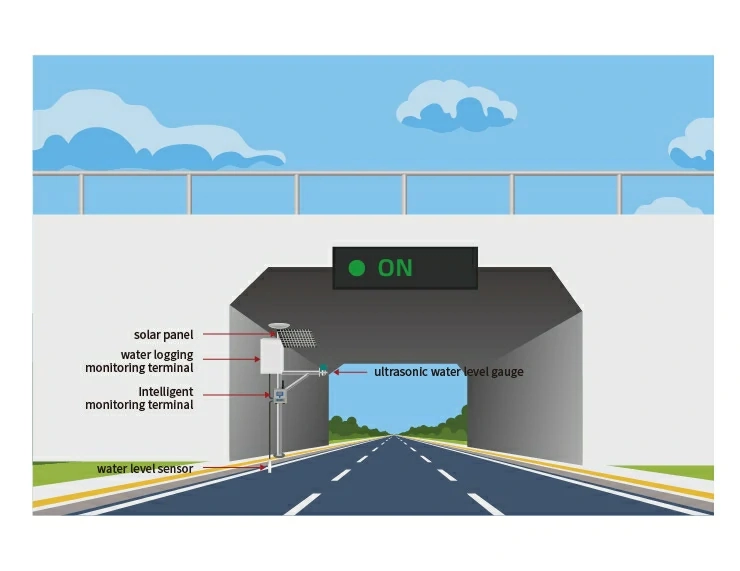
Real-time monitoring the low-ling areas, underpasses and bridge culverts. The current level and alarming messages are automatically displayed on the screen, such as “Passage”, “Allowing”, and “No entering”. The alarm will be triggered when the level is too high, aiming to ensure the personnel's safety.
more info...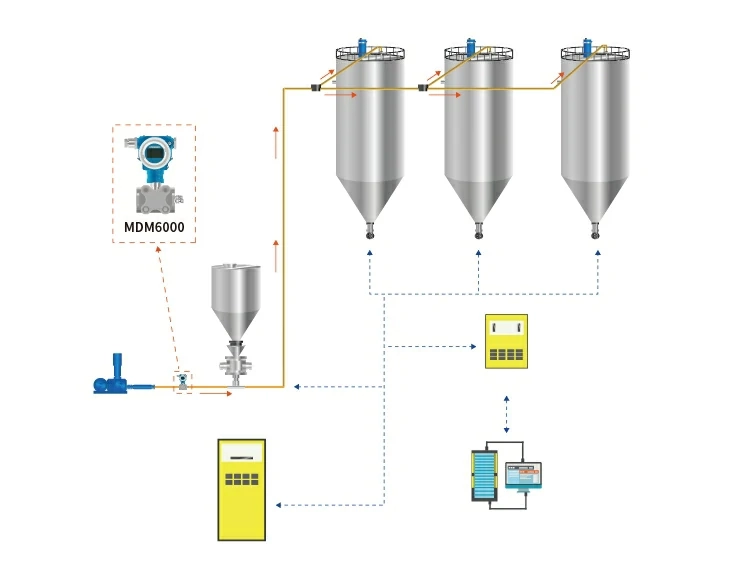
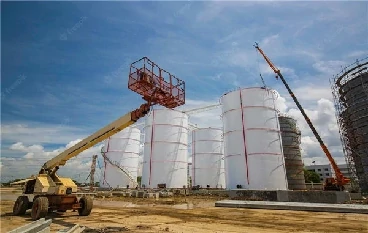
The production of positive and negative electrode materials for lithium cell requires the transmission of powdered materials. The sealed pipelines realize pneumatic transmission of solid powder or particles. However, blockages can occur in the container when conveying materials with large particle sizes, high viscosity, or poor flow ability. Installed pressure transmitters solve this problem. An abnormal pressure alarm will be triggered to identify the location. This facilitates timely repair of the blockage, ensuring normal production and operation.
more info... Copyright © 2026 MICRO SENSOR CO., LTD