





Oil-filled Pressure Sensor
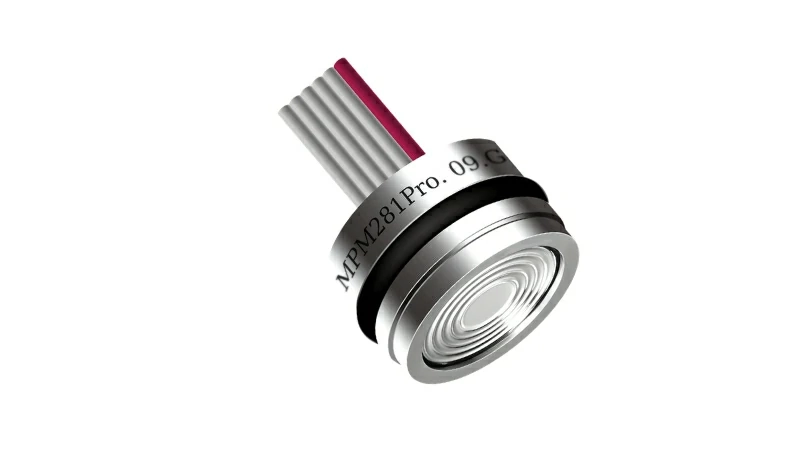
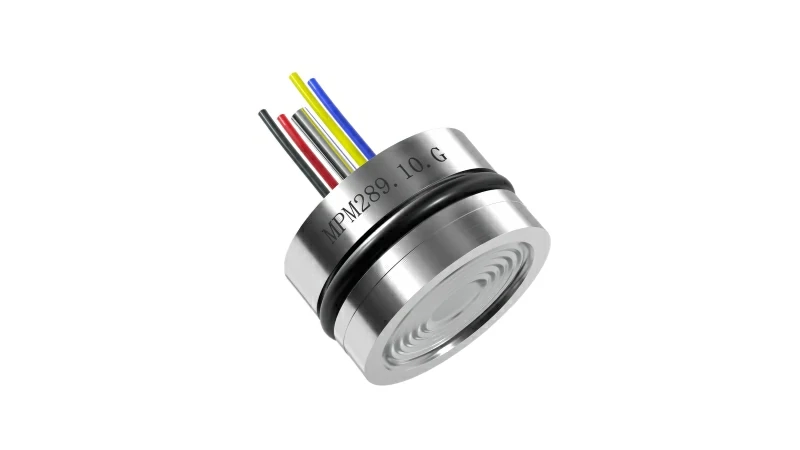
Φ15×10.5mm
0bar~1bar...35bar
0~70℃ Compensated Temp.
New Product Change Notice (PCN) effective Jan 1, 2025. MICROSENSOR appreciate your understanding.

MPM280PD1
Healthcare, Pharmaceuticals, Food & Beverage, Wastewater Treatment
Leave a MessageMPM280PD1
Used For
Healthcare, Pharmaceuticals, Food & Beverage, Wastewater Treatment
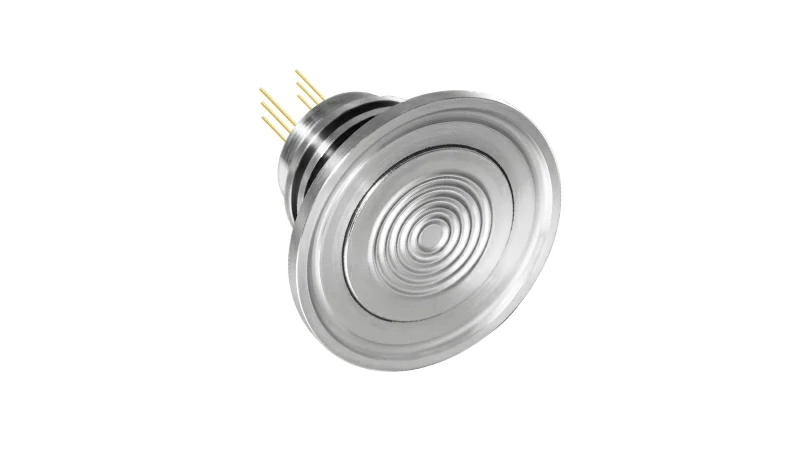
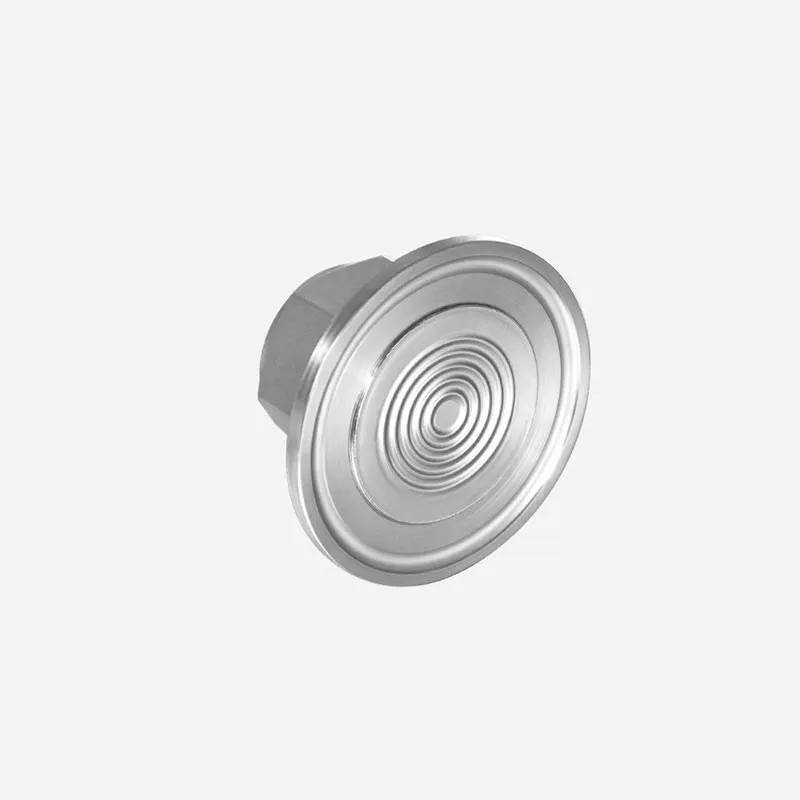
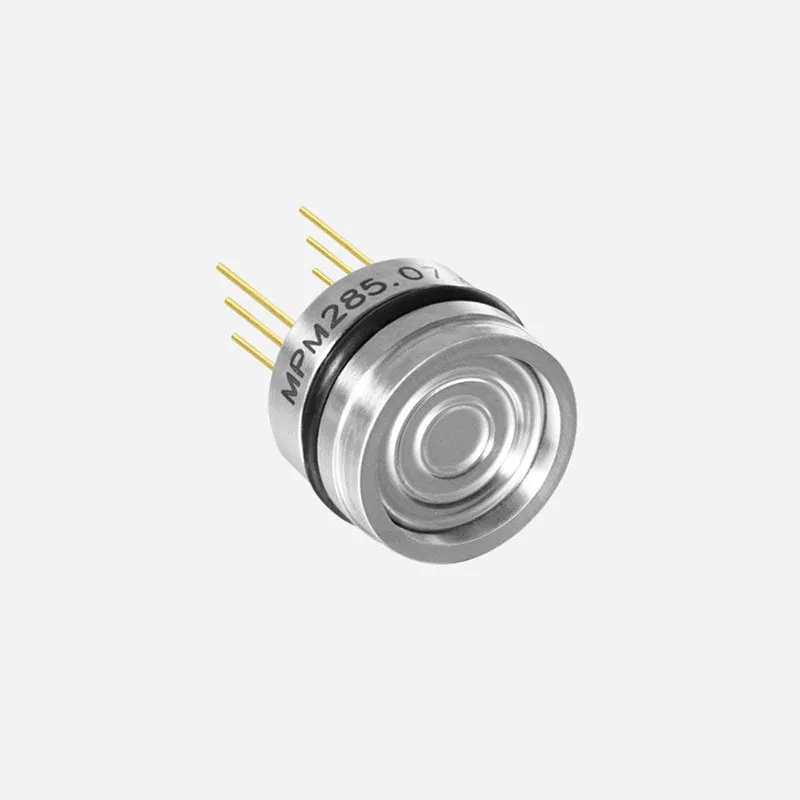
Leave a MessageAs a hygienic pressure sensor and transmitter, the MPM280PD1 piezoresistive silicon pressure sensor is designed for the hygienic applications, with the diaphragm OD32mm which is easier for cleaning. It has isolated construction to measure various fluid media. In addition, a variety of mechanical and electrical configurations are available as standard or customized pressure sensors. This product is available with a choice of constant-current or constant-voltage power supplies.
Electrical Performance
• Power supply: ≤2.0mA DC
• Electrical connection: φ0.5mm Kovar pin or 100mm silicon rubber flexible wires
• Common mode voltage output: 50% of input (typ.)
• Input impedance: 2.5kΩ~8kΩ
• Output impedance: 3.5kΩ~6kΩ
• Response (10%~90%): <1ms
• Insulation resistor: 100MΩ@100V DC
• Overpressure: 2 times FS
Construction Performance
• Diaphragm: Stainless steel 316L
• Housing: Stainless steel 316L
• Pin: Kovar
• O-ring: FKM
• Net weight: ~148g(PD1)
Features
• Pressure range: 0bar ~ 0.35bar…350bar
• Gauge, Absolute and Sealed gauge
• Thread connection pressure:0bar~0.35bar…350bar
• Clamp connection pressure:0bar~0.35bar~35bar
• Hygienic structure optional (Ra<0.4μm)
• Tnegtive pressure measurement is available, the lowest to around -1bar
Image:
As a hygienic pressure sensor and transmitter, the MPM280PD1 piezoresistive silicon pressure sensor is designed for the hygienic applications, with the diaphragm OD32mm which is easier for cleaning. It has isolated construction to measure various fluid media. In addition, a variety of mechanical and electrical configurations are available as standard or customized pressure sensors. This product is available with a choice of constant-current or constant-voltage power supplies.
Electrical Performance
• Power supply: ≤2.0mA DC
• Electrical connection: φ0.5mm Kovar pin or 100mm silicon rubber flexible wires
• Common mode voltage output: 50% of input (typ.)
• Input impedance: 2.5kΩ~8kΩ
• Output impedance: 3.5kΩ~6kΩ
• Response (10%~90%): <1ms
• Insulation resistor: 100MΩ@100V DC
• Overpressure: 2 times FS
Construction Performance
• Diaphragm: Stainless steel 316L
• Housing: Stainless steel 316L
• Pin: Kovar
• O-ring: FKM
• Net weight: ~148g(PD1)
Features
• Pressure range: 0bar ~ 0.35bar…350bar
• Gauge, Absolute and Sealed gauge
• Thread connection pressure:0bar~0.35bar…350bar
• Clamp connection pressure:0bar~0.35bar~35bar
• Hygienic structure optional (Ra<0.4μm)
• Tnegtive pressure measurement is available, the lowest to around -1bar


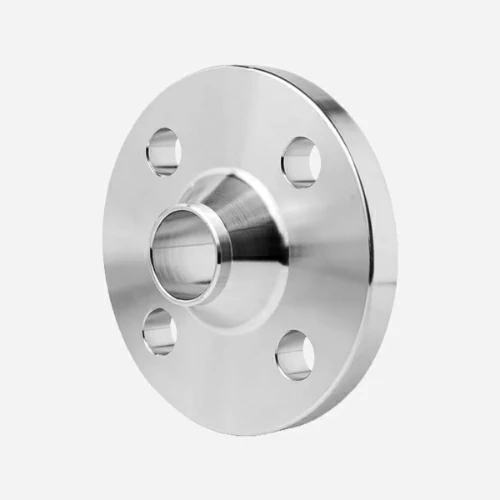
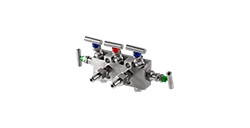
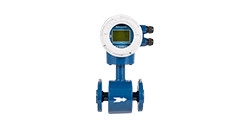
For pipeline equipment connections
Easy assembly and replacements
Types flange for optional
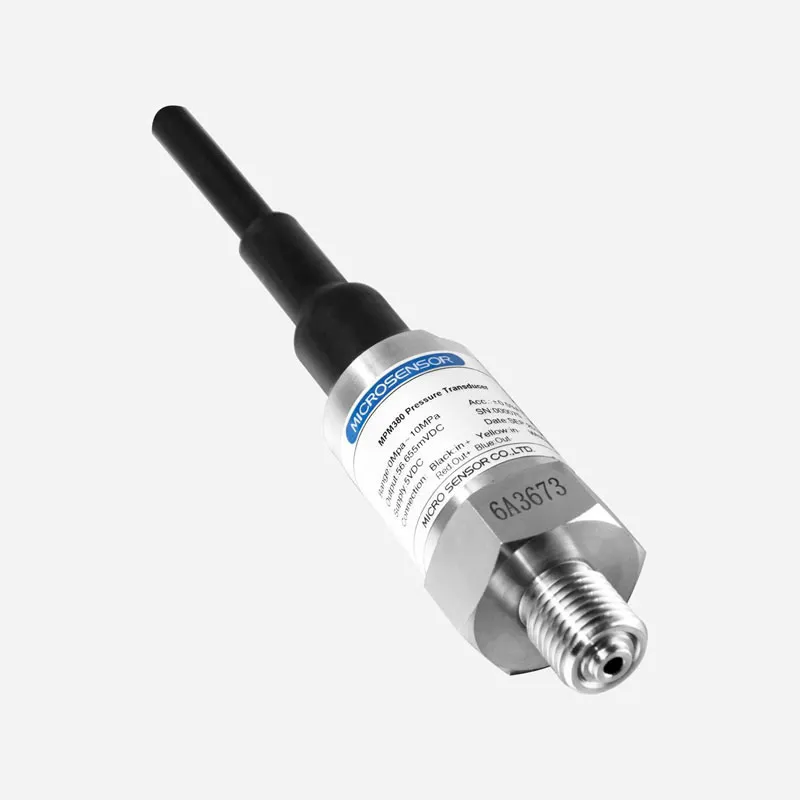
Range:-1bar...0~0.2bar…1000bar
Accuracy: ±0.25%FS (Typ.)
Power Supply: 1.5mADC
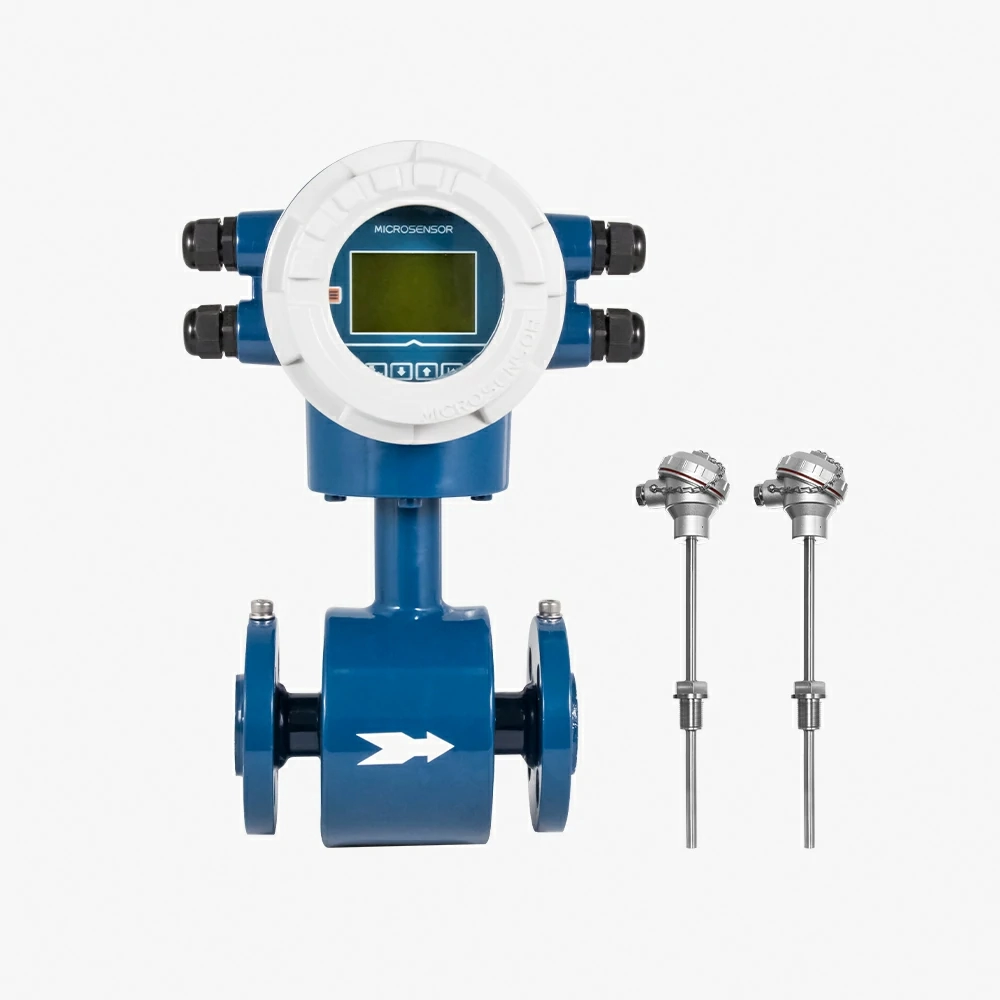
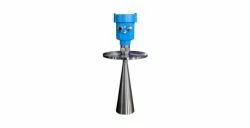
Diameter: DN25 ~ DN400
Structure type: separated type, integrated type
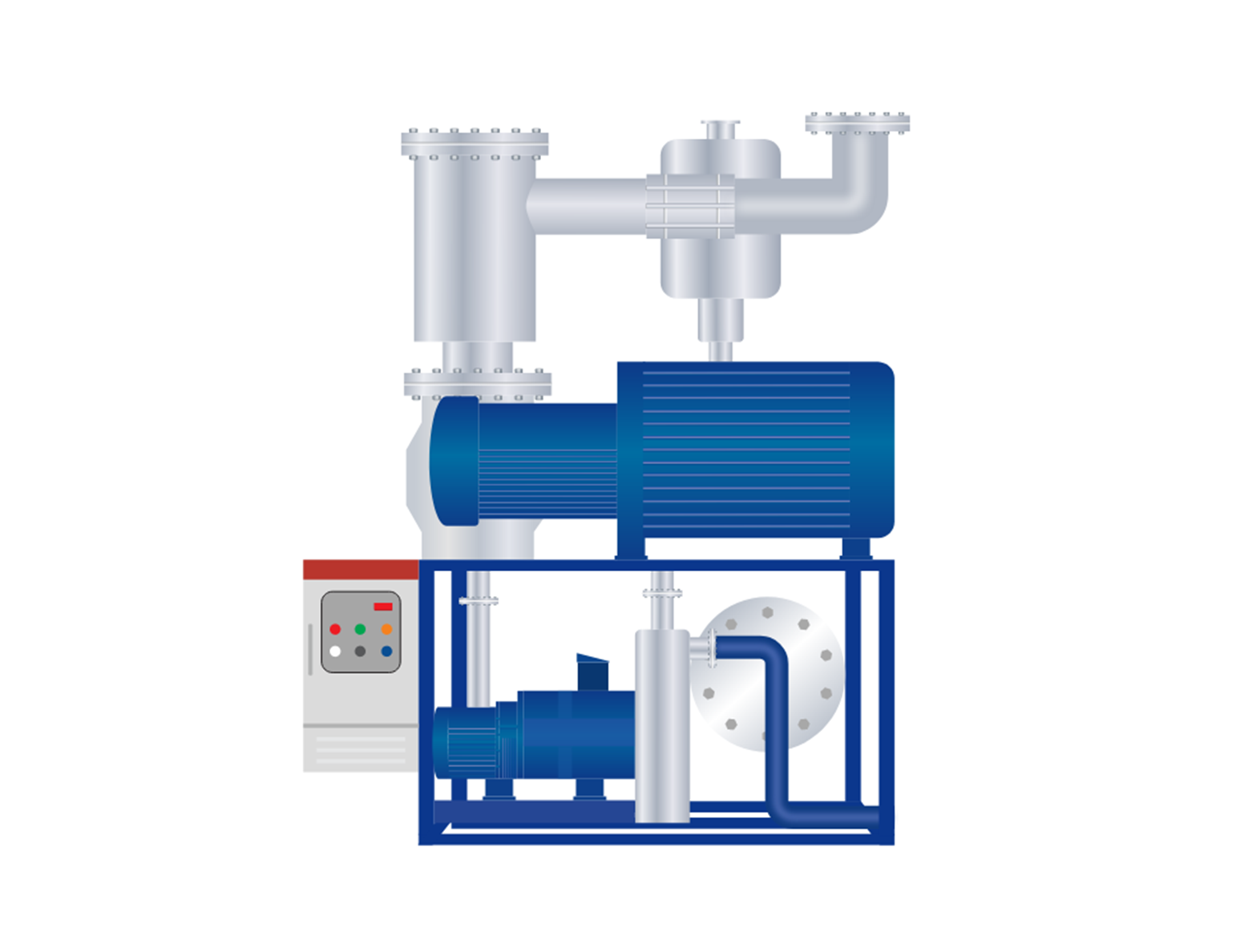
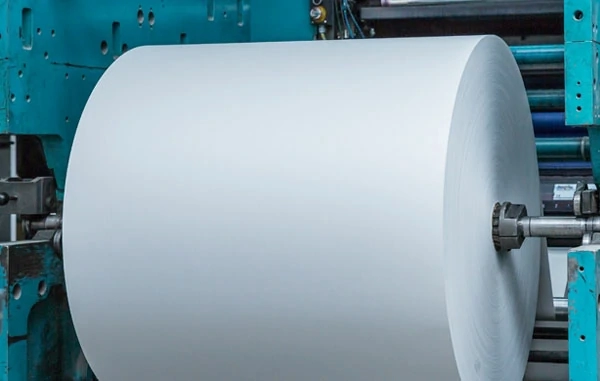
High-speed paper mills use a vacuum system with turbine blowers to facilitate dewatering. The vacuum level, which is controlled by motor speed, must be continuously monitored. In addition, to ensure safe vacuum pump/blower operation, the lubrication status of bearings is maintained by measuring lubricant pressure and reservoir level.
more info...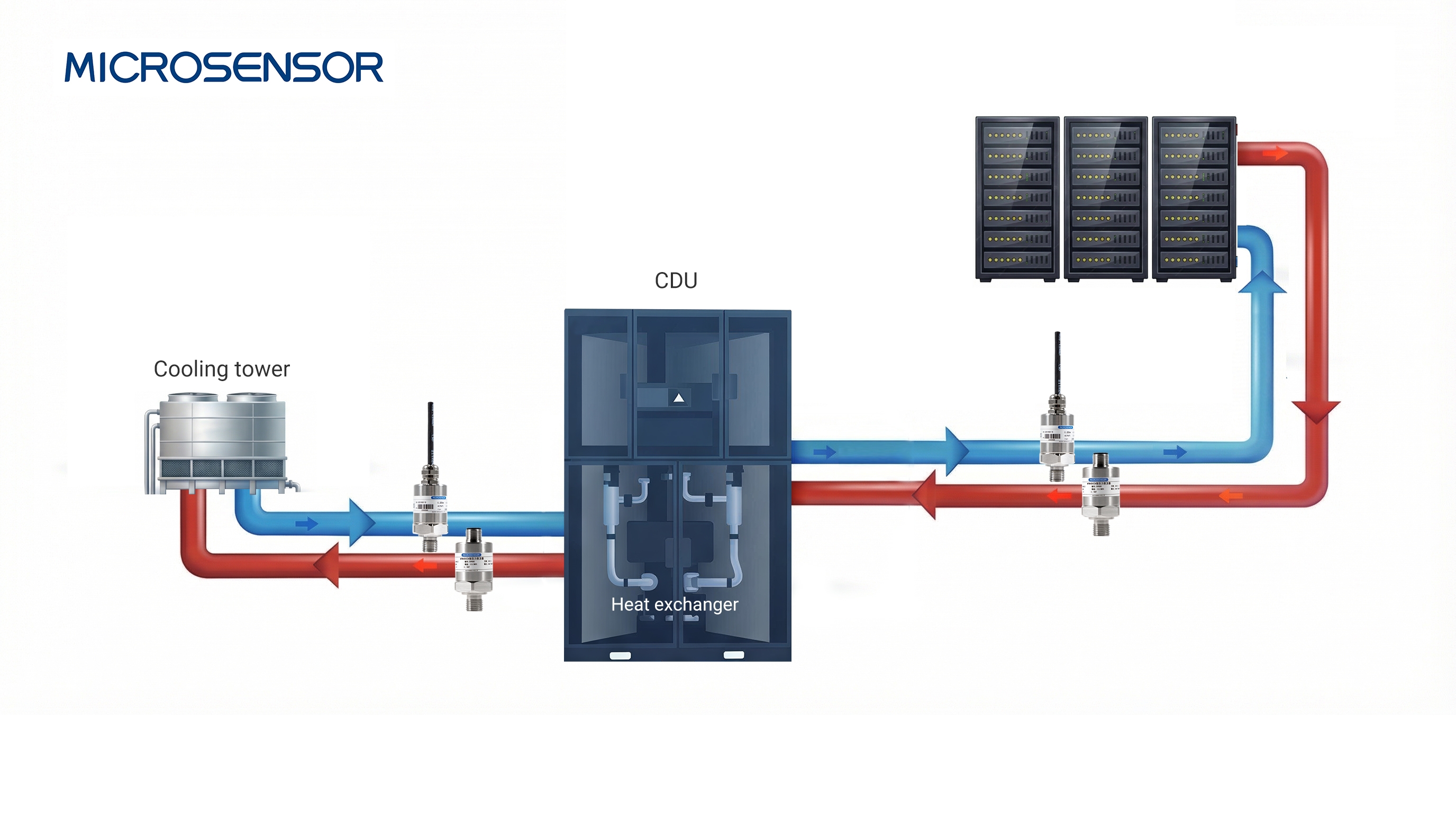
Liquid cooling is widely used in CDU and pressure transmitters are essential o ensure stable and reliable liquid cooling operation in data centers. They monitor supply and return pressure, enabling precise pump control and consistent coolant flow.
more info...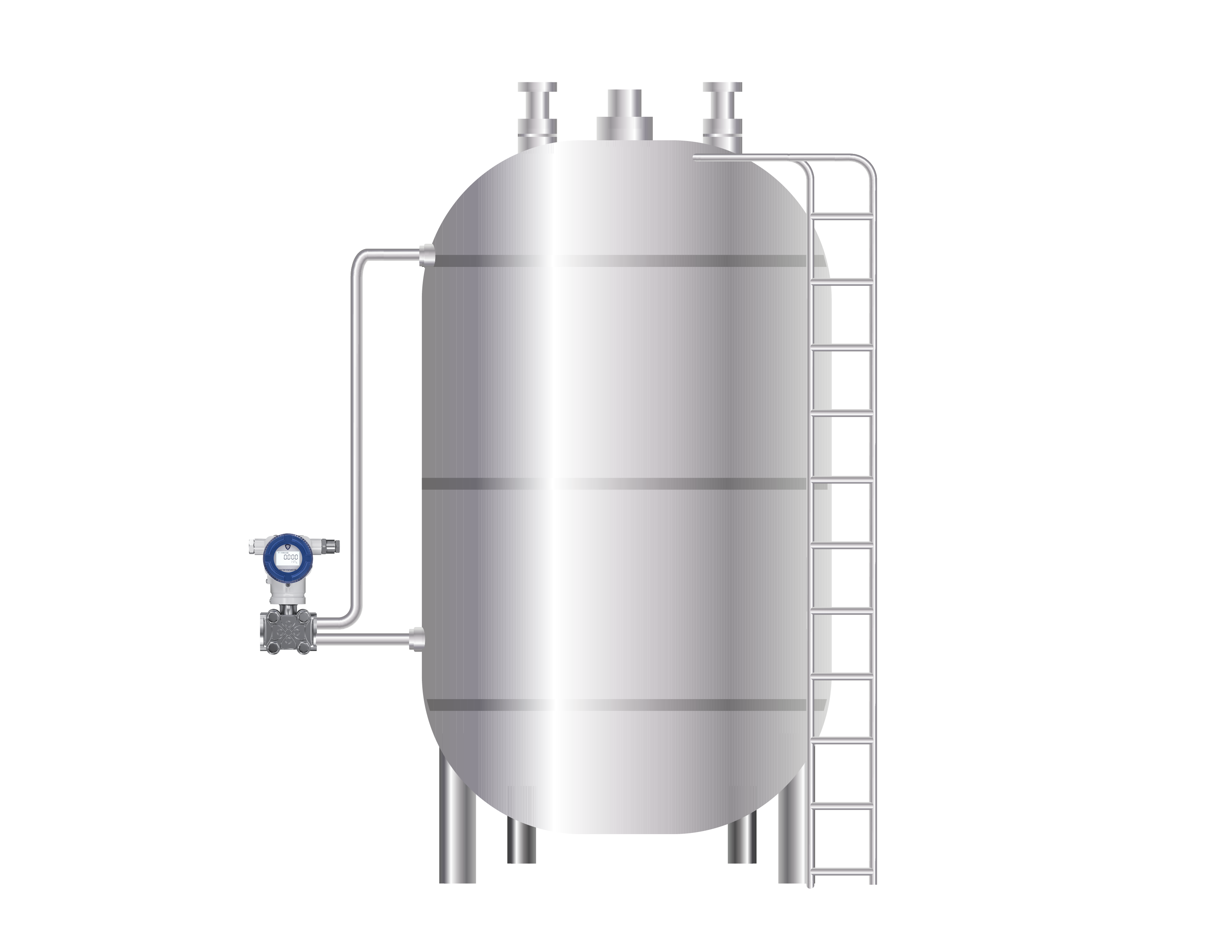
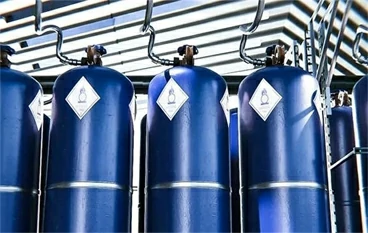
Fluorochemical reactions are often performed under demanding pressure and temperature conditions with highly corrosive media. Reliable pressure measurement is essential for maintaining stable reaction conditions, protecting equipment, and supporting safe operation. Pressure fluctuations caused by temperature changes or chemical reactions can also challenge instrument stability.
more info...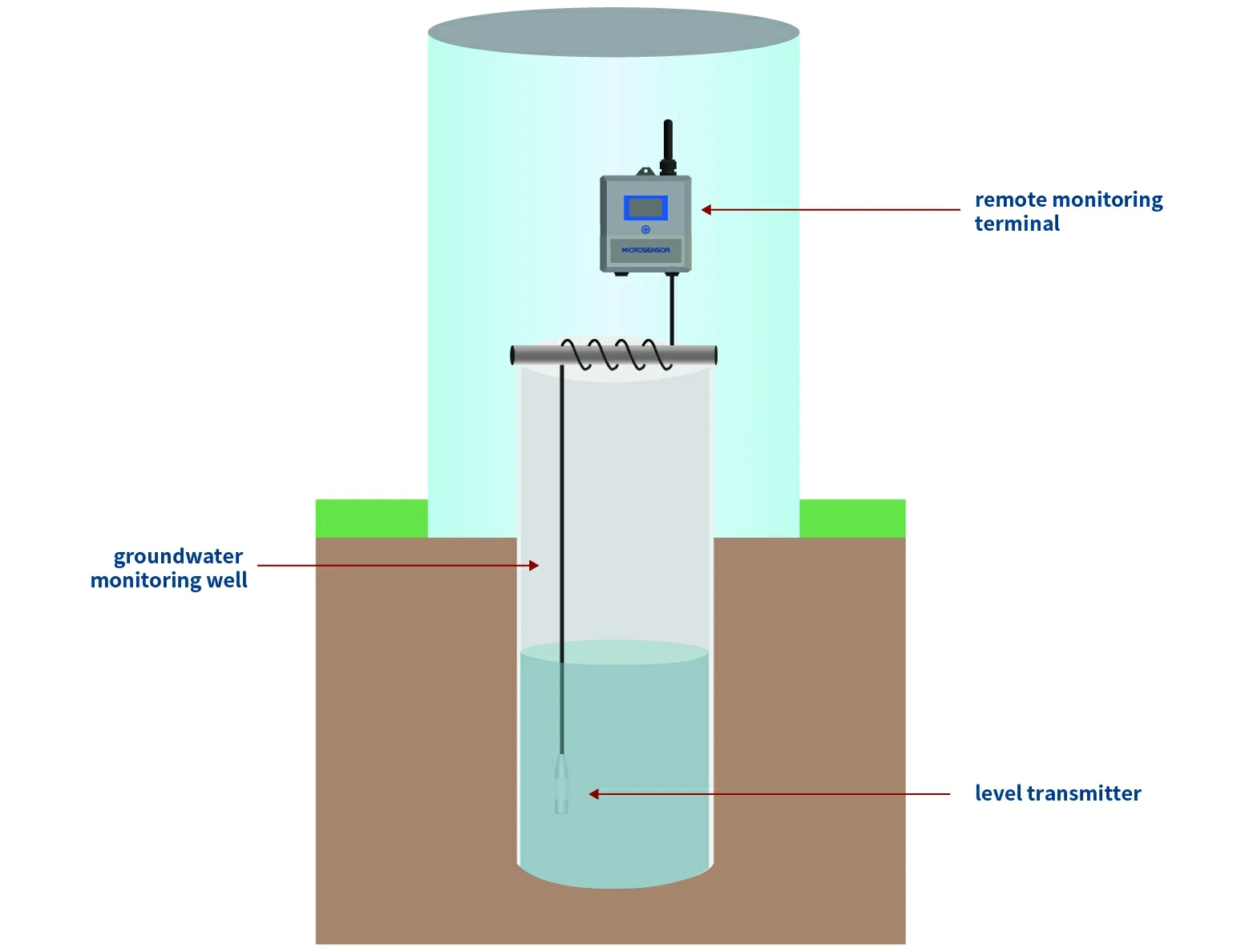
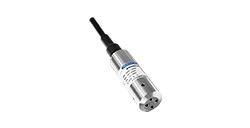
Real-time monitoring of groundwater monitoring wells in the water source area is conducted using monitoring instruments, obtaining data such as water level and flow, thus allowing timely understanding of groundwater resource extraction and usage, providing early warnings, and ensuring the rational use of water resources.
more info... Copyright © 2026 MICRO SENSOR CO., LTD