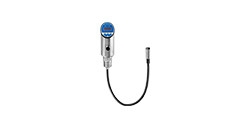
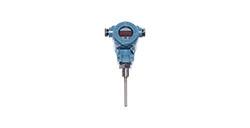
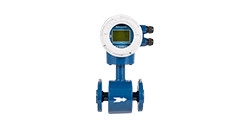
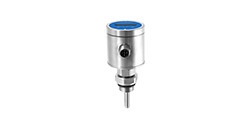






Pressure and Temperature Sensor
Pressure & Temperature dual output
0bar~0.35bar…1000bar
New Product Change Notice (PCN) effective Jan 1, 2025. MICROSENSOR appreciate your understanding.

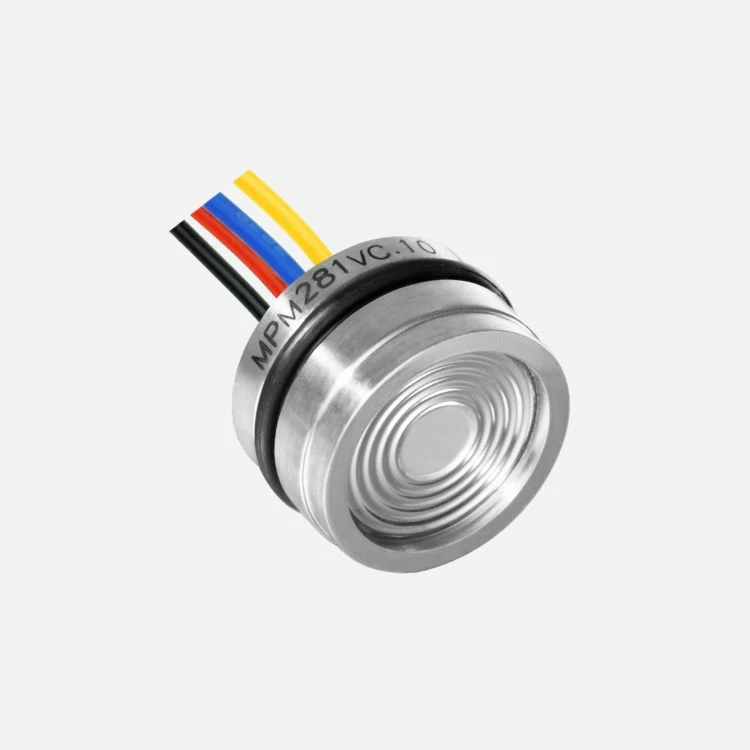
MPM281VC
fluid gas and liquid pressure measurement
Leave a MessageMPM281VC
Used For
fluid gas and liquid pressure measurement
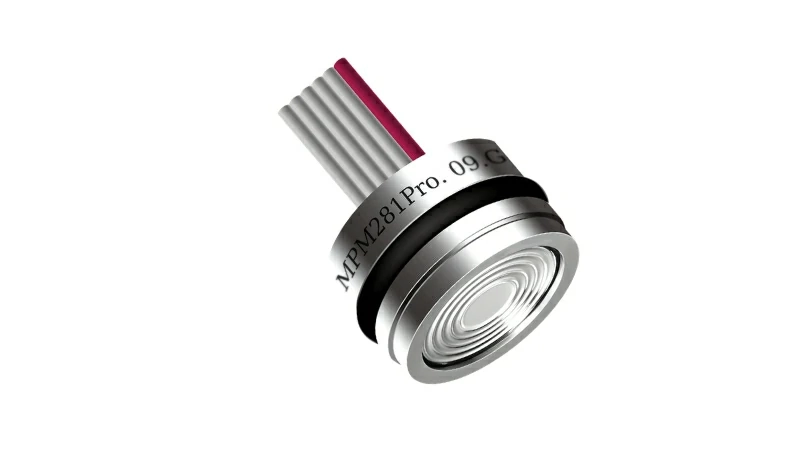
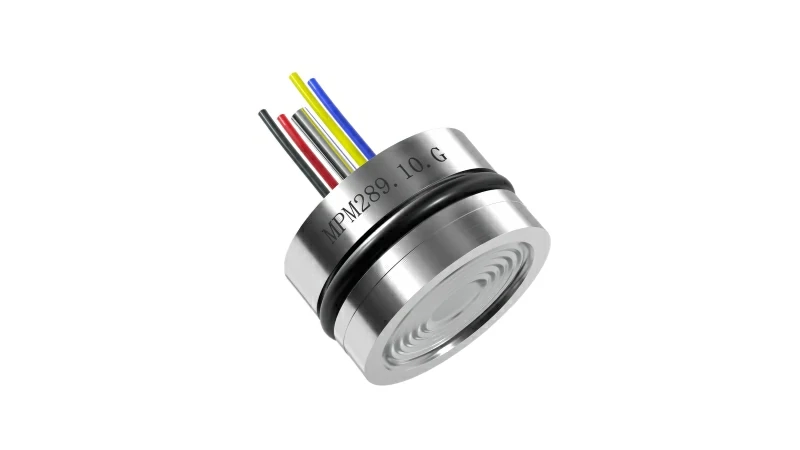
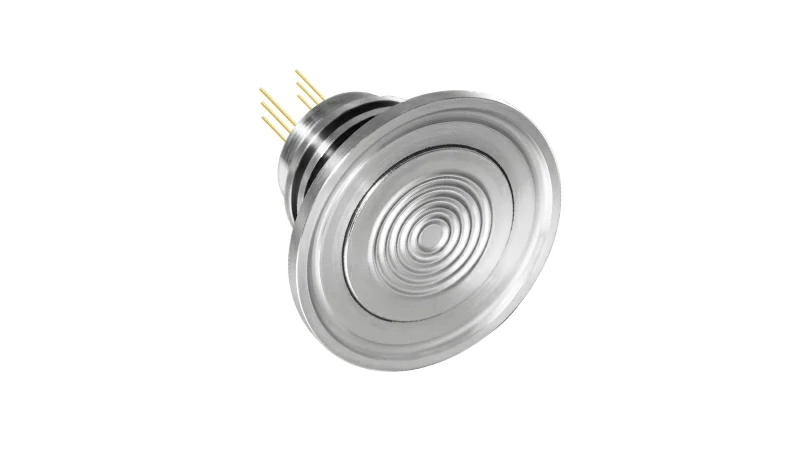
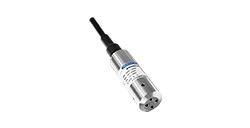
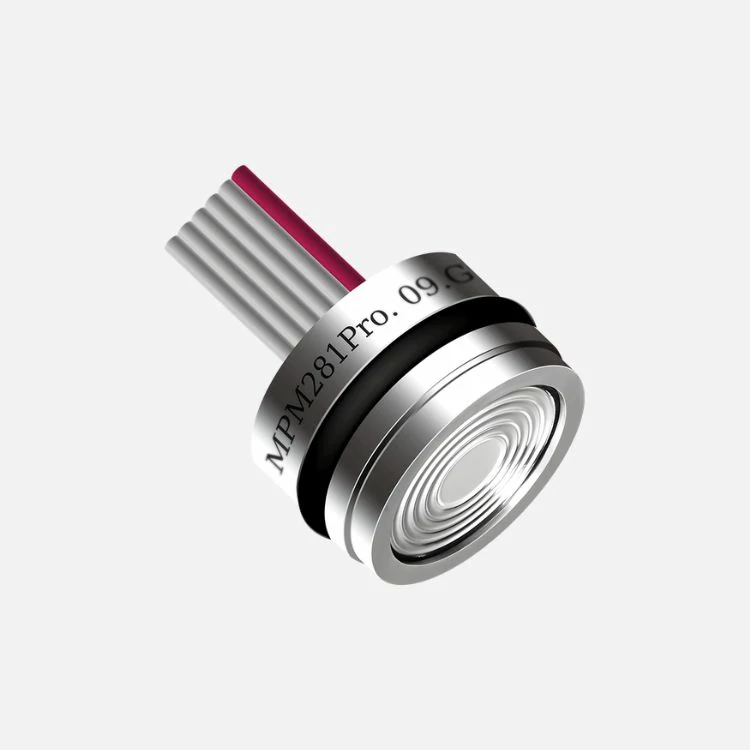
Leave a MessageMPM281VC is a piezoresistive pressure sensor silicon oil-filled. Its stainless steel 316L construction. The pressure sensor has a range of 0bar~0.35 bar…1000bar and gauge sealed gauge and absolute pressure type optional. MPM281VC pressure sensor has general dimensions by exciting with constant voltage 10VDC power supply and outputs a normalized signal 100+/2mV. It is very convenient for customers to make temperature compensation and amplify to a standard analog or digital output.
Samll size meet the requirement of installation with limited space. Custom design is available. It is very convenient for customers to make temperature compensation and amplify to a standard analog or digital output. The gas pressure transducer is suitable for fluid pressure measurement, such as gas, water, oil, etc.
Specification
• Dia: Φ19mm
• Power supply: ≤10V DC
• Pressure range 0bar~0.35bar…1000bar
• Housing: Stainless steel 316L
• Pin: Silicon rubber flexible wires
• O-ring: FKM
Image:
MPM281VC is a piezoresistive pressure sensor silicon oil-filled. Its stainless steel 316L construction. The pressure sensor has a range of 0bar~0.35 bar…1000bar and gauge sealed gauge and absolute pressure type optional. MPM281VC pressure sensor has general dimensions by exciting with constant voltage 10VDC power supply and outputs a normalized signal 100+/2mV. It is very convenient for customers to make temperature compensation and amplify to a standard analog or digital output.
Samll size meet the requirement of installation with limited space. Custom design is available. It is very convenient for customers to make temperature compensation and amplify to a standard analog or digital output. The gas pressure transducer is suitable for fluid pressure measurement, such as gas, water, oil, etc.
Specification
• Dia: Φ19mm
• Power supply: ≤10V DC
• Pressure range 0bar~0.35bar…1000bar
• Housing: Stainless steel 316L
• Pin: Silicon rubber flexible wires
• O-ring: FKM


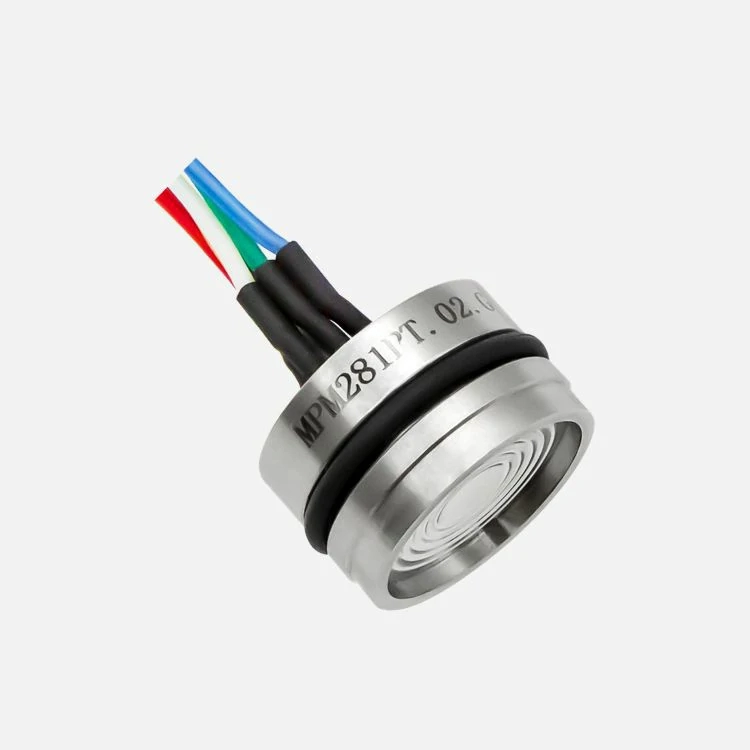
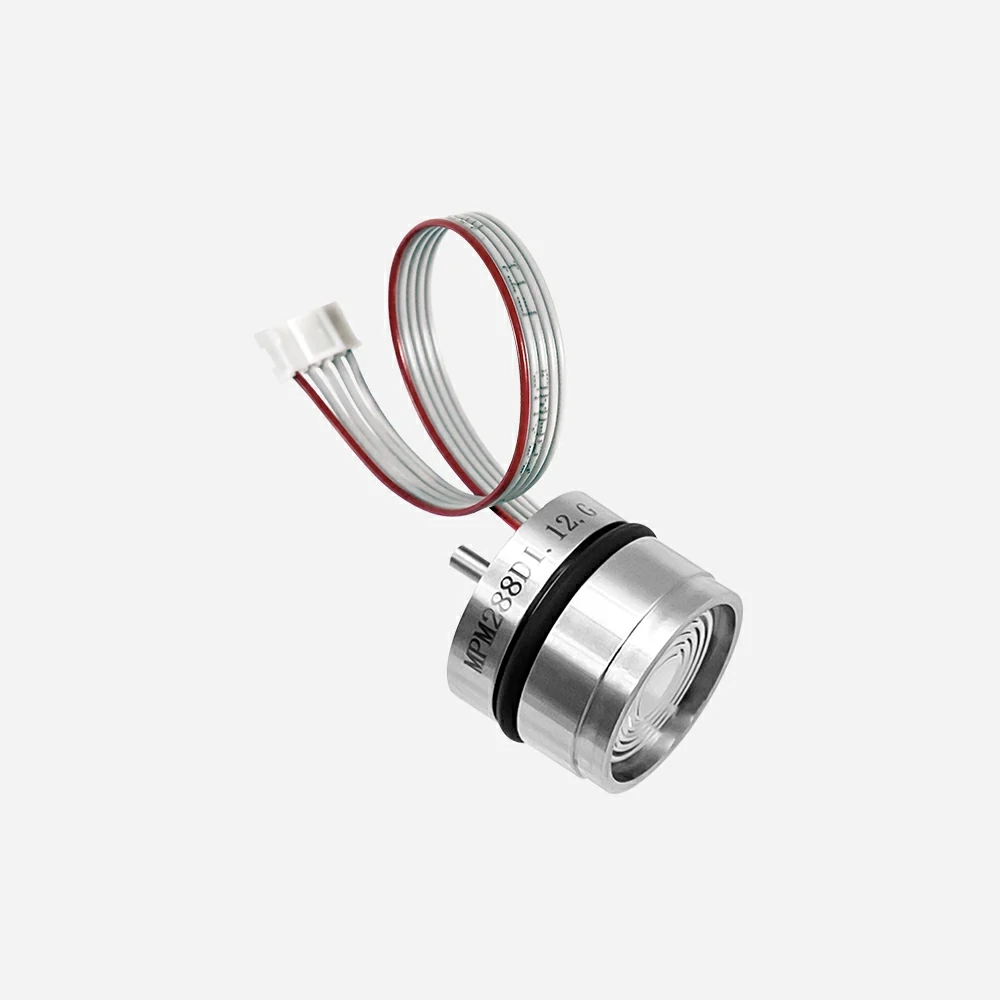
Range: -1bar…0bar~0.35bar…35bar
Output signal: Digital I²C (pressure, temperature)
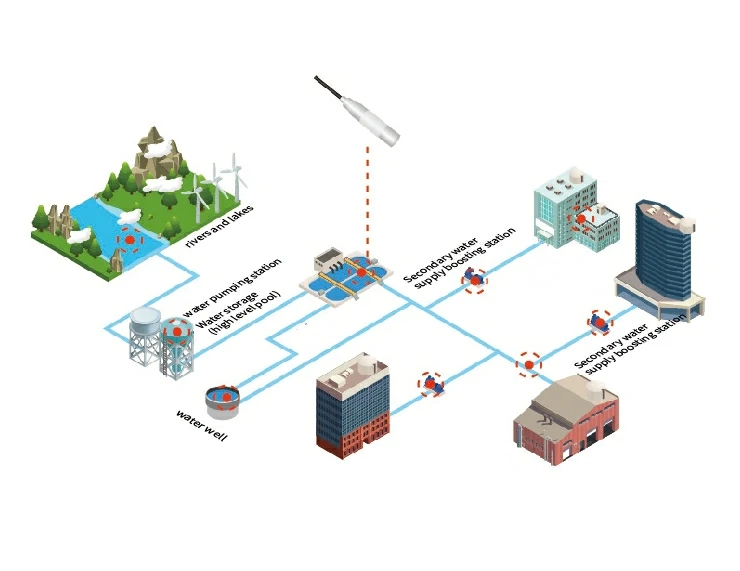
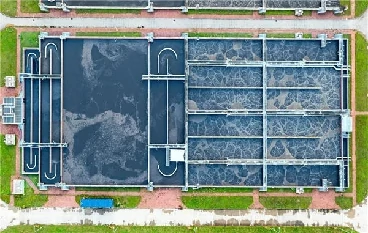
Monitoring the pressure, flow and other specifications of the entire pipe network by installing the monitoring device in water supply pipe network well contributes to scientifically scheduling water supply and ensuring the stable operation of the water supply system.
more info...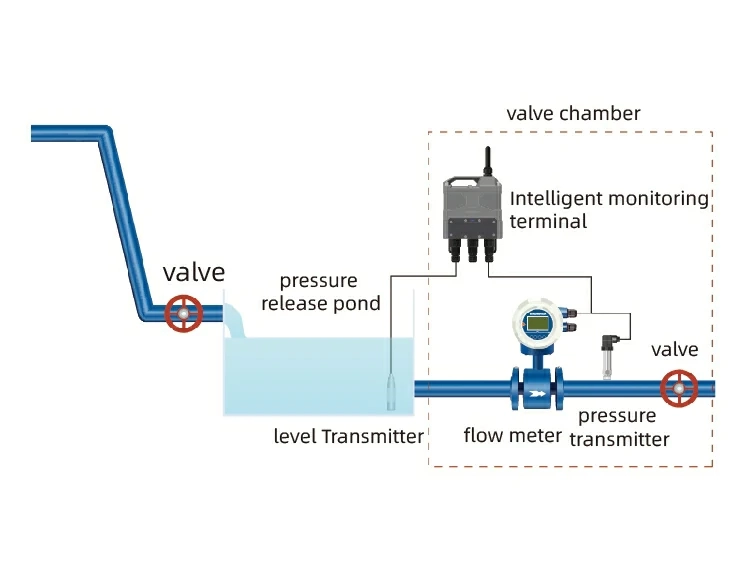
The pressure-release pond can regulate the pressure of the water supply network. It adjusts the pipe network pressure by increasing or decreasing the water volume. The pond maintains the pipelines at a normal level. At various stages of the pressure-release pond, different instruments need to be installed.
more info...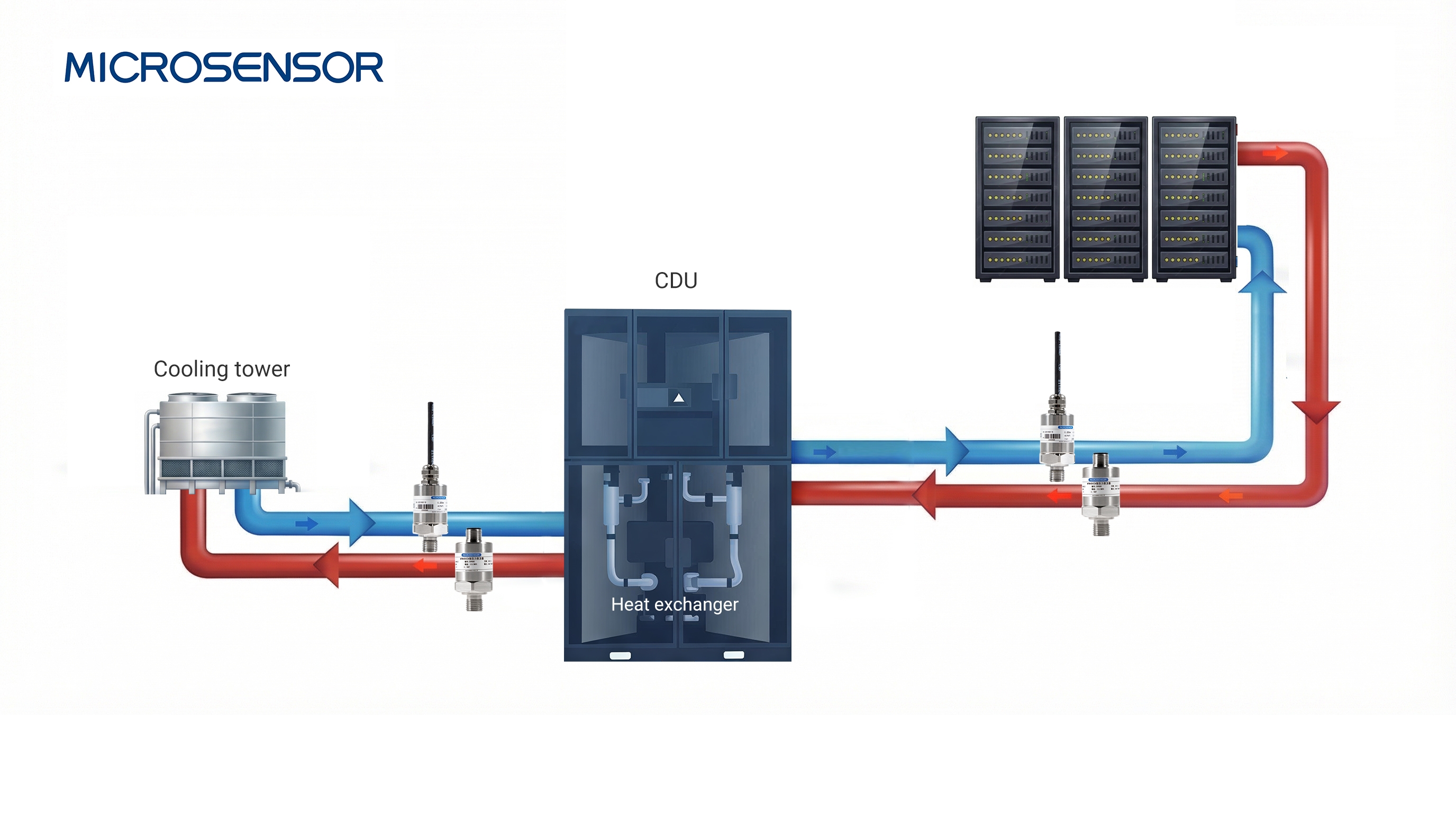
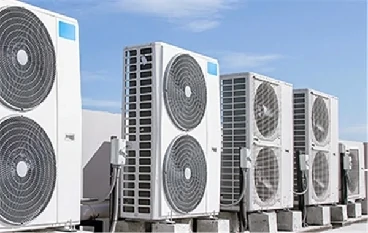
Liquid cooling is widely used in CDU and pressure transmitters are essential o ensure stable and reliable liquid cooling operation in data centers. They monitor supply and return pressure, enabling precise pump control and consistent coolant flow.
more info...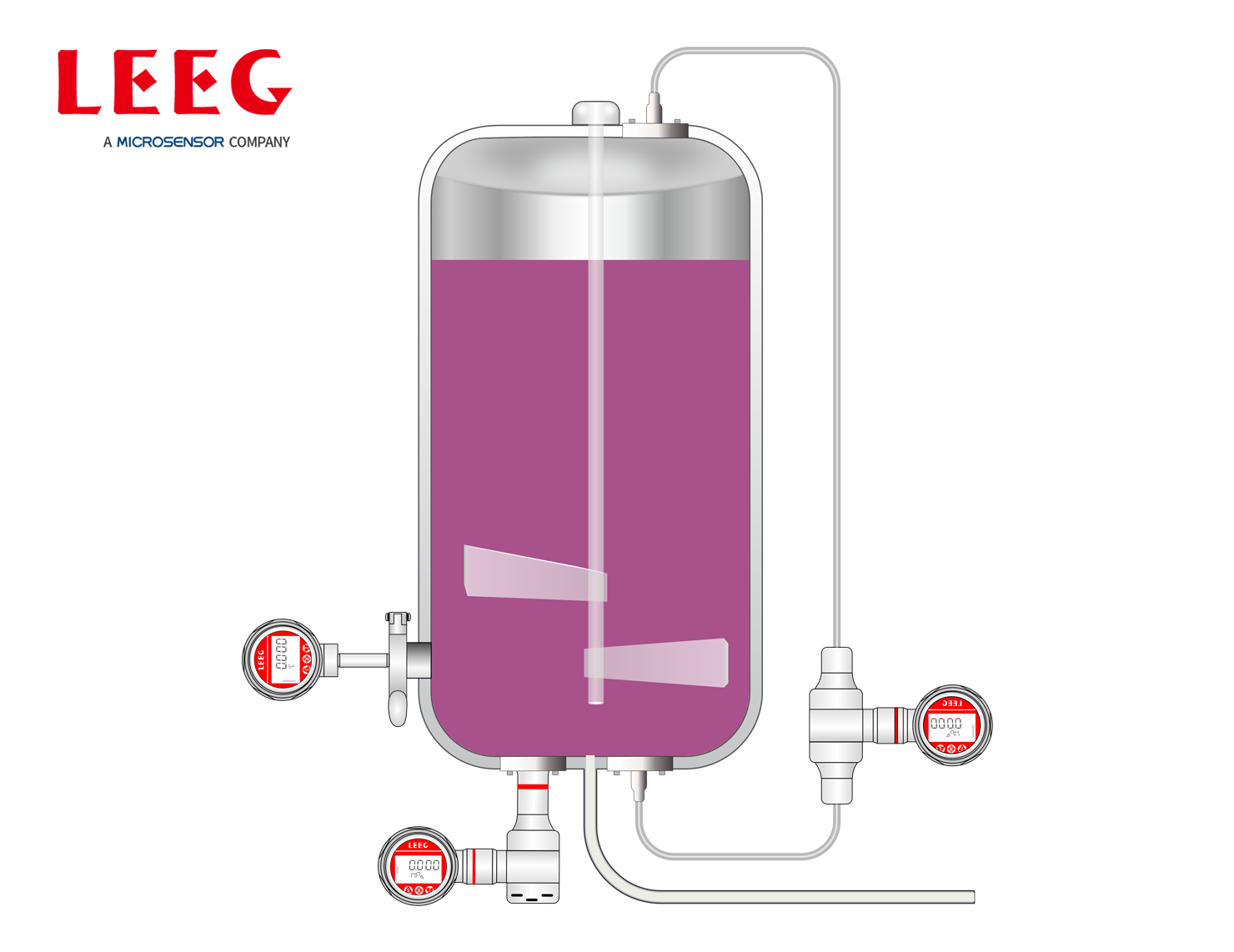
In beverage storage tanks, the role of the liquid level transmitter is to monitor the material inventory in real time by measuring the liquid level height of milk or beverages in the tank; the temperature transmitter measures the temperature of the material in the tank to ensure that it is within the appropriate storage and processing temperature range, preventing deterioration due to excessively high temperature or affecting the taste of the product due to excessively low temperature.
more info... Copyright © 2026 MICRO SENSOR CO., LTD