
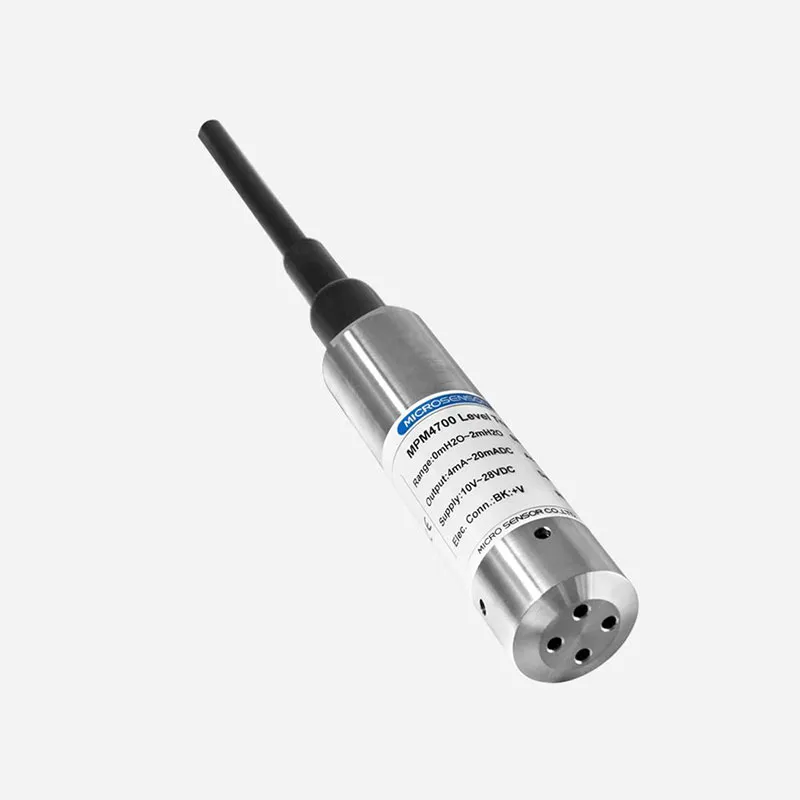

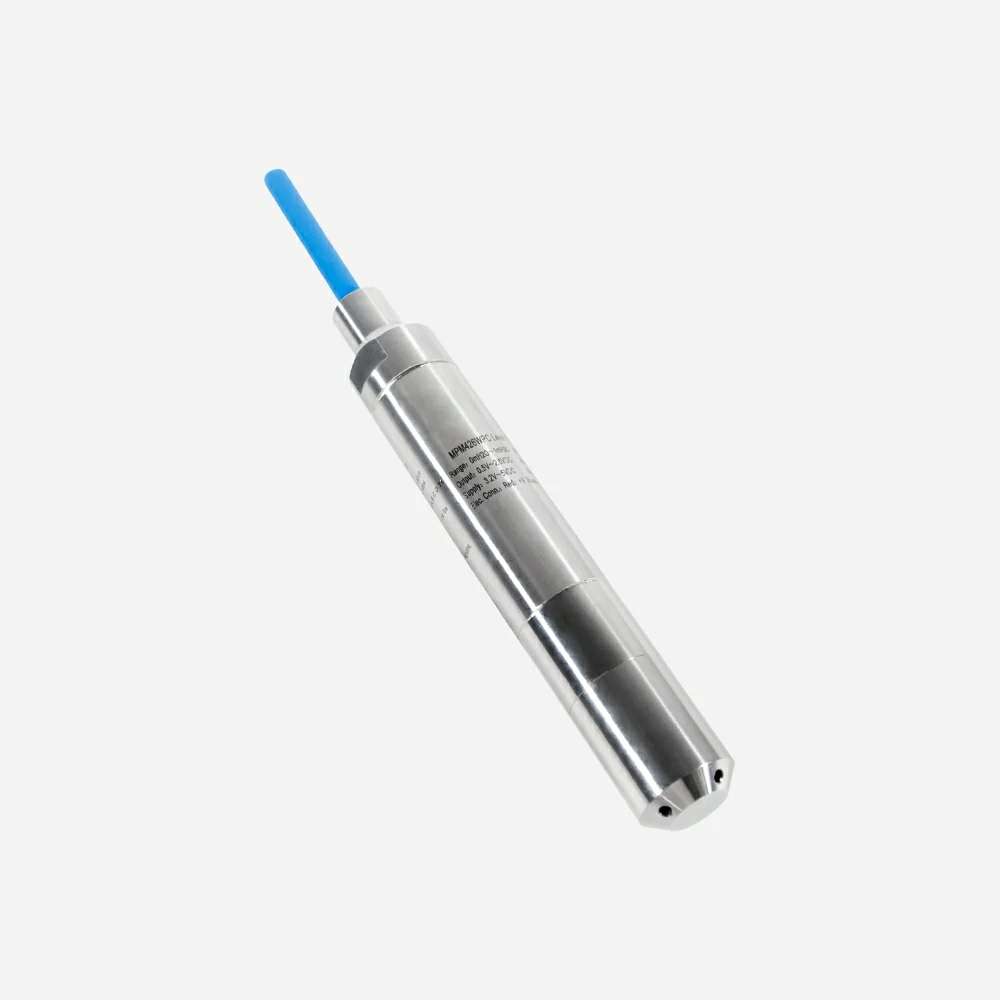
Submersible Level Transmitter
Φ26mm
0m~1m…200m H2O
Accuracy: ±0.25%FS, ±0.5%FS, ±1%FS
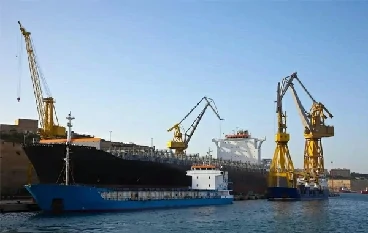
DNV approved for installation on all vessels
ATEX Certificated
New Product Change Notice (PCN) effective Jan 1, 2025. MICROSENSOR appreciate your understanding.

MPM4700
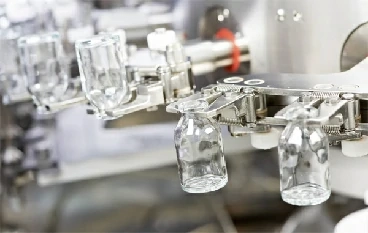
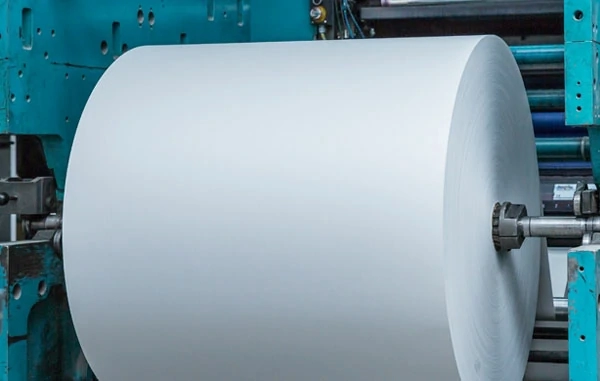
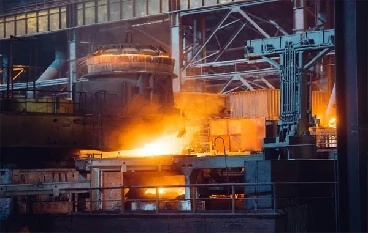
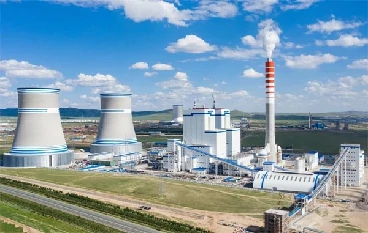
Pharmaceutical and Metallurgical Industries, Power Generation and Mining Industry, Urban Water Supply and Drainage
Leave a MessageMPM4700
Used For
Pharmaceutical and Metallurgical Industries, Power Generation and Mining Industry, Urban Water Supply and Drainage
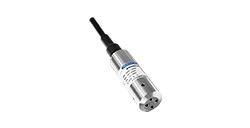
Leave a MessageMPM4700 Intelligent Level Transmitter is a two-wire liquid level measurement sensor with RS485 communication interface or HART communication protocol. This digital level sensor can be directly thrown into liquid for long-term use. MPM4700 adopts precision digital temperature compensation technology and nonlinear correction technology. The integrated structure provides convenience for on-site installation and use. It has obtained ROHS certification and complies with CCS requirements.
The MPM4700 pressure level transmitter provides precise and reliable level measurements for a wide range of tanks, silos, and vessels.
Feature
• Integrated fully sealed structure resistant to harsh environments
• Compatible with various output signals and communication protocols
• 0m~200m wide level measurement range
• CE, RoHS, CCS, and DNV approved
Specifications
• Range: 0mH2O ~ 1mH2O…200mH2O
• Overpressure: ≤2 times FS
• Pressure Type: gauge, absolute
• Accuracy: ±0.1%FS, ±0.25%FS, ±0.5%FS
• Long-term Stability: ≤ ±0.2% FS/ year
• Compensated Temperature: -10℃ ~ 70℃
• Application Temperature:
-20℃ ~ 60℃ (Intrinsic safety type)
-20℃ ~ 70℃ (cable material: PE, PVC)
-20℃ ~ 80℃ (cable material: PUR)
Image:
MPM4700 Intelligent Level Transmitter is a two-wire liquid level measurement sensor with RS485 communication interface or HART communication protocol. This digital level sensor can be directly thrown into liquid for long-term use. MPM4700 adopts precision digital temperature compensation technology and nonlinear correction technology. The integrated structure provides convenience for on-site installation and use. It has obtained ROHS certification and complies with CCS requirements.
The MPM4700 pressure level transmitter provides precise and reliable level measurements for a wide range of tanks, silos, and vessels.
Feature
• Integrated fully sealed structure resistant to harsh environments
• Compatible with various output signals and communication protocols
• 0m~200m wide level measurement range
• CE, RoHS, CCS, and DNV approved
Specifications
• Range: 0mH2O ~ 1mH2O…200mH2O
• Overpressure: ≤2 times FS
• Pressure Type: gauge, absolute
• Accuracy: ±0.1%FS, ±0.25%FS, ±0.5%FS
• Long-term Stability: ≤ ±0.2% FS/ year
• Compensated Temperature: -10℃ ~ 70℃
• Application Temperature:
-20℃ ~ 60℃ (Intrinsic safety type)
-20℃ ~ 70℃ (cable material: PE, PVC)
-20℃ ~ 80℃ (cable material: PUR)


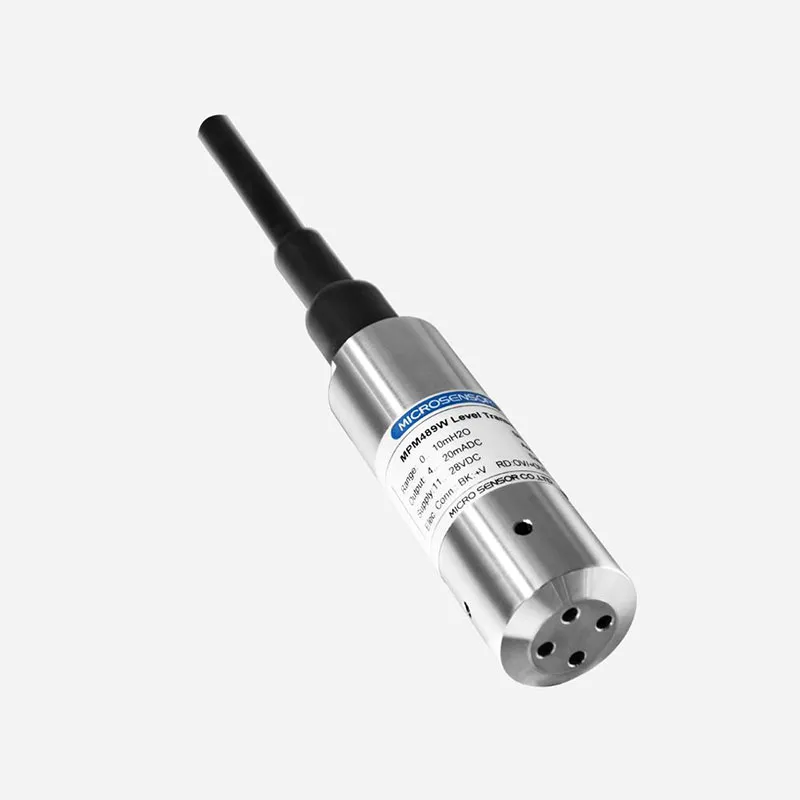
Φ26mm
0m~1m…200m H2O
Accuracy: ±0.25%FS, ±0.5%FS, ±1%FS
DNV approved for installation on all vessels
ATEX Certificated
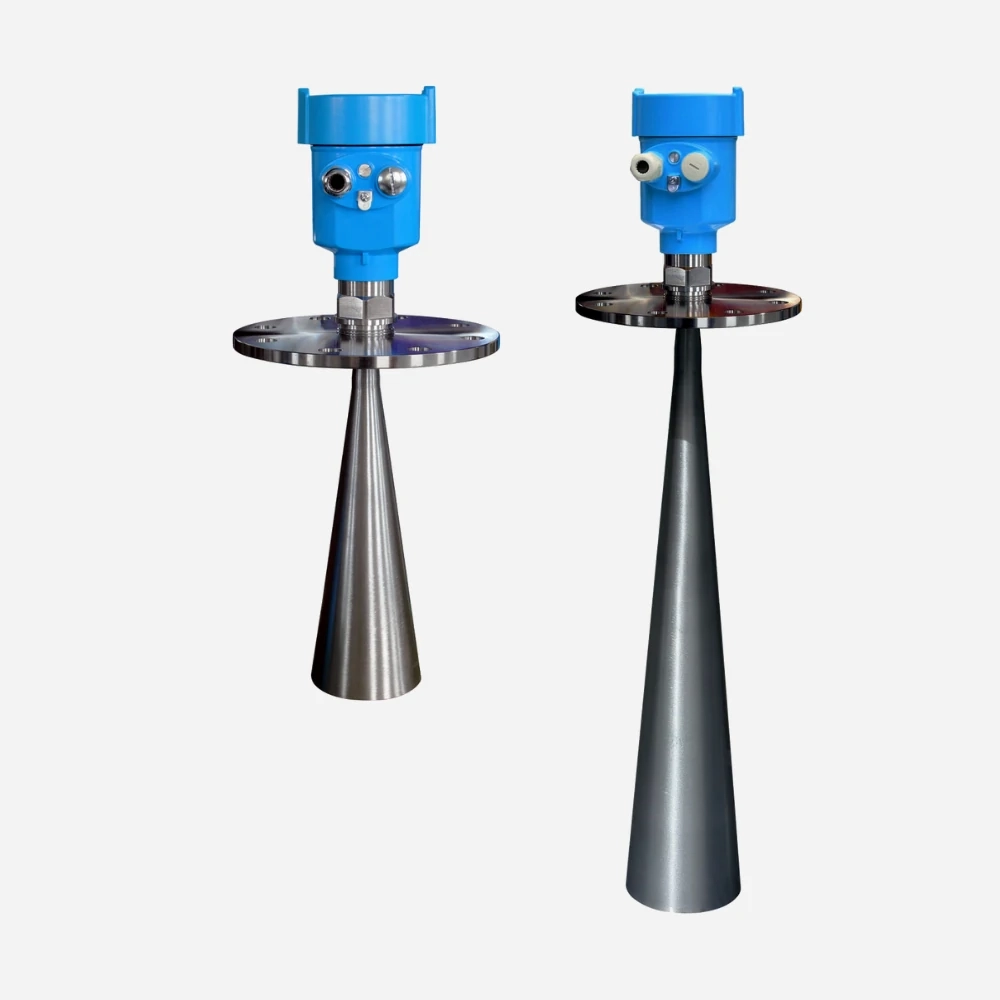
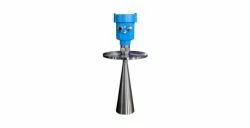
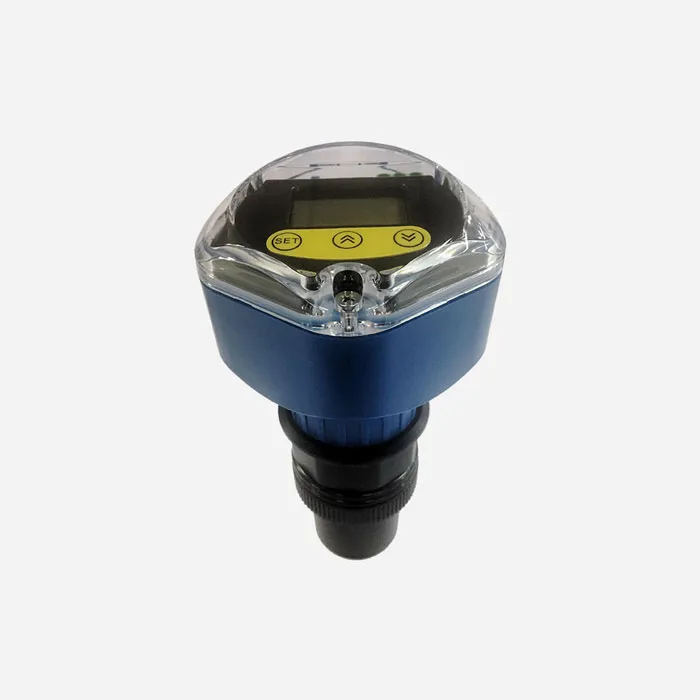
Contactless Level Measurement
Measuring range: 0m~70m
Measured media: Solid, Liquid
Level measurement: 0mH2O~2mH2O…200mH2O
Pressure measurement: 0mabr~200mabr...350bar
Outputs: 4mA~20mA, 1V~5V, 0.5V~4.5V...RS485-Modbus, etc.
CCS, ABS, DNV approved for ship use
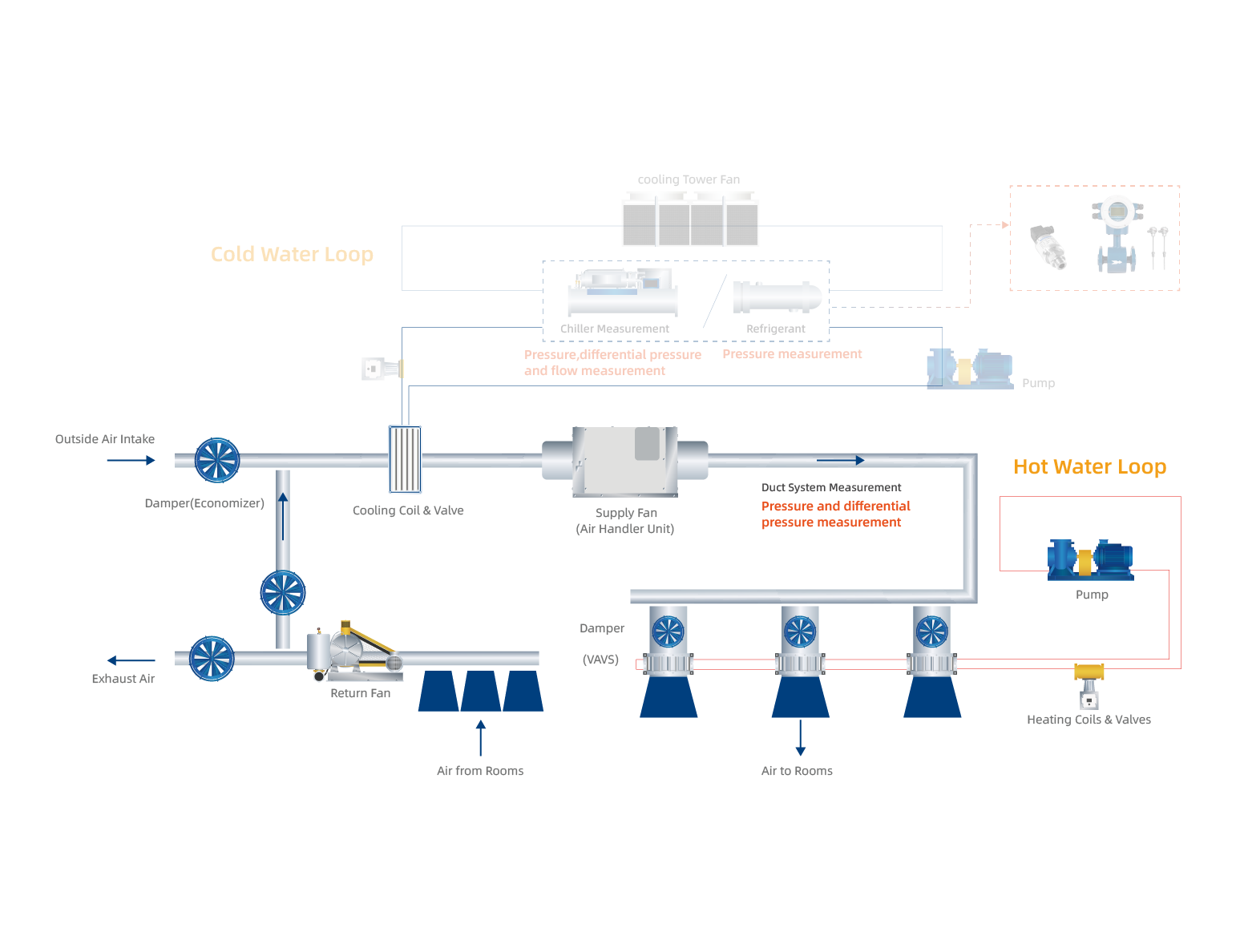
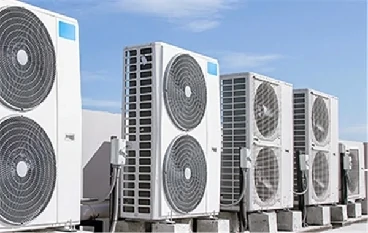
In HVAC duct systems, pressure measurement is crucial for maintaining optimal airflow. Pressure transmitters monitor air pressure to ensure efficient ventilation and proper air distribution. Accurate pressure data helps detect blockages, leaks, and maintain system balance, ensuring a comfortable and safe indoor environment.
more info...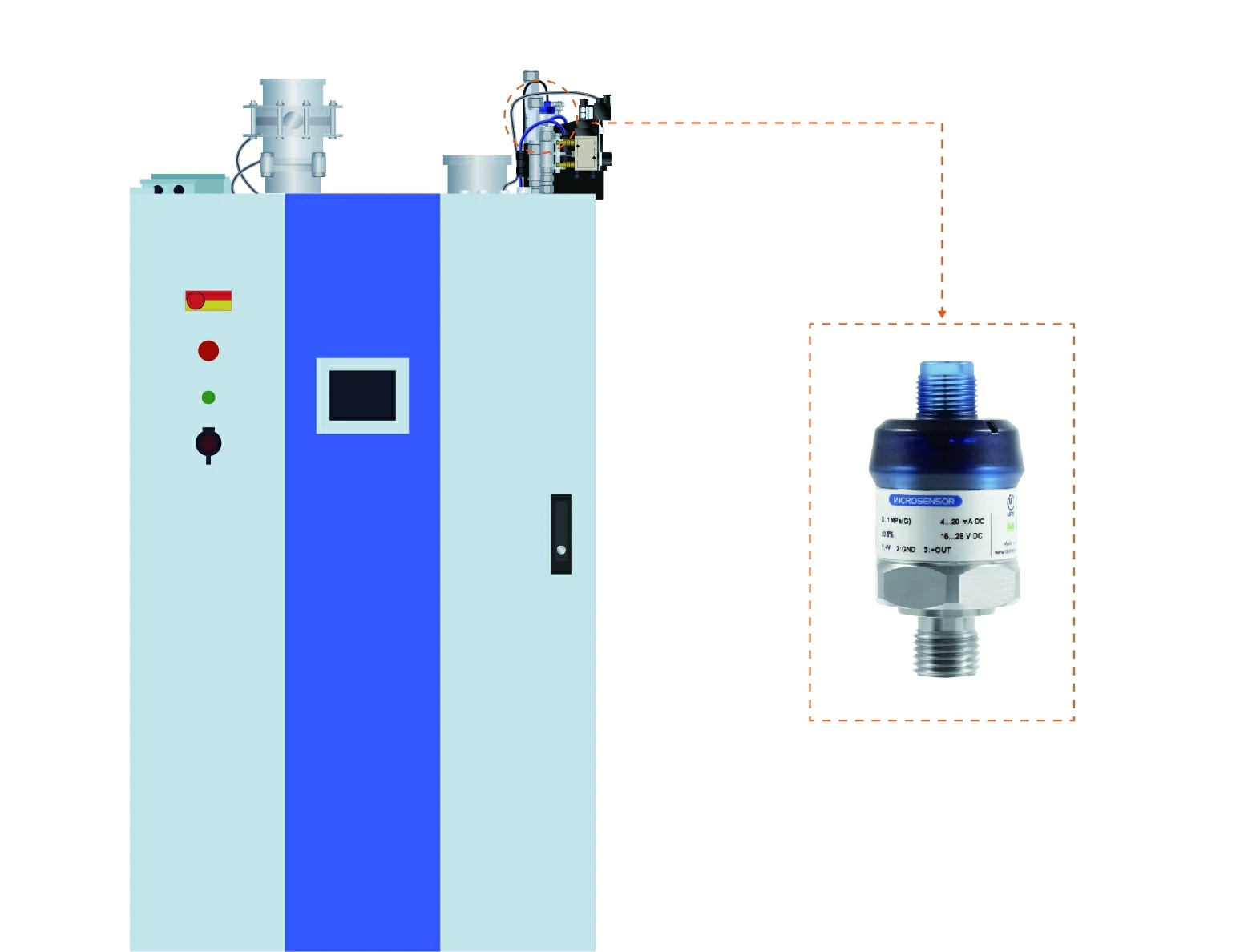
The plasma in a plasma cleaning machine is a state of matter, usually composed of process gases. Therefore, specially designed pressure transmitters must be installed in the relevant gas circuits of the plasma cleaning system to monitor and provide feedback on production data.
more info...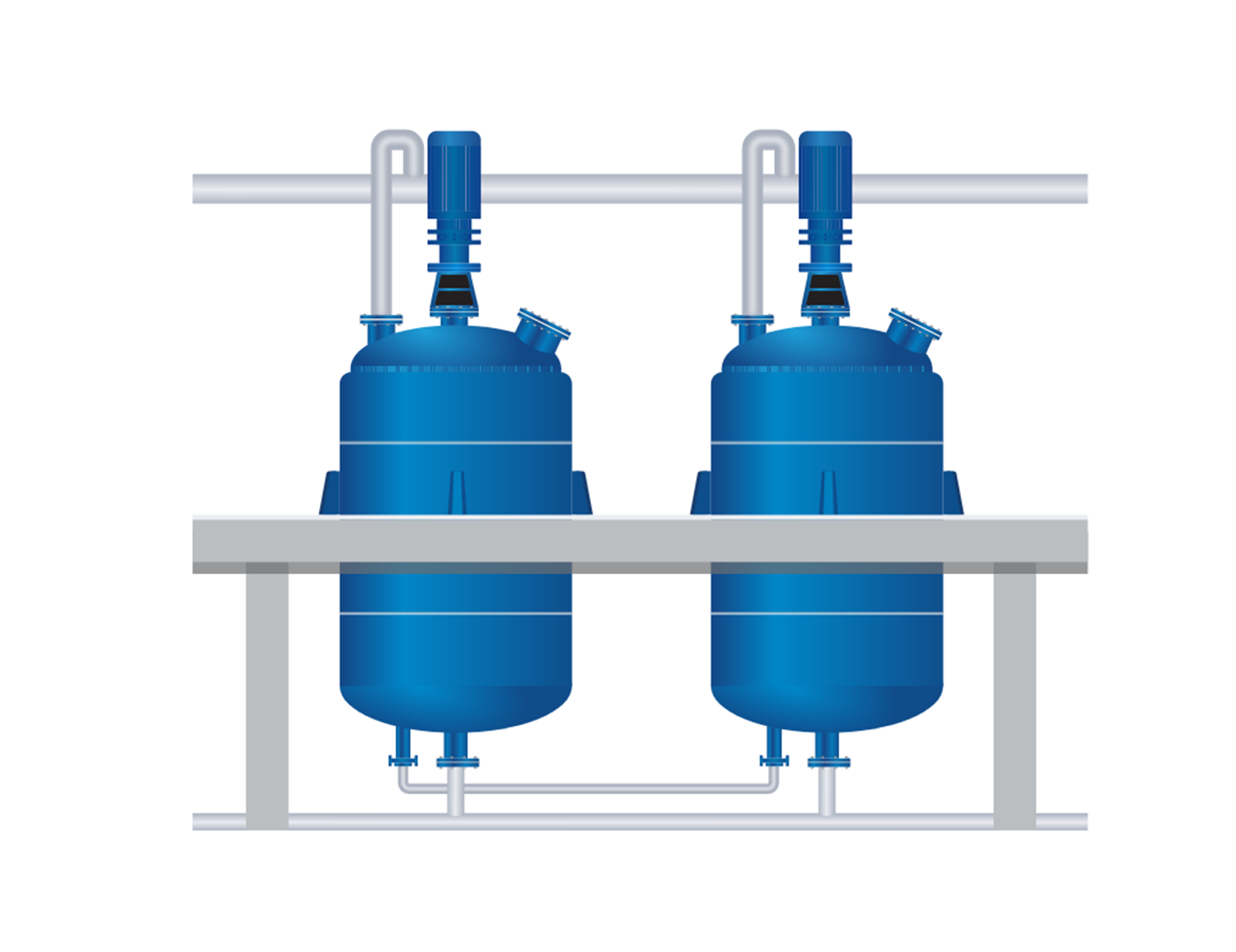
During machine downtime or product changes, the press rolls are cleaned and coated with a specialist solution to protect against adhesions and deposits, hence avoiding paper difficulties. The 50°C coating mixture is pushed through the machine. To maintain automated functioning, the tank's level and filter status must be continuously monitored.
more info...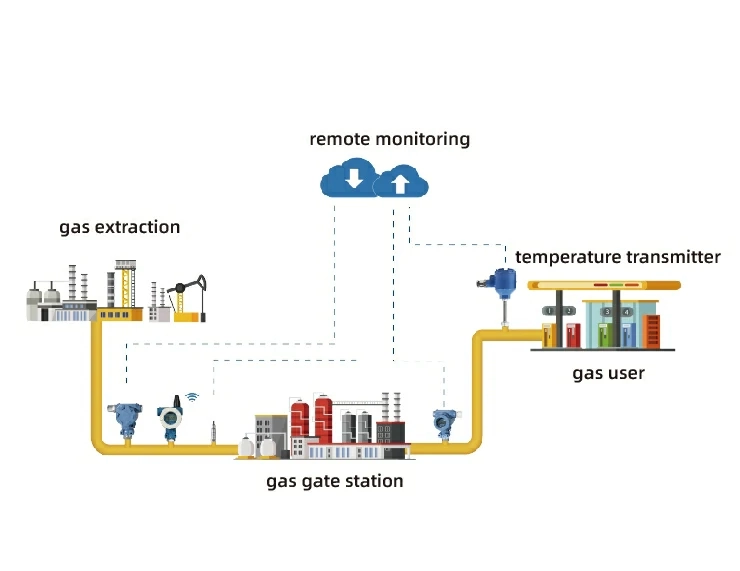
Natural gas undergoes a long process of transportation pipeline transmission, filtration, odorization, and pressure regulation from extraction to end-user consumption. In this process, monitoring the pressure and temperature within the pipeline is critical to ensuring the proper operation of the system.
more info... Copyright © 2026 MICRO SENSOR CO., LTD