
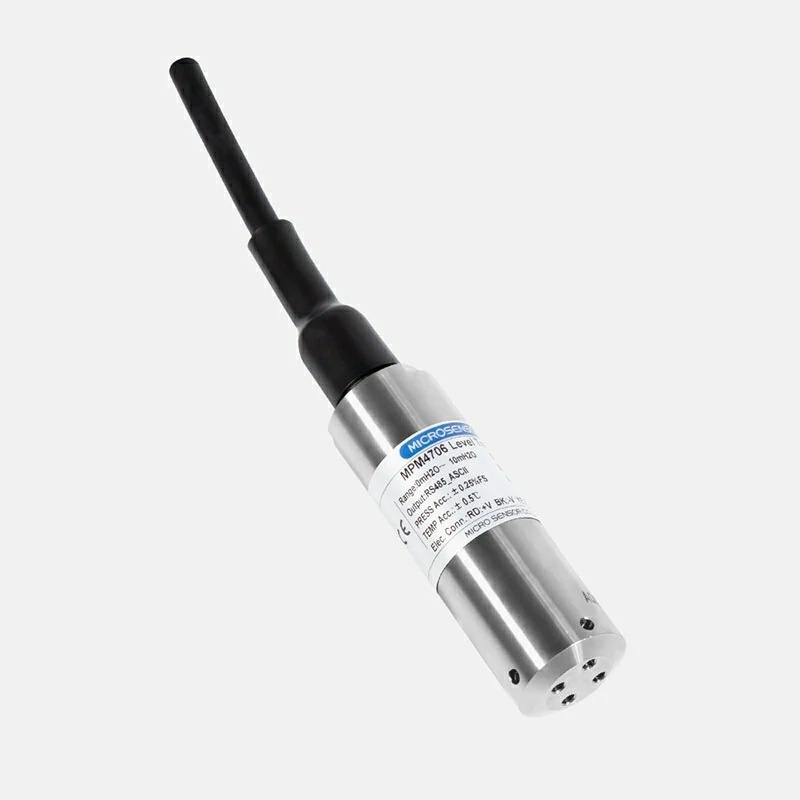

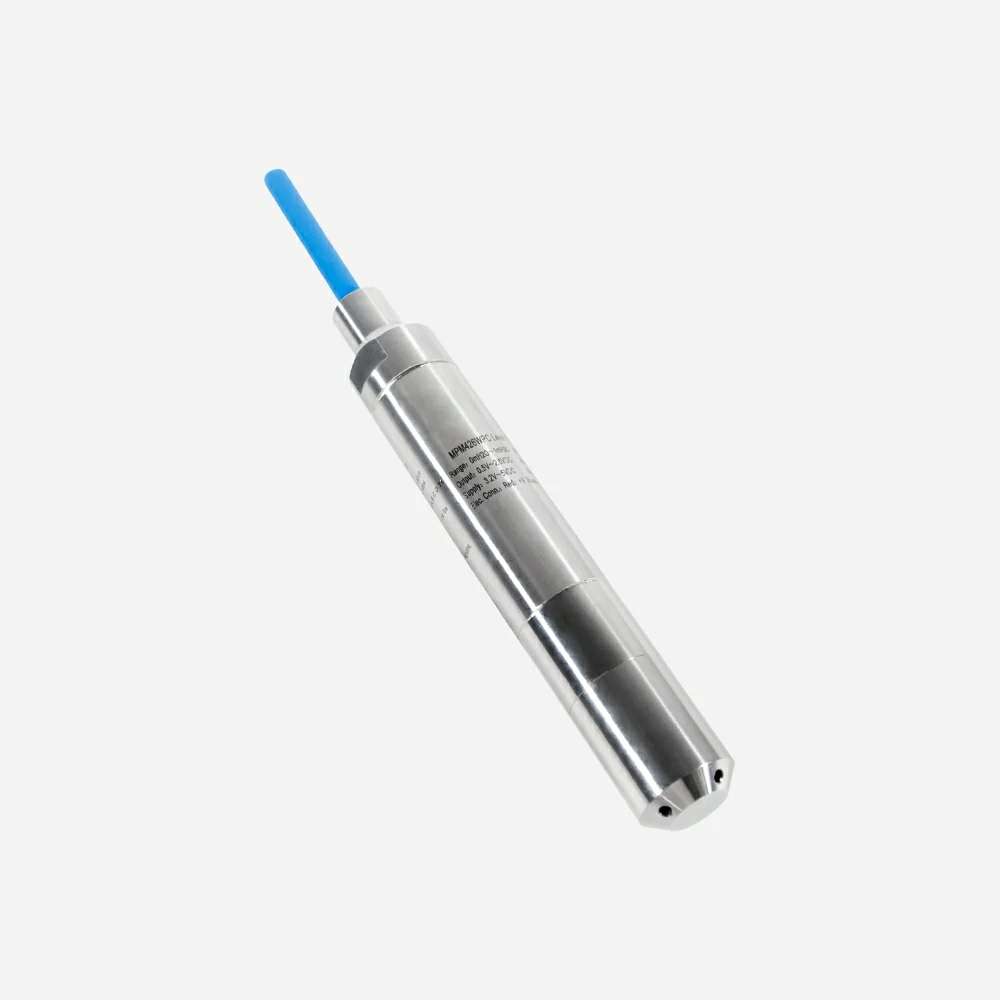
Submersible Level Transmitter
Φ26mm
0m~1m…200m H2O
Accuracy: ±0.25%FS, ±0.5%FS, ±1%FS
DNV approved for installation on all vessels
ATEX Certificated
New Product Change Notice (PCN) effective Jan 1, 2025. MICROSENSOR appreciate your understanding.

MPM4706
Underground Water Conservancy, Hydrology, Water Resources, Petroleum and Petrochemical
Leave a MessageMPM4706
Used For
Underground Water Conservancy, Hydrology, Water Resources, Petroleum and Petrochemical
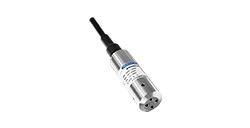
Leave a MessageMPM4706 digital level transmitter enables liquid level and temperature measurement, which communicates based on the RS485 interface. The level sensor has high precision, and automatic sleep mode. Power consumption as low as 10uA. It can be applied in various digital fields, and can ensure the high-efficiency and low-cost operation of the application system while performing precise measurements. MPM4706 liquid level sensor is applied to groundwater, hydrology, water conservancy, petroleum and petrochemical, coal, etc.
Features
• Level & Temperature Measurement
• Suitable for various digital application sites
• Average working current≤3mA, standby power consumption≤10uA
• Liquid level accuracy: ±0.25%
• Temperature accuracy: ±0.5°C
Specification
• Measured range: 0~3.5...200 mH2O
• Over pressure: 1.5 × FS
• Total accuracy: ±0.25%FS(-10℃~70℃)
• Temperature accuracy: ±0.5℃(20℃~80℃), ±0.75℃(-30℃~-20℃)
• Output: RS485
• Compensation temperature: -10℃~ 70℃
• Operation temperature: -10℃~ 70℃
• Long-term stability: ±0.25%FS/year
• Load: RS485 terminal can cascade up to 99 transmitters
Image:
MPM4706 digital level transmitter enables liquid level and temperature measurement, which communicates based on the RS485 interface. The level sensor has high precision, and automatic sleep mode. Power consumption as low as 10uA. It can be applied in various digital fields, and can ensure the high-efficiency and low-cost operation of the application system while performing precise measurements. MPM4706 liquid level sensor is applied to groundwater, hydrology, water conservancy, petroleum and petrochemical, coal, etc.
Features
• Level & Temperature Measurement
• Suitable for various digital application sites
• Average working current≤3mA, standby power consumption≤10uA
• Liquid level accuracy: ±0.25%
• Temperature accuracy: ±0.5°C
Specification
• Measured range: 0~3.5...200 mH2O
• Over pressure: 1.5 × FS
• Total accuracy: ±0.25%FS(-10℃~70℃)
• Temperature accuracy: ±0.5℃(20℃~80℃), ±0.75℃(-30℃~-20℃)
• Output: RS485
• Compensation temperature: -10℃~ 70℃
• Operation temperature: -10℃~ 70℃
• Long-term stability: ±0.25%FS/year
• Load: RS485 terminal can cascade up to 99 transmitters


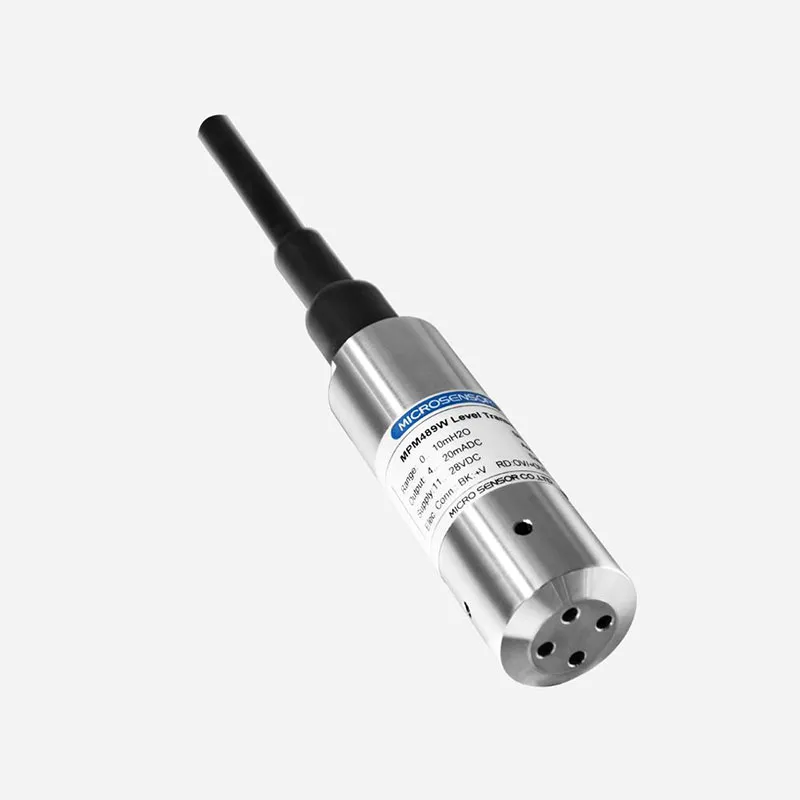
Φ26mm
0m~1m…200m H2O
Accuracy: ±0.25%FS, ±0.5%FS, ±1%FS
DNV approved for installation on all vessels
ATEX Certificated
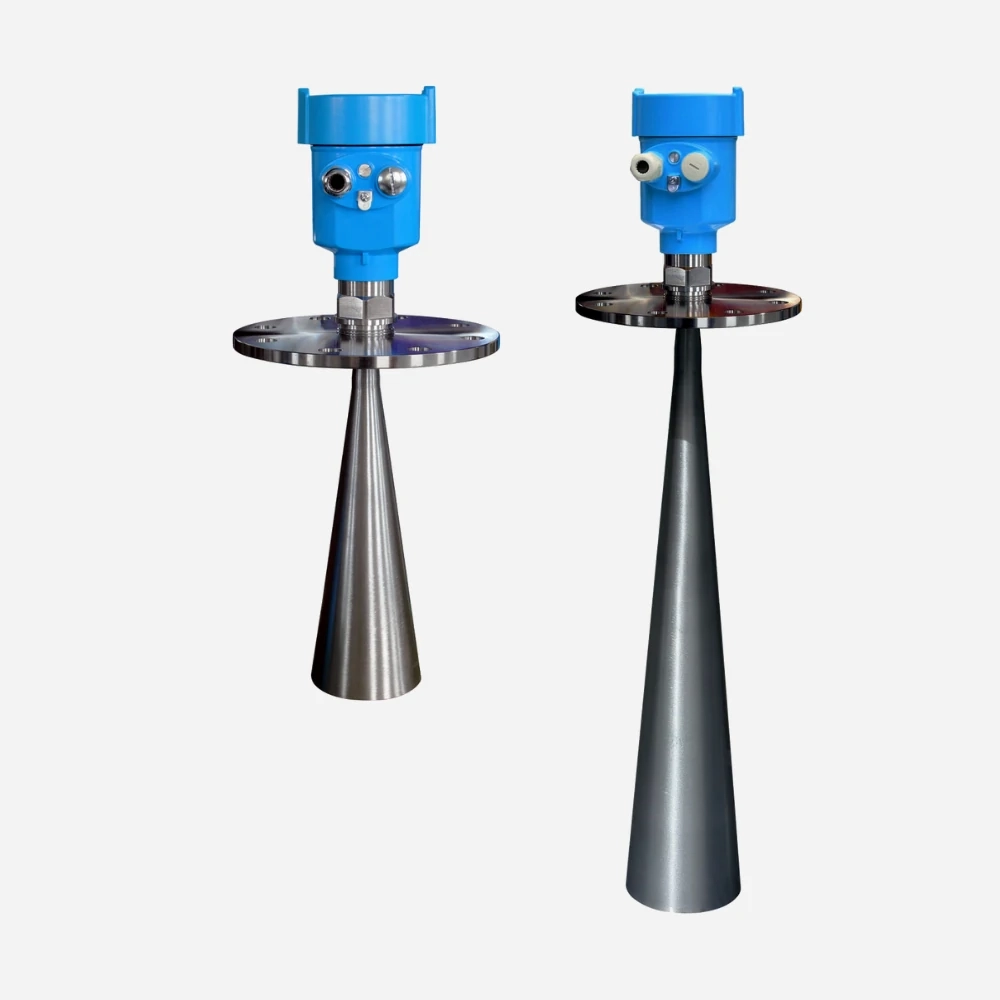
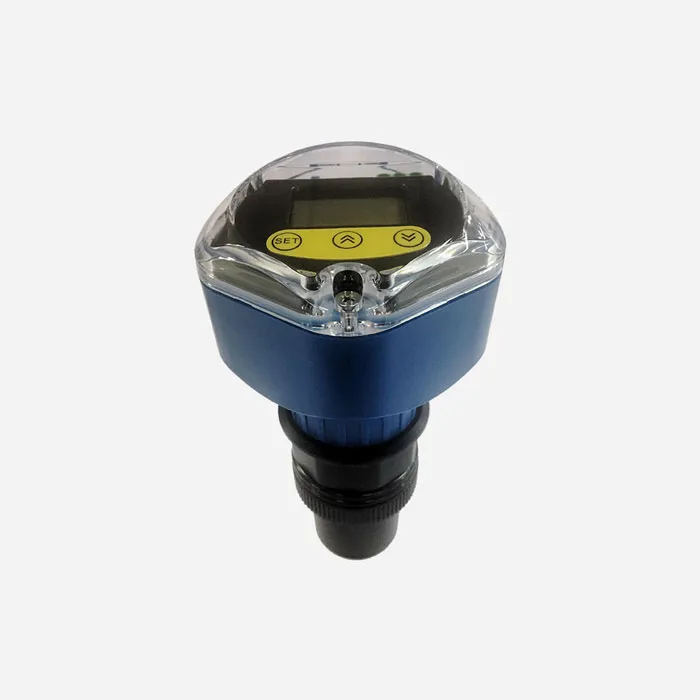
Contactless Level Measurement
Measuring range: 0m~70m
Measured media: Solid, Liquid
Level measurement: 0mH2O~2mH2O…200mH2O
Pressure measurement: 0mabr~200mabr...350bar
Outputs: 4mA~20mA, 1V~5V, 0.5V~4.5V...RS485-Modbus, etc.
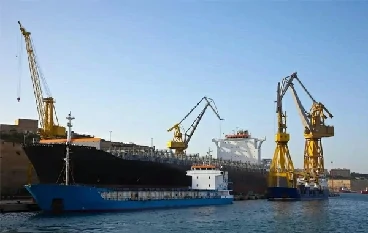
CCS, ABS, DNV approved for ship use
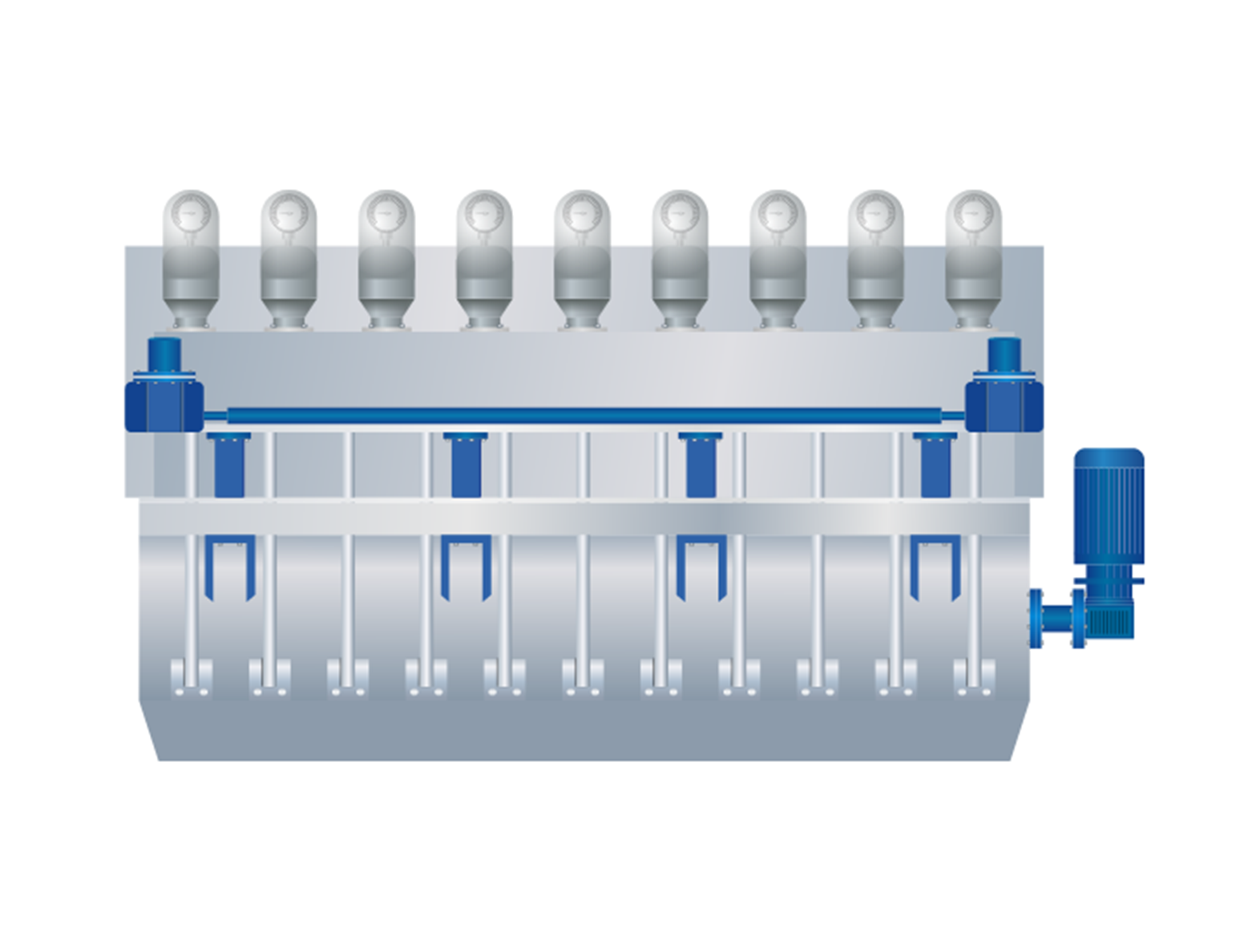
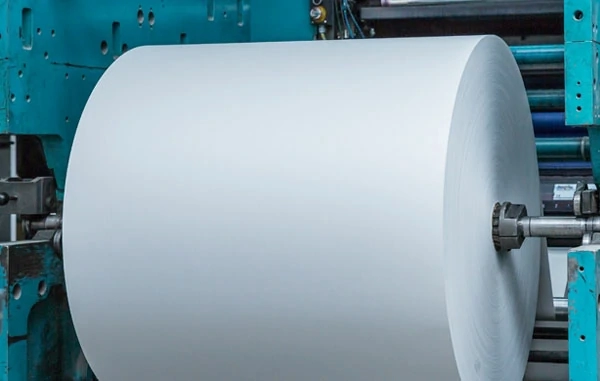
In the papermaking process, pulp is fed into the headbox of the paper machine. In the hydraulic headbox, pulp enters the weir pool via the conical distribution pipe and tube bundles, and is then sprayed onto the forming wire by the weir plate. Since the pulp jet velocity is controlled by adjusting the headbox slice pressure per the wire speed, accurate pressure measurement in the headbox is essential.
more info...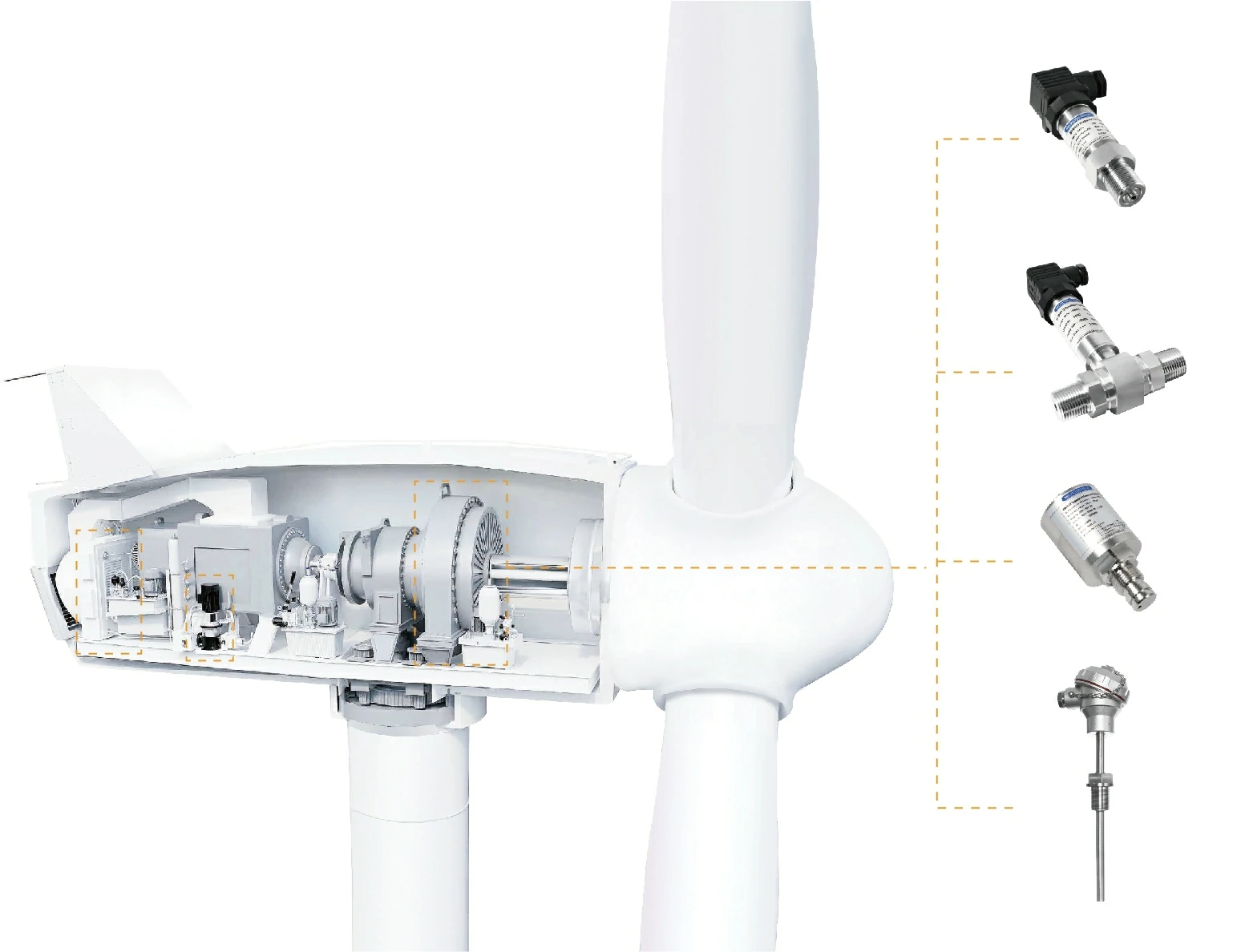
Wind turbines require a control system to optimize the direction of the turbine in accordance with the wind direction (yaw control) and adjust the angle of the blades (pitch control). This control system is completed by the cylinder system, based on the hydraulic principle, in which the pressure sensor plays a crucial role.
more info...
Pressure transmitters, level transmitters, and mass flow meters are installed in fuel tanks to provide real-time monitoring of fuel levels and pressure. Users can track current location and fuel consumption, access historical vessel data, calculate voyage distance and total fuel usage, and analyze operational efficiency.
more info...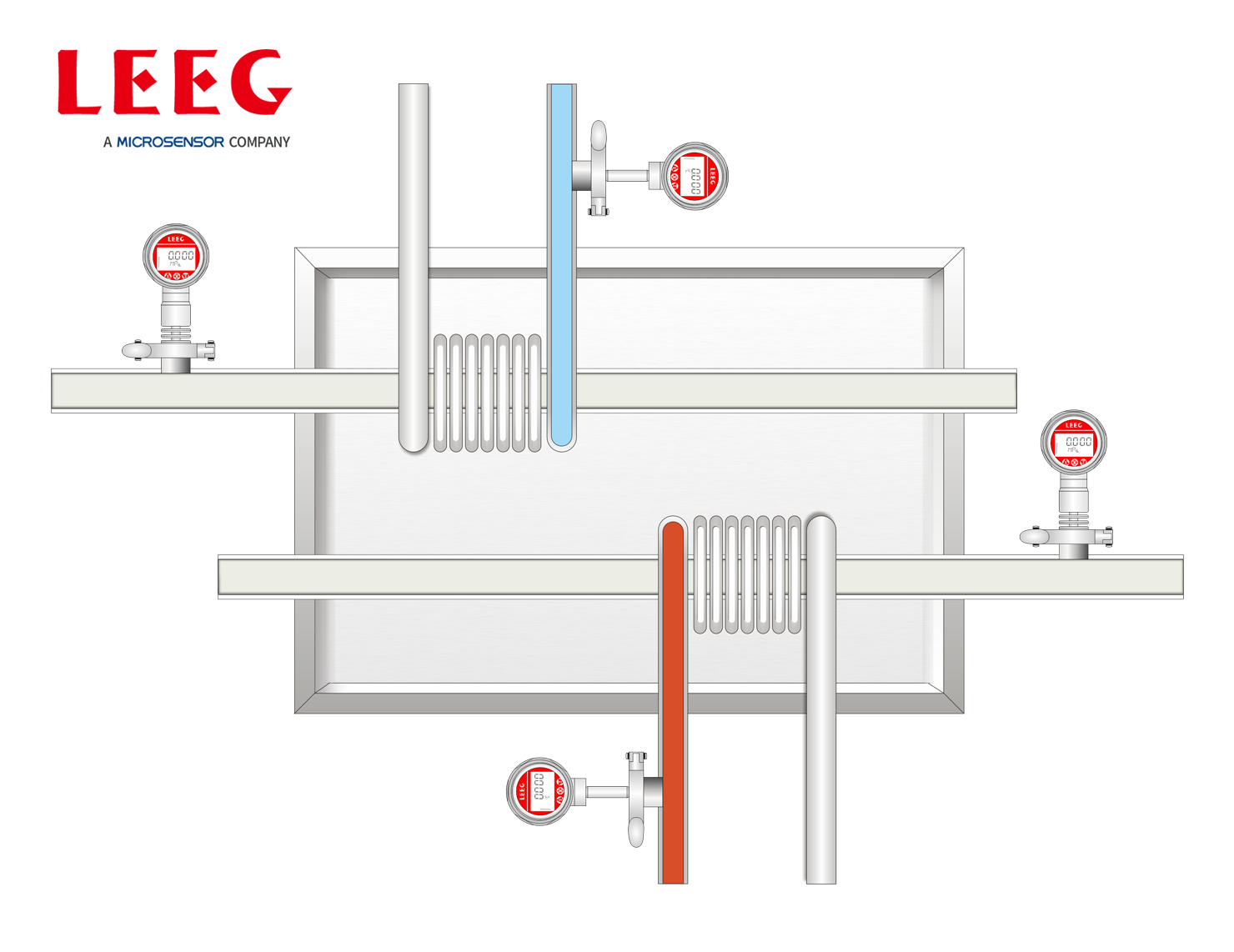
In beverage production and dairy processing, liquids are heated to specified temperatures through heat exchange, followed by rapid cooling to eradicate pathogens and prolong shelf life. Multiple stages such as heating and cooling of wort ensure that beer reaches the appropriate temperature for yeast cultivation. Both the cooler and preheater require monitoring of temperatures in the cooling and preheating tubes, as well as the pressure in the food pipelines.
more info... Copyright © 2026 MICRO SENSOR CO., LTD