
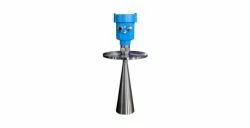
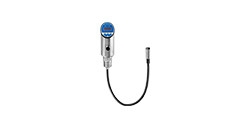
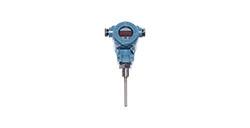
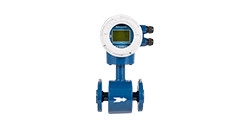
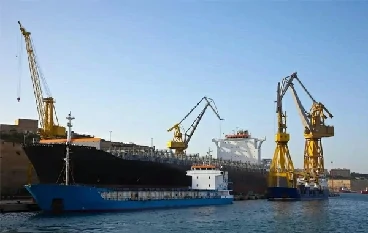







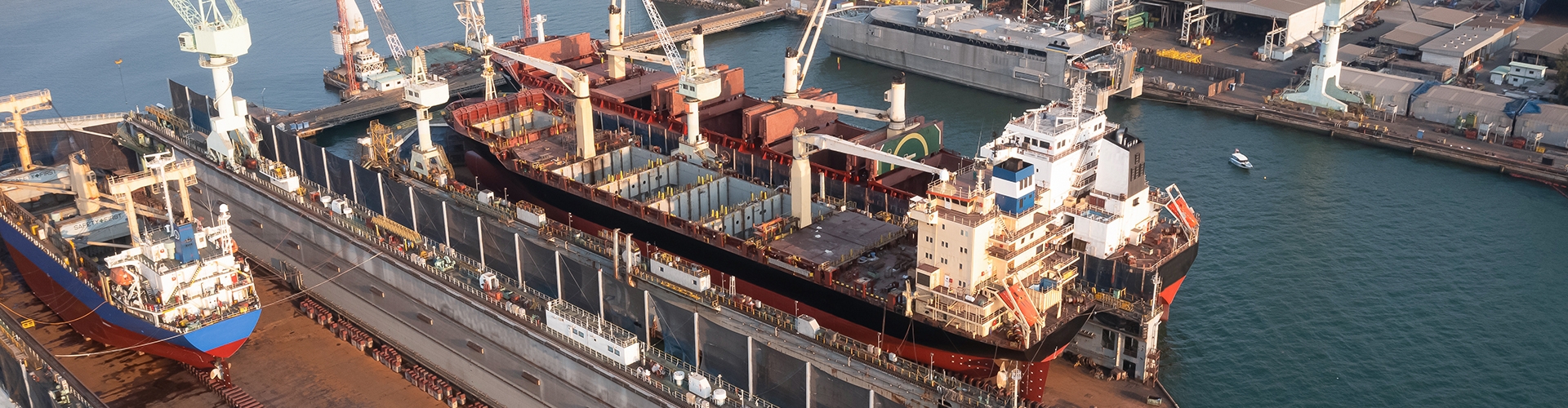
Ballast water tanks are a critical component of modern ships, ensuring vessel stability, safety, and optimal performance during loading, unloading, and navigation. By adjusting the amount of ballast water in different tanks, ships can maintain proper draft, trim, and balance under varying cargo and sea conditions. Accurate monitoring of ballast water levels and flow is essential to prevent overloading, listing, or structural stress, while complying with international maritime regulations such as the IMO Ballast Water Management (BWM) Convention.
Key Instruments in Ballast Water Tanks
Level Transmitters
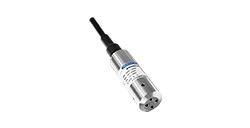
Level transmitters provide real-time measurement of water height in ballast tanks. They are typically submersible or hydrostatic types, designed to withstand seawater immersion and dynamic ship movements. By continuously monitoring water levels, these transmitters:
• Ensure stable vessel balance and prevent dangerous tilting
• Enable automated ballast filling and discharge operations
• Provide accurate data for record-keeping and regulatory compliance
How They Work: Hydrostatic level transmitters measure the pressure exerted by the water column above the sensor. Submersible transmitters convert this pressure into an electrical signal, which is sent to the ship's ballast control system.
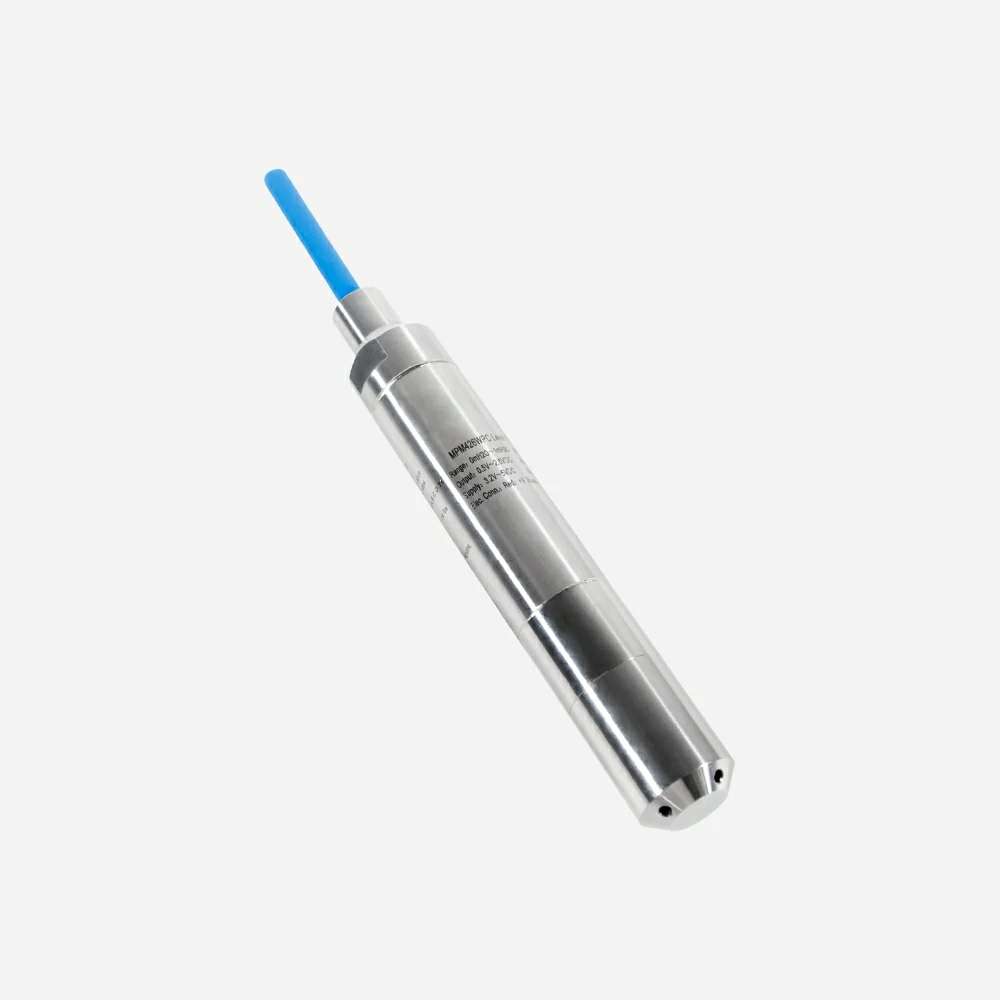
Micro Sensor offers a series of level transmitters for ballast tanks. Here we suggest the MPM426W SERIES level transmitter, which is highly suitable for ballast water tank level measurement scenarios with these advantages:
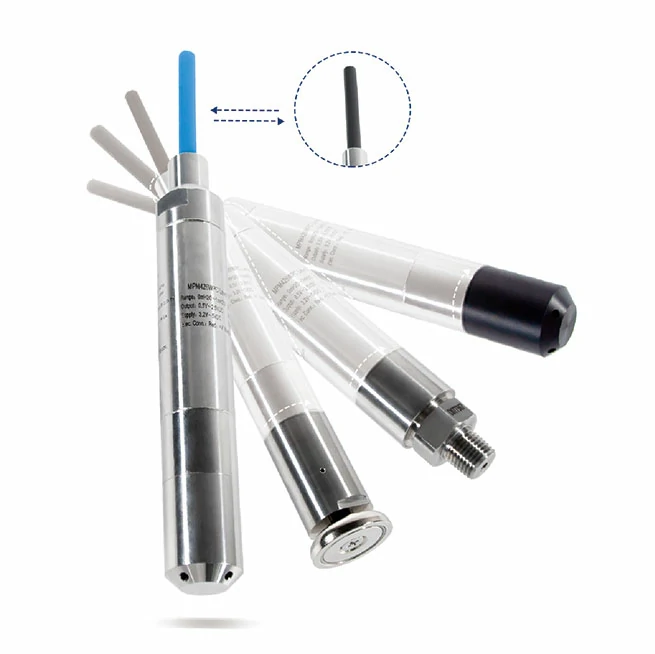
✅ DNV, ABS, and CCS approved, meeting the relevant requirements of the International Maritime Organization.
✅ Available in all-titanium (Ti) or all-316L stainless steel structures, suitable for long-term immersion in seawater in ballast tanks.
✅ Fully Welded Sealing, IP68 protected, allowing for long-term immersion in seawater, ballast water, and other media.
Pressure Transmitters
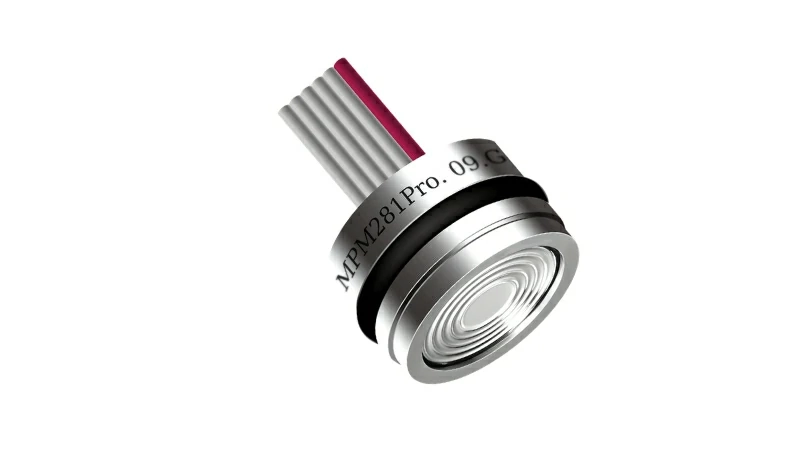
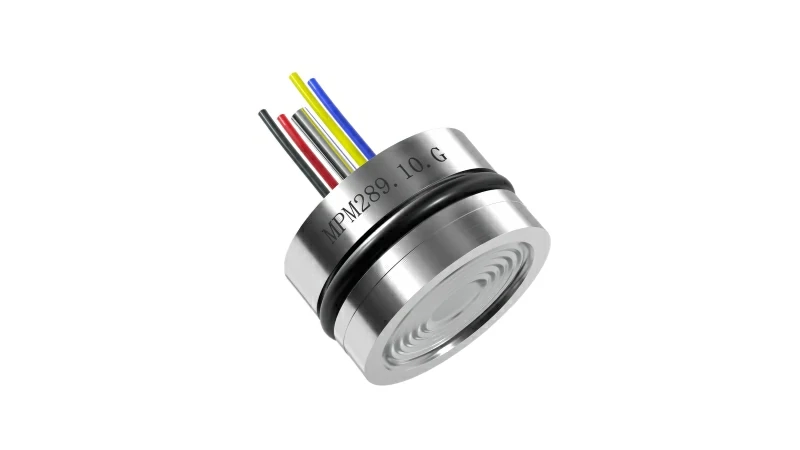
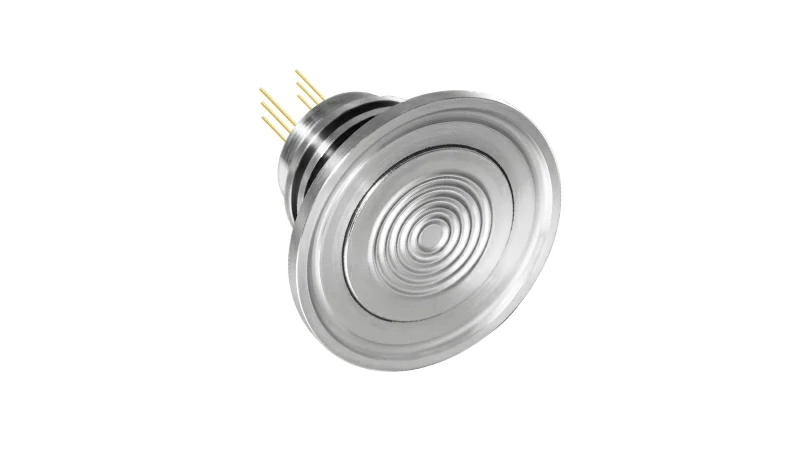
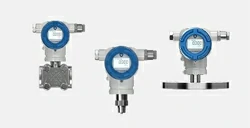
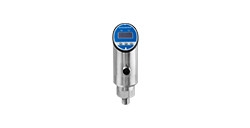
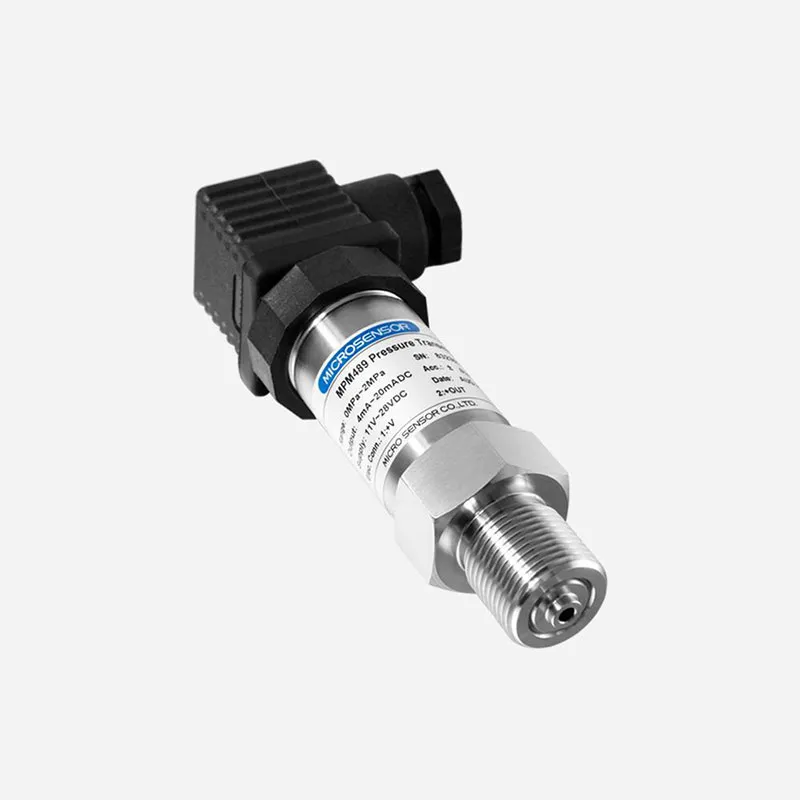
Pressure transmitters measure the hydrostatic pressure of water in ballast tanks, which can be used for level verification and safety monitoring. A pressure transmitter senses the water pressure at a specific depth and converts it into a proportional electrical signal. This data is integrated into the ship's monitoring system, enabling precise control over ballast operations.
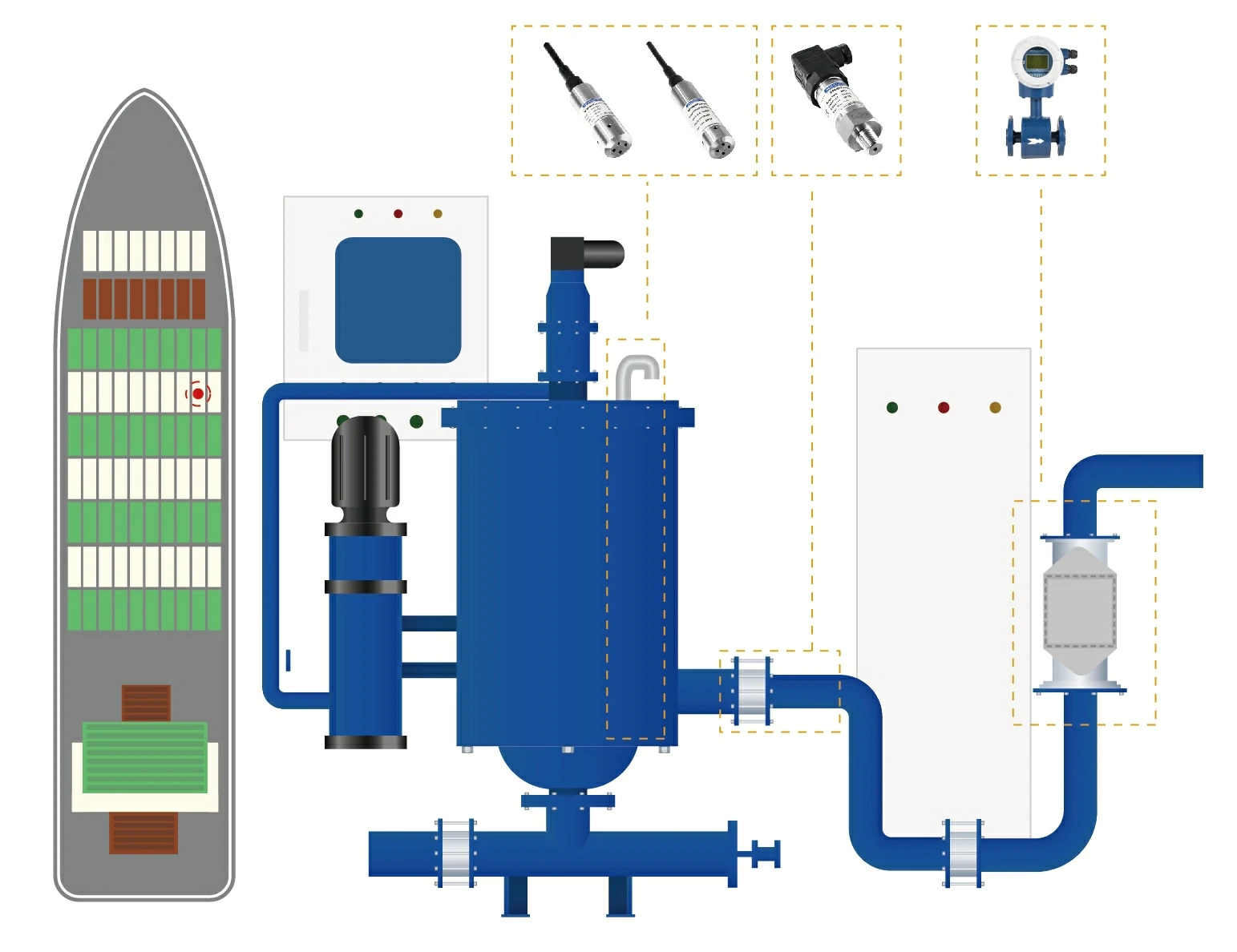
Here are the product features that our pressure transmitter can offer:
✅ Resistant to seawater corrosion and biofouling
✅ High stability under vibrations and rolling
✅ Compliance with marine safety and classification standards (DNV, ABS, LR)
✅ High accuracy and fast response for real-time control
Flowmeters
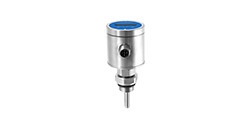
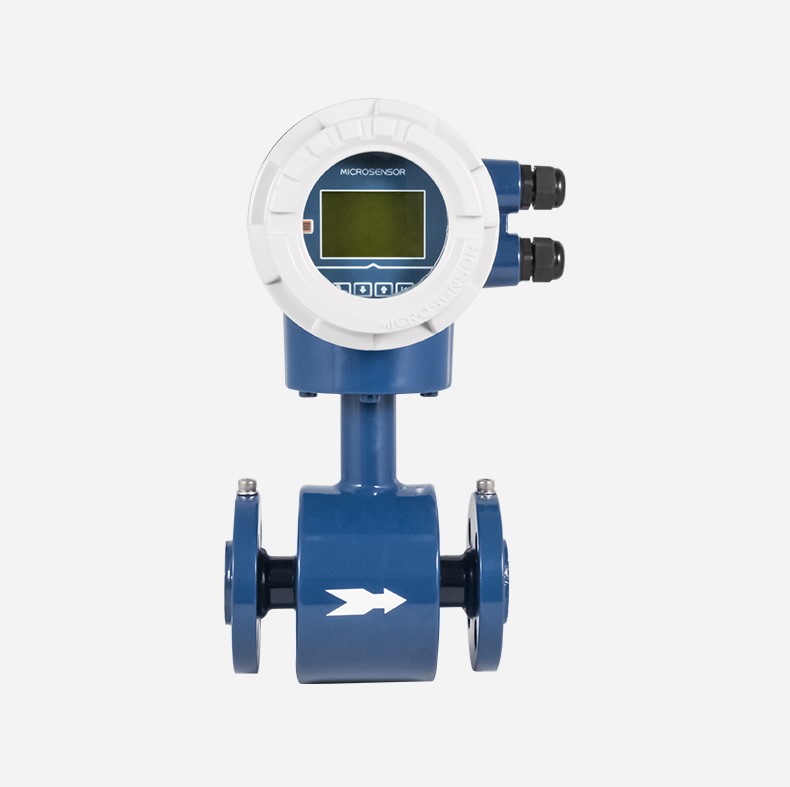
Flowmeters monitor the rate of ballast water entering or leaving a tank, providing critical feedback for safe and efficient ballasting operations. They are widely used in automated ballast water systems to regulate pumps and ensure that tanks are filled or emptied at the correct rate.
By providing precise monitoring and control of ballast water levels, pressures, and flow rates, Micro Sensor instrumentation solutions help shipping companies ensure vessel stability, reduce operational risks, and maintain regulatory compliance.
 Copyright © 2026 MICRO SENSOR CO., LTD


