
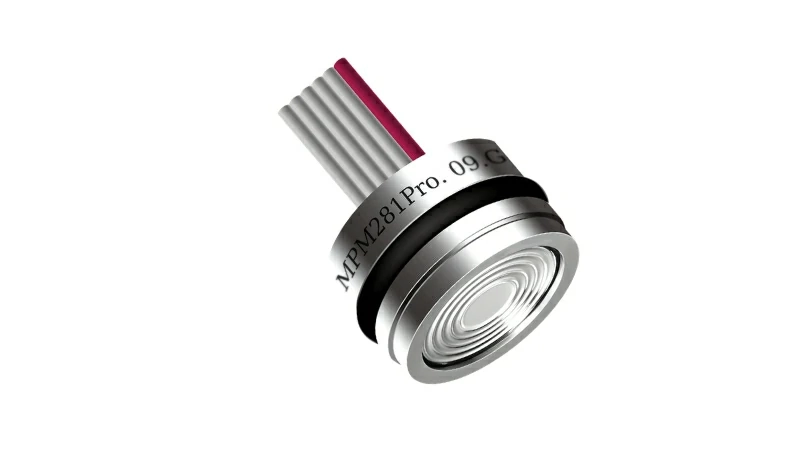
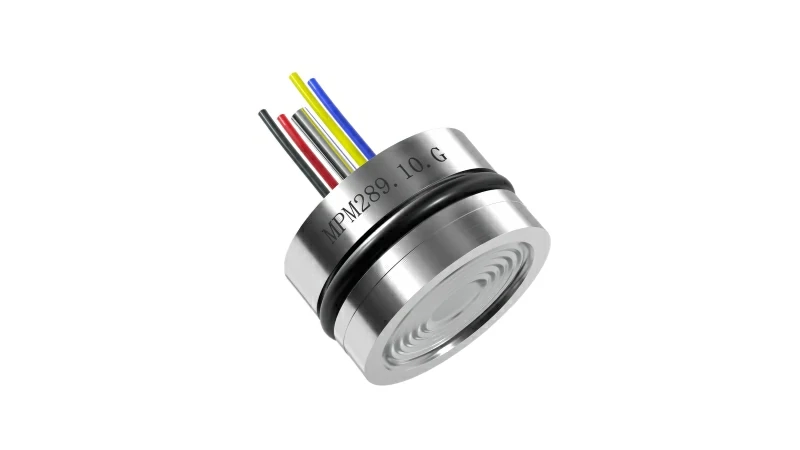
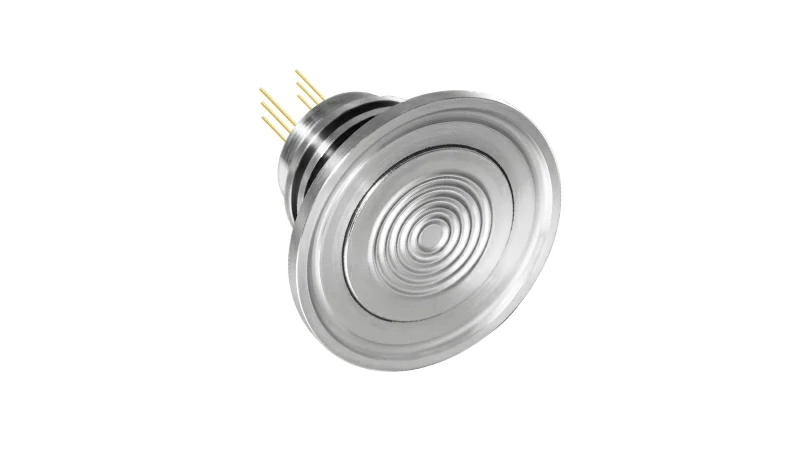
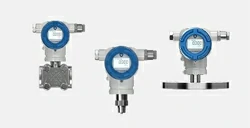
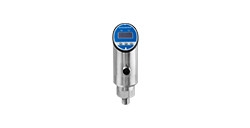
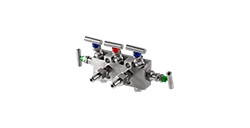
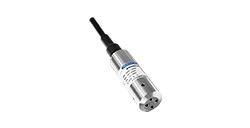



Pressure measurement plays an important role in fluorochemical production, but conventional pressure instruments may face significant challenges when exposed to highly corrosive media.
Hydrofluoric acid (HF), in particular, requires careful consideration of wetted materials, sealing structures, and process connections.
For these applications, reliable pressure measurement begins with understanding the process—not simply selecting a transmitter based on pressure range and accuracy.
Hydrofluoric Acid and Pressure Measurement
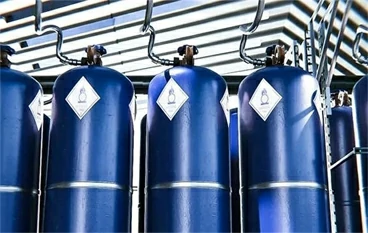
Hydrofluoric acid (HF) is a fundamental raw material in the fluorochemical industry chain and one of the few highly corrosive acids capable of directly corroding glass and most metals. Its applications typically encompass production, storage, transportation, dispensing, and end-use.
●HF storage
●HF transfer
●Chemical dispensing
●Fluorochemical production
Every stage requires specialized corrosion-resistant design, safety protections, and emergency measures.
Why Corrosive Media Challenge Pressure Measurement
Wetted parts are components that come into direct contact with corrosive media; they include the isolation diaphragm, process connections, pressure-sensing lines, valve manifolds, and the sensor base. The corrosive media react with the metal. If the wetted substrate is compromised, not only is the instrument itself damaged, but a risk of process media leakage also arises.
Small molecules and ions within the corrosive medium can penetrate the material through microscopic pores or seep into its interior along grain boundaries. They may infiltrate the silicone fill fluid behind the diaphragm or penetrate metal grain boundaries, causing intergranular corrosion. This permeation is a form of slow, cumulative damage rather than an immediate failure; internal sensitive chips and circuits become gradually contaminated, creating latent faults.
Non-metallic seals inside the instrument may swell, harden, become brittle, or dissolve upon prolonged contact with corrosive media. Corrosion and media permeation indirectly cause zero-point and span drifts. As these issues accumulate, they ultimately lead to the premature failure and scrapping of the instrument.
Why Instrument Structure Matters
Relying solely on corrosion-resistant materials is insufficient to ensure the long-term reliability of pressure measurement in corrosive environments; the design of the instrument's internal structure is a critical factor. The structural design dictates stress distribution, media entrapment, seal compression, and pressure transmission paths. Even when high-grade specialty alloys are used, poor diaphragm stress design, welding defects, or crevices in seal grooves and process connections can lead to the localized accumulation of corrosive media. This can result in permeation, seal degradation, measurement drift, and premature instrument failure. Therefore, selecting pressure instruments for corrosive applications requires a holistic evaluation that considers both materials and structural design, rather than focusing exclusively on material comparisons.
Micro Sensor Corrosion-Resistant Pressure Measurement Solutions
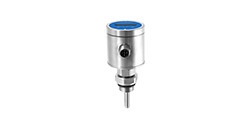
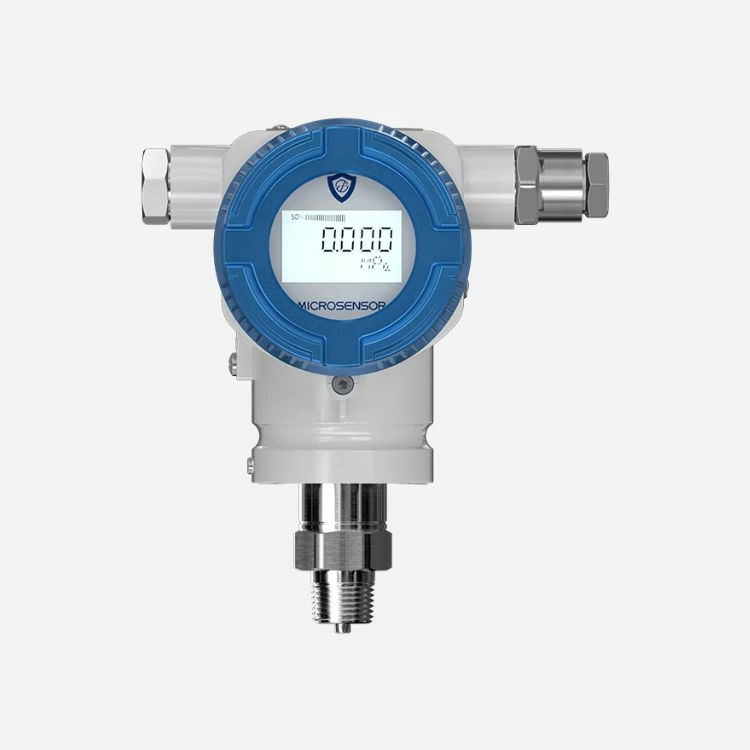
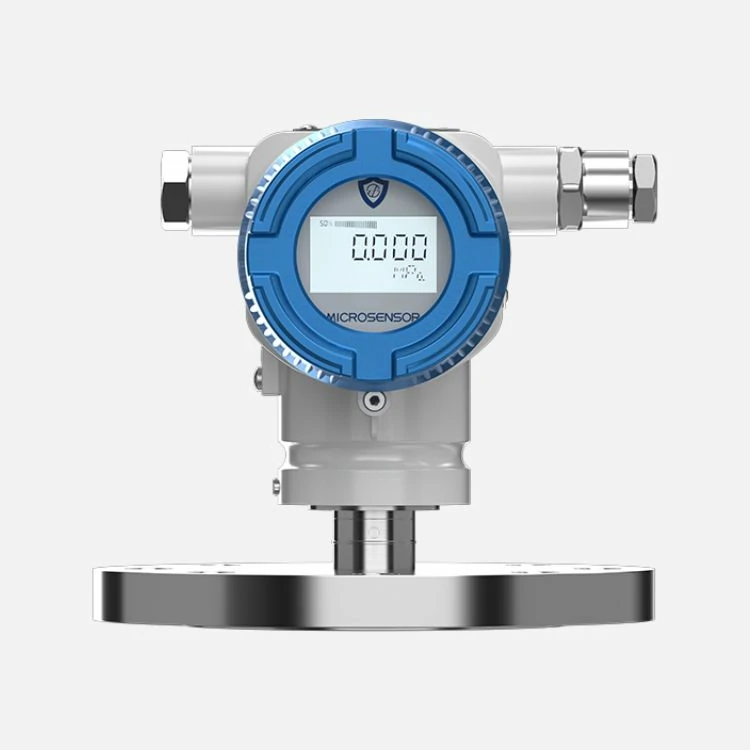
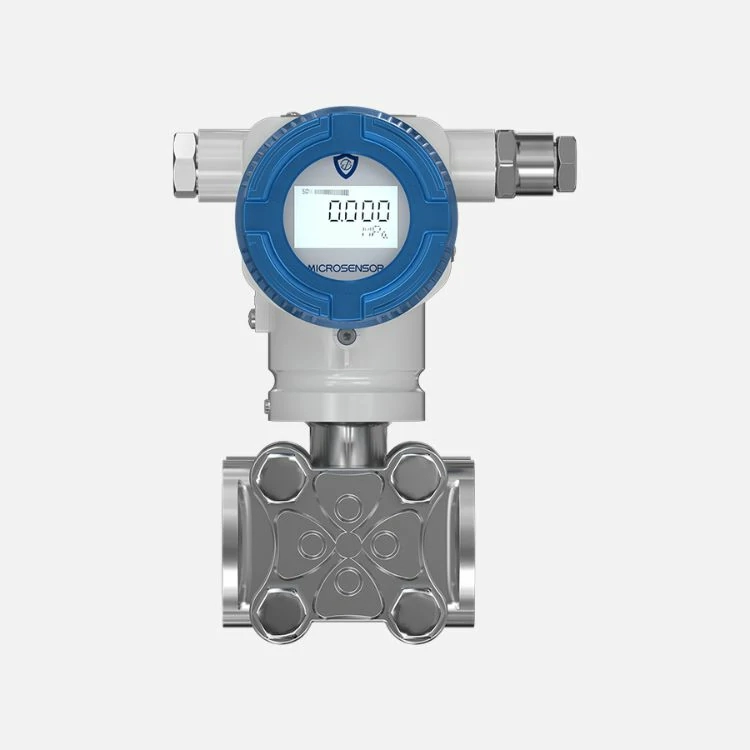
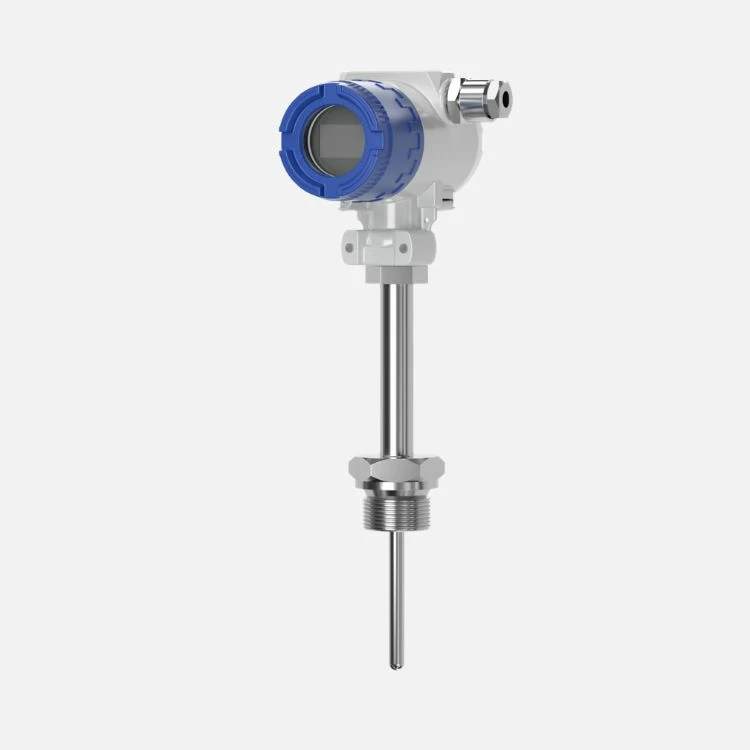
Micro Sensor offers the MDM7000 series intelligent pressure measurement and control products for the core measurementof the fluorochemical industry. Designed for harsh operating conditions—including highly corrosive environments, high temperatures and pressures, and explosion-prone areas—MDM7000 sereies help ensure the safe, efficient, and stable operation of fluorochemical facilities.Customized wetted materials
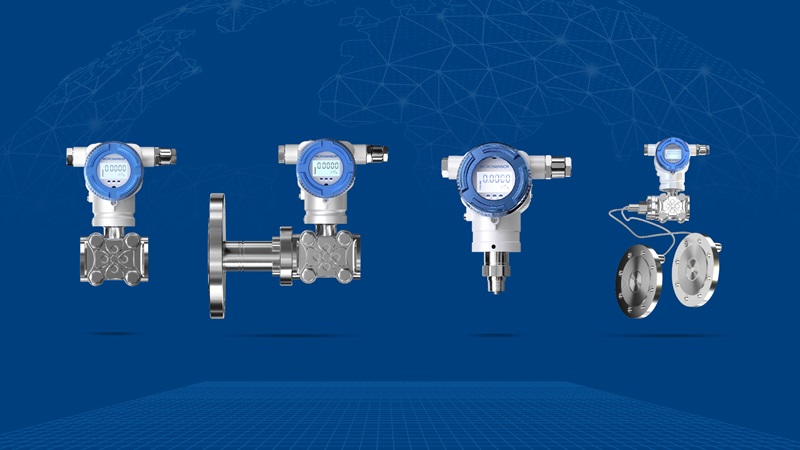
●High precision: ±0.075%
●Corrosion-resistant, fully welded construction
●Suitable for highly corrosive media
Need Help Selecting a Pressure Transmitter for Corrosive Media?
Tell us your medium, concentration, pressure and temperature. Our engineers can help identify an appropriate pressure measurement configuration.
 Copyright © 2026 MICRO SENSOR CO., LTD


