







Introduction
In precision gas control applications such as semiconductor manufacturing, biopharmaceutical production, fuel cell development, and laboratory research, even the slightest measurement deviation can have significant consequences. In 2025, the global industrial gas mass flow controller (MFC) market was valued at approximately RMB 6.776 billion and is projected to approach RMB 8.702 billion by 2032.
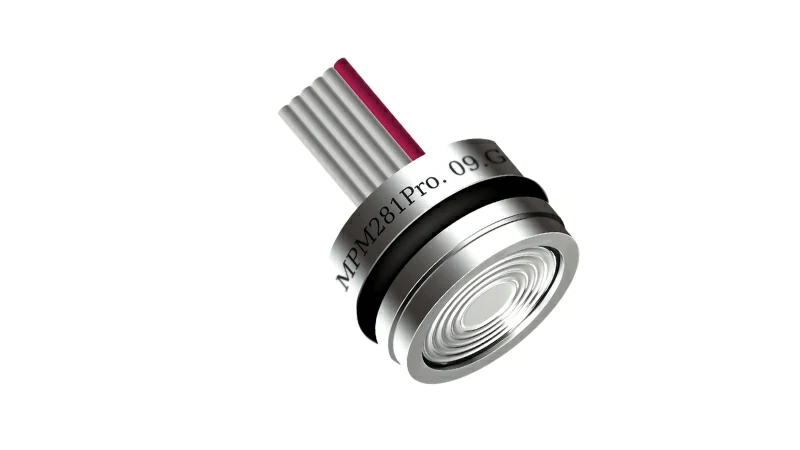
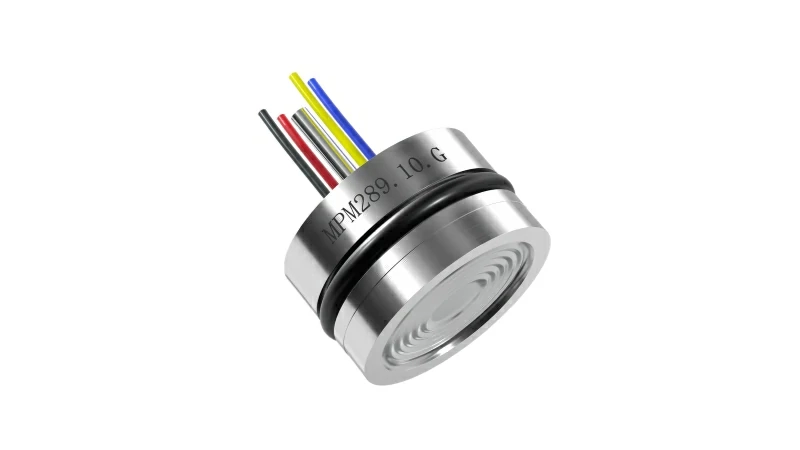
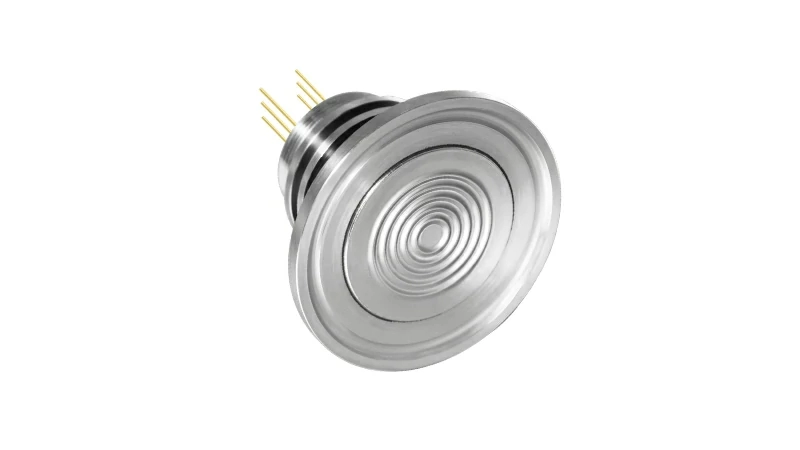
Behind this rapidly growing market is a seemingly small but essential component: the pressure sensor. Acting as the sensing element of a precision instrument, it detects subtle pressure variations that directly affect the accuracy and reliability of the entire system.
01. Why Is Pressure Measurement Essential for Gas Flow Measurement?
An often-overlooked engineering fact is that gas volume varies significantly with temperature and pressure. Even in the same pipeline, identical volumetric flow readings in m³/h do not necessarily represent the same number of gas molecules passing through the system in summer and winter.
Conventional instruments such as vortex flowmeters and orifice flowmeters measure volumetric flow under actual operating conditions. To obtain mass flow or standard volumetric flow, additional temperature and pressure sensors are required for compensation calculations. Without pressure compensation, measurement errors can easily reach 10%–20% or even higher.
This is why pressure sensors are indispensable in mass flow controllers (MFCs): they provide the critical link between volumetric flow and mass flow measurement.
Example of an MFC with integrated pressure measurement
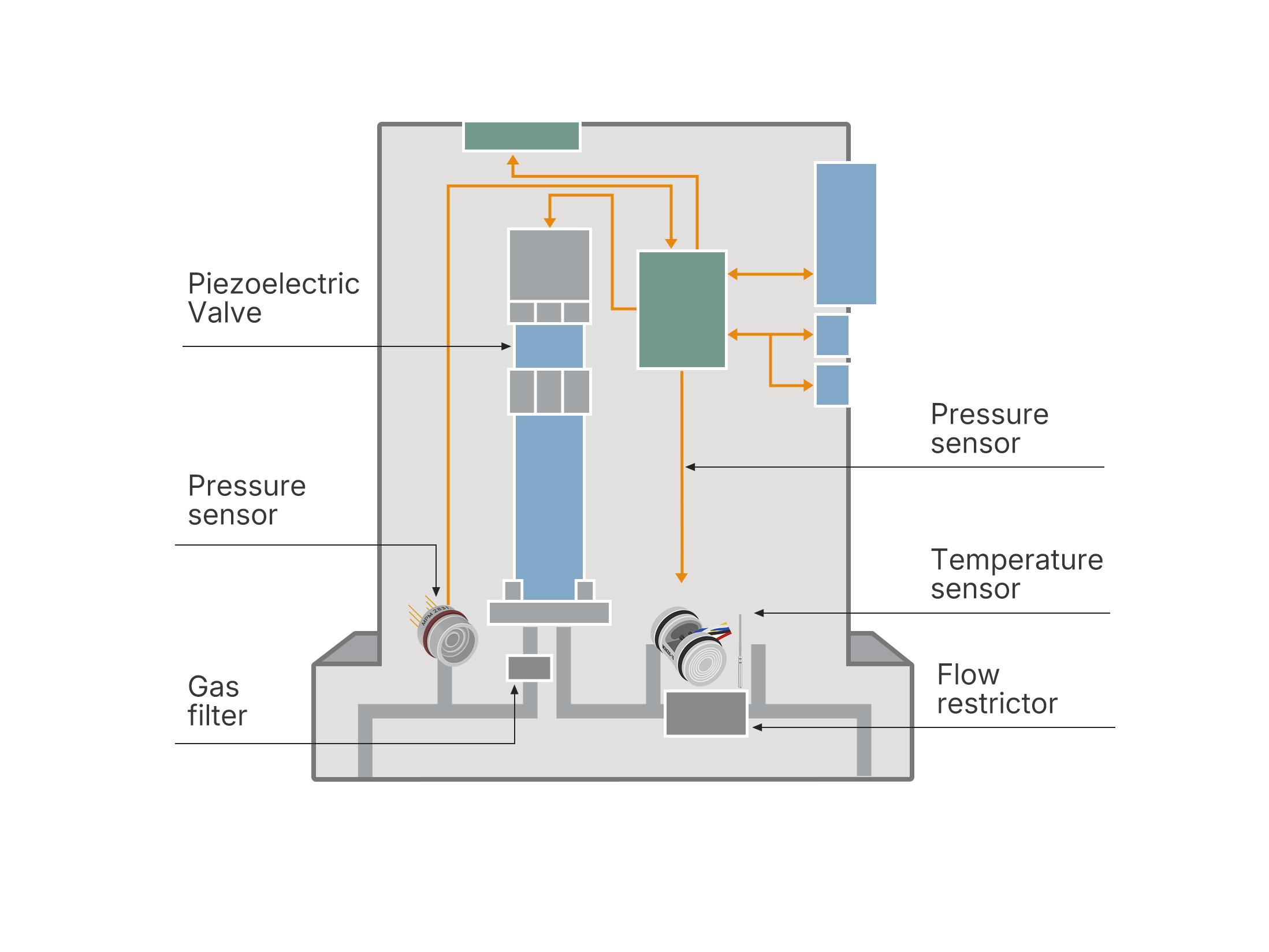
Product principle diagram
02. How Do Pressure Sensors Work in MFCs?
2.1 Laminar Differential Pressure Type: Pressure Sensors at the Core
Laminar differential pressure mass flow controllers are designed based on the Hagen–Poiseuille law. Under constant temperature, pipe diameter, and other parameters, gas flowing through a laminar flow element remains in a laminar state. By measuring the differential pressure across the element, the volumetric flow rate can be calculated. Temperature and pressure compensation are then applied to obtain the standard volumetric flow rate.
This type of solution typically requires three sensors working together: a temperature sensor, a pressure sensor, and a differential pressure sensor. The pressure sensor measures absolute pressure, providing essential operating-condition data for accurate mass flow conversion.
2.2 Thermal + MEMS: Improving Accuracy Through Pressure Compensation
Thermal mass flowmeters operate on the principle of thermal diffusion. By detecting the heat transferred by the gas through heating and temperature-sensing elements, they directly calculate mass flow.
Even in thermal mass flow solutions, however, pressure sensors remain essential.
Leading international thermal MFC products, for example, have introduced newly developed thermal sensors and pressure compensation functions. Built-in pressure and temperature sensors enable more accurate flow compensation and effectively minimize the impact of upstream and downstream pressure fluctuations on flow stability. Integrating pressure measurement also reduces the cost, size, and complexity of gas delivery systems.
More advanced solutions integrate three functions—mass flow control, pressure control, and temperature measurement—into a single compact device, significantly simplifying system architecture.
03. The Data: With vs. Without Pressure Compensation
Pressure compensation comparison
| Comparison | Without Pressure Compensation | With Pressure Compensation |
| Typical measurement error | 10%–20% or higher | ≤±1% (down to ±0.5% of reading in some high-end products) |
| Effect of pressure fluctuations | Sensitive; flow readings fluctuate significantly with pressure | Effectively mitigated through compensation algorithms |
| System complexity | Requires an external pressure transmitter and additional wiring | Integrated design for simplified installation Long-term stability |
| Long-term stability | More susceptible to temperature and pressure drift | Zero drift can be below 0.1% FS/year |
Accuracy comparison
●Without pressure compensation: measurement error of 10%–20%, with significant sensitivity to pressure fluctuations.
●With pressure compensation: measurement error maintained within ±1%, even when pressure fluctuates.
04. From Optional to Essential: The Strategic Value of Pressure Sensors
As high-end manufacturing sectors such as semiconductors, new energy, and biopharmaceuticals continue to demand greater process precision, pressure sensors are evolving from optional accessories into essential components of mass flow controllers.
Key benefits of MFCs with integrated pressure sensors:
●Higher accuracy: Reduces measurement errors from the 10%–20% range to within ±1%, or even ±0.5%.
●Simplified system architecture: Eliminates the need for external pressure transmitters, reducing potential failure points and sources of measurement error.
●Dynamic response: Enables millisecond-level closed-loop control to respond rapidly to pressure fluctuations.
●Long-term reliability: Advanced pressure compensation algorithms maintain stable performance across wide temperature and pressure ranges.
05. Micro Sensor Product Recommendations
Recommended products
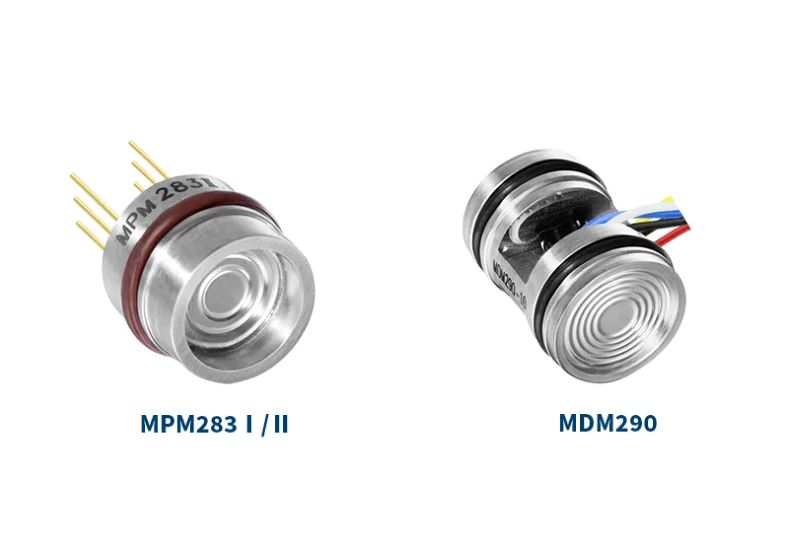
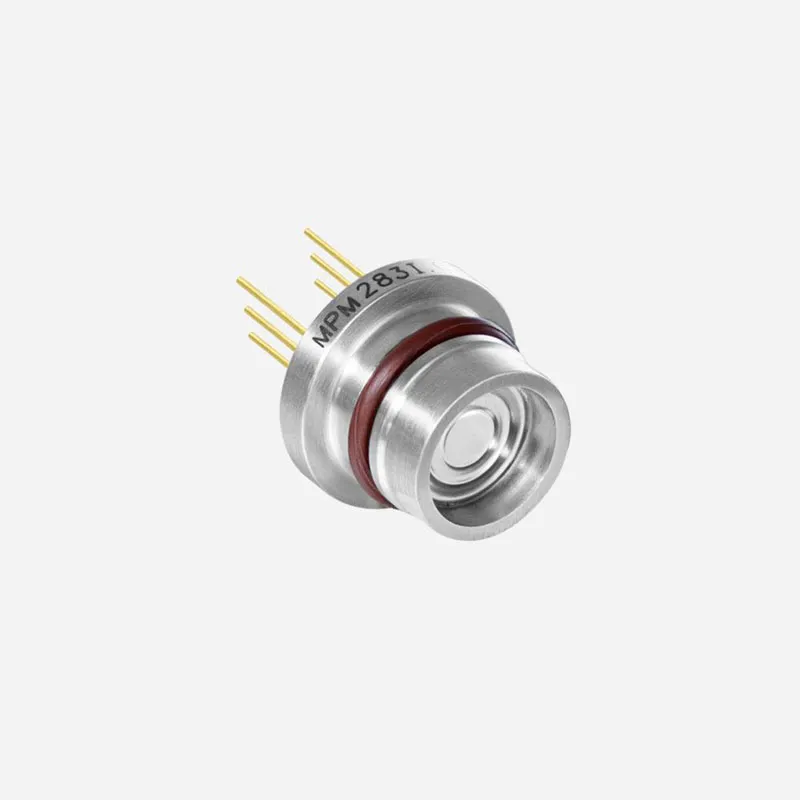
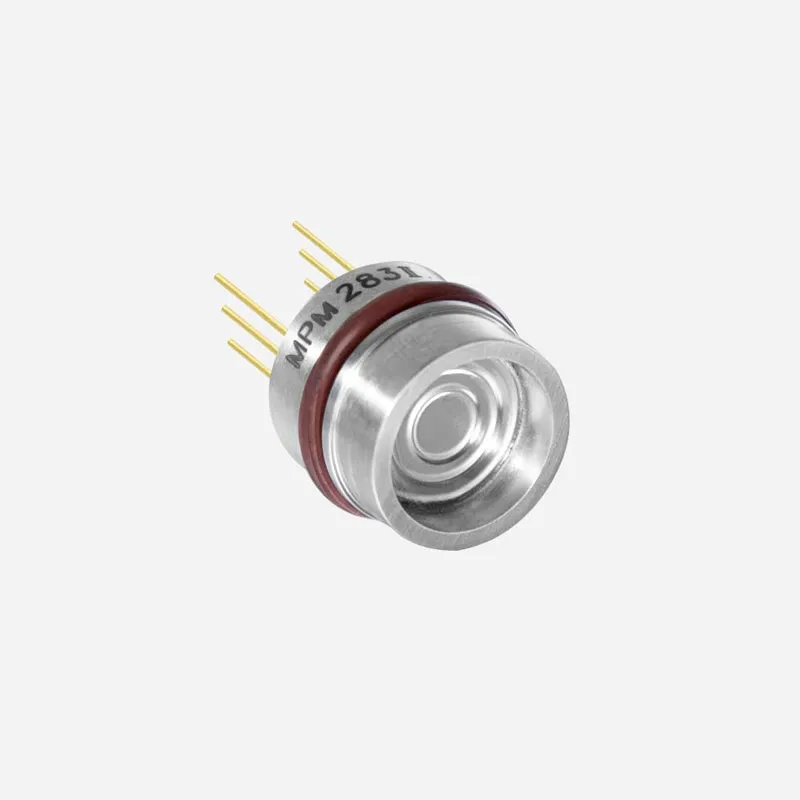
MPM283 I/II – Compact, High-Stability Pressure Sensor
| Pressure range | 200kPa–100MPa |
| Non-linearity | ±0.15% FS, BFSL (Typical) |
| Pressure repeatability | ±0.05% FS |
| Zero temperature error | ±0.75% FS, @35°C |
| Full-scale temperature error | ±0.75% FS, @35°C |
| Long-term stability | ±0.10% FS/year |
| Dimensions | φ12.6 × 10.5mm (Type II) |
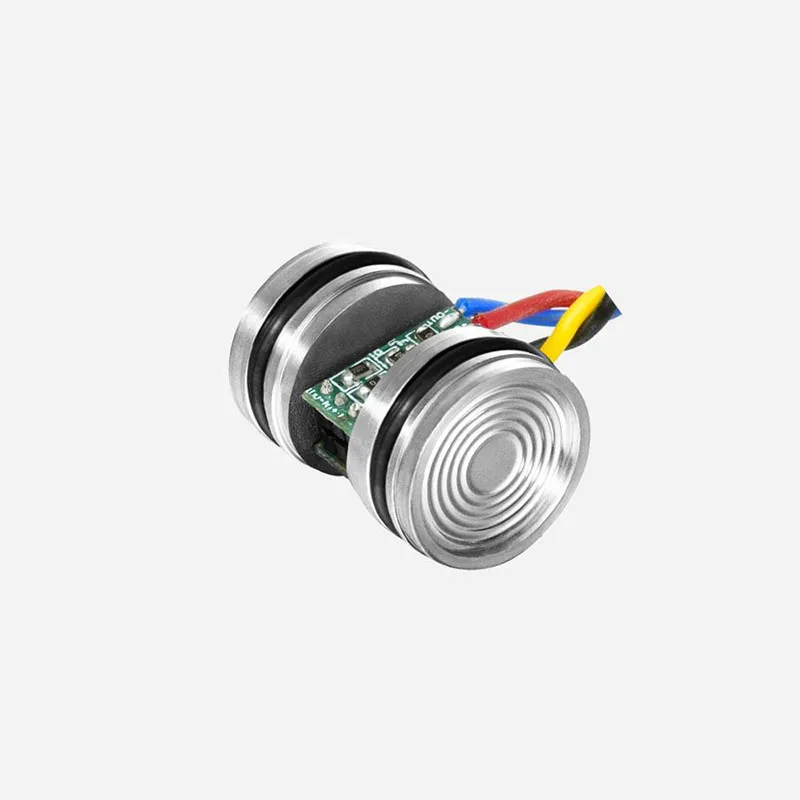
MDM290 – Compact, High-Stability Differential Pressure Sensor
| Pressure range | 20kPa–3.5MPa |
| Non-linearity | ±0.15% FS, BFSL (Typical) |
| Pressure repeatability | ±0.05% FS |
| Pressure hysteresis | ±0.05% FS |
| Zero temperature error | ±0.75% FS, @35°C |
| Full-scale temperature error | ±0.75% FS, @35°C |
| Long-term stability | ±0.20% FS/year |
| Dimensions | φ19 × 26mm |
Specifications depend on the selected configuration.
Micro Sensor provides customized pressure measurement solutions to meet diverse customer design requirements.
Conclusion
Small in size but significant in impact, pressure sensors play a pivotal role in mass flow controllers. From approximate measurements with errors of 10%–20% to precise control within ±1%, and from external compensation to integrated solutions, advances in pressure sensing continue to push the boundaries of accuracy in gas flow measurement and control.
Precision starts with detecting the smallest variations. Choosing an MFC equipped with a high-performance integrated pressure sensor means choosing a more reliable foundation for process accuracy.
 Copyright © 2026 MICRO SENSOR CO., LTD


