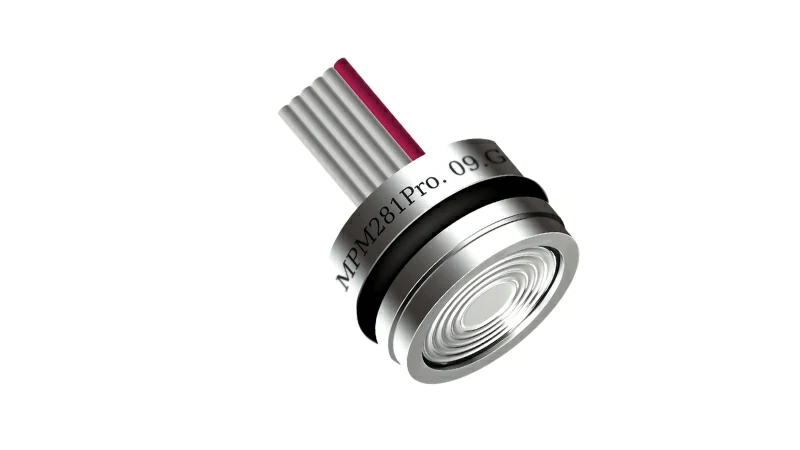
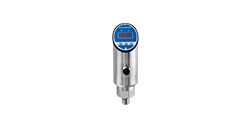
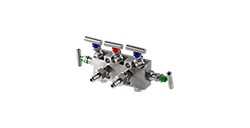
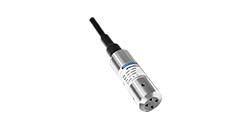
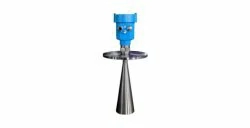
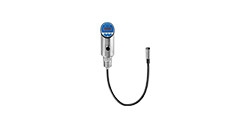
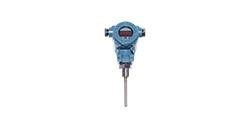
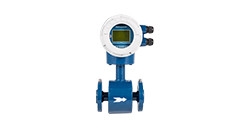
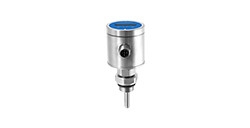




Oil-filled Pressure Sensor
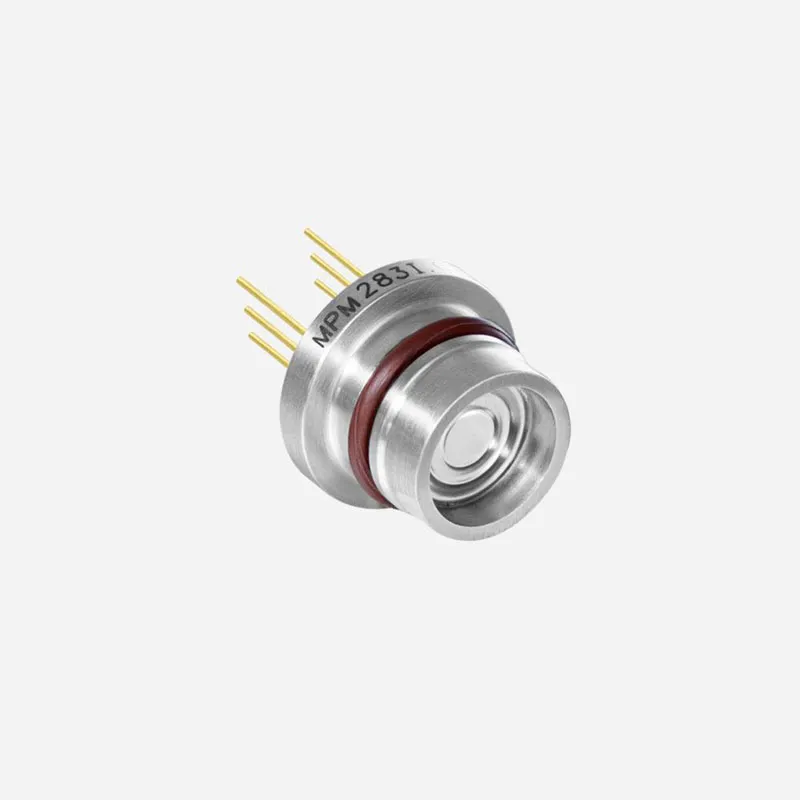
Φ15×10.5mm
0bar~1bar...35bar
0~70℃ Compensated Temp.

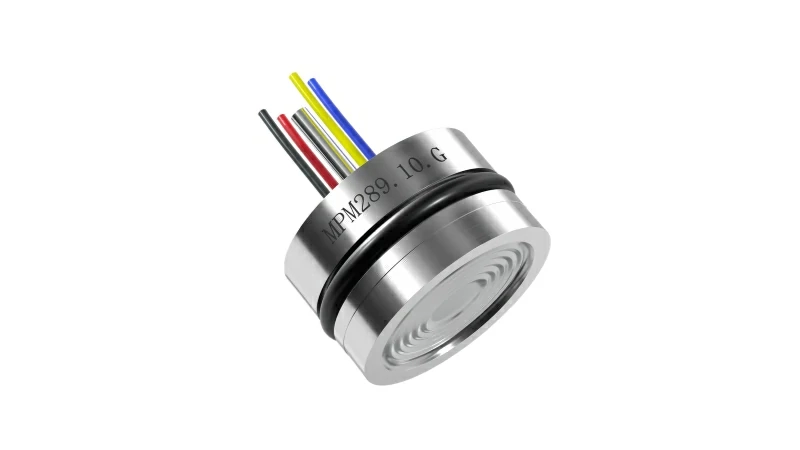
MPM283I
Industrial Process Control, Liquid Pressure System and Switch, Cooling Equipment and Air Conditioner, Aviation and Navigation Inspection
Leave a MessageMPM283I
Used For
Industrial Process Control, Liquid Pressure System and Switch, Cooling Equipment and Air Conditioner, Aviation and Navigation Inspection
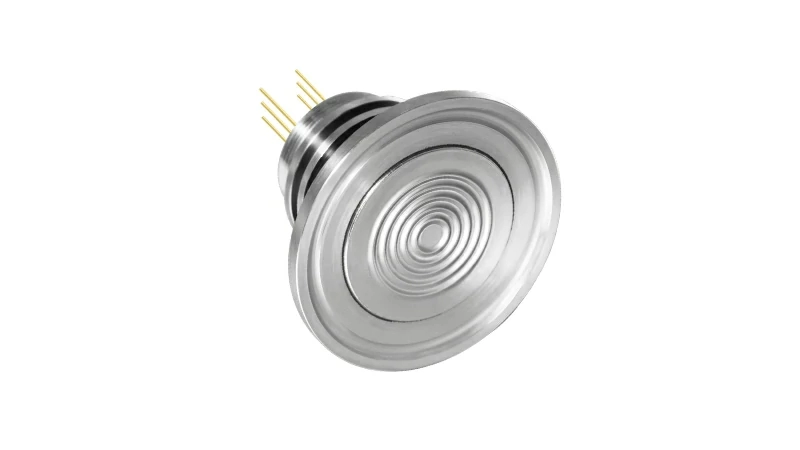
Leave a MessageThe measurement range of the MPM283I high pressure range pressure sensor is from 0 bar to 1000 bar. -10℃ ~80℃ temperature compensation range can be used in various applications. Small size saves space. Threaded connections of the high pressure sensor are easy to install. The isolation structure can measure various fluid media. Various pressure sensors of small size pressure sensors, anti-corrosive pressure sensors, and differential pressure sensors are available.
Feature
• Φ12.6mm OEM pressure sensor
• Stainless steel 316L or Hastelloy C is available
• Convenient threaded connection
Construction Performance
• Diaphragm: Stainless steel 316L
• Housing: Stainless steel 316L
• Electrical connection: Kovar or Silicon rubber flexible wires
• O-ring: FKM
• Net weight: ~8g
Image:
The measurement range of the MPM283I high pressure range pressure sensor is from 0 bar to 1000 bar. -10℃ ~80℃ temperature compensation range can be used in various applications. Small size saves space. Threaded connections of the high pressure sensor are easy to install. The isolation structure can measure various fluid media. Various pressure sensors of small size pressure sensors, anti-corrosive pressure sensors, and differential pressure sensors are available.
Feature
• Φ12.6mm OEM pressure sensor
• Stainless steel 316L or Hastelloy C is available
• Convenient threaded connection
Construction Performance
• Diaphragm: Stainless steel 316L
• Housing: Stainless steel 316L
• Electrical connection: Kovar or Silicon rubber flexible wires
• O-ring: FKM
• Net weight: ~8g


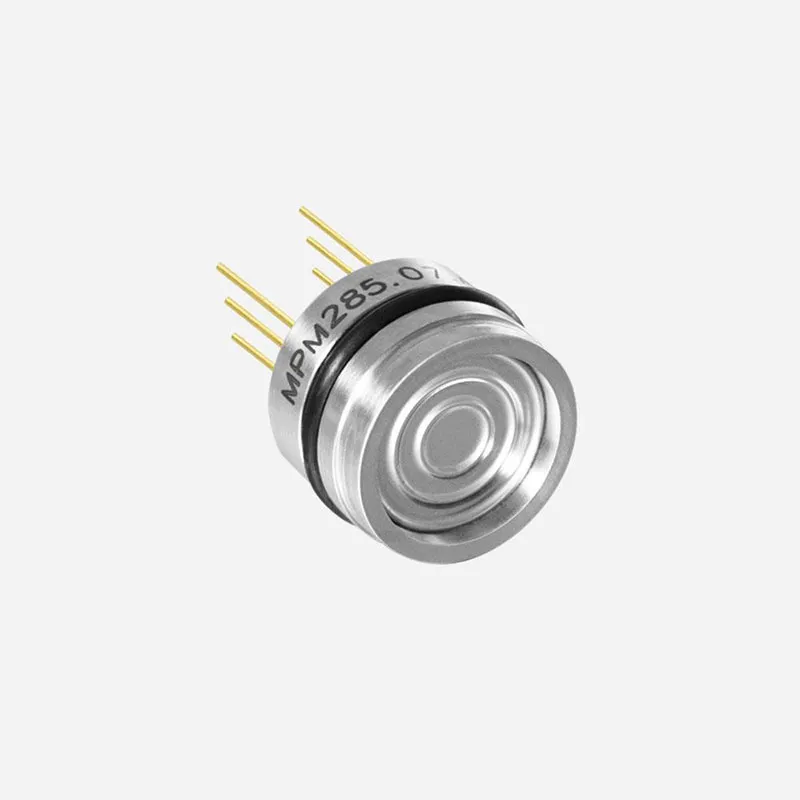
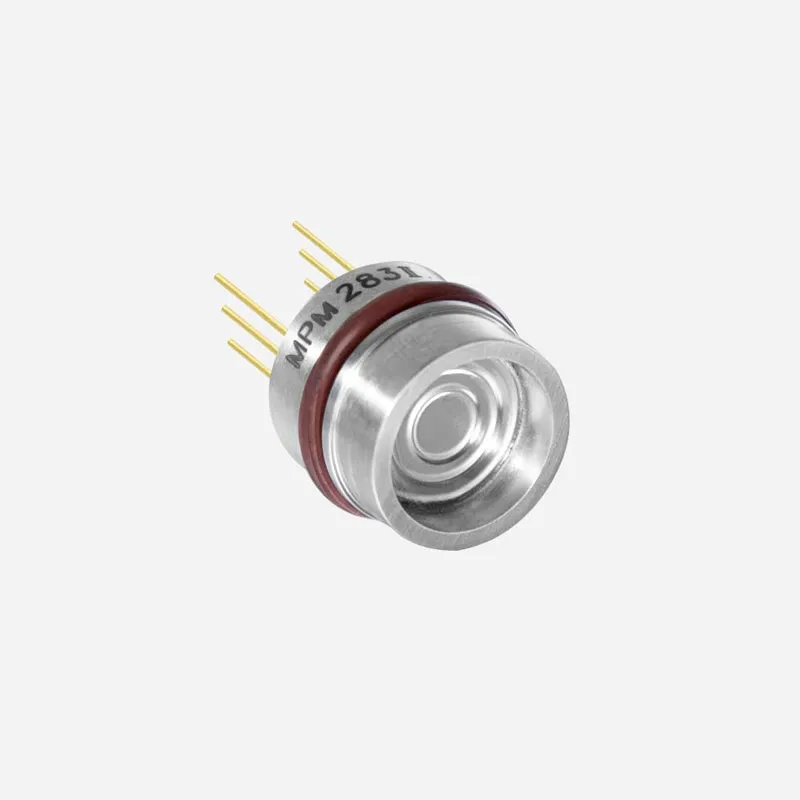
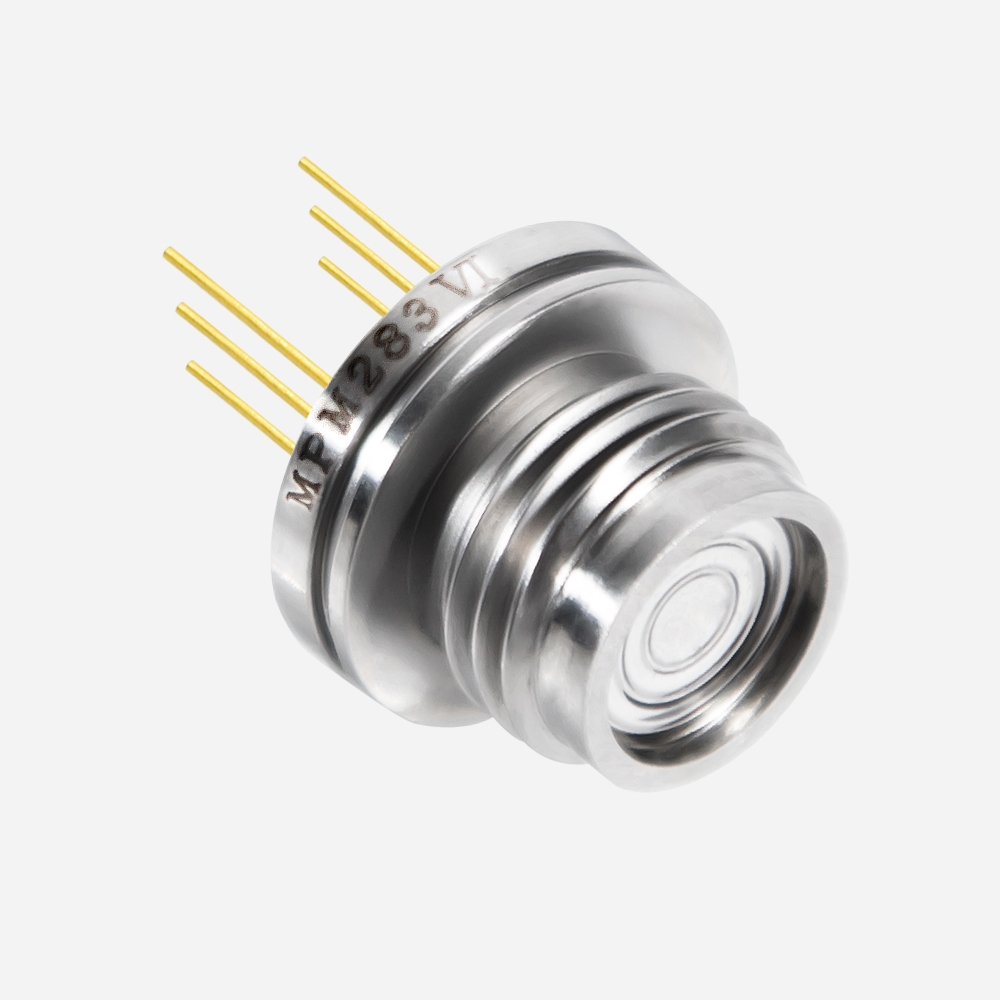
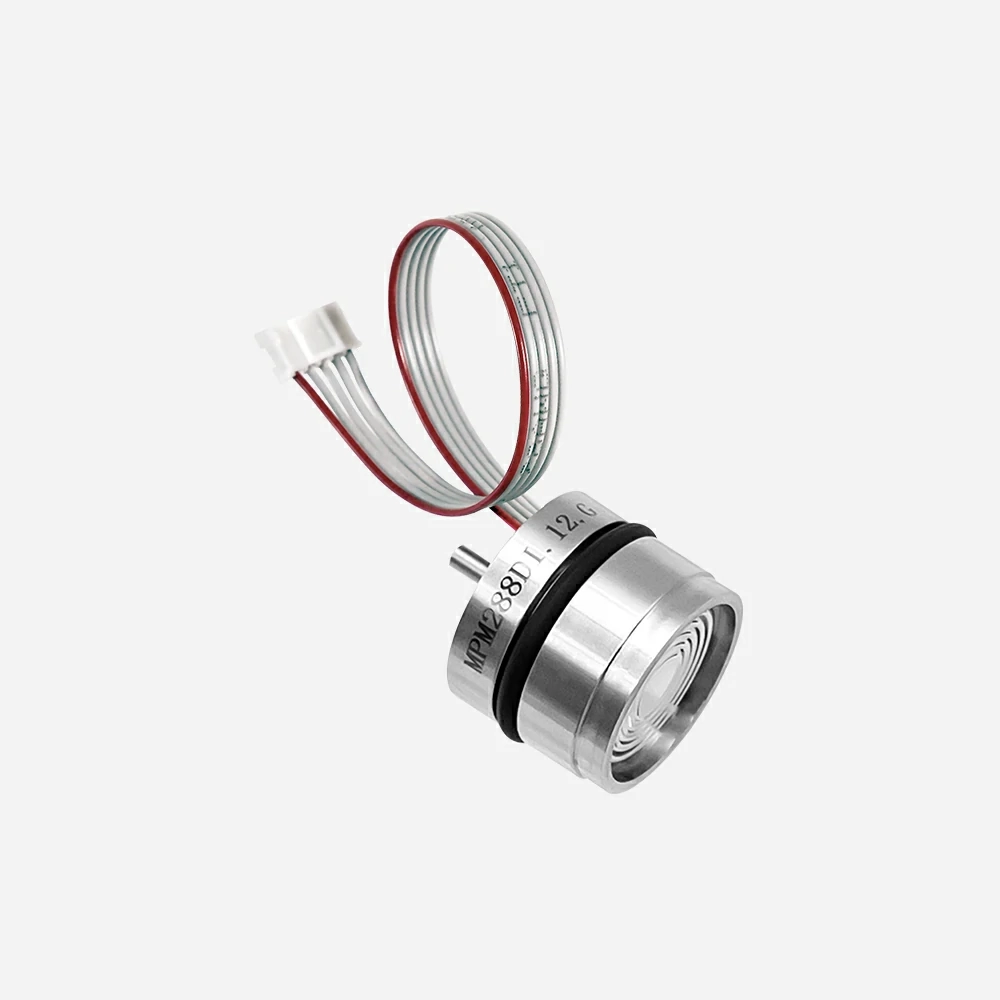
Range: -1bar…0bar~0.35bar…35bar
Output signal: Digital I²C (pressure, temperature)

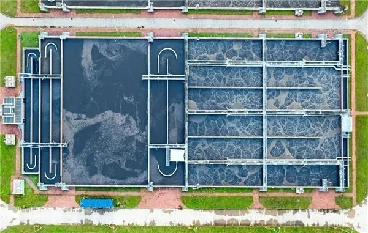
Monitor level and flow data within the river channel. Issue a warning when the water level is about to exceed the river warning line. Additionally, water quality sensor can be installed to report data such as pH value and turbidity to the relevant department's monitoring center when these values exceed normal levels. This monitors water quality, protects the river water environments, and provides data support for the supervision of illegal discharge and leakage.
more info...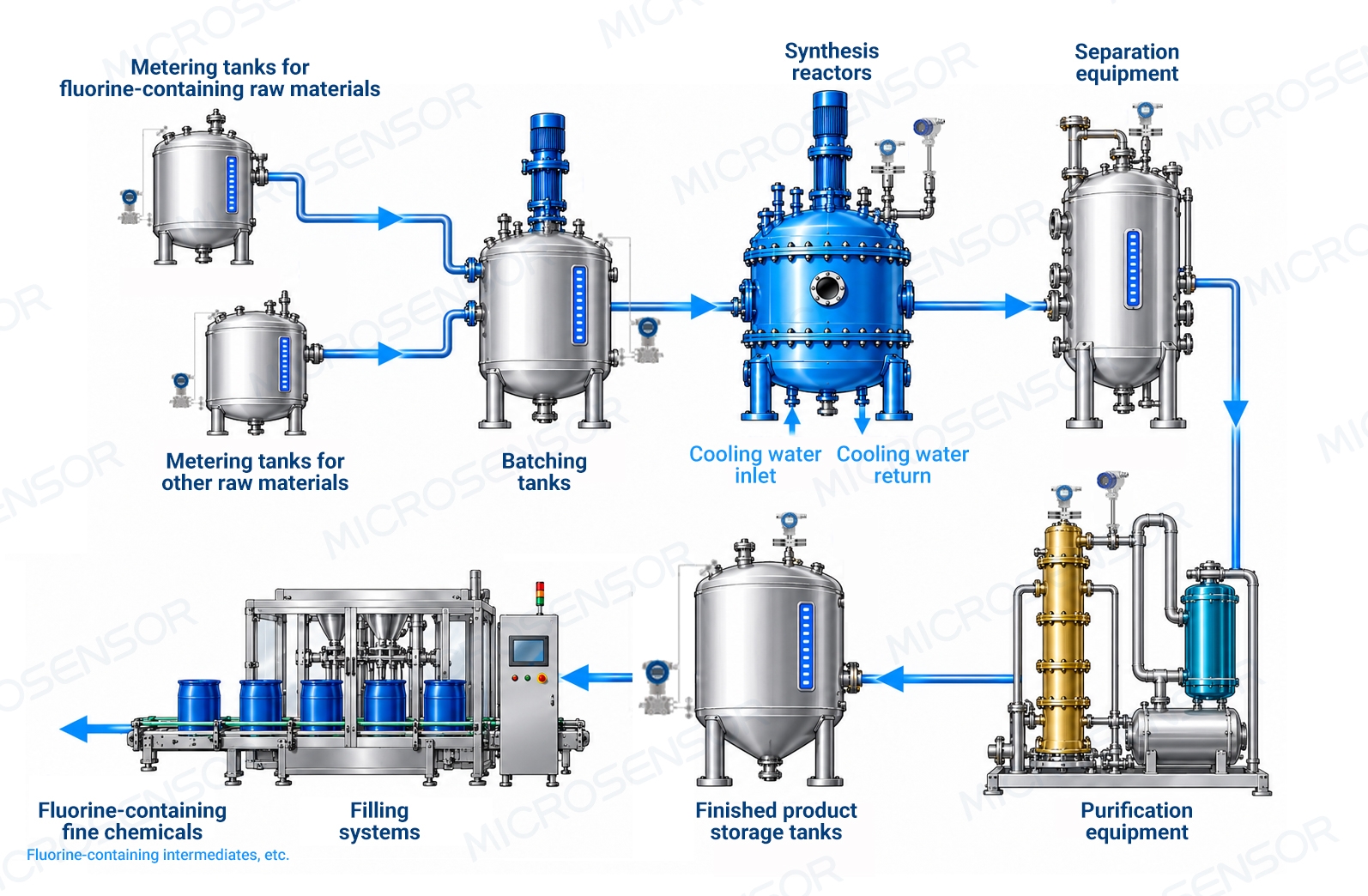
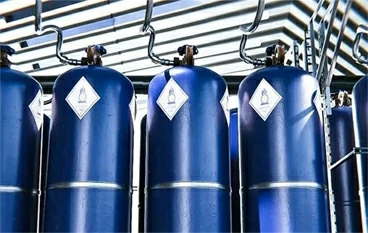
Fluorine-containing fine chemicals encompass a wide range of fluorinated intermediates and functional chemicals, serving sectors such as pharmaceuticals, agrochemicals, and electronic materials. Their production typically involves processes including raw material metering, batching, chemical synthesis, separation and purification, and the storage and filling of finished products. Given that different products entail distinct process routes and medium characteristics, there are diverse requirements for the adaptability of measurement systems and the monitoring of production processes. Addressing the needs for pressure, temperature, flow, and level measurement in the production of fluorine-containing fine chemicals, Micro Sensor provides instrument selection and comprehensive support for raw material transport, synthesis, separation and purification, and storage and logistics systems. This enables clients to monitor critical parameter fluctuations, providing a data foundation for process adjustments, batch management, and overall plant operations.
more info...
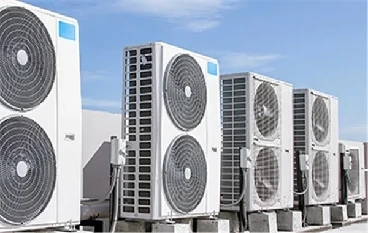
In HVAC systems, measuring the pressure of refrigerants is critical. Pressure transmitters monitor the refrigerant's pressure to ensure it operates within safe limits, preventing leaks and system failures. Accurate pressure measurement enhances system efficiency, ensures optimal cooling performance, and maintains safety by detecting potential issues early
more info...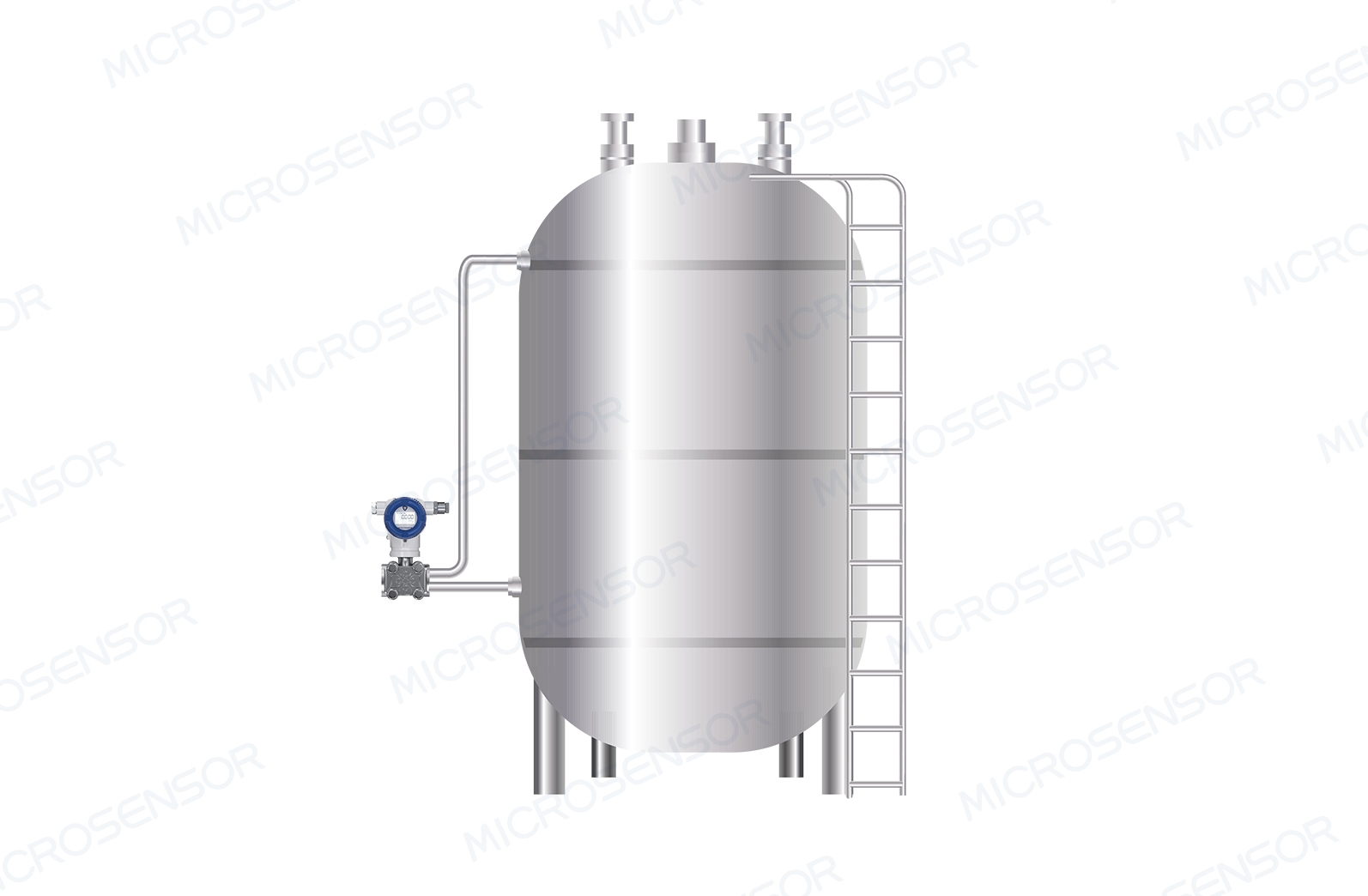
Fluorochemical reactions are often performed under demanding pressure and temperature conditions with highly corrosive media. Reliable pressure measurement is essential for maintaining stable reaction conditions, protecting equipment, and supporting safe operation. Pressure fluctuations caused by temperature changes or chemical reactions can also challenge instrument stability.
more info... Copyright © 2026 MICRO SENSOR CO., LTD