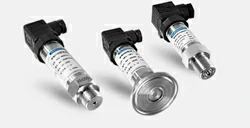
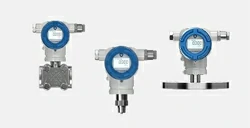
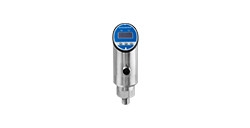
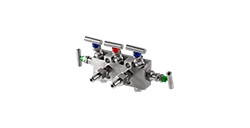




Differential Pressure Transmitter
0bar~0.4bar...35bar
Intrinsically safe, Ex ia IICT6 Ga
Accuracy: ±0.5%FS
New Product Change Notice (PCN) effective Jan 1, 2025. MICROSENSOR appreciate your understanding.

MDM290
Differential Pressure Measurement, Pressure Calibrator, Ventura and Eddy-current Flow Meter
Leave a MessageMDM290
Used For
Differential Pressure Measurement, Pressure Calibrator, Ventura and Eddy-current Flow Meter
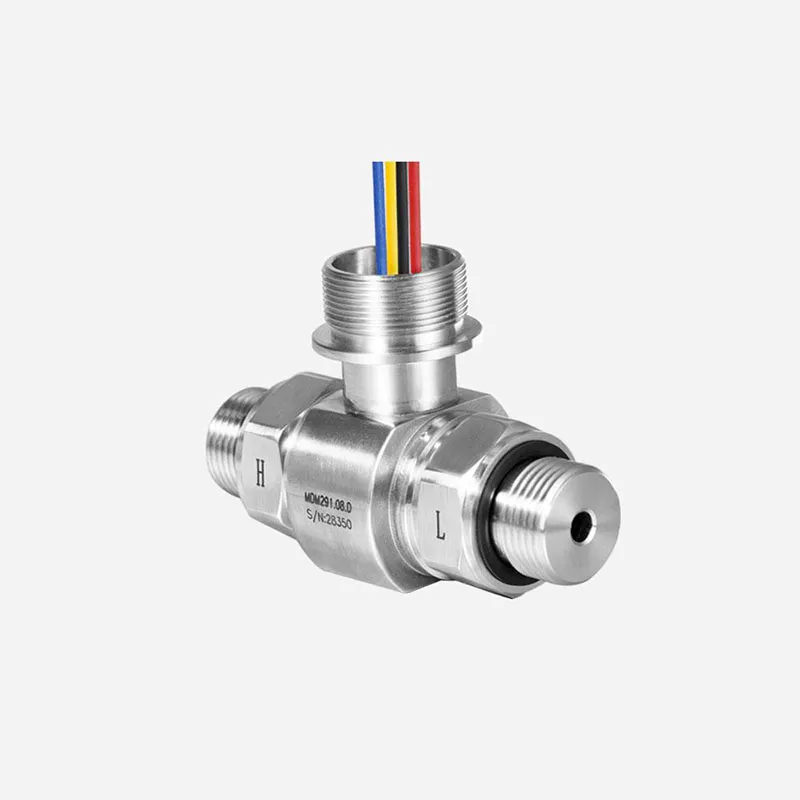
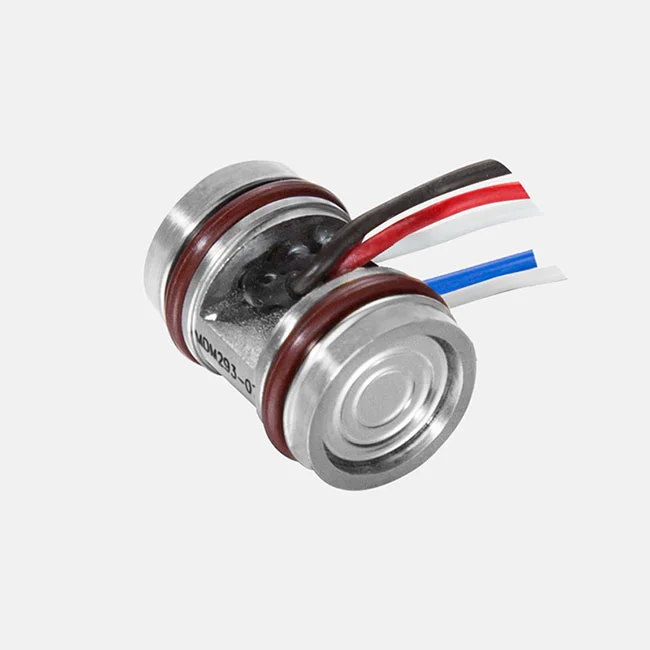
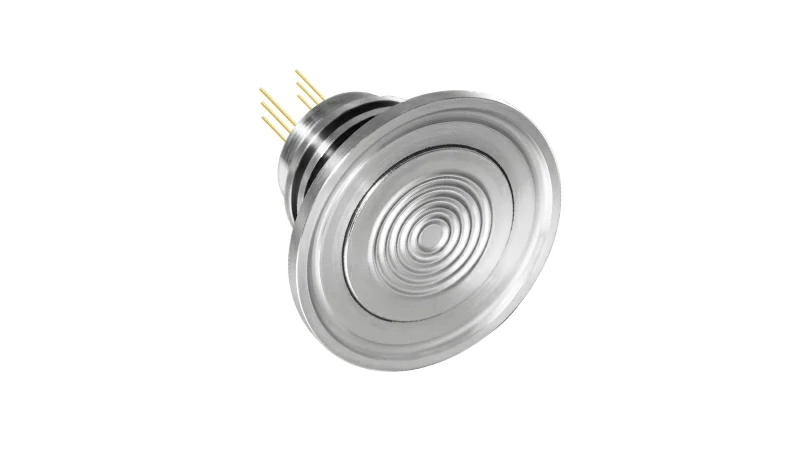
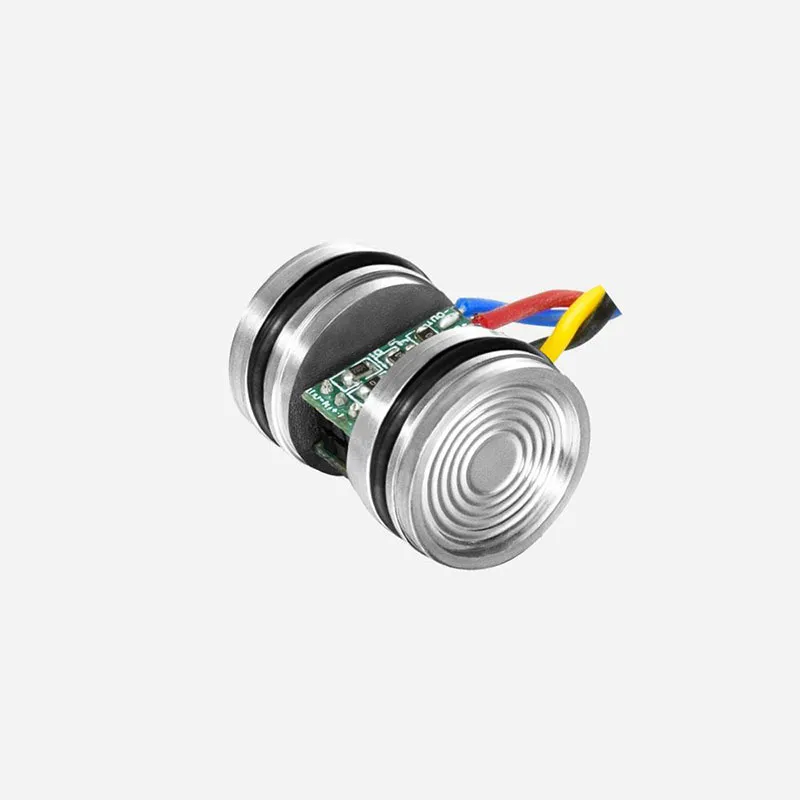
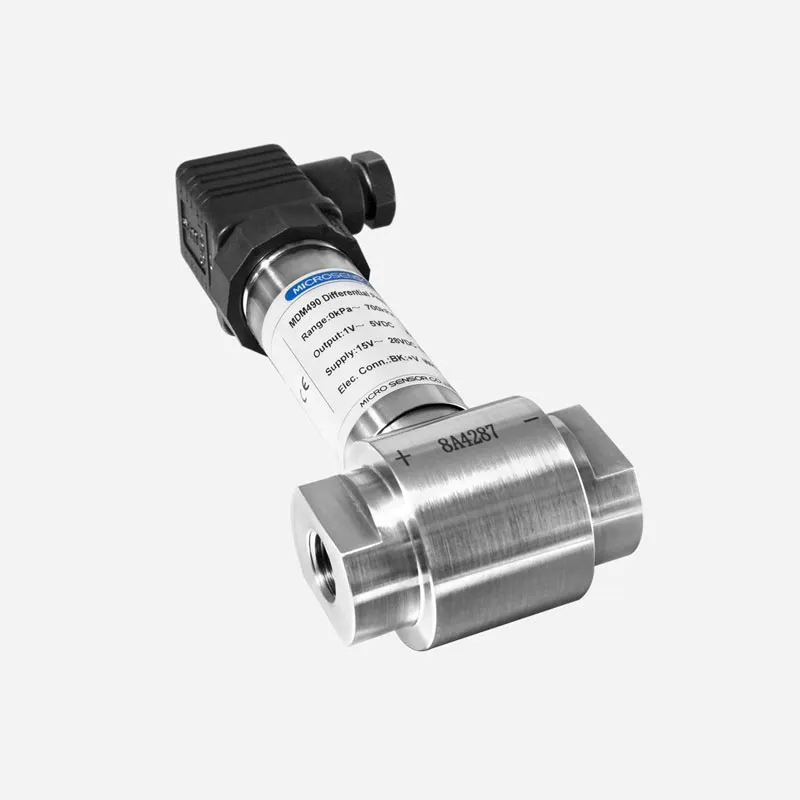
Leave a MessageThe MDM290 differential pressure sensor is piezoresistive and oil-filled type, isolated by a stainless steel corrugated diaphragm. As differential pressure sensor suppliers, Micro Sensor's pressure-sensitive components are assembled on advanced production lines, automatically tested and compensated by computer. The high and low-voltage ends are protected by isolation diaphragms. Both pressure chambers can be in contact with certain corrosive fluid media. The installation dimensions align with typical products, ensuring that the MDM290 sensor offers excellent interchangeability. MDM290 can be as an air differential pressure sensor for different gases. It is widely used in industrial process control and other fields to measure differential pressure.
Features
• Measuring range: 0.35Bar~35Bar
• Suitable for a variety of fluid media
• All 316L stainless steel material
Construction Performance
• Diaphragm: Stainless steel 316L
• Housing: Stainless steel 316L
• Pin: Silicon rubber flexible wire
• O-ring: FKM
Environment Condition
• Shock: No change at 10gRMS,(20 ~ 2000)Hz
• Impact: 100g, 11ms
• Media compatibility: The gas or liquid which is compatible with stainless steel and FKM
Image:
The MDM290 differential pressure sensor is piezoresistive and oil-filled type, isolated by a stainless steel corrugated diaphragm. As differential pressure sensor suppliers, Micro Sensor's pressure-sensitive components are assembled on advanced production lines, automatically tested and compensated by computer. The high and low-voltage ends are protected by isolation diaphragms. Both pressure chambers can be in contact with certain corrosive fluid media. The installation dimensions align with typical products, ensuring that the MDM290 sensor offers excellent interchangeability. MDM290 can be as an air differential pressure sensor for different gases. It is widely used in industrial process control and other fields to measure differential pressure.
Features
• Measuring range: 0.35Bar~35Bar
• Suitable for a variety of fluid media
• All 316L stainless steel material
Construction Performance
• Diaphragm: Stainless steel 316L
• Housing: Stainless steel 316L
• Pin: Silicon rubber flexible wire
• O-ring: FKM
Environment Condition
• Shock: No change at 10gRMS,(20 ~ 2000)Hz
• Impact: 100g, 11ms
• Media compatibility: The gas or liquid which is compatible with stainless steel and FKM


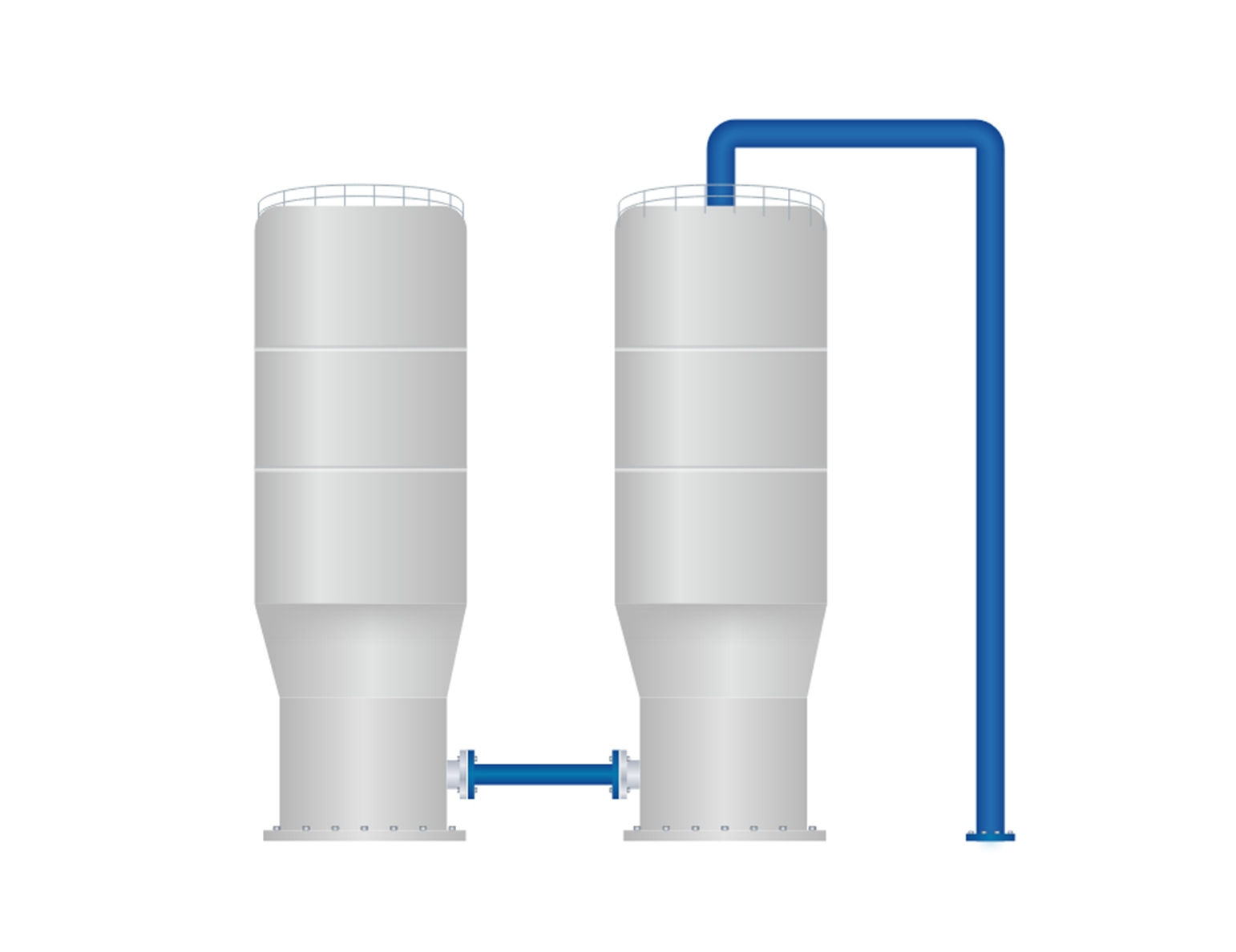
Large, high-capacity pulp storage towers with agitation homogenize the prepared pulp to guarantee continuous paper mill operation. Pump operation produces steam from the heated, agitated pulp, which also causes level oscillations.
more info...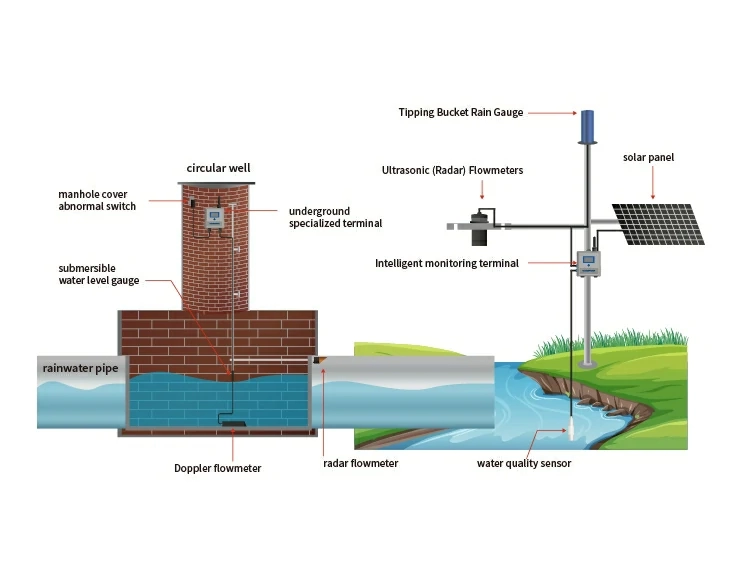
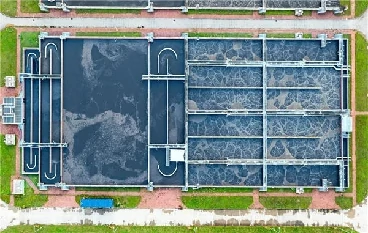
Pressure, level, and flow measurements at the rainwater outlet ensure stable drainage. Monitoring instruments help detection and early warning of pipe burst incidents in time.
more info...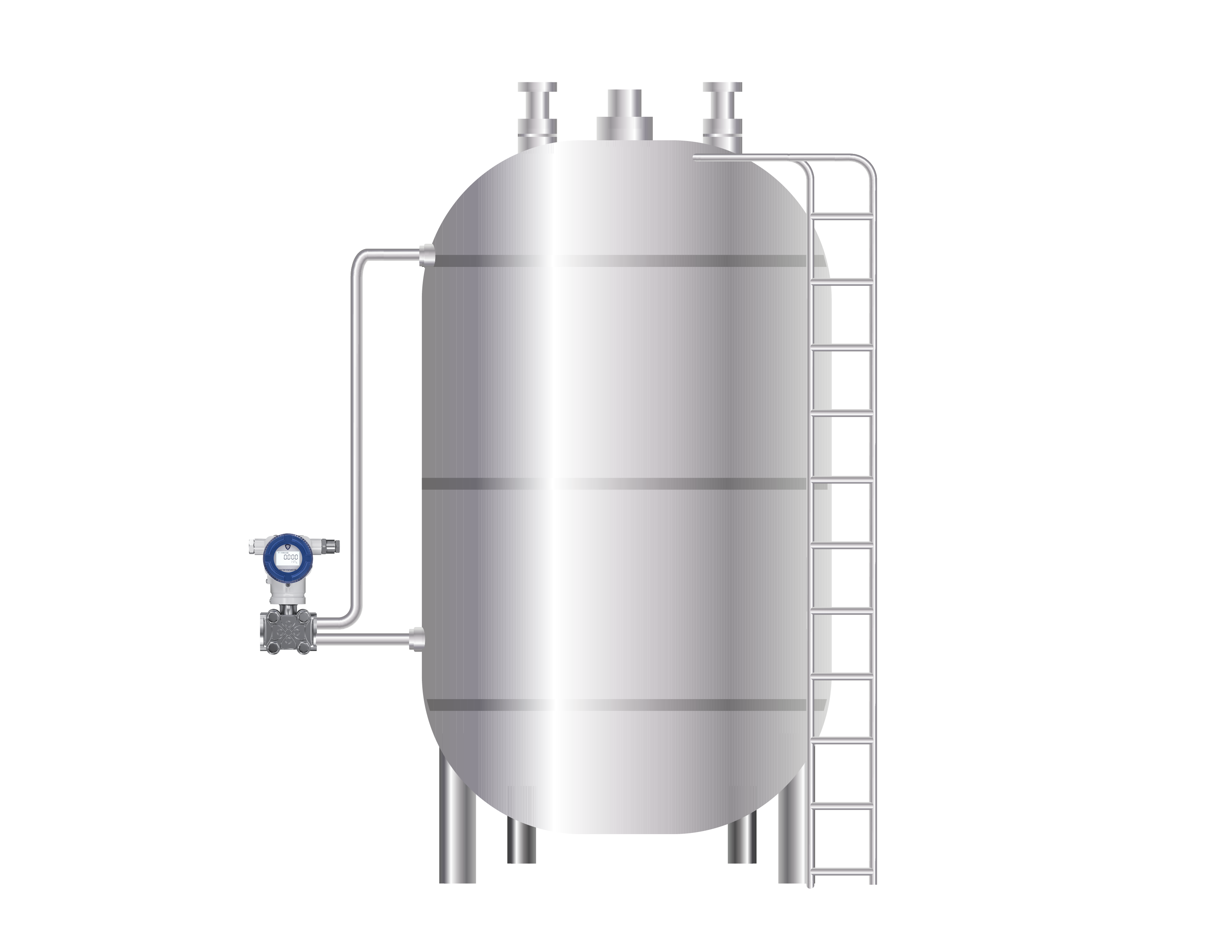
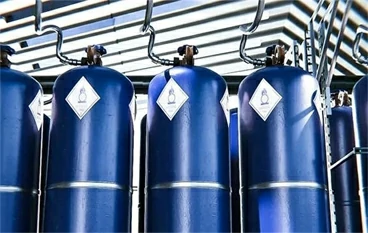
Fluorochemical reactions are often performed under demanding pressure and temperature conditions with highly corrosive media. Reliable pressure measurement is essential for maintaining stable reaction conditions, protecting equipment, and supporting safe operation. Pressure fluctuations caused by temperature changes or chemical reactions can also challenge instrument stability.
more info...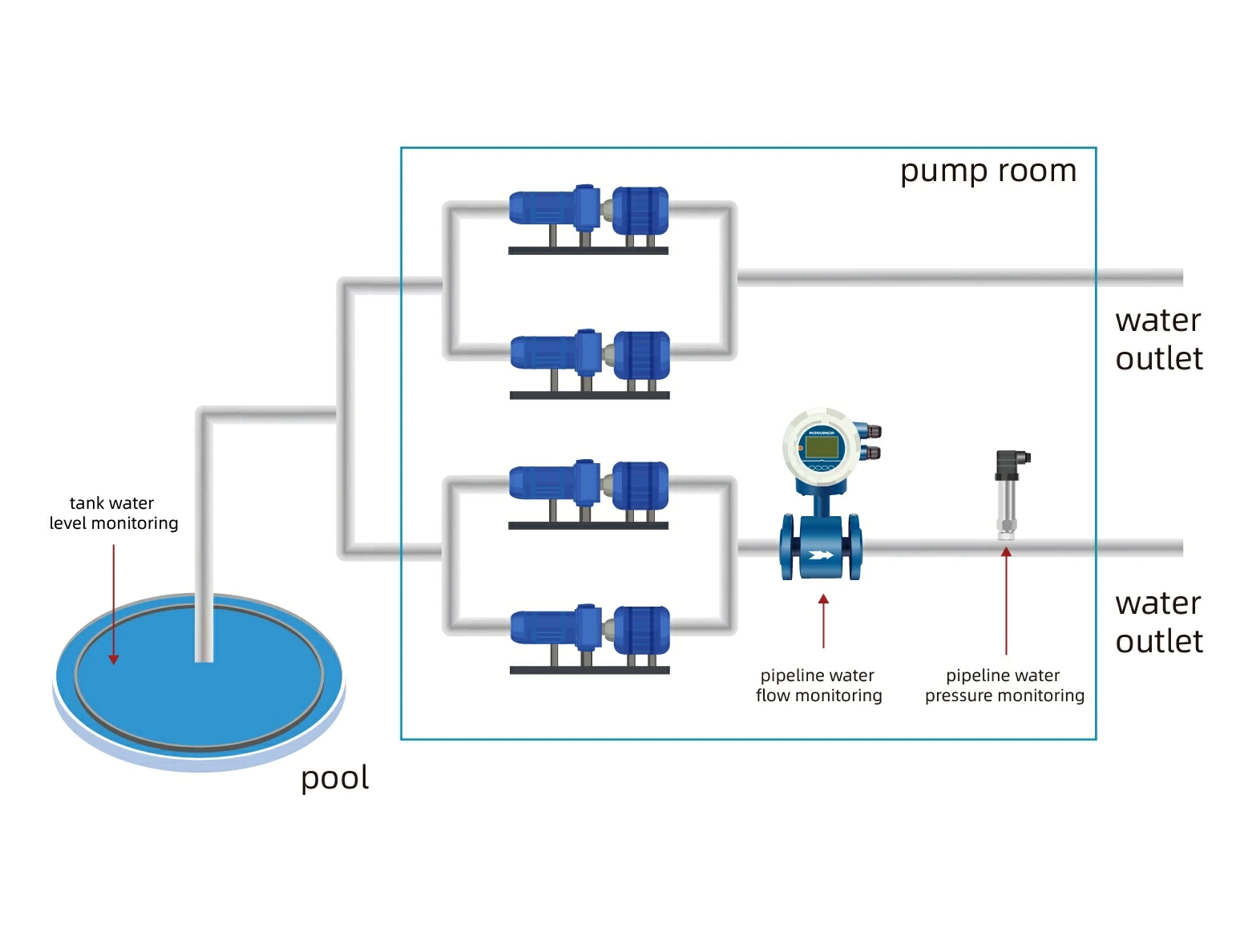
Water storage tank level, pipeline pressure, and flow within the pumping station can transmit status data to the platform via wireless networks. When anomalies are detected, the platform timely alarms. The staff handles fault information immediately. It ensures the normal operation of the water supply system.
more info... Copyright © 2026 MICRO SENSOR CO., LTD