
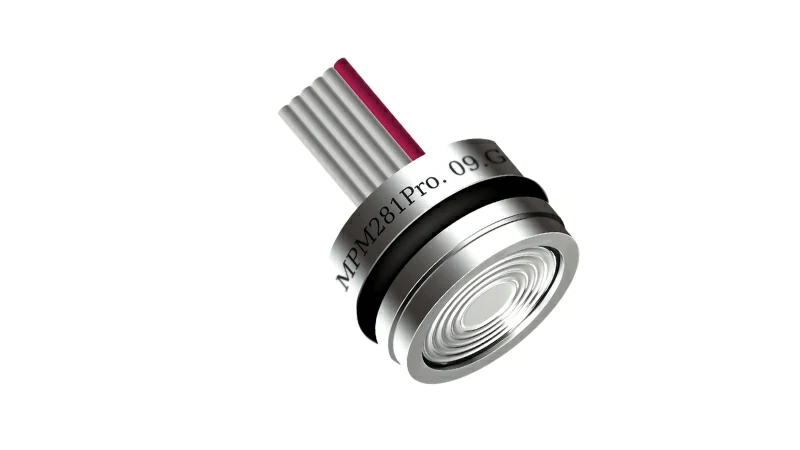
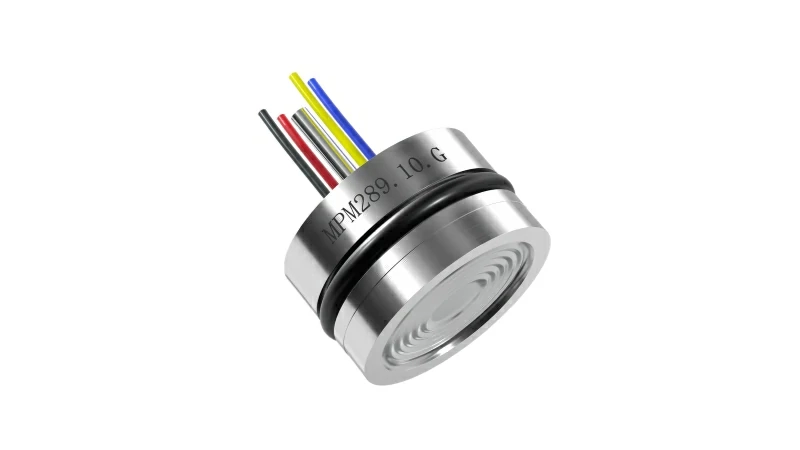
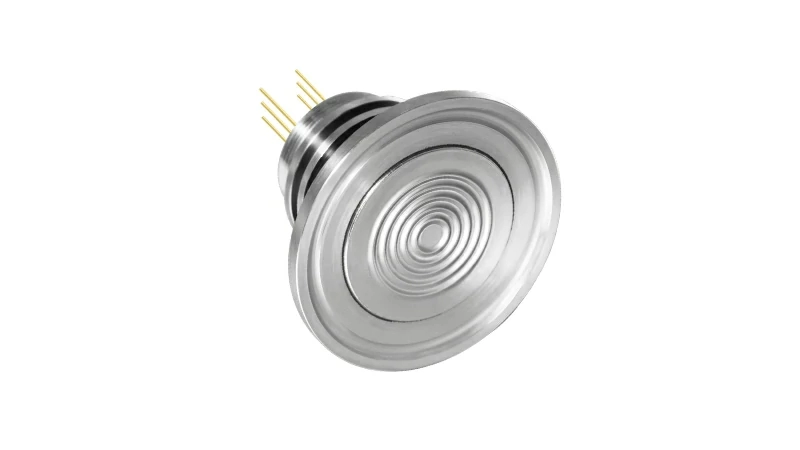
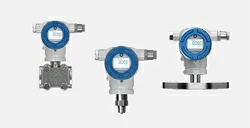
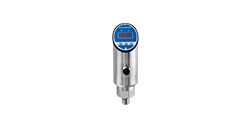
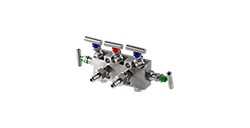
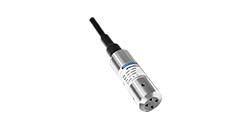
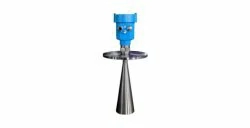

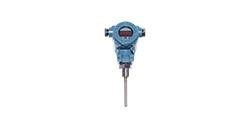
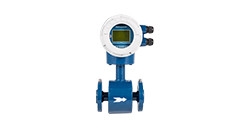
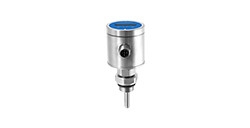











Whether used in manufacturing plants, chemical processing facilities, energy systems, or gas distribution networks, compressor systems must maintain precise pressure values to ensure reliable performance and consistent gas delivery. A pressure transmitter is an essential component in these systems. It continuously monitors pressure conditions and converts signals to a programmable logic controller (PLC), compressor controller, or industrial automation system for real-time monitoring and control.

Where Are Pressure Transmitters Used in Industrial Compressor Systems?
Pressure transmitters are installed at critical points throughout compressor systems to provide continuous pressure feedback. Although the compressed media and operating conditions may vary, the main measurement requirements are largely similar.
Inlet and Suction Pressure Monitoring
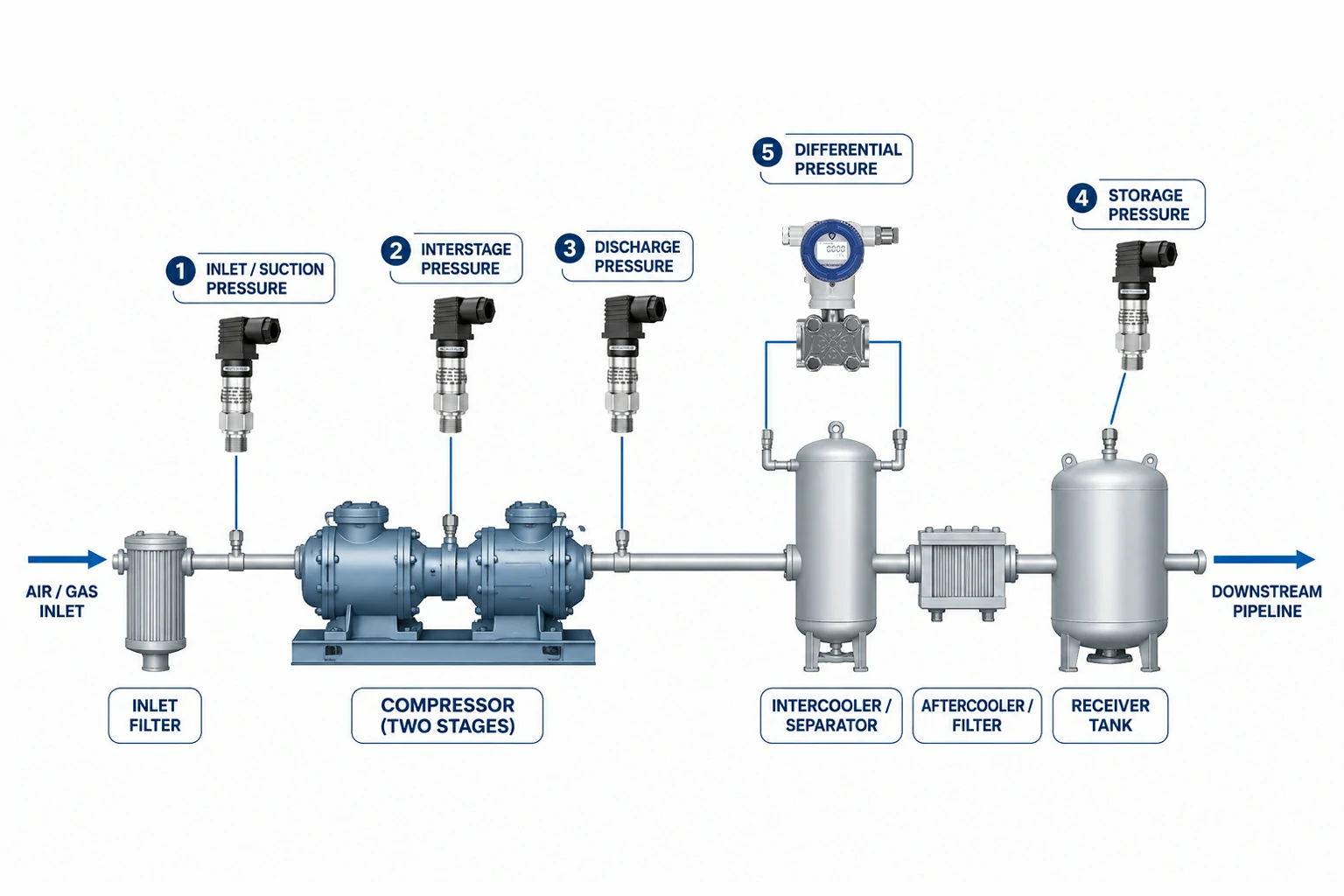
Monitoring inlet pressure is important for evaluating the operating conditions of a compressor. A pressure transmitter installed at the suction side measures the incoming air or gas pressure and provides feedback to the control system.
Changes in inlet pressure may indicate insufficient gas supply, blocked intake filters, upstream pipeline restrictions, or other abnormal operating conditions. Continuous inlet pressure monitoring helps operators identify potential problems early and maintain stable compressor operation.
Intermediate Pressure Monitoring
In multistage compression systems, pressure transmitters are used to monitor pressure between compression stages. Intermediate pressure measurement helps evaluate the operating conditions of each compression stage and identify abnormal pressure variations. It also provides useful information for monitoring the performance of intercoolers and other associated equipment. Accurate interstage pressure monitoring supports stable operation and helps prevent excessive loading on individual compression stages.
Discharge Pressure Monitoring and Control
Discharge pressure is one of the most important parameters in compressor operation. A pressure transmitter installed at the compressor outlet continuously measures the delivered pressure and sends a feedback signal to the control system. Based on this signal, the compressor controller can adjust motor speed, loading and unloading conditions, or other control parameters to maintain the required output pressure. Stable discharge pressure ensures a consistent supply of compressed air or gas to downstream equipment and helps prevent unnecessary pressure fluctuations.
Storage Tank and Pipeline Pressure Monitoring
Pressure transmitters are also widely used in compressed air receiver tanks, gas storage vessels, and distribution pipelines. They monitor stored pressure and pipeline pressure to ensure that the system operates within the required pressure range. In addition, comparing pressure measurements at different points can help identify abnormal pressure losses, potential leakage, and insufficient supply pressure in downstream pipelines.
Differential Pressure Monitoring
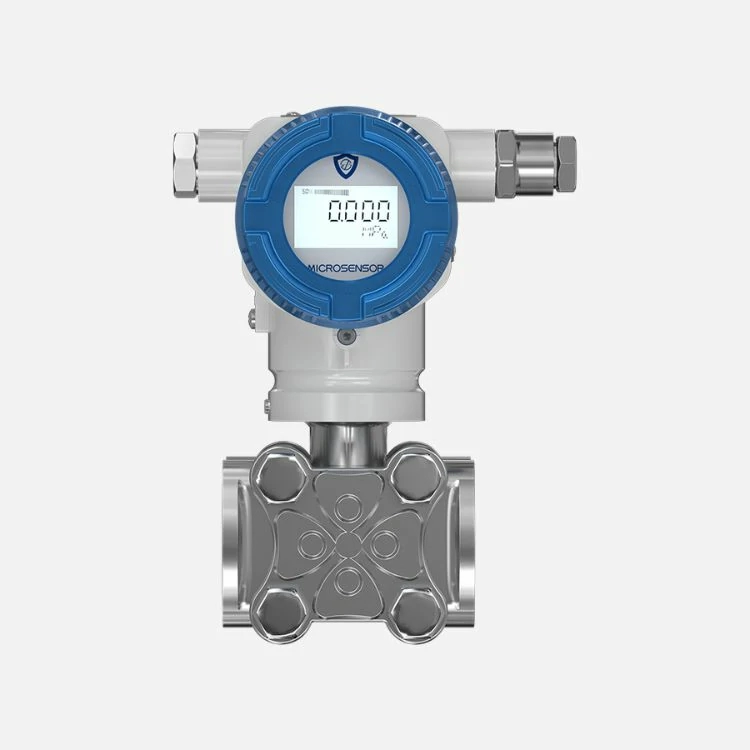
Differential pressure measurement is commonly used to monitor the condition of filters, separators, and other components in compressor systems. Differential pressure transmitters measure the pressure difference between two points, helping operators evaluate the degree of flow restriction.
An increasing differential pressure may indicate filter contamination, separator blockage, or other flow restrictions. This information helps maintenance teams determine when inspection or replacement is necessary.
Typical Applications of Compressor Pressure Transmitter
Pressure transmitters are widely used in compressor systems across various industries. Typical applications include:
- Oil and Gas: Natural gas compression stations, gas transmission pipelines, and gas storage systems.
- Petrochemical: Process gas compressors, chemical gas compression systems, and industrial gas supply.
- Manufacturing: Industrial air compressors, compressed air distribution networks, and factory pneumatic systems.
- Power Generation: Instrument air systems, fuel gas compression, and auxiliary air supply systems.
- Pharmaceutical: Clean compressed air systems and process gas compression equipment.
Key Technical Parameters for Pressure Transmitters in Compressor Systems
Pressure transmitters used in compressor systems must withstand demanding operating conditions, including pressure fluctuations, mechanical vibration, temperature variations, and different process media. The following technical characteristics should be considered when selecting a pressure transmitter.
Overload Capacity
The measuring range should not match the compressor's normal operating pressure, while providing sufficient margin for pressure fluctuations and transient peaks. For example, a compressor operating at 7–8 bar with occasional pressure peaks of 12 bar may require a 0–10 bar transmitter with adequate overpressure capacity or a wider 0–16 bar measuring range. The selection should be based on the actual operating conditions and the manufacturer's specified overload limits.
Vibration Resistance
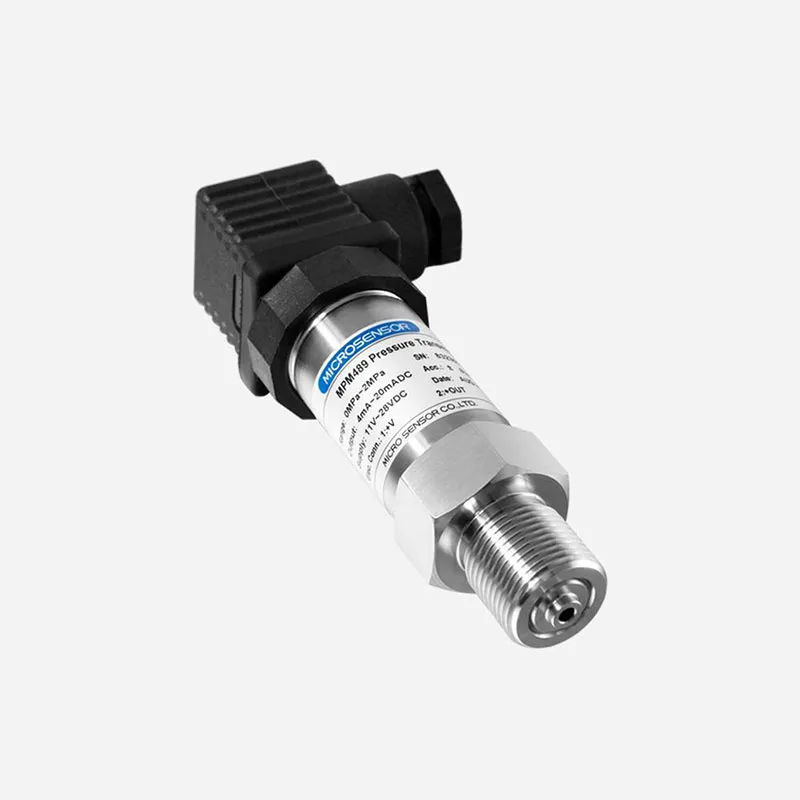
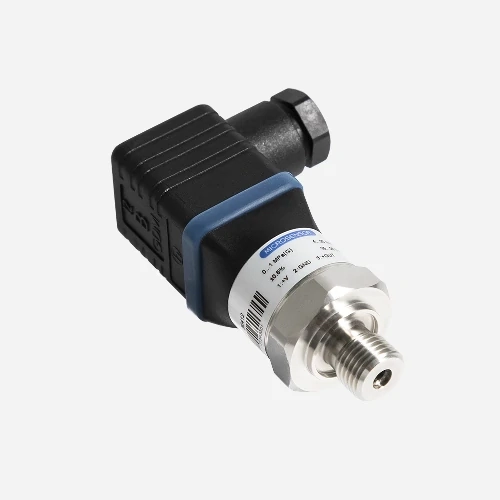
Compressor systems generate mechanical vibration during operation. Pressure transmitters installed in these systems must maintain reliable measurement performance under mechanical vibration and pressure pulsations. For industrial pressure transmitters, vibration resistance of 10 g to 20 g is a useful product-specification benchmark, with testing commonly conducted according to IEC 60068-2-6. For example, MPM4511A industrial pressure transmitter design with specified vibration resistance, preferably verified according to the standards.
Media Compatibility
Wetted materials and sealing components must be compatible with the compressed air and industrial gases to ensure long-term reliability, measurement stability, and operational safety. For general compressed air and nitrogen applications, stainless steel 316L is widely used for pressure diaphragms and process connections due to its good corrosion resistance and compatibility with many industrial gases. Special attention should be given to applications involving hydrogen, oxygen, corrosive gases, or gases with specific purity requirements.
Pressure Transmitter from MICROSENSOR
Pressure transmitters are essential measurement components in air compressors and industrial gas compression equipment. By integrating reliable pressure transmitters into compressor systems, equipment manufacturers and industrial users can improve pressure control, detect abnormal operating conditions, protect critical components, and optimize energy efficiency. Selecting the right pressure transmitter requires an understanding of the operating conditions and measurement requirements of the entire compressor system. Looking for a pressure transmitter for your air compressor or industrial gas compression equipment? We offer flexible solutions to combine ranges, materials, outputs, and electrical connections. Contact our team to discuss your application requirements and find a suitable pressure measurement solution.
Frequently Asked Questions (FAQs)
1. What is the function of a pressure transmitter in an air compressor?
A pressure transmitter continuously measures pressure at critical points in an air compressor, such as the inlet, discharge outlet, and air receiver tank. It converts the measured pressure into an electrical signal for the compressor controller, enabling automatic pressure regulation, monitoring, and alarm functions.
2. Where should a pressure transmitter be installed in an air compressor?
Common installation locations include the air inlet, compression stages, oil separator outlet, discharge pipeline, and air receiver tank. The exact location depends on the compressor design and the pressure measurement function.
3. What output signal is commonly used for compressor pressure transmitters?
The 4–20 mA output is widely used in industrial compressor systems because of its good noise immunity and suitability for long-distance signal transmission. Other options include 0–10 V, 0.5–4.5 V, and RS485, depending on the control system.
4. Can the same pressure transmitter be used for compressed air and hydrogen?
Not necessarily. Hydrogen has specific material compatibility and sealing requirements. A pressure transmitter intended for hydrogen service should be specifically evaluated for hydrogen compatibility, pressure rating, leak tightness, and applicable approvals.
5. What is the difference between a pressure transmitter and a differential pressure transmitter?
A pressure transmitter measures pressure at a single measurement point relative to a reference, such as atmospheric pressure or vacuum. A differential pressure transmitter measures the pressure difference between two separate points. In compressor systems, differential pressure transmitters are often used to monitor filter and separator pressure drops.
6. How does a pressure transmitter help improve compressor efficiency?
It provides real-time pressure feedback for compressor control. This allows the control system to regulate motor speed, loading, unloading, and pressure settings according to system demand. Pressure monitoring can also help identify abnormal pressure losses and filter blockage.
7. What should be considered when selecting a pressure transmitter for a high-pressure gas compressor?
Important factors include measuring range, maximum working pressure, overload capacity, accuracy, temperature resistance, vibration resistance, wetted material compatibility, sealing design, electrical output, and any required hazardous-area or gas-specific approvals.
8. What types of pressure can a compressor pressure transmitter measure?
Depending on the application and sensor design, compressor pressure transmitters can measure gauge pressure, absolute pressure, and differential pressure. Gauge pressure is commonly used for monitoring compressor inlet and discharge pressure, while differential pressure is suitable for monitoring filters and separators.
9. Can pressure transmitters be used in high-temperature and high-vibration compressor environments?
Yes. Industrial pressure transmitters are available with designs suitable for elevated temperatures and mechanical vibration.

 Copyright © 2026 MICRO SENSOR CO., LTD


