
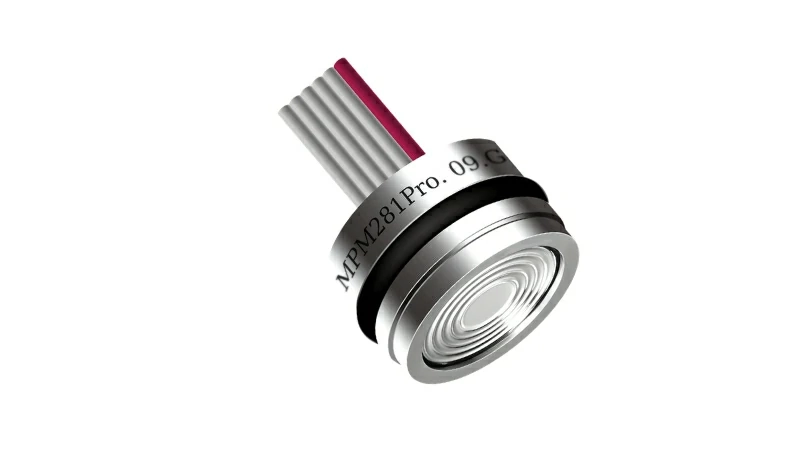
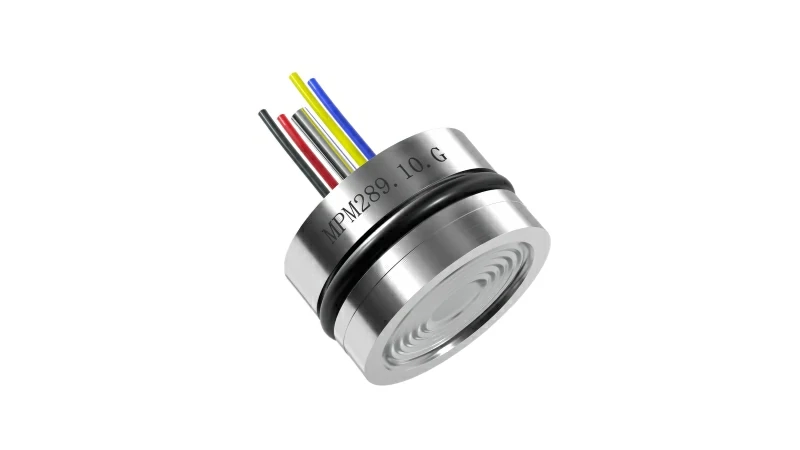
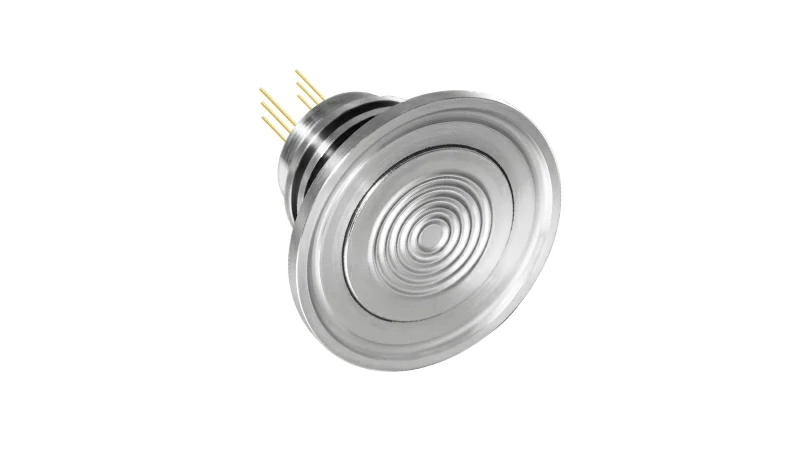
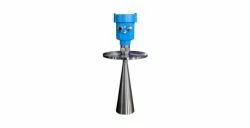
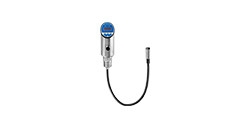
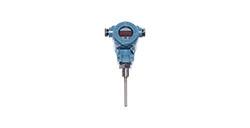
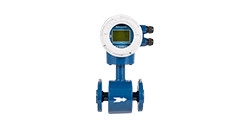
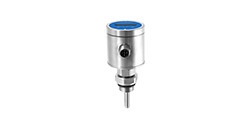
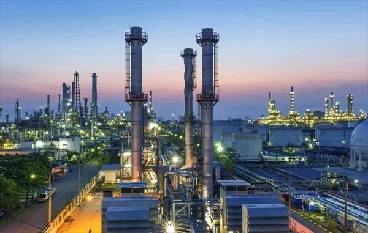



In complex industrial systems, normal operating conditions are often an ideal state rather than the everyday reality. From sudden valve closures to pump startups, the pressure measuring instruments are frequently pushed beyond their calibrated full-scale (FS) range. Pressure transmitters unable to withstand these spikes result in shifted zero points, permanent sensor deformation, or catastrophic leaks—bringing production to an unscheduled halt. These failures highlight the critical importance of a parameter: Overpressure.

What is Overpressure: The Boundary of Elasticity
Overpressure refers to the maximum pressure that may be applied to the sensing element without causing a permanent change in performance specifications or a shift in the zero point. In industrial instrumentation, the Overpressure is a fundamental safety and performance metric.
Technically, it is the boundary between the Elastic Region and the Plastic Region of the sensor's diaphragm:
Within Overpressure Limits: The diaphragm acts like a perfect spring. When the pressure is released, it returns to its original shape, ensuring the signal remains accurate.
Exceeding Overpressure: The material undergoes "plastic deformation". Even after the pressure returns to zero, the diaphragm remains slightly stretched. This leads to zero drift (the sensor shows a reading when there is no pressure) and a loss of linearity and hysteresis.
Common Overpressure Scenarios
Even in well-designed systems, pressure spikes are unavoidable. Understanding where these risks originate is the first step toward system resilience:
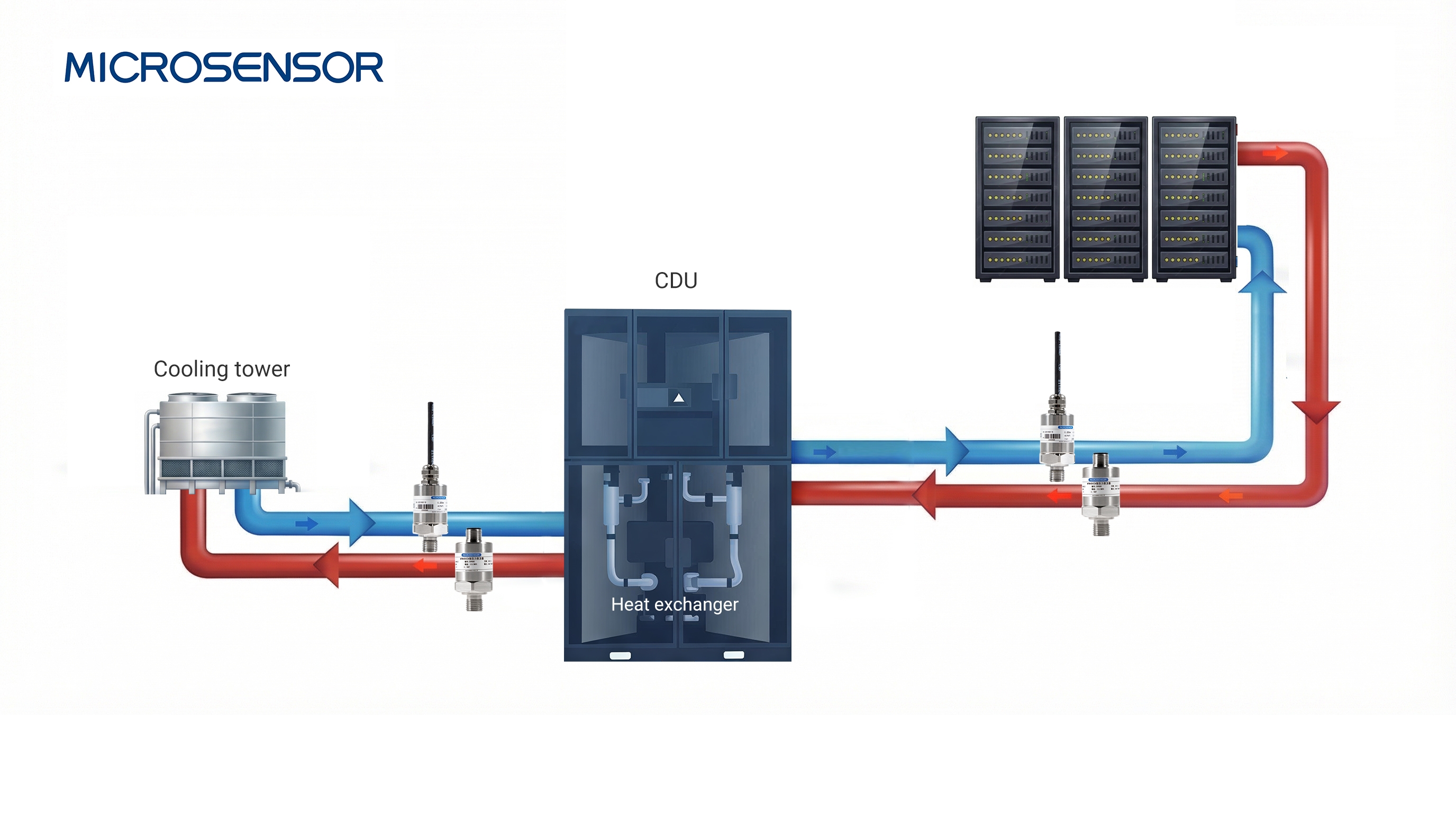
• Water Hammer (Hydraulic Shock): Rapid kinetic energy surges caused by abrupt fluid stoppage or direction changes. This is common in long-distance pipelines and high-flow cooling systems where a valve closing in milliseconds can generate a shockwave several times the rated system pressure.
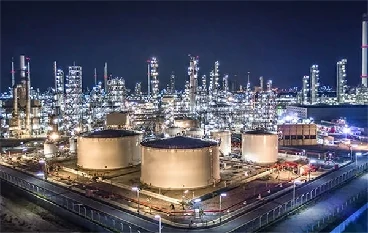
• System Malfunctions & Thermal Expansion: Pressure buildup in closed-loop systems due to temperature fluctuations or regulator failures. In chemical processing or HVAC circuits, liquid trapped between two closed valves can expand significantly with even a minor temperature rise, placing immense static stress on the sensor.
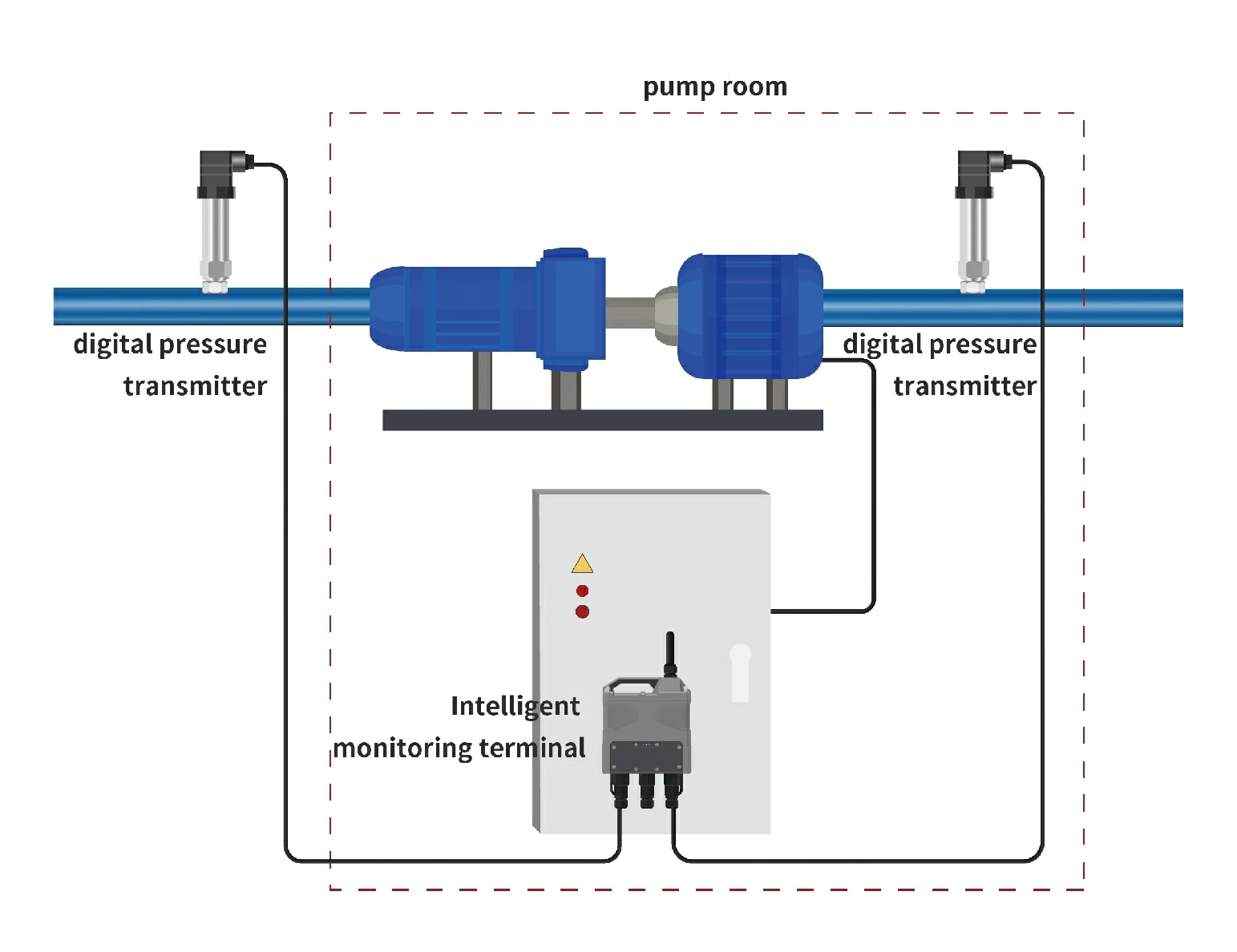
• Pump Start-Ups: During the initial activation of heavy-duty pumps or compressors, the system often experiences a massive "startup spike" before reaching a steady state. These high-inertia loads require transmitters that can endure the initial surge without losing calibration.
• Clogging & Blockages: In wastewater or slurry applications, a partial blockage in the piping can cause localized pressure bottlenecks. When the blockage clears or the system compensates, the resulting pressure "rebound" can exceed the instrument's calibrated Full Scale (FS).
Application-Specific Overpressure from MICROSENSOR
Our pressure transmitters are strictly engineered and verified in accordance with IEC 60770, the international standard for evaluating the performance of transmitters in industrial process control systems. This rigorous testing protocol ensures that our overpressure ratings are not just theoretical but represent a verified threshold for long-term operational stability. Not every industrial environment faces the same mechanical stresses. To optimize both cost-efficiency and sensor longevity, we offer specific overpressure protection tailored to your application.
General Industrial Applications
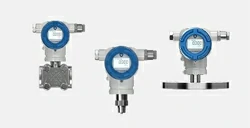
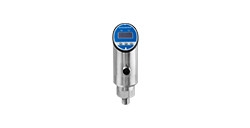
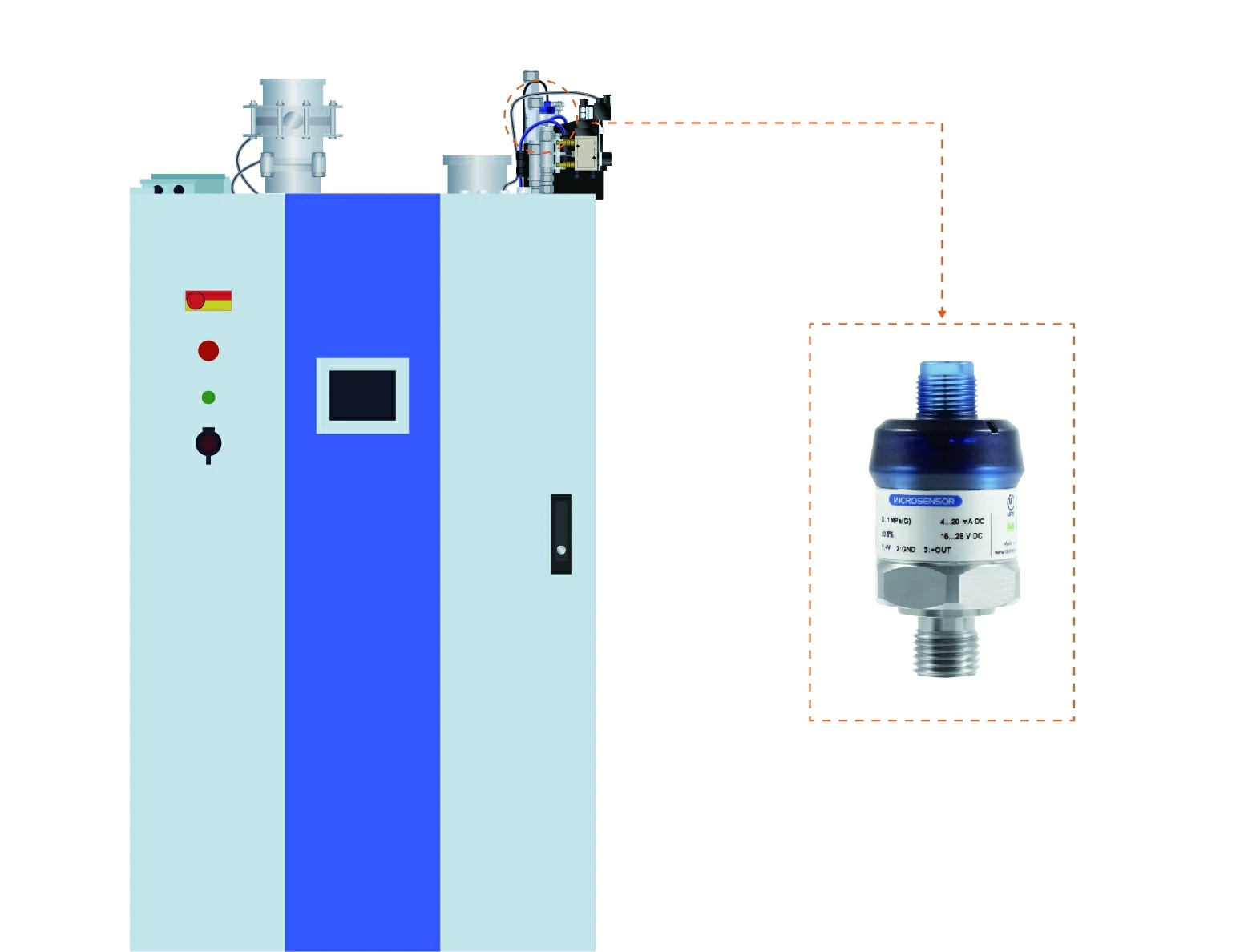
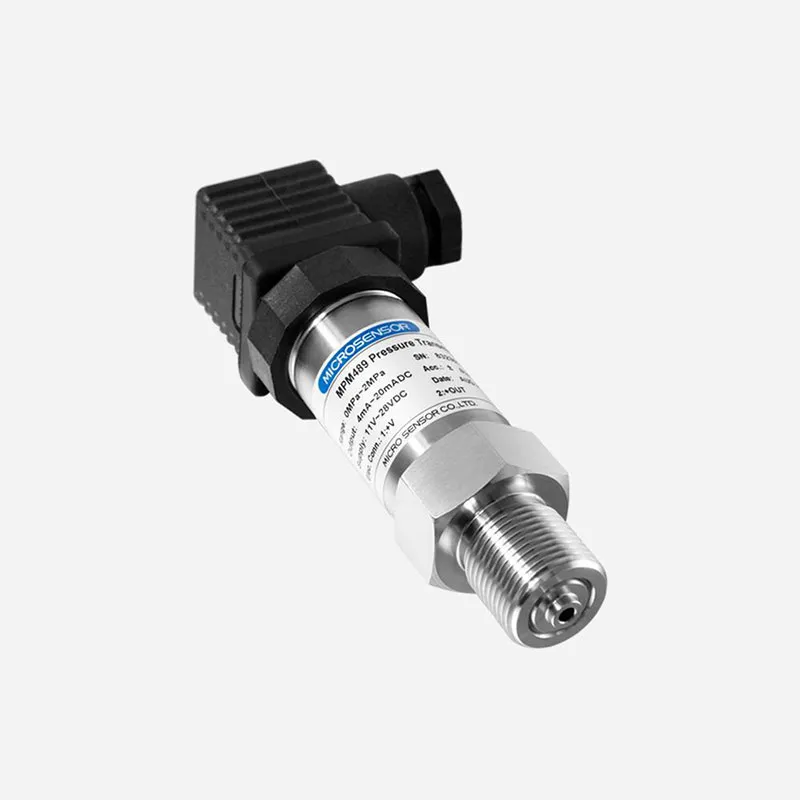
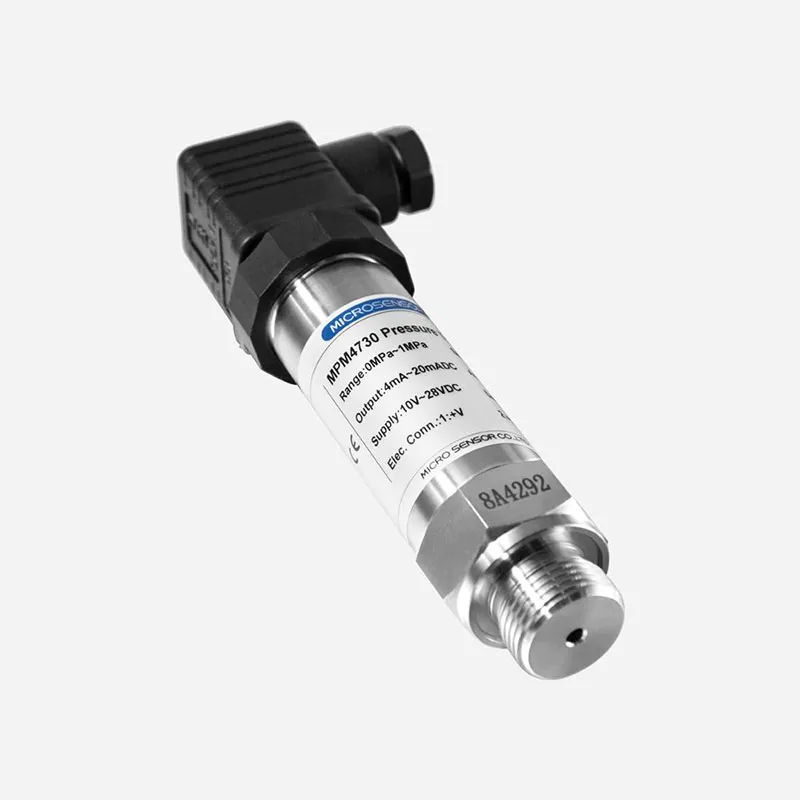
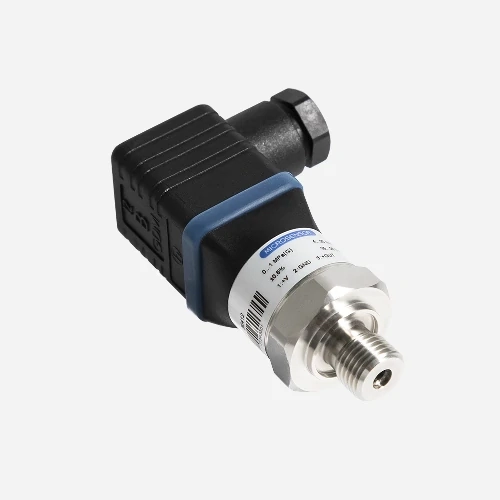
In standard hydraulic and pneumatic systems where pressure fluctuations are predictable, our 2 times FS rating MPM489 and M20 provide the industry-standard safety margin. It ensures long-term zero-point stability under normal fatigue cycles without unnecessary over-engineering.
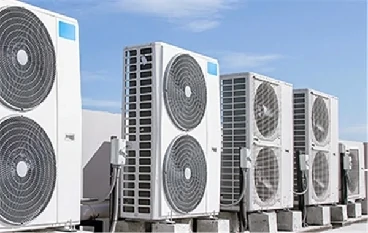
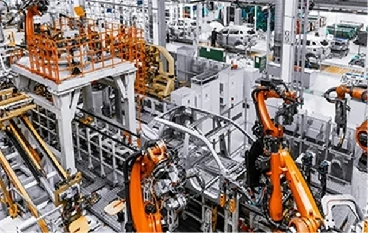
✅ Typical Scenarios: HVAC systems, compressor control, and general machinery manufacturing
 |  |  |
Heavy-Duty & Specialized Hydraulic Applications
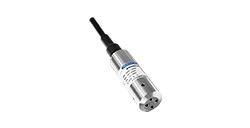
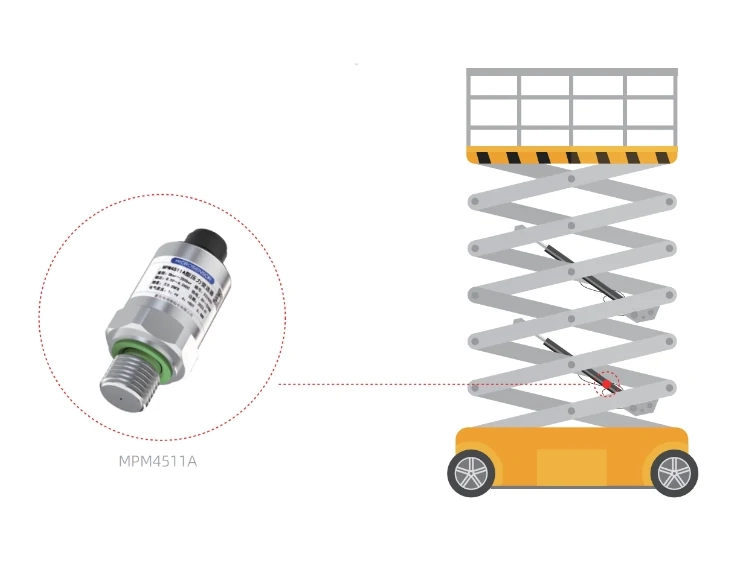
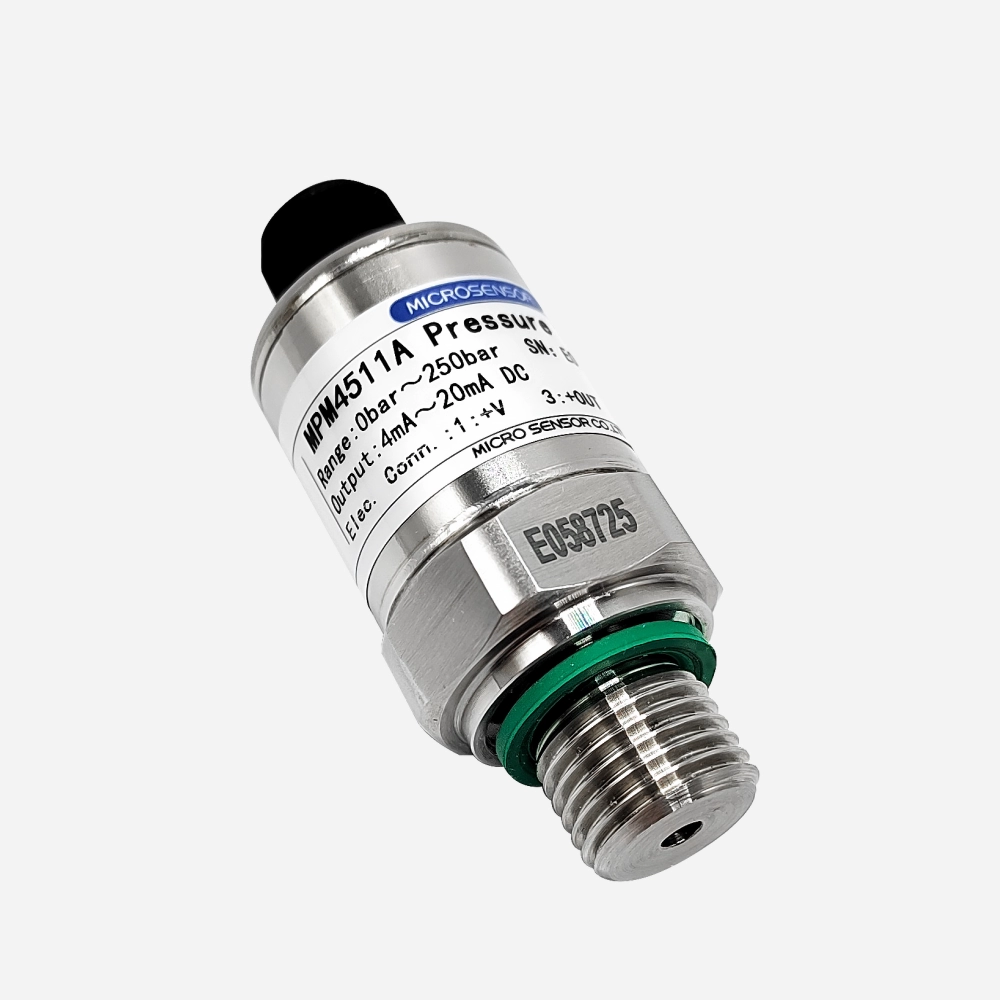
Equipment operating in harsh outdoor environments often faces mechanical vibrations combined with erratic load-induced pressure surges. Our high overpressure MPM4511A Hydraulic Pressure Transmitter and MPM4503 Pressure Transmitter are up to 3 times FS. The overpressure protection of our sensors handles these hits without recalibration needs.
✅ Typical Scenarios:
Mobile Hydraulics: Excavators, loaders, and forklift hydraulic systems.
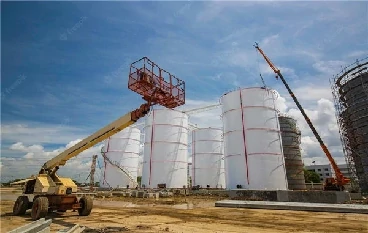
Aerial Work Platforms (AWP/MEWP): Scissor lifts, boom lifts, and telehandlers.
Frequently Asked Questions
Q1: What are the features of overpressure?
Elastic Recovery: The diaphragm returns to its original geometry once the load is removed.
Zero Stability: Maintains post-event accuracy and linearity, preventing "Zero Drift."
Operational Continuity: Temporary excursions cause no damage; the sensor resumes normal operation without recalibration.
Long-Term Stability: High-grade 316L or alloy diaphragms resist fatigue over millions of pressure cycles.
System Safety: Superior overpressure ratings provide a critical buffer between normal operation and catastrophic burst events.
Q2: What is the difference between overpressure and burst pressure?
Overpressure should not be confused with burst pressure.
Overpressure (Proof Pressure): The maximum pressure a sensor can withstand temporarily without permanent damage. After the pressure returns to the normal range, the sensor resumes accurate operation.
Burst Pressure: The ultimate physical limit. Exceeding this pressure will cause permanent mechanical failure and potential leakage of the media, posing a safety risk.
Q3: Why not choose a pressure transmitter with a much wider range to avoid overpressure?
While a higher-range pressure transmitter (e.g., 100-bar for a 10-bar system) offers a safety buffer. However, over-specifying the range makes it difficult to detect subtle pressure fluctuations, resulting in a significant loss of resolution and accuracy.
Recommendation: Select a pressure transmitter where your normal operating pressure falls within 60%–80% of the Full Scale (FS). This optimizes accuracy while relying on a high overpressure rating—rather than a higher range—to handle transient spikes.
Q4: How long can a pressure transmitter remain in an overpressure state?
Overpressure is designed for transient events (spikes, surges, water hammer). It is not intended for continuous operation. Prolonged exposure to overpressure—even if below the limit—can lead to material fatigue and shortened sensor lifespan.
More Than a Specification—An Insurance from MICROSENSOR
Overpressure capability is not just a technical specification—it is the insurance policy for your process stability. Choosing a pressure transmitter with a suitable overpressure rating is the most effective way to prevent zero drift, sensor fatigue, and costly unscheduled downtime caused by hydraulic shocks or system surges. At MICROSENSOR, we bridge the gap between theoretical limits and operational reality—ensuring that your measurement remains accurate long after the pressure spike has passed. Contact our technical team today to find the optimized pressure solution for your specific application requirements.
 Copyright © 2026 MICRO SENSOR CO., LTD


