
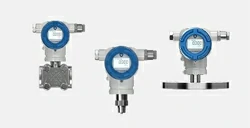
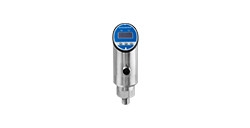
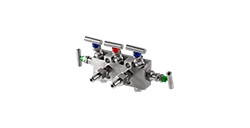
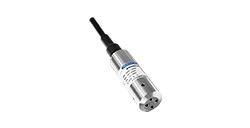

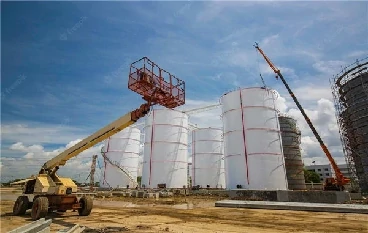

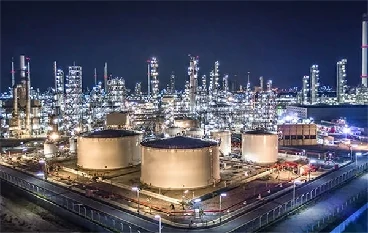




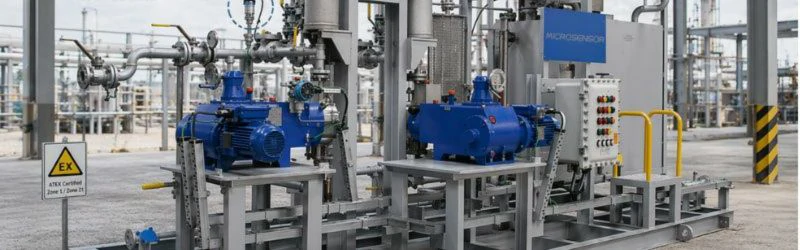
In the oil and gas industry, chemical injection skids are critical for maintaining flow assurance and asset integrity. Whether injecting methanol to prevent hydrate formation, scale inhibitors to protect piping, or biocides to control corrosion, these systems must deliver precise chemical volumes into high-pressure process lines 24/7. The explosion-proof pressure transmitters are tasked with providing continuous, accurate pressure telemetry in the hazardous areas for both safety interlocks and process control.
Technical Challenge
When engineering a chemical injection skid system, the selection of pressure instruments can make or break the system's reliability. Beyond basic pressure monitoring, what do customers really care about? There are typically three core challenges on the test bench and in the operational theater:
• Hazardous Area Classification: The skid pumps flammable chemicals and sit in proximity to oil/gas process lines, the surrounding area is legally classified as a hazardous zone. Any electrical fault of pressure instruments could act as an ignition source.
• Severe Pressure Fluctuations: Most chemical injection skids utilize positive displacement (reciprocating plunger) dosing pumps. These pumps naturally generate severe cyclic pressure spikes that can quickly destroy standard industrial instruments.
• Corrosive Process Media: Concentrated chemicals injected, combined with harsh ambient conditions, will rapidly degrade standard wetted materials.
The Pressure Instrumentation Solution
As a professional instrumentation manufacturer, our pressure instruments have been field-proven across chemical injection skid projects globally, delivering stable and high performance under the most punishing field conditions.
Multi-Certified Explosion Protection
For chemical injection skids, instrumentation must be equipped with IECEx and ATEX certified, carrying valid certifications for Ex db IIC T6 Gb in Zone 1 manifold monitoring or Ex ia IIC T4/T6 Ga for direct Zone 0 chemical contact. These certifications ensure the device is fully certified for the highest-risk gas groups (IIC) while physically limiting surface temperatures to prevent the thermal auto-ignition of volatile dosing chemicals like methanol.
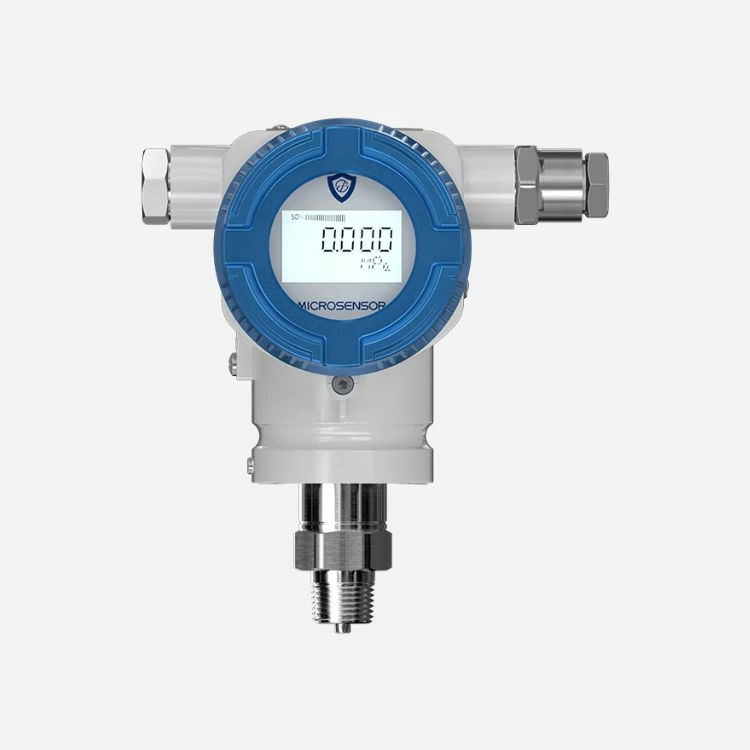
To fully meet and exceed these project mandates, our MPM489 pressure transmitters carry a multi-certified protection matrix:
✅ Intrinsically safe, Ex ia IIC T6 Ga
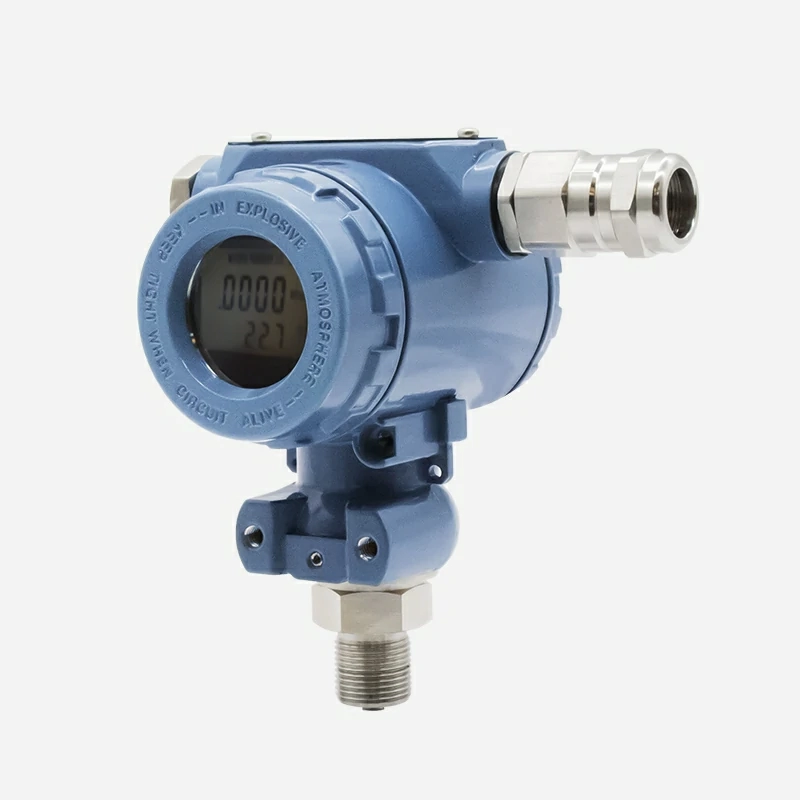
✅ Flameproof, Ex db IIC T6 Gb
✅ ATEX, II 1 G Ex ia IIC T4 Ga
This comprehensive multi-certification ensures our pressure instruments provide seamless compliance and complete safety coverage across every hazard zone of your chemical injection skid project.
High Overpressure Capacity
Our pressure transmitters feature an exceptional overpressure limit of ≤2 times FS or 110MPa (min. Value is valid). This overpressure capacity provides up to 100% safety hardware redundancy. Even during sudden downstream blockages or extreme pressure spikes where the pump forces line pressures to critical levels, our rugged internal sensing diaphragm of pressure transmitters handles aggressive and transient fluid spikes.
Engineered for Highly Corrosive Media
Chemical injection skids continuously process aggressive, highly concentrated production chemicals—such as methanol, glycols (MEG/TEG), scale/corrosion inhibitors, and biocides—often under extreme operating pressures. To prevent catastrophic chemical attack, hydrogen embrittlement, and diaphragm rupture, our pressure transmitters are engineered with the following critical material features:
✅ Fully Welded Hermetic Seal Design: Our sensors feature a 100% fully welded process connection with zero internal O-rings or elastomer seals exposed to the chemical stream. This eliminates the risk of chemical degradation, swelling, or leaking typically associated with standard rubber or Viton seals when exposed to aggressive solvents like methanol.
✅ Corrosion-Resistant Options: Our pressure transmitters offer premium, heavy-duty material customization for the isolated diaphragm, pressure port, and housing, including 316L SS, Hastelloy C-276, Titanium, and Tantalum. These materials allow engineers to precisely match the transmitter's process-wetted boundaries to the specific chemical makeup of the skid package, guaranteeing long-term stability.
Recommended Products: MPM489 Pressure Transmitter
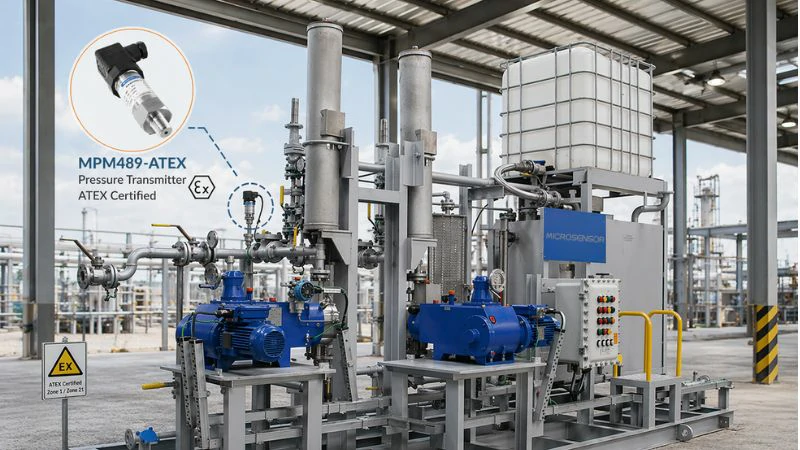
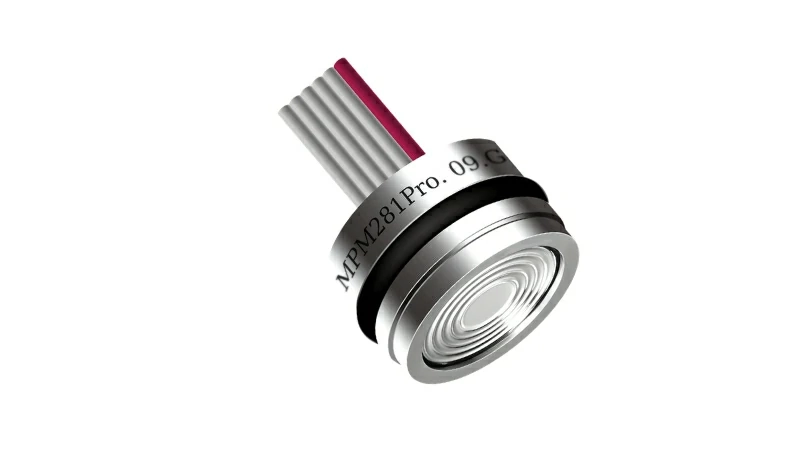
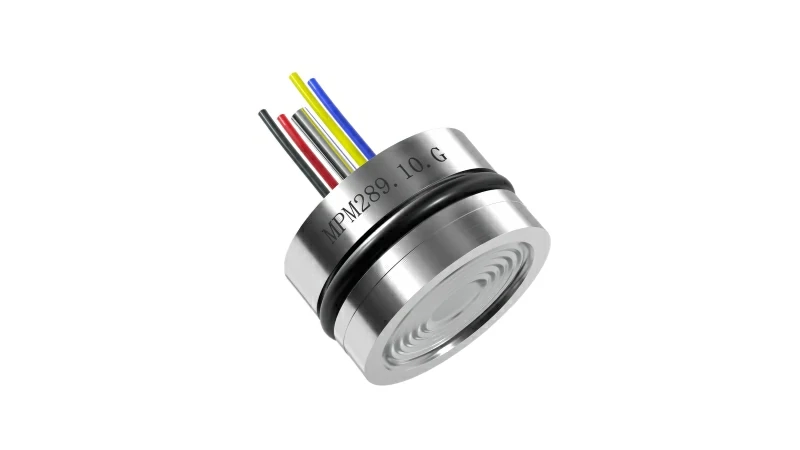
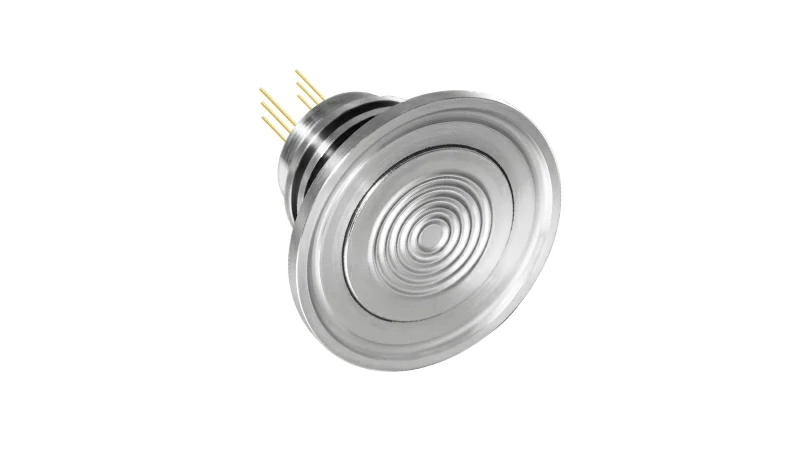
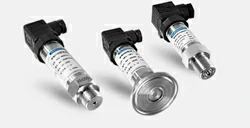
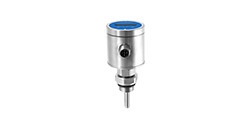
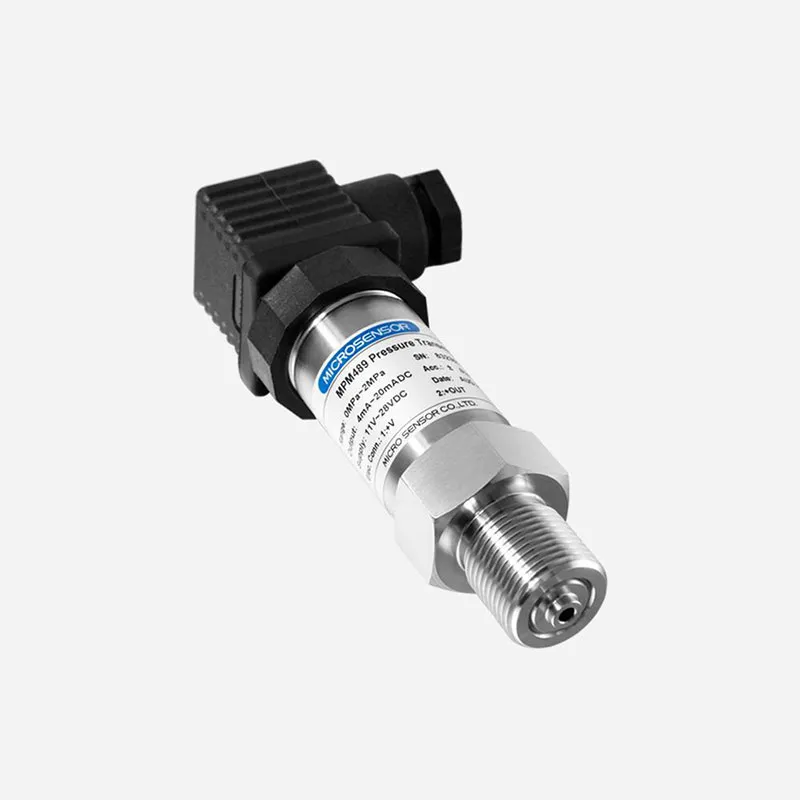
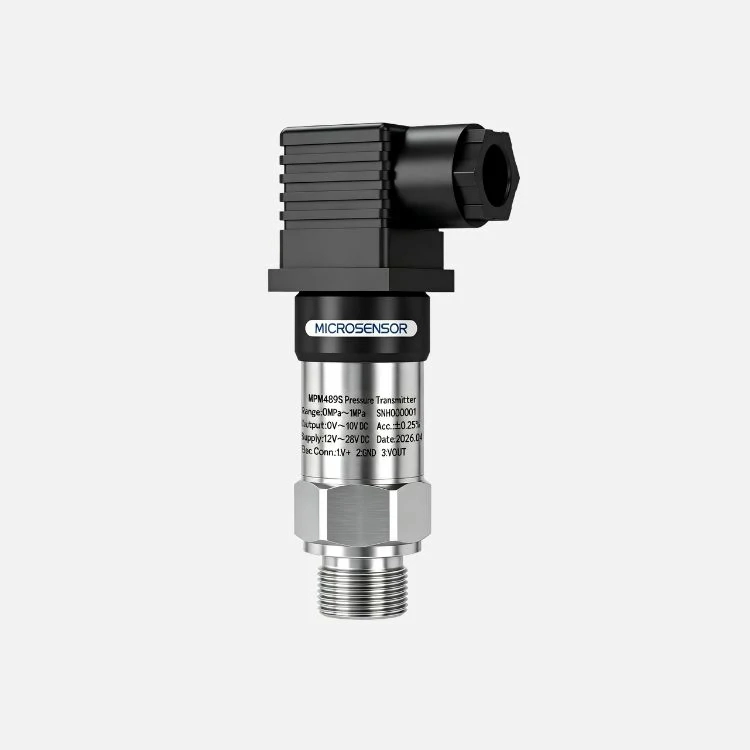
MPM489 ATEX pressure transmitter can be applied in chemical injection systems for pressure monitoring at pump discharge and injection lines. It offers stable performance, ATEX compliance, practical compatibility for skid integration, and a cost and lead-time advantage for real projects.
· Pressure range: -1bar~0bar to 0.1bar~1000bar
· Operating temperature: -30℃~60℃
· A variety of wetted materials are available: SS316L, tantalum, titanium, and Hastelloy C
· A variety of analog output options: 4~20mA / 0.5~4.5V / 1~5V / 0~10V
· Widely applicable to fluid pressure in petroleum, chemical, and other industries
· Explosion-proof products: Intrinsically safe, Flameproof
Do you need assistance selecting or configuring the right pressure transmitters for your upcoming chemical injection skid project? Contact our engineering team today for technical consultation on pressure ranges, chemical compatibility, and regional explosion-proof certifications.
 Copyright © 2026 MICRO SENSOR CO., LTD


