
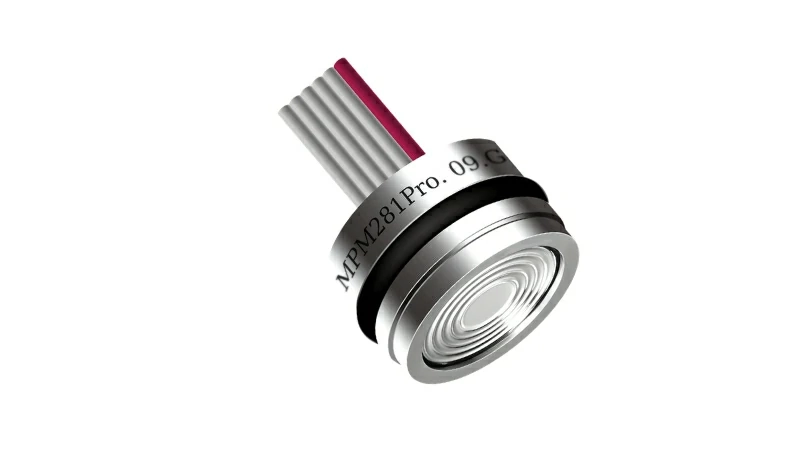
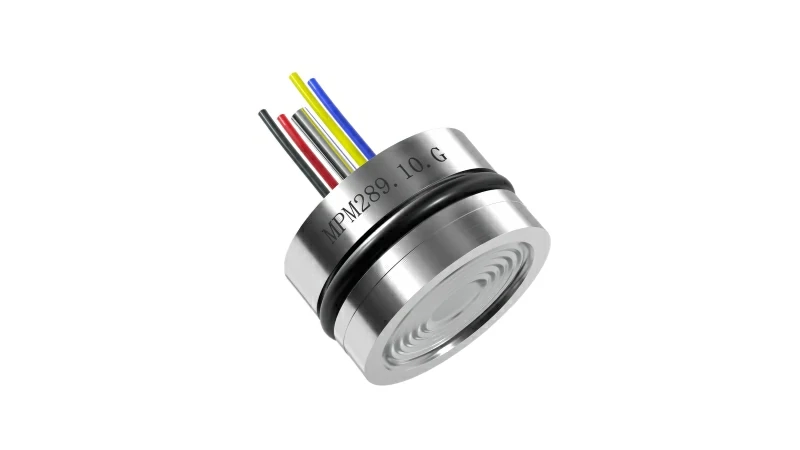
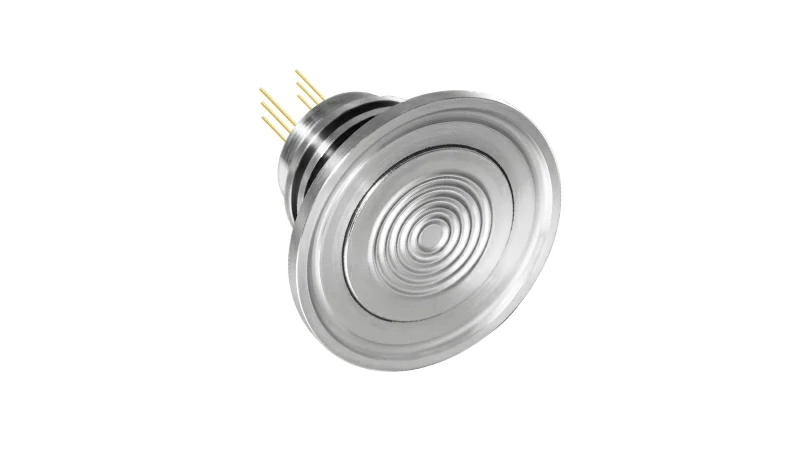
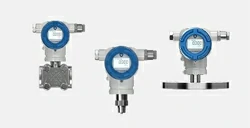
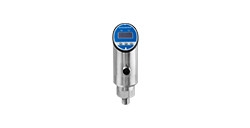
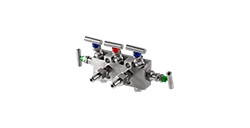
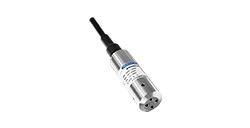
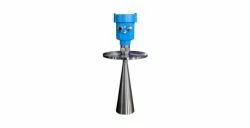
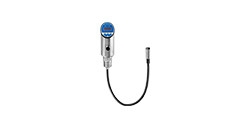
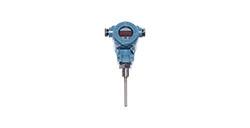
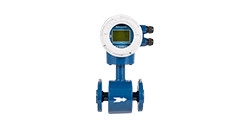
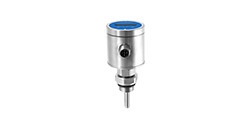
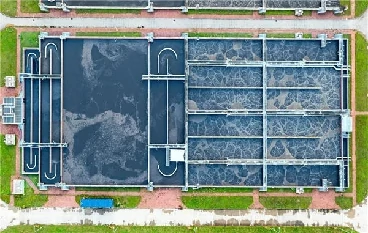





The water distribution network is the lifeblood of modern cities. However, managing thousands of miles of underground pipelines comes with immense challenges. Sudden pipe bursts, Invisible leaks, or pump/vaule failures- water utilities face constant challenges to ensure operational efficiency and regulatory compliance. To mitigate these infrastructure risks, continuous, network-wide pressure monitoring is paramount. Any abnormal fluctuation in the pipeline's pressure could be continuously monitored. The pressure transmitter serves as the ultimate enabler—a compact instrument that punches far above its weight.
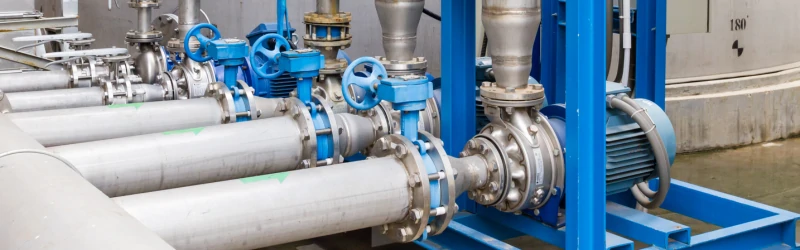
Why Pressure Monitoring Matters: Compliance & Efficiency
Modern water management is shifting from reactive firefighting to predictive maintenance. Implementing network-wide pressure monitoring is no longer just an operational upgrade—it is a foundational strategy. Robust pressure monitoring in distribution networks delivers core benefits:
Ensuring Regulatory Compliance
Governments worldwide impose strict standards on water resource safety and stringent rules on the delivery of pipeline pressure —such as the US EPA (under AWIA guidelines) and the UK Drinking Water Inspectorate (DWI). Continuous monitoring provides the traceable data required to prove compliance with local regulations.
Reduction of Non-Revenue Water (NRW)
Non-Revenue Water—water that is produced but lost before it reaches the customer—is a global issue. Pressure management is the single most cost-effective tool for leakage control. By implementing District Metered Areas (DMAs) and deploying pressure monitoring, utilities can identify abnormal pressure drops that signal leaks.
Energy Optimization
Pumping water is an incredibly energy-intensive process, often accounting for the largest share of a municipality’s electricity bill. Without real-time data, utilities often over-pressurize networks to ensure water reaches the furthest or highest points of the topography, wasting thousands of kilowatt-hours. Pressure transmitters installed at pumping stations feed real-time data directly to Variable Frequency Drives (VFDs). This creates a closed-loop system where pump speeds automatically modulate to match real-time demand, cutting energy consumption by up to 20%–30% and shrinking the utility's carbon footprint.
How Pressure Transmitters Safeguard Water Distribution Networks
Water infrastructure is largely invisible, making it highly susceptible to unseen operational anomalies. Without precision data, utilities are forced to manage networks blindly. High-performance pressure transmitters act as the critical sensory nodes across the pipeline architecture, transforming these latent hazards into manageable, actionable insights:
Mitigating Destructive Water Hammer
Sudden valve modulations or pump start-ups trigger violent hydraulic shocks. Left unmonitored, these rapid pressure spikes fatigue pipe joints and cause instantaneous ruptures. Our high-frequency response pressure transmitters instantly capture these transient spikes, allowing smart valves and surge vessels to react before physical damage occurs.
Pinpointing Silent Leakage & Non-Revenue Water (NRW)
Small fissures and aging joints bleed water—and revenue—silently underground. Traditional methods only catch these after massive sinkholes appear. By deploying high-accuracy transmitters at critical pressure control points (CPPs) and across District Metered Areas (DMAs), utilities can detect minute, localized pressure drops that signal background leaks, enabling predictive maintenance.
Preventing Pump and Valve Malfunctions
When pressure-reducing valves (PRVs) jam or pumps drift from their optimal curves, the entire pressure zone destabilizes. Continuous differential and static pressure monitoring upstream and downstream of these critical assets provides real-time diagnostics, revealing asset degradation before it leads to system-wide failure.
Eliminating Contamination Risks from Negative Pressure
A sudden, undetected pressure drop can create a localized vacuum within the pipeline. This negative pressure risks sucking surrounding groundwater and untreated contaminants into the clean water supply. Pressure transmitters provide the early warning needed to maintain positive pressure gradients and guarantee regulatory compliance.
Typical Applications in Water Networks
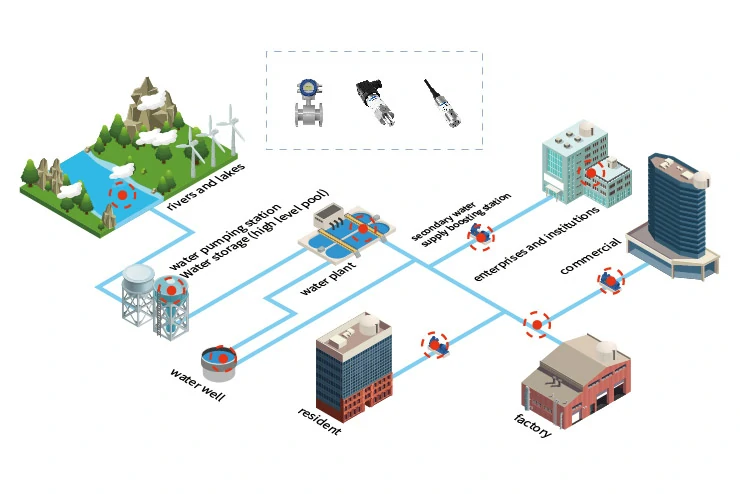
✅ Pump Stations & Intakes: Monitor pump discharge pressure to prevent dry running and control variable frequency drives (VFDs).
✅ District Metered Areas (DMAs): Installed at critical pressure control points (CPPs) to monitor localized zone health and detect localized leaks.
✅ Pressure Reducing Valves (PRVs): Placed upstream and downstream of PRVs to ensure the valves are correctly modulating pressure.
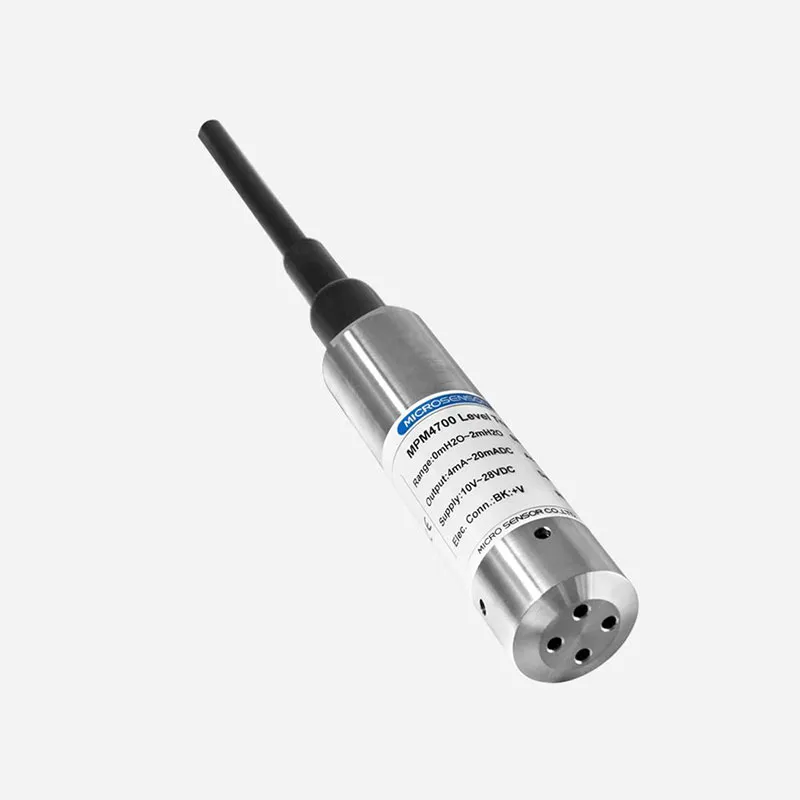
✅ Elevated Storage Tanks & Reservoirs: Measures hydrostatic pressure to accurately track water levels and prevent overflows.
Key Features a Pressure Transmitter Must Have
The harsh and damp environment of water supply networks demands specific technical capabilities:
· High Long-Term Stability & Accuracy: To detect minor leaks, pressure transmitters must offer high accuracy (e.g., 0.25% FS with minimal drift over years of operation).
· Overpressure Capacity: Sudden valve modulations or pump starts create violent fluid dynamics known as water hammer, generating transient pressure spikes. High overload pressure transducers (e.g., proof pressure 2X FS; burst pressure 3X FS) protect the core sensing element without failing or losing calibration.
· Low Power Consumption: For remote locations without grid power, pressure transmitters must seamlessly integrate with battery-powered IoT data loggers (using 0.5-2.5V, I2C, or Modbus outputs) to maximize battery life.
· Seamless Integration: Support for RS485 and HART® communication and standard I²C or SPI protocols enables seamless integration into modern SCADA, IoT loggers, and existing data acquisition systems, simplifying system design and data transmission.
Recommend Products
| MPM3801GRF IIC Pressure Transmitter | MPM4730 RS485 HART Pressure Transmitter |
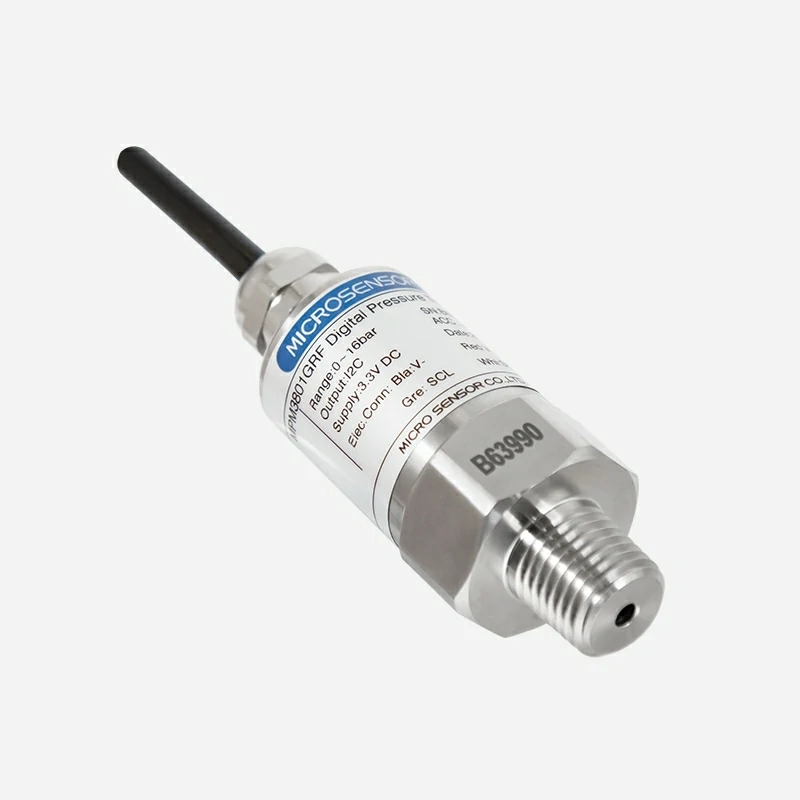 | 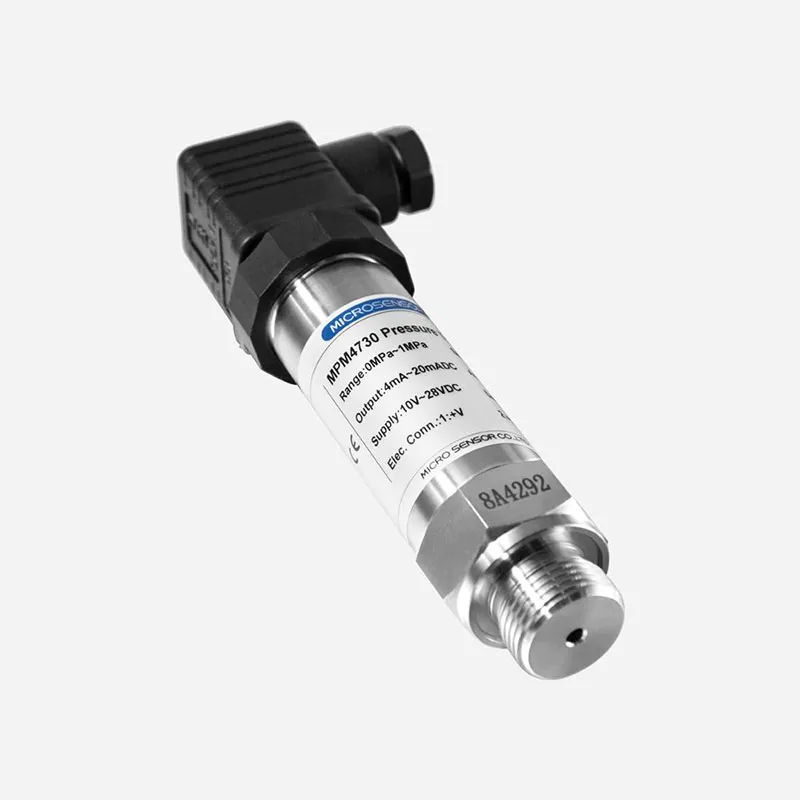 |
· Range: -100kPa...0kPa - 7kPa...7MPa · Overpressure: ≤ 2 times FS or 110MPa (min. Value is valid) · Standard I²C or SPI protocols · Low power consumption | · Range: -100kPa…0kPa ~ 10kPa…100MPa · Overpressure: ≤ 2 times FS or 110MPa (min. Value is valid) · RS485 (custom protocol) or HART® protocol · Networking applications |
As global water scarcity increases and infrastructure ages, the digitized distribution network is no longer optional—it is a necessity. High-precision pressure transmitters are the foundational pillars of this transformation, turning invisible pipeline vulnerabilities into manageable, actionable data. As a leading manufacturer of industrial pressure, level, flow, and temperature instrumentation, we specialize in engineering tailored solutions for water resources management and control, such as municipal water supply, distribution networks, waste treatment, and groundwater management. Contact our engineering team today for a customized consultation or product sample.

 Copyright © 2026 MICRO SENSOR CO., LTD


