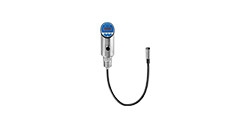
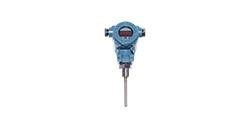
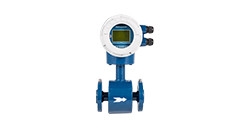
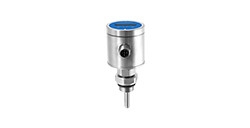








ATEX Pressure Transmitter
-1bar...0mbar~100mbar…1000bar
General / Flush Diaphragm
CE, RoHS, ATEX approved
DNV and ABS certifications for installation on the ship

MPM483DM
Oil & Gas Extraction, Petroleum and Petrochemical Engineering, Power Industry, Mechanical Engineering, Hydraulic and Pneumatic Control
Leave a MessageMPM483DM
Used For
Oil & Gas Extraction, Petroleum and Petrochemical Engineering, Power Industry, Mechanical Engineering, Hydraulic and Pneumatic Control
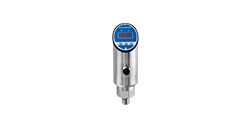
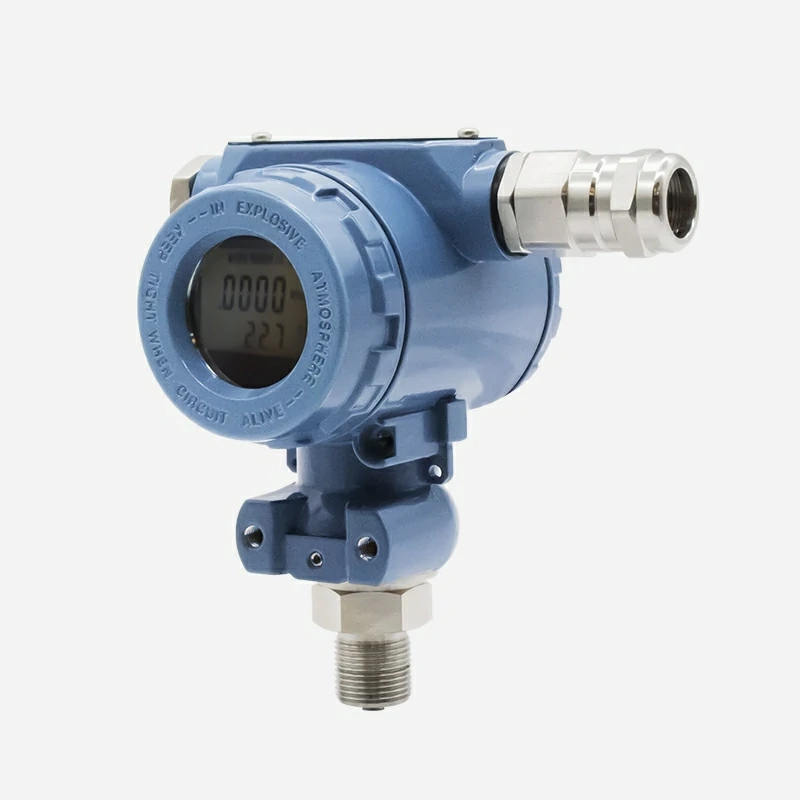
Leave a MessageThe MPM483DM explosion-proof digital pressure transmitter showcases advanced features in various pressure measurement applications. MPM483DM boasts an explosion-proof design, ensuring safe operation in hazardous environments. The transmitter meets stringent industry standards and certifications for explosion-proof devices. The robust construction can endure extreme temperatures, vibrations, and other challenges typically encountered in industrial environments.
Feature
• High-precision, high-stability
• High level of electromagnetic compatibility
• Widely for explosion-proof Industries
• Integration with control systems
Image:
The MPM483DM explosion-proof digital pressure transmitter showcases advanced features in various pressure measurement applications. MPM483DM boasts an explosion-proof design, ensuring safe operation in hazardous environments. The transmitter meets stringent industry standards and certifications for explosion-proof devices. The robust construction can endure extreme temperatures, vibrations, and other challenges typically encountered in industrial environments.
Feature
• High-precision, high-stability
• High level of electromagnetic compatibility
• Widely for explosion-proof Industries
• Integration with control systems


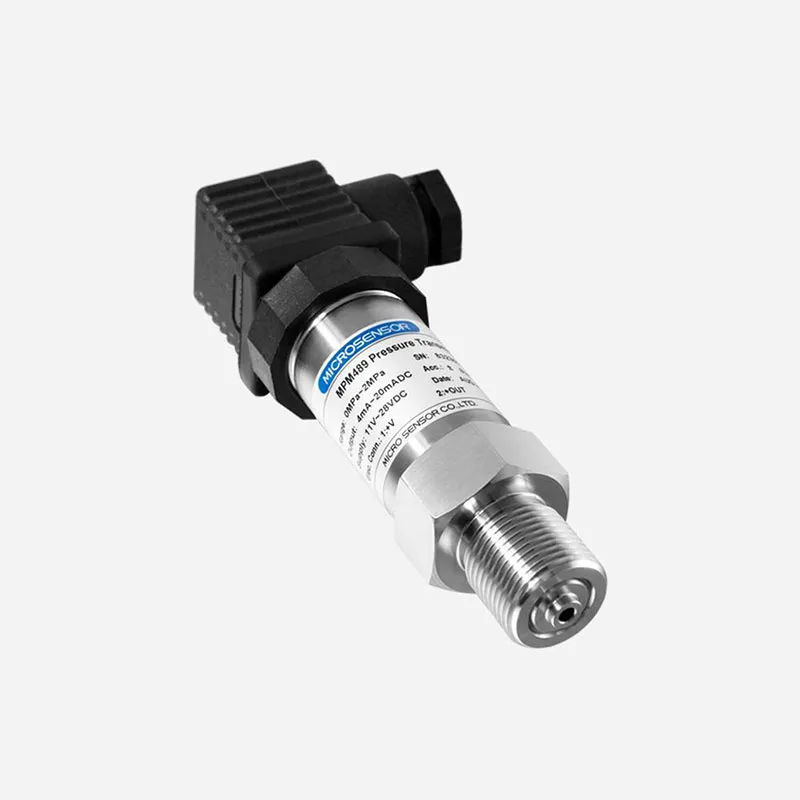
-1bar...0mbar~100mbar…1000bar
General / Flush Diaphragm
CE, RoHS, ATEX approved
DNV and ABS certifications for installation on the ship
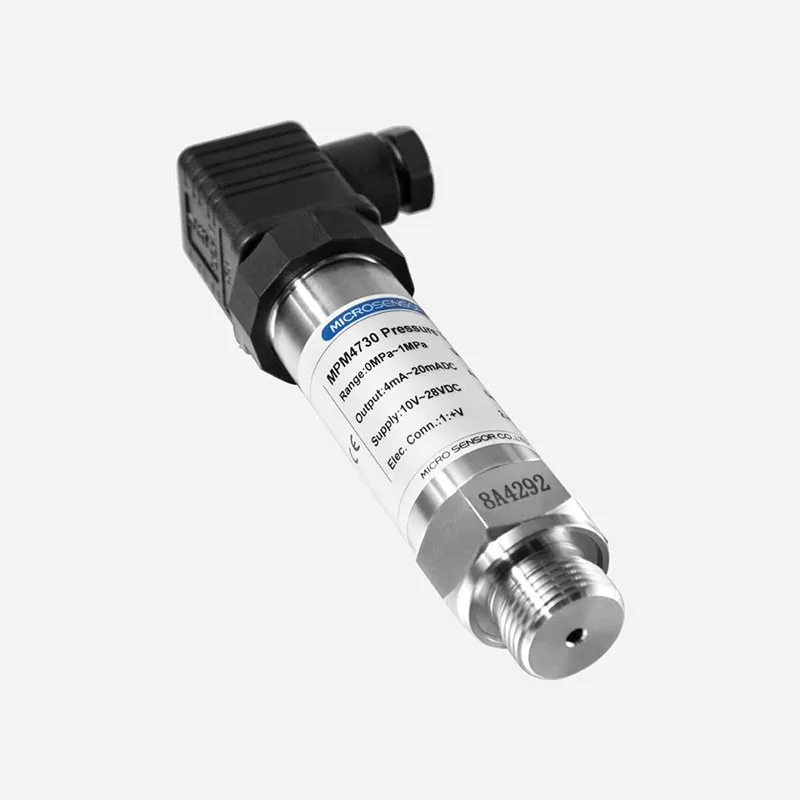
Range: -1bar…0bar~70mbar…1000bar
Accuracy: ±0.1%FS, ±0.25%FS, ±0.5%FS
RS485/HART® communication protocol
Intrinsically safe, Ex ia IICT4 Ga
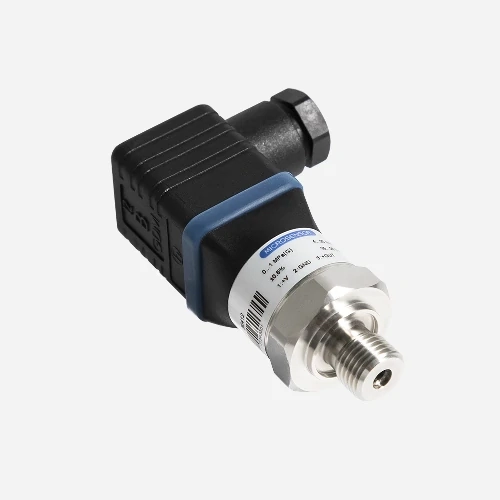
Range: 0~250mbar to 0~250bar
Accuracy:±0.25%FS, ±0.5%FS
Output: 4mA~20mA DC, 0/1V~5/10V DC, 0.5V~4.5V DC

High-level electromagnetic compatibility
Support reverse polarity, transient overcurrent and over-voltage protection
LCD / LED display
CE approved
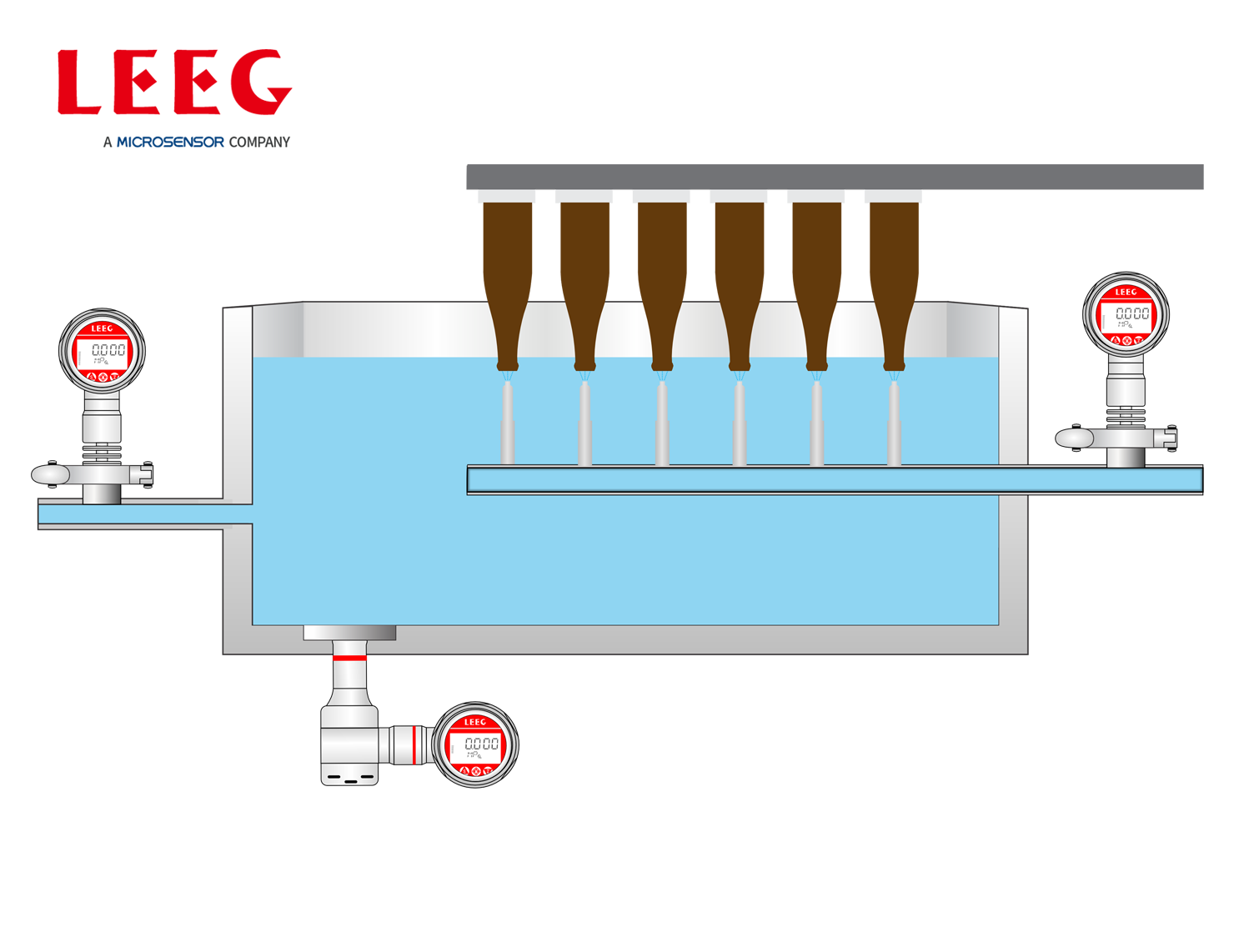
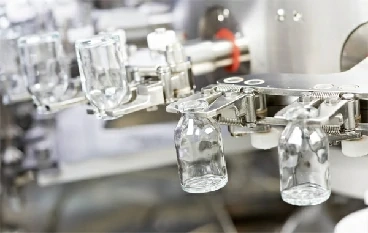
Before beer bottles, medicine bottles, and condiment bottles are filled with liquid, they need to be cleaned first. The cleaning process is as follows: First, the bottles are filled with lye in the alkali tank to remove most of the stains; then, the bottles are back washed with high pressure using water of different temperatures to wash away the remaining impurities and lye. To ensure the stable operation of the bottle washing machine, the level of the alkali tank needs to be measured by hydrostatic pressure. In addition, the pressure of the alkali tank water inlet pipe and the nozzle pipe also needs to be measured.
more info...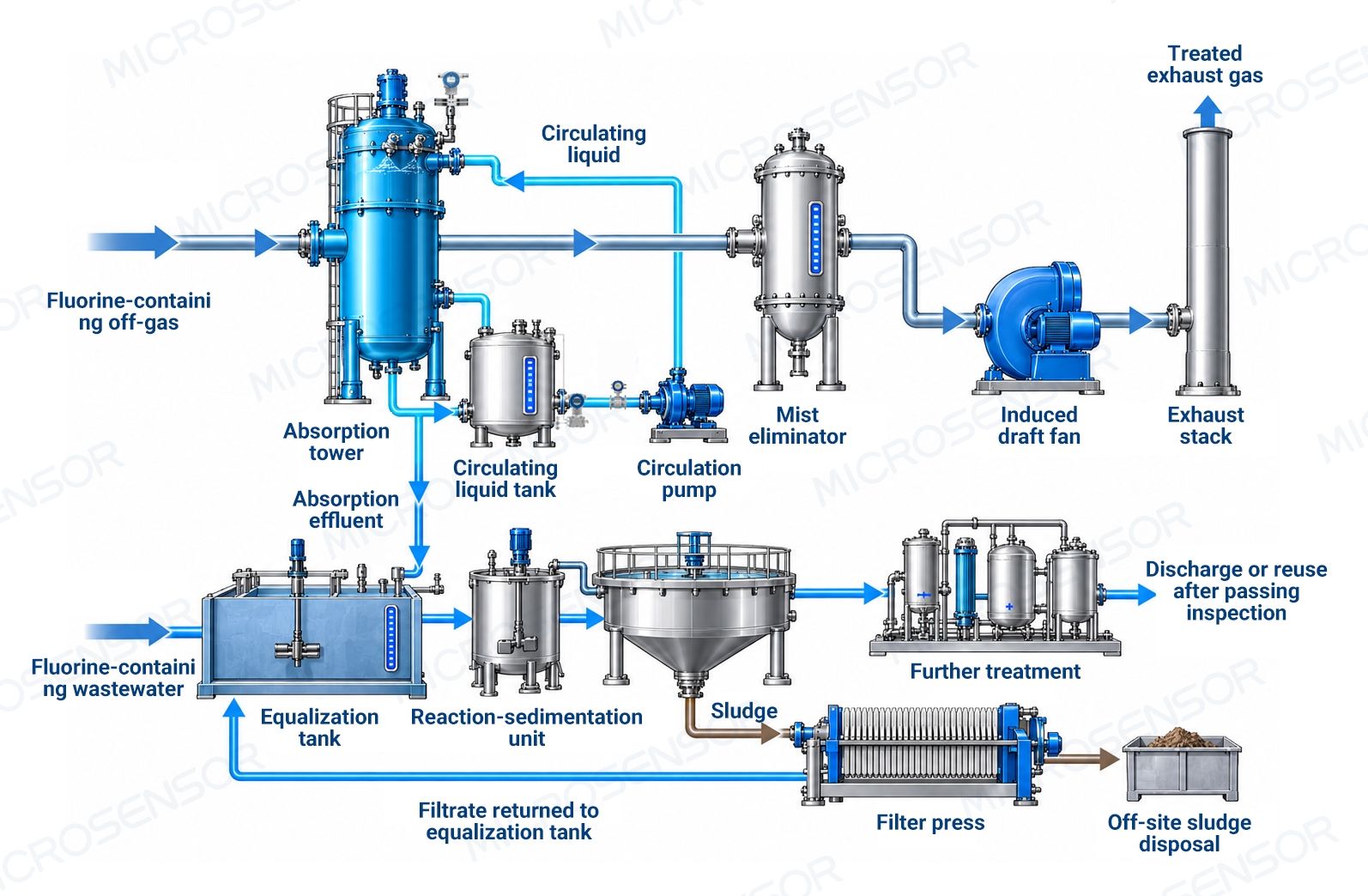
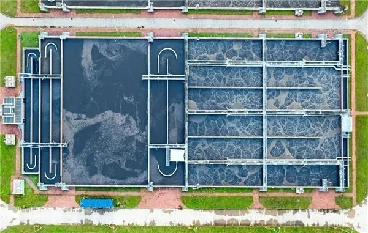
The absorption of exhaust gases and the treatment of fluoride-containing wastewater are critical auxiliary processes in the production of fluorine chemicals. Fluoride-laden exhaust gases undergo absorption and mist elimination; the resulting liquid effluent from the absorption system is then routed to the appropriate wastewater treatment unit based on its specific characteristics. Fluoride-containing wastewater—processed according to its unique water quality profile—undergoes equalization, reaction-precipitation, solid-liquid separation, and further downstream treatment to ensure it meets the required standards for discharge or reuse. Micro Sensor provides expert selection support for pressure, level, flow, and temperature measurement instrumentation across absorption towers, circulating fluid systems, wastewater equalization tanks, reaction-precipitation units, and sludge treatment equipment. This enables clients to monitor equipment operation and the transport of process media, providing a robust data foundation for process adjustment, anomaly detection, and maintenance management.
more info...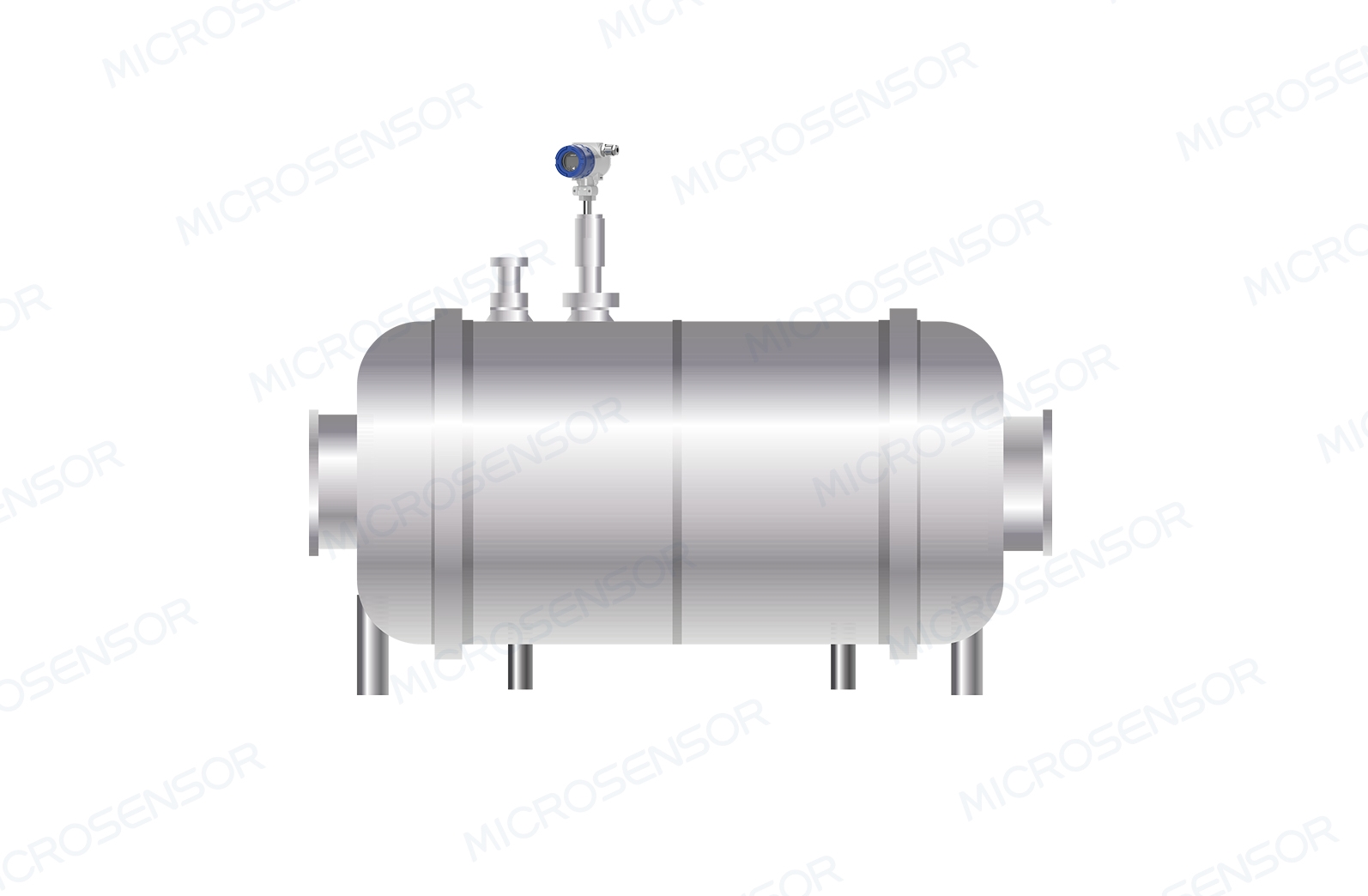
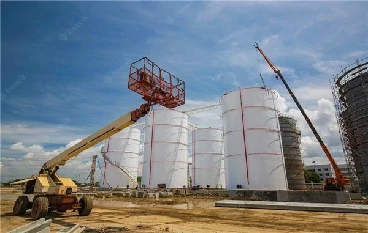
Hydrofluoric acid (HF) and other corrosive fluorochemical media require reliable pressure and level monitoring during storage and transfer. Instrument corrosion, diaphragm degradation, and sealing failure can affect measurement accuracy and increase maintenance and safety risks.
more info...
The micro-fused pressure transmitters can be used in hydrants to monitor the internal pressure of hydrants in real time, and send the data to the cloud platform for statistical analysis through wireless monitoring terminals and wireless networks. When an error occurs, it can locate the fault position and sends the alarm in time.
more info... Copyright © 2026 MICRO SENSOR CO., LTD