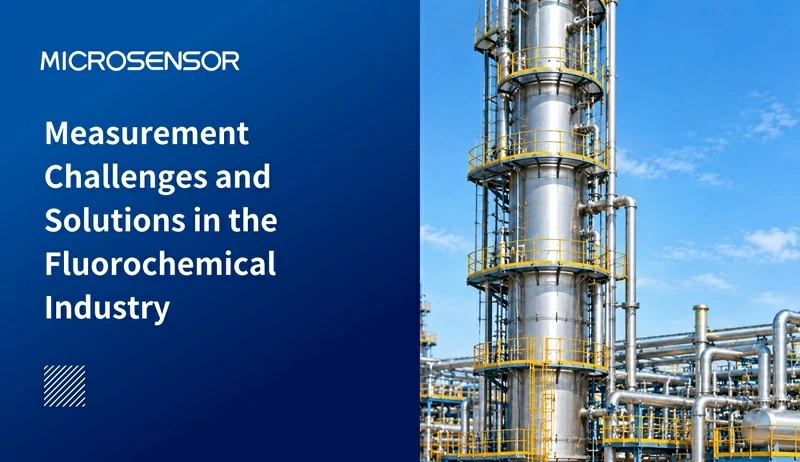
Application Challenge:
1. Monomer feed, reaction pressure, temperature, and cooling conditions are interdependent; therefore, the heat released and the heat exchange occurring during the polymerization process must be monitored in real time. Delays in feedback for key parameters, or significant fluctuations in measurements, complicate process control and can compromise both reaction stability and batch-to-batch consistency.
2. Different production routes may involve emulsions, suspensions, or materials containing solid particles. As the reaction and separation processes progress, the viscosity, solids content, and flow characteristics of the materials change. At certain measurement points, issues such as material buildup, sedimentation, or clogging of pressure-sensing ports can occur, impairing measurement responsiveness and increasing the burden of cleaning and maintenance.
3. Monomers, additives, reaction media, and cleaning agents impose varying requirements on the wetted materials and sealing structures of instrumentation. Instruments must not only withstand the specific temperature and pressure conditions of the process but also account for cleaning procedures, residue control, and installation space constraints—all with the goal of minimizing material accumulation at measurement points, which could otherwise disrupt continuous production or batch transitions.
Solution Advantages
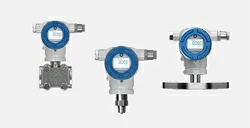
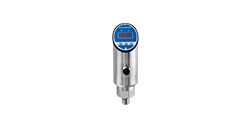
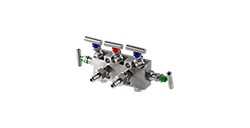
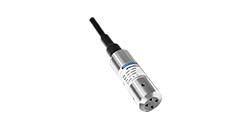
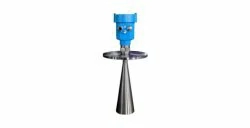
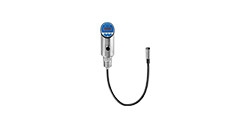
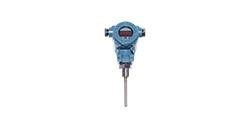
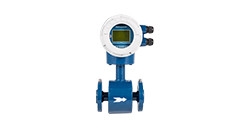
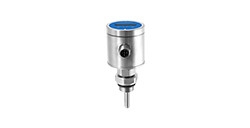
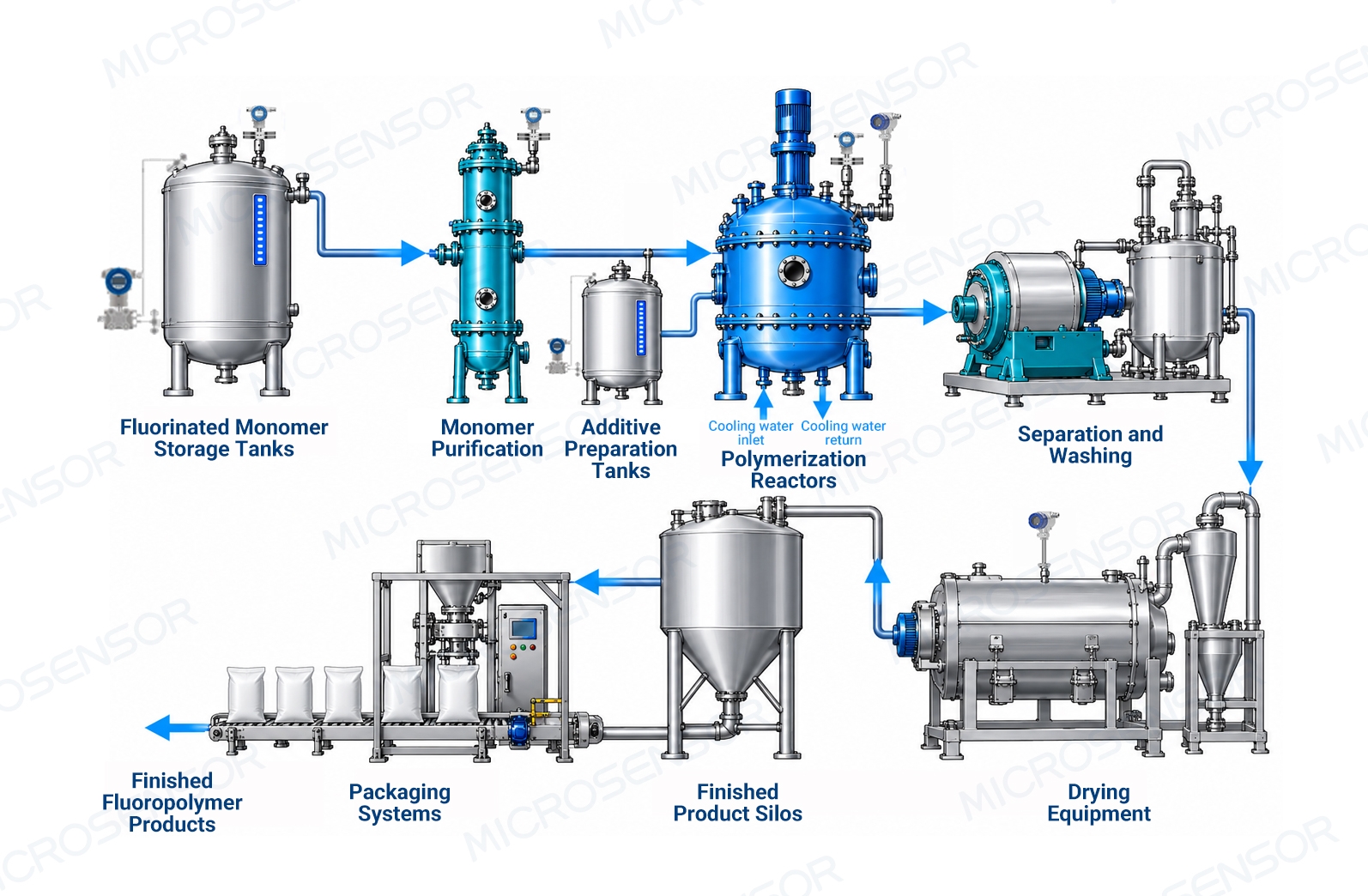
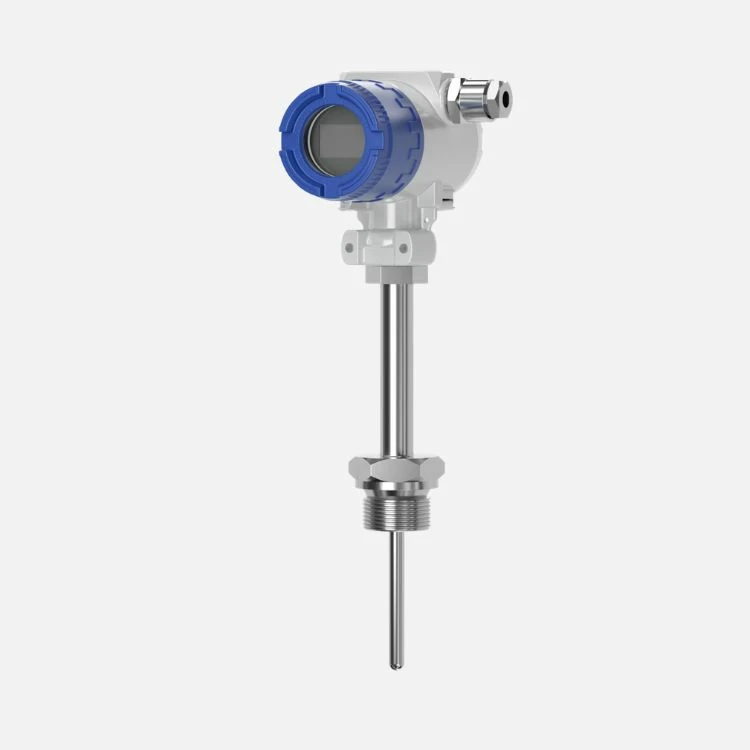
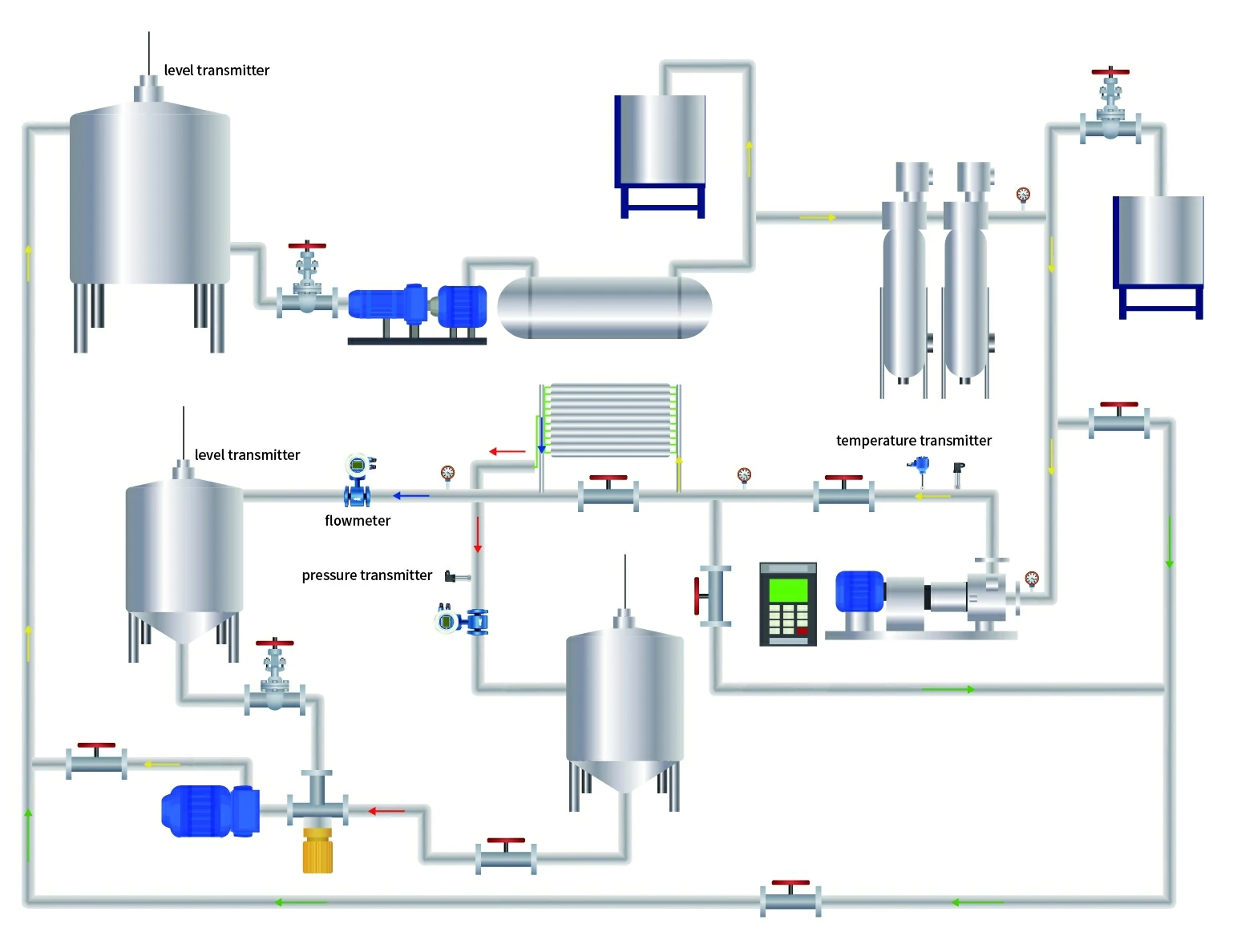
1. For monomer supply, polymerization reactors, and cooling systems, Micro Sensor provides expert guidance on selecting instruments for measuring pressure, temperature, flow, and liquid level. By integrating with on-site control systems, these instruments supply essential data for feed regulation, reaction monitoring, and heat exchange management—enabling customers to stay informed of operational changes in real time and enhancing the visibility of process control.
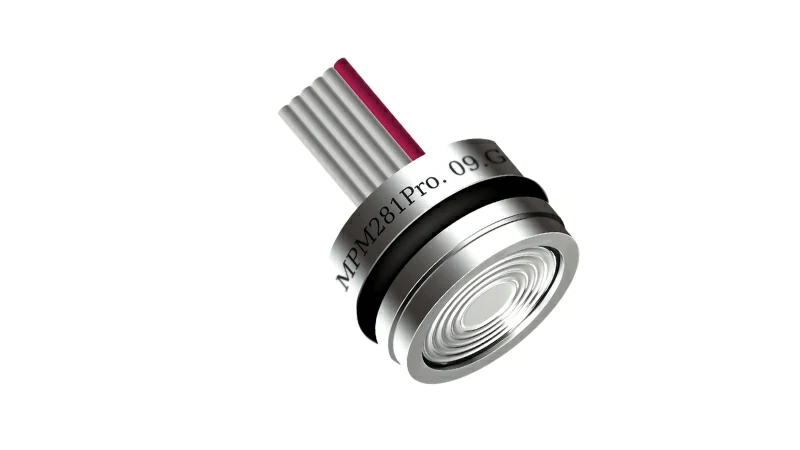
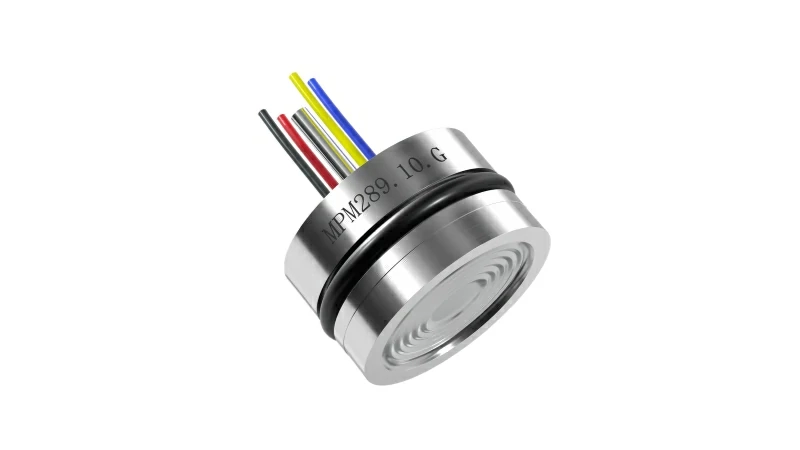
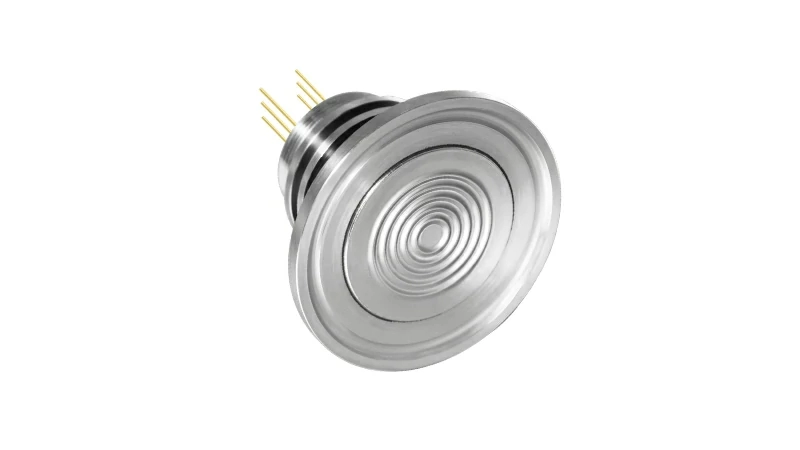
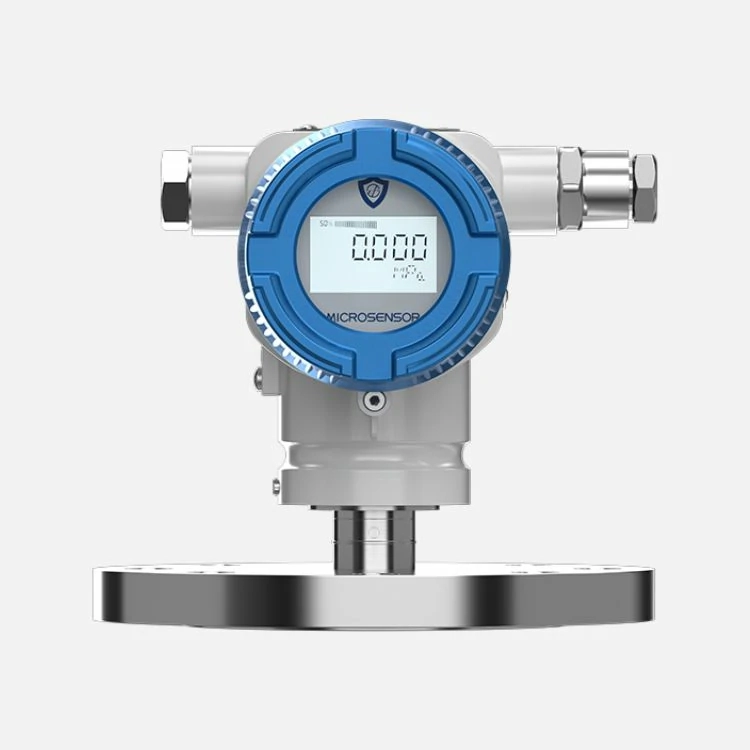
2. Taking into account factors such as material viscosity, particle characteristics, and cleaning protocols, we offer a range of flush-diaphragm designs, diaphragm seals, and process connections tailored to specific operating conditions. This minimizes measurement interference caused by material accumulation. For applications like differential-pressure-based level measurement, we carefully account for medium density, installation height, and temperature fluctuations to ensure the measurement solution is perfectly adapted to on-site conditions.
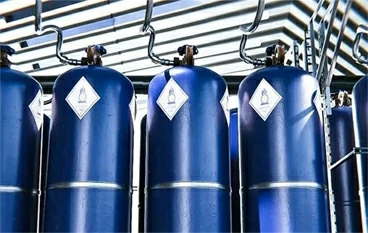
3. Across the entire production chain—from monomer storage and polymerization to separation, washing, drying, and utility systems—we configure appropriate measuring instruments based on the specific requirements of each stage. Our selection process considers medium compatibility, on-site environmental protection, and relevant certification standards. We also prioritize ease of installation, cleaning, and maintenance










 Copyright © 2026 MICRO SENSOR CO., LTD


