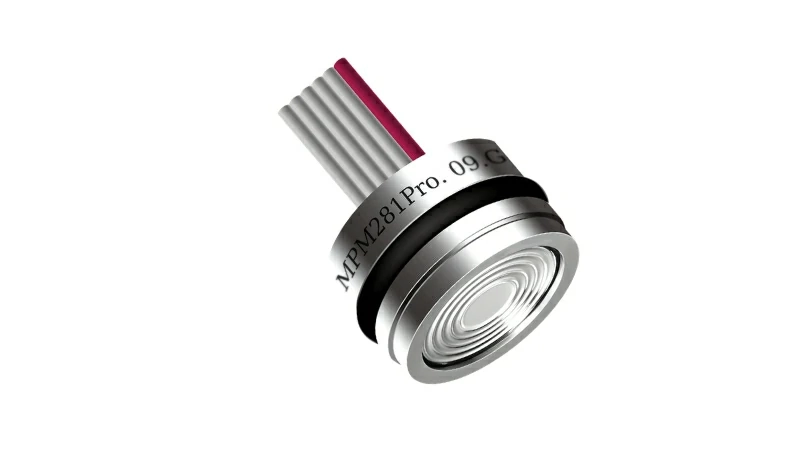
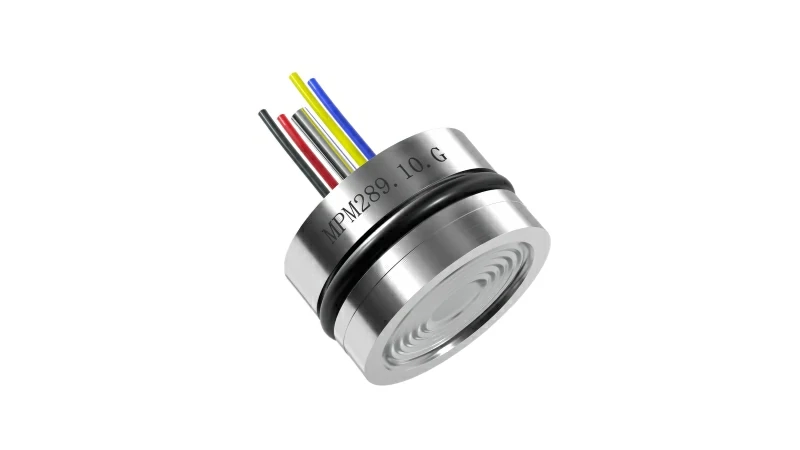
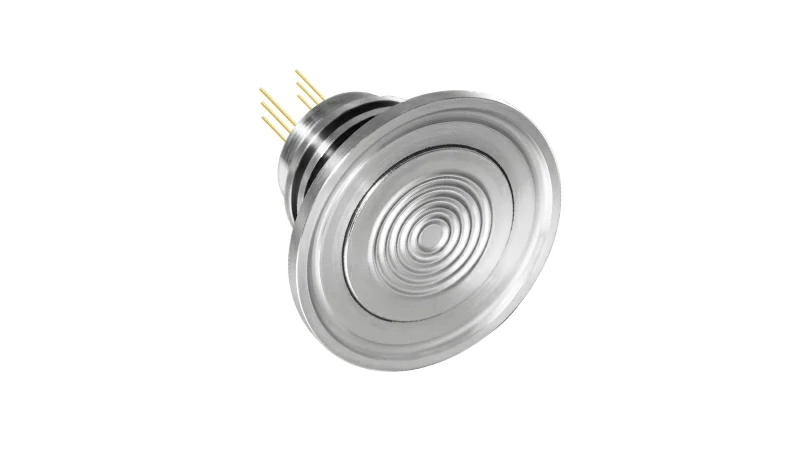


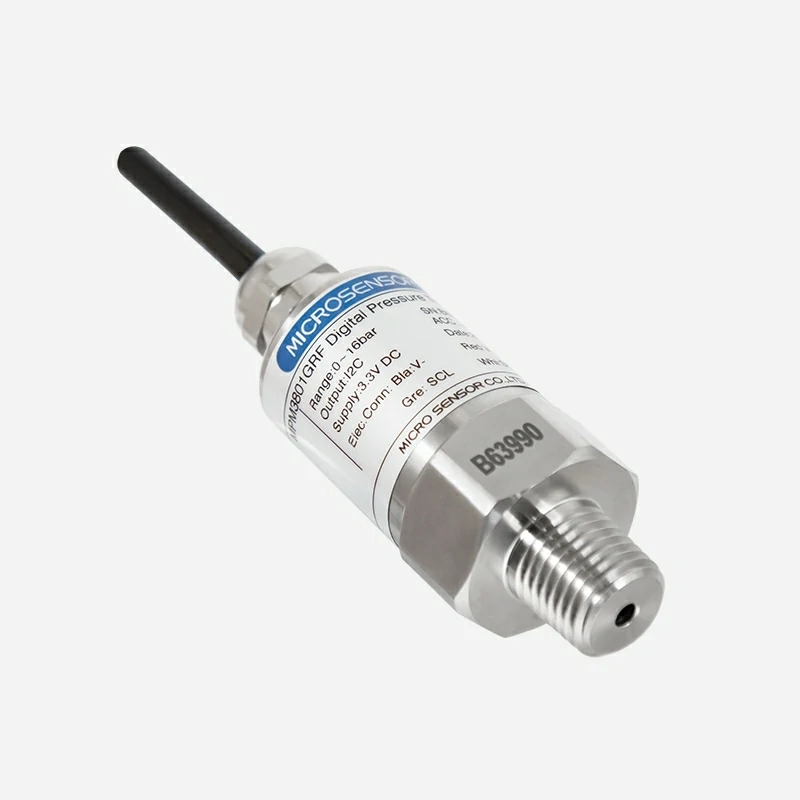
Digital IIC Pressure Transmitter for Volume Corrector
Standard I²C or SPI protocol
Low power consumption with temperature compensation
RoHS approved
New Product Change Notice (PCN) effective Jan 1, 2025. MICROSENSOR appreciate your understanding.

WZ
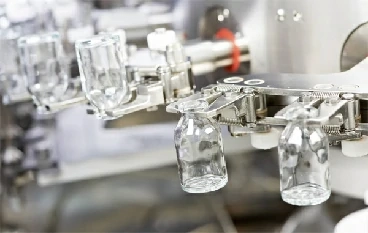
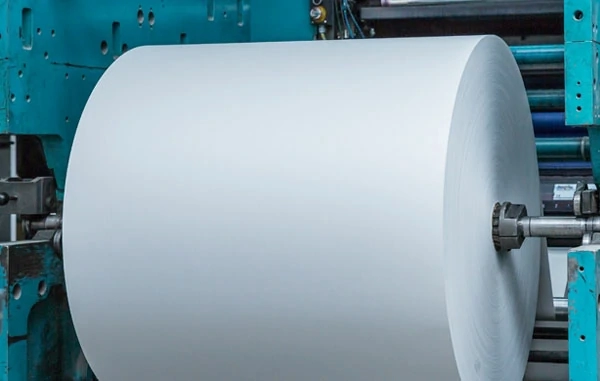
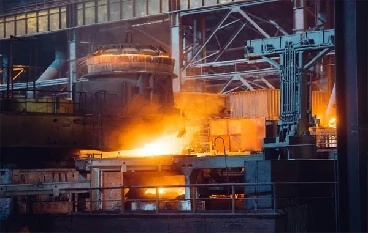
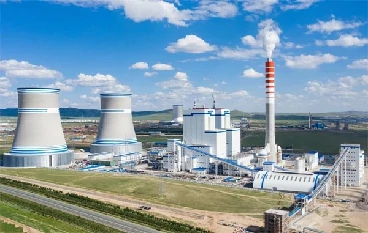
Chemical, Pharmaceutical, Electric Power, Metallurgy, Papermaking
Leave a MessageWZ
Used For
Chemical, Pharmaceutical, Electric Power, Metallurgy, Papermaking
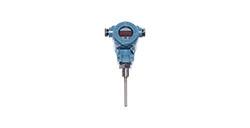
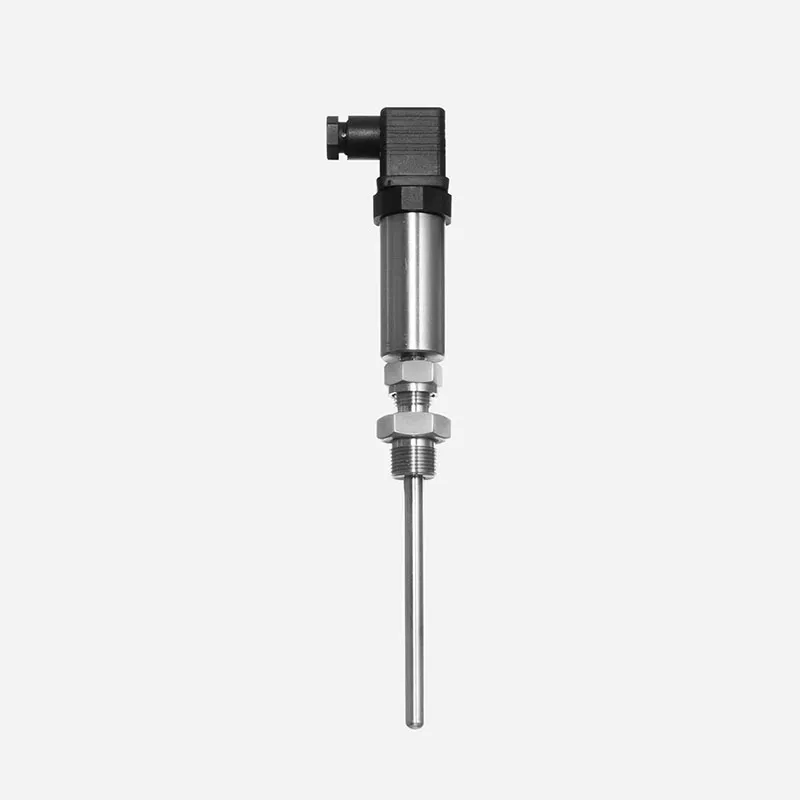
Leave a MessageWZ series Temperature Sensor capable of directly assessing temperatures across a spectrum that spans from -200°C to 500°C, encompassing liquid, steam, gaseous substances, and solid surfaces in the production process. Generally, the temperature sensor is in tandem with display devices, recording equipment, and electronic regulators. The product is small and easy to install. The contacted material with the medium is corrosion-resistant and can be used in complex environments.
Features
• The sensor is in contact with the measured medium, with high reliability.
• Diversified products can be provided.
• Explosion-proof certification Exd Ⅱ C T6 Gb.
• A variety of indexing numbers are optional.
Usage Recommendation
• PT100 is recommended for application with long-term temperature range less than 300℃.
• PT1000 can be a suitable option when dealing with a narrow measuring range.
• K-type thermocouple is recommended if the long-term temperature is between 300℃ and 800℃.
• S-type thermocouple is recommended if the long-term temperature exceeds about 1200℃.
Image:
WZ series Temperature Sensor capable of directly assessing temperatures across a spectrum that spans from -200°C to 500°C, encompassing liquid, steam, gaseous substances, and solid surfaces in the production process. Generally, the temperature sensor is in tandem with display devices, recording equipment, and electronic regulators. The product is small and easy to install. The contacted material with the medium is corrosion-resistant and can be used in complex environments.
Features
• The sensor is in contact with the measured medium, with high reliability.
• Diversified products can be provided.
• Explosion-proof certification Exd Ⅱ C T6 Gb.
• A variety of indexing numbers are optional.
Usage Recommendation
• PT100 is recommended for application with long-term temperature range less than 300℃.
• PT1000 can be a suitable option when dealing with a narrow measuring range.
• K-type thermocouple is recommended if the long-term temperature is between 300℃ and 800℃.
• S-type thermocouple is recommended if the long-term temperature exceeds about 1200℃.


Standard I²C or SPI protocol
Low power consumption with temperature compensation
RoHS approved
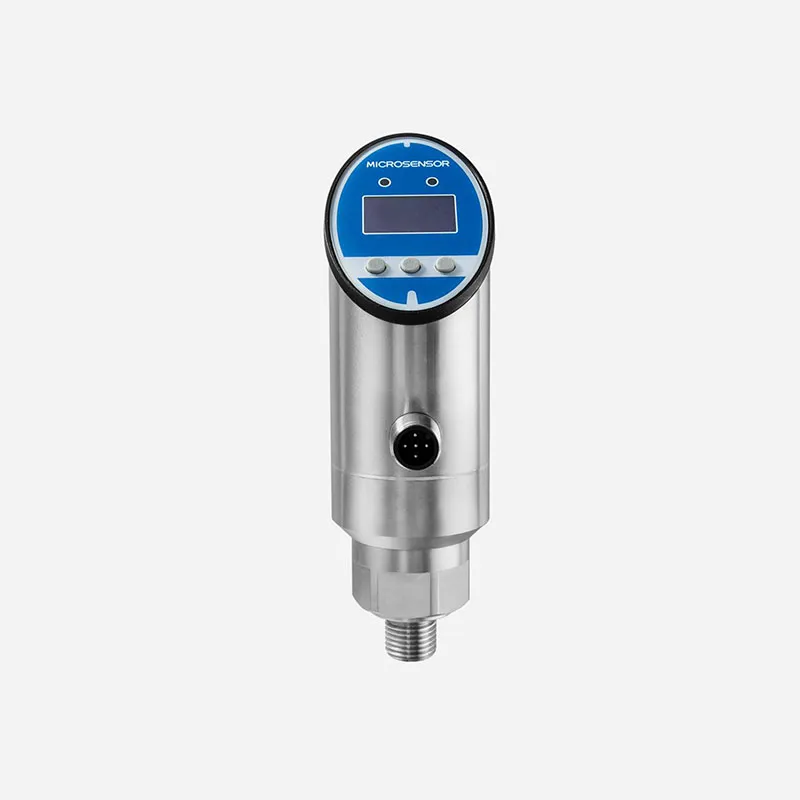
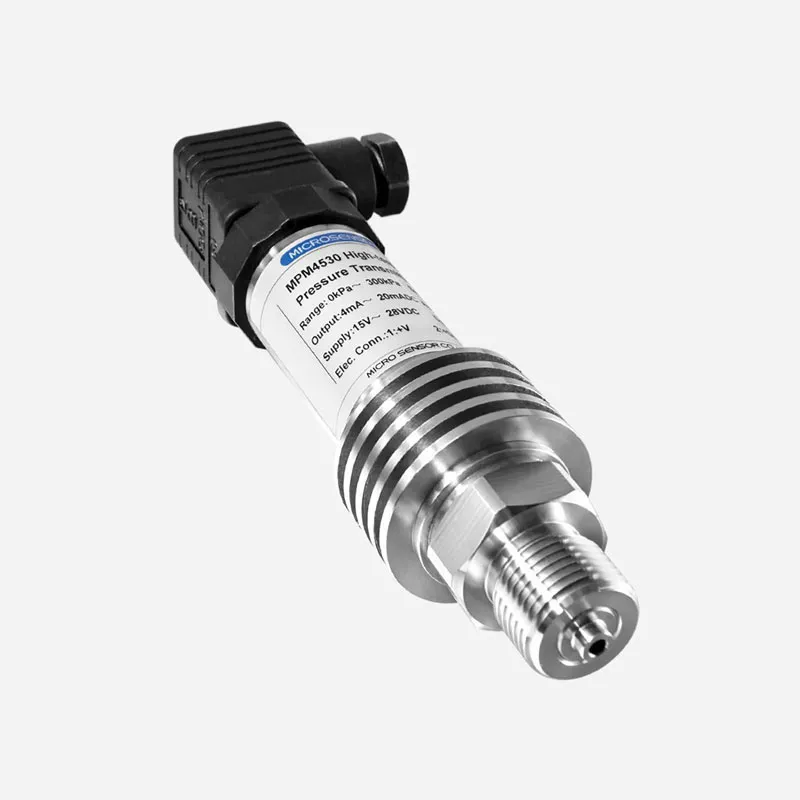
Range: 0.1bar~1000bar
Media temp.: -40℃~150℃ or Customized
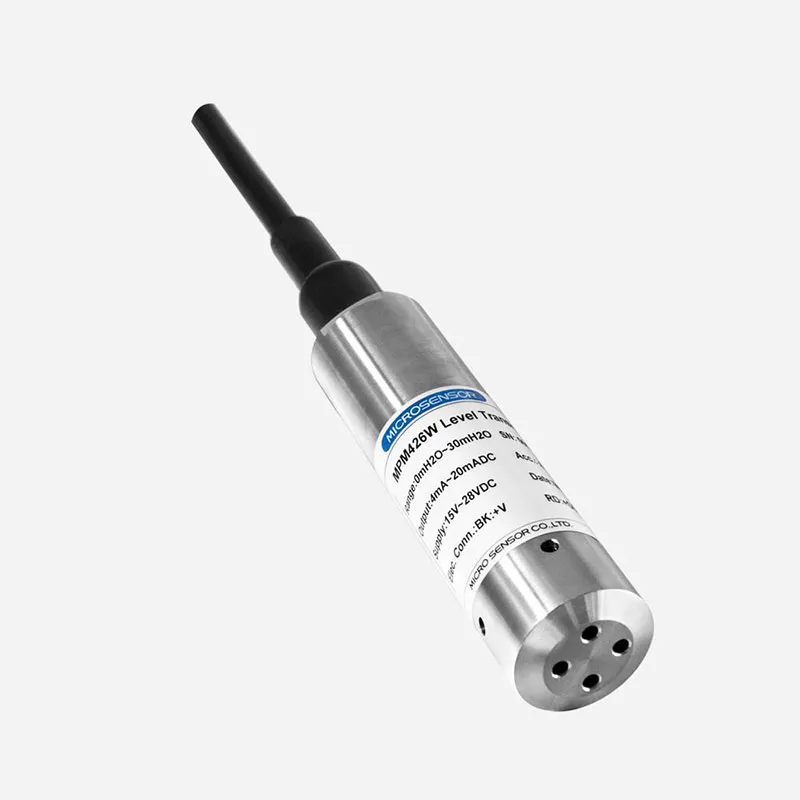
1, 2, 5, 10, 20, 50, 100, 200mH2O
Accuracy: ±0.25%FS (Typ.)
General Level Measurement
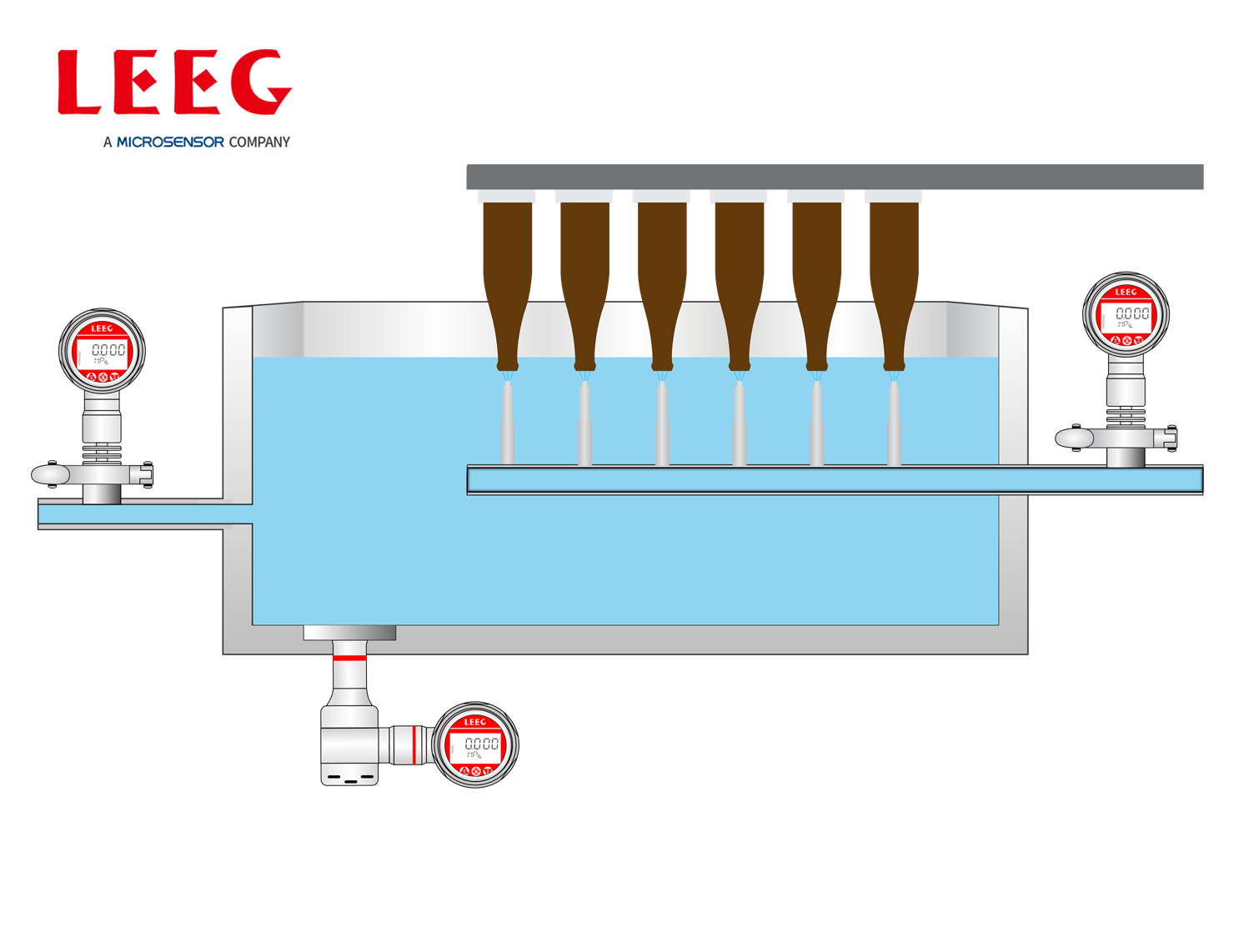
Before beer bottles, medicine bottles, and condiment bottles are filled with liquid, they need to be cleaned first. The cleaning process is as follows: First, the bottles are filled with lye in the alkali tank to remove most of the stains; then, the bottles are back washed with high pressure using water of different temperatures to wash away the remaining impurities and lye. To ensure the stable operation of the bottle washing machine, the level of the alkali tank needs to be measured by hydrostatic pressure. In addition, the pressure of the alkali tank water inlet pipe and the nozzle pipe also needs to be measured.
more info...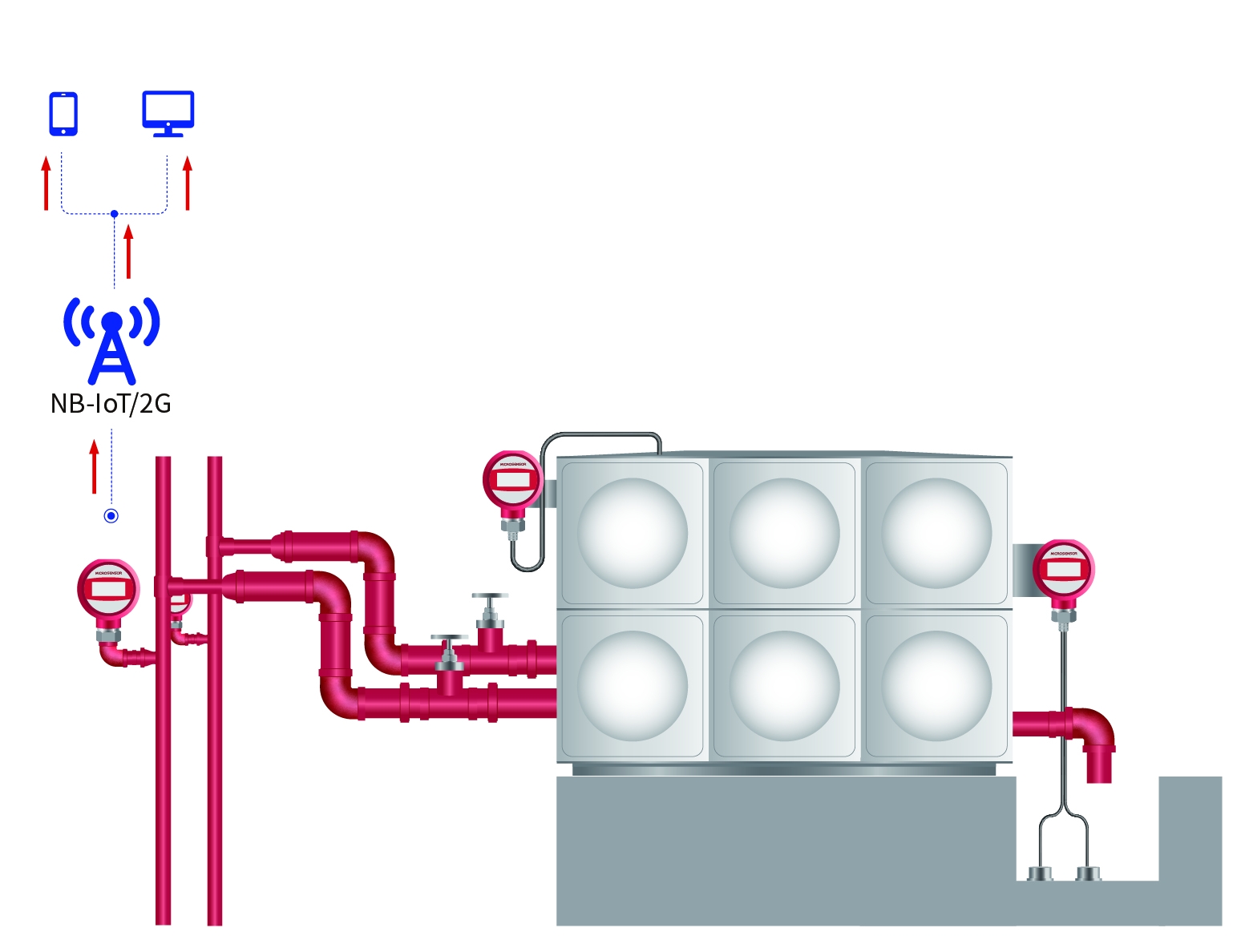
The normal operation of fire-fighting water pipeline plays an important role in safeguarding citizens' personal and property safety. Monitoring instruments are installed at each monitoring point of the fire protection pipeline to monitor pressure and level data in real time, so that when an error occurs, faults are located in time and alarms are given to facilitate staff maintenance and processing.
more info...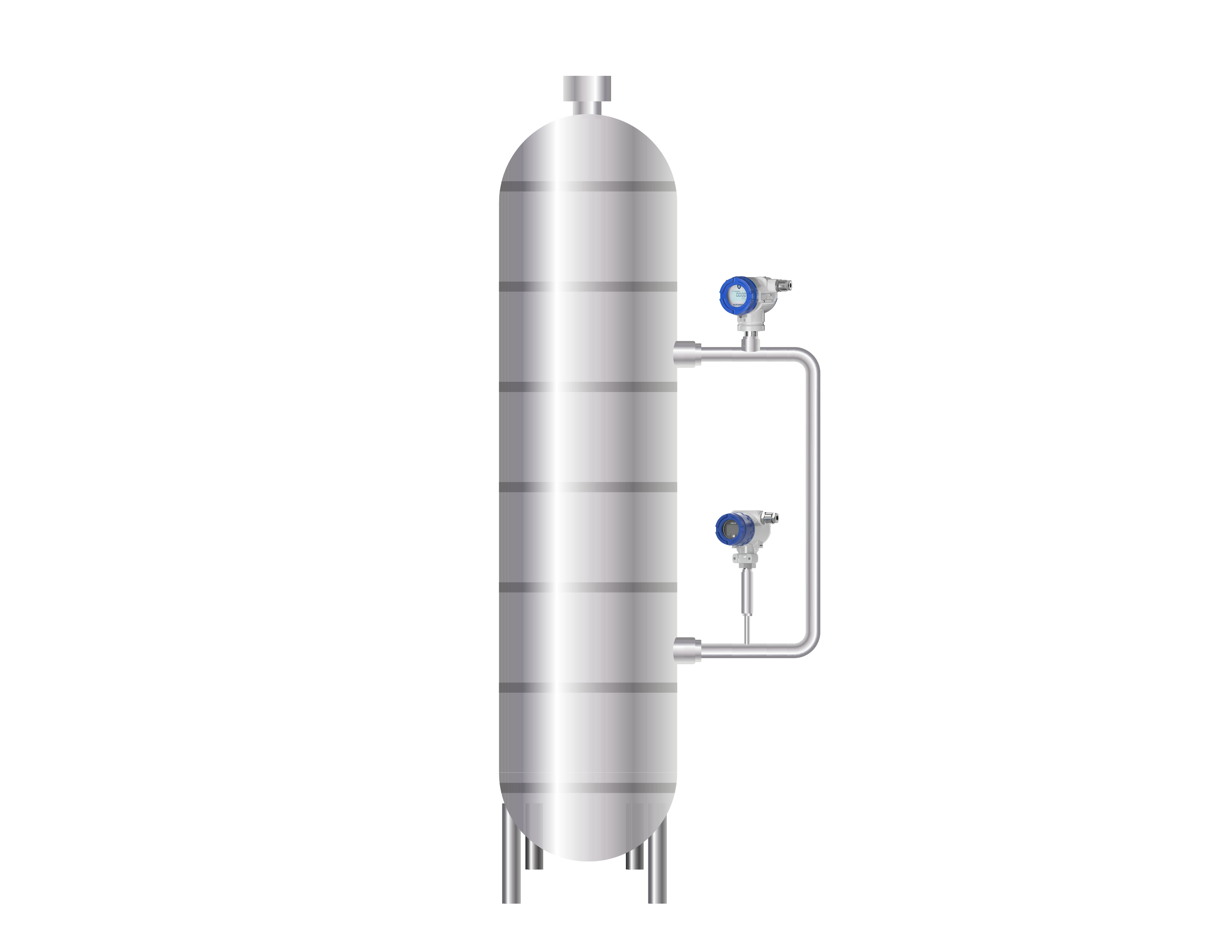
Distillation is an important process for separating and purifying fluorochemical products. Differential pressure measurement helps monitor column operating conditions and identify process abnormalities. However, corrosive media, high static pressure, temperature variations, and vacuum conditions can challenge conventional instruments.
more info...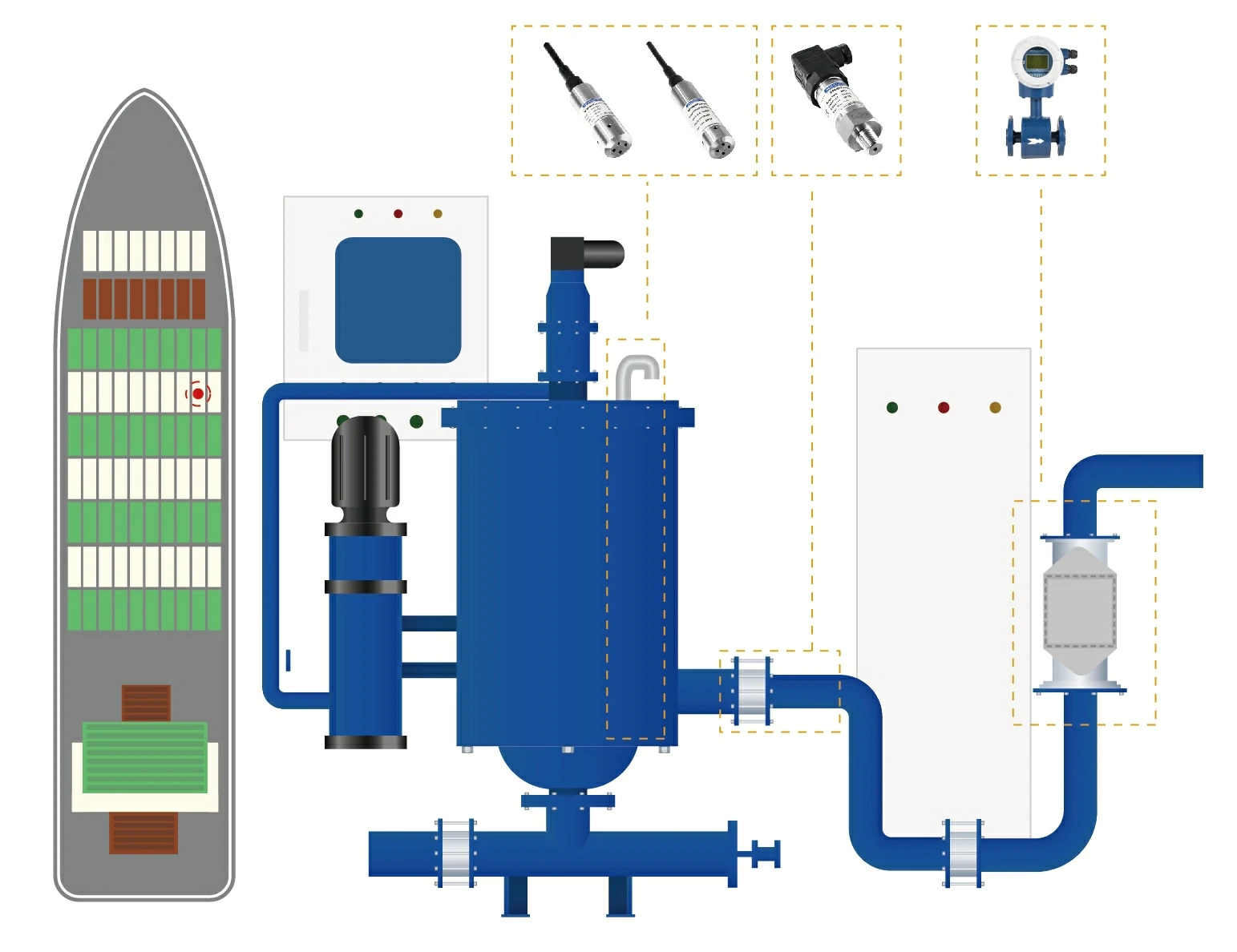
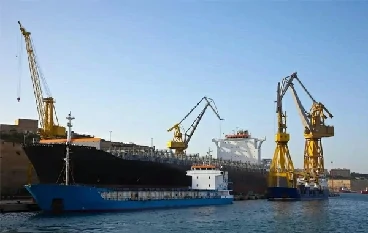
Ballast tank level monitoring achieves precise control of the ballast water system by using equipment such as electromagnetic flowmeters, level transmitters, and pressure transmitters to monitor data on inflow, tank liquid level, and pressure.
more info... Copyright © 2026 MICRO SENSOR CO., LTD