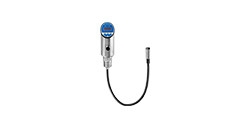
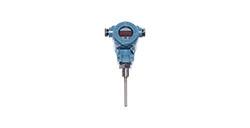
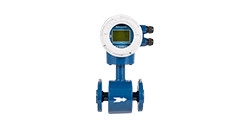
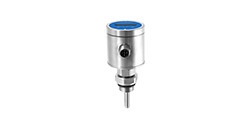





Differential Pressure Transmitter
0bar~0.4bar...35bar
Intrinsically safe, Ex ia IICT6 Ga
Accuracy: ±0.5%FS
New Product Change Notice (PCN) effective Jan 1, 2025. MICROSENSOR appreciate your understanding.

MPM380
Food, Medicine, Sanitation Fields
Leave a MessageMPM380
Used For
Food, Medicine, Sanitation Fields
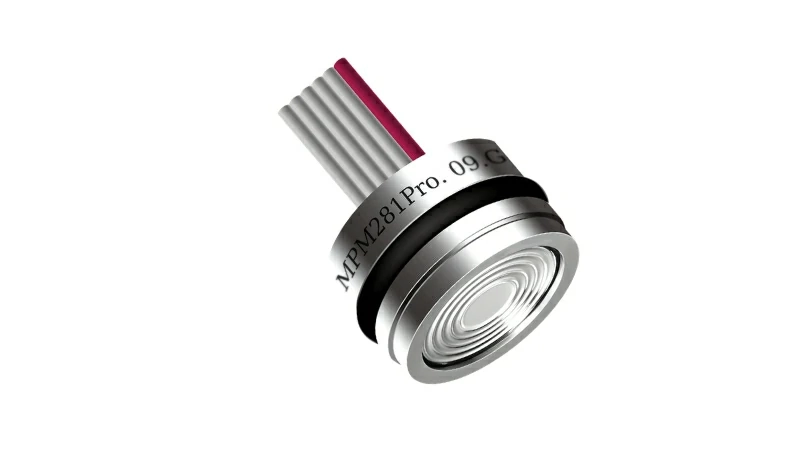
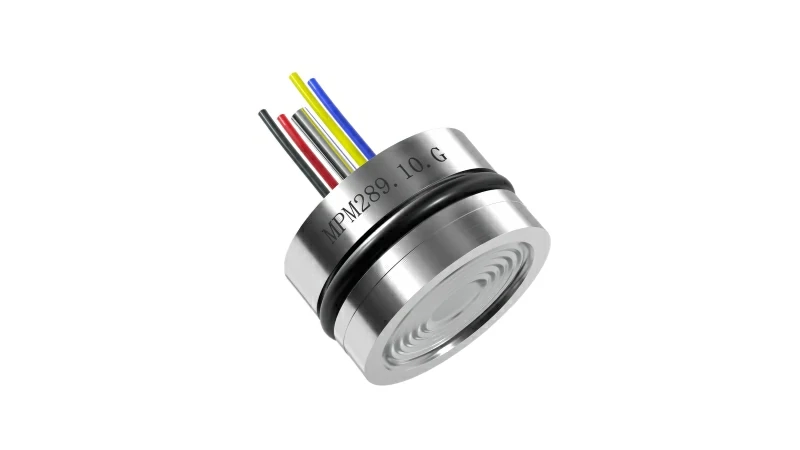
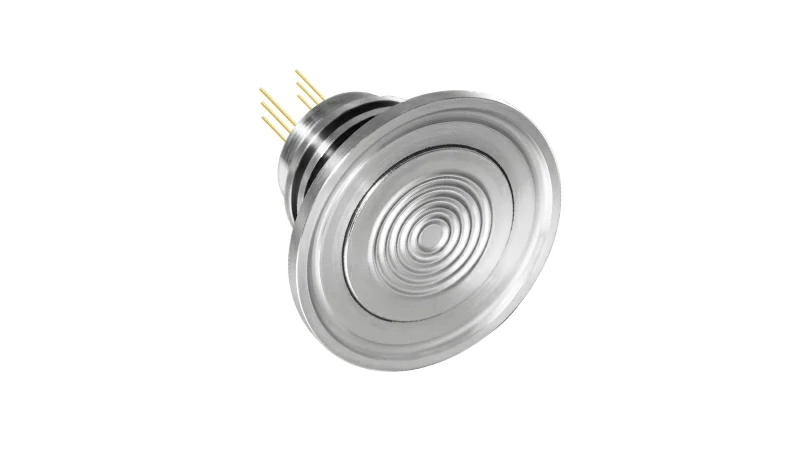
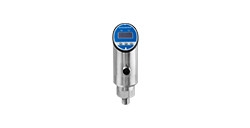
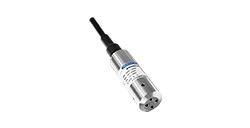
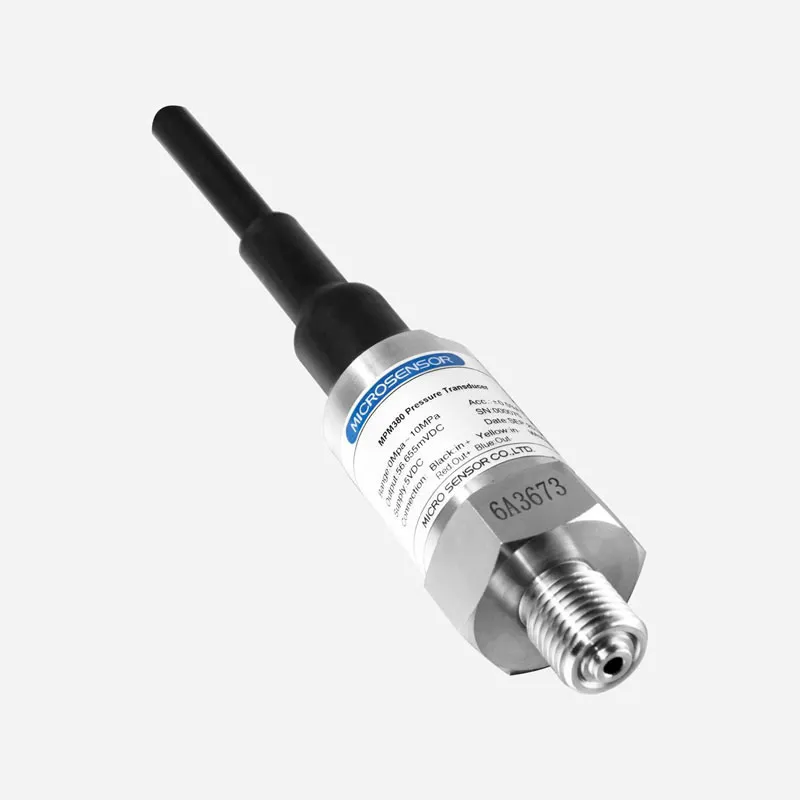
Leave a MessageMPM380 piezoresistive pressure transducer is a general-purpose gas and liquid medium measurement pressure sensor. Using silicon piezoresistive pressure sensitive elements, MPM380 has stable performance and high precision. The stainless steel shell has good compatibility with the interface medium. The pressure port is M20×1.5 external thread, and the end face of the gasket is sealed. MPM380 piezoresistive pressure sensor is suitable for pressure measurement of various dynamic and static gas and liquid media. MPM380 is also available with flush diaphragm type, G1/2 external thread pressure port and Viton gasket. The dynamic pressure transducer is more suitable for occasions where the measurement medium may be fouled, such as food, medicine, hygiene and other industries. According to the needs of actual application scenarios, MicroSensor provides you with a variety of customized products.
Features
• Solid state piezoresistive pressure sensor, high reliability and stability
• All stainless steel construction
• Standard thread pressure measurement method
• Cable or connector lead way
Image:
MPM380 piezoresistive pressure transducer is a general-purpose gas and liquid medium measurement pressure sensor. Using silicon piezoresistive pressure sensitive elements, MPM380 has stable performance and high precision. The stainless steel shell has good compatibility with the interface medium. The pressure port is M20×1.5 external thread, and the end face of the gasket is sealed. MPM380 piezoresistive pressure sensor is suitable for pressure measurement of various dynamic and static gas and liquid media. MPM380 is also available with flush diaphragm type, G1/2 external thread pressure port and Viton gasket. The dynamic pressure transducer is more suitable for occasions where the measurement medium may be fouled, such as food, medicine, hygiene and other industries. According to the needs of actual application scenarios, MicroSensor provides you with a variety of customized products.
Features
• Solid state piezoresistive pressure sensor, high reliability and stability
• All stainless steel construction
• Standard thread pressure measurement method
• Cable or connector lead way


0bar~0.4bar...35bar
Intrinsically safe, Ex ia IICT6 Ga
Accuracy: ±0.5%FS
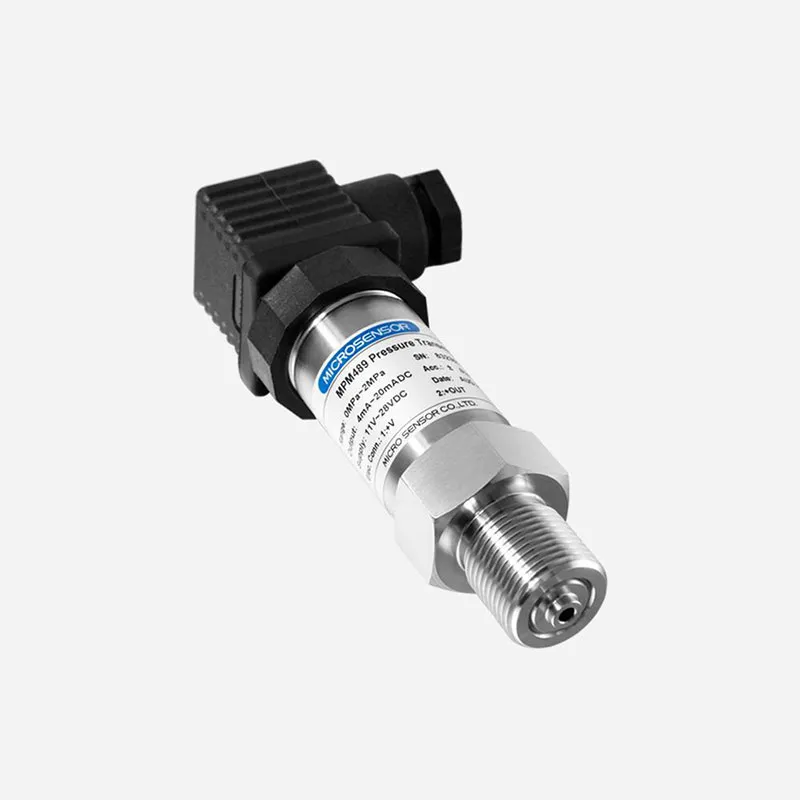
-1bar...0mbar~100mbar…1000bar
General / Flush Diaphragm
CE, RoHS, ATEX approved
DNV and ABS certifications for installation on the ship
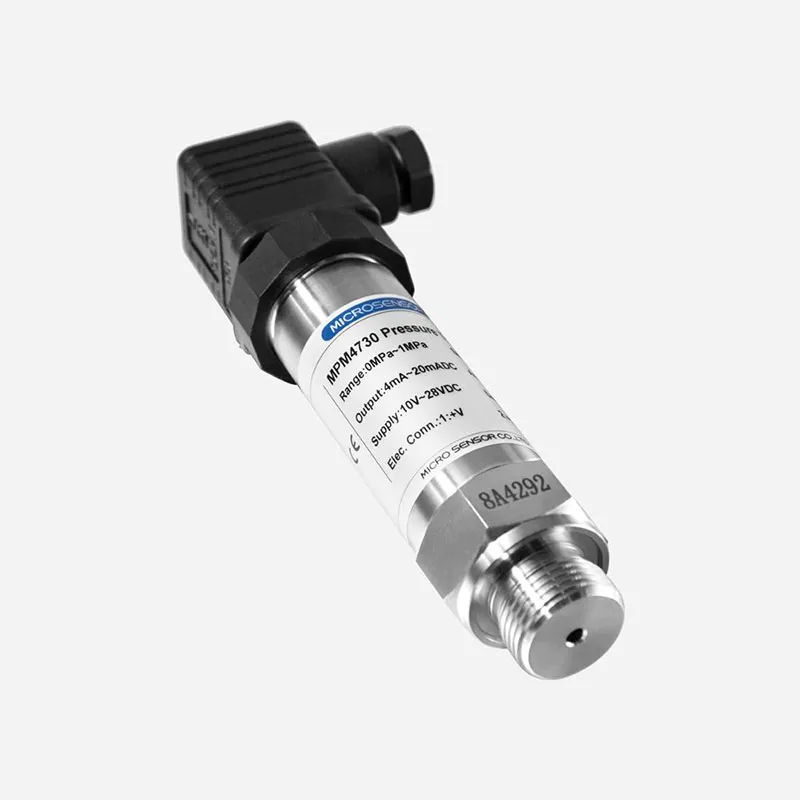
Range:-1bar...0~0.1bar…1000bar
RS485/HART® communication protocol
Accuracy: ±0.1%FS, ±0.25%FS, ±0.5%FS
DNV approved for ship use
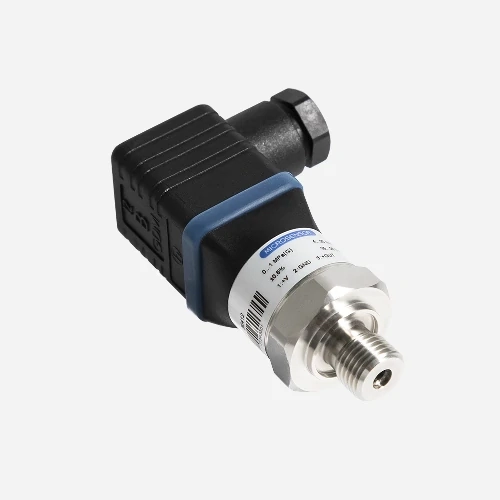
Range: 0~250mbar to 0~250bar
Accuracy:±0.25%FS, ±0.5%FS
Output: 4mA~20mA DC, 0/1V~5/10V DC, 0.5V~4.5V DC
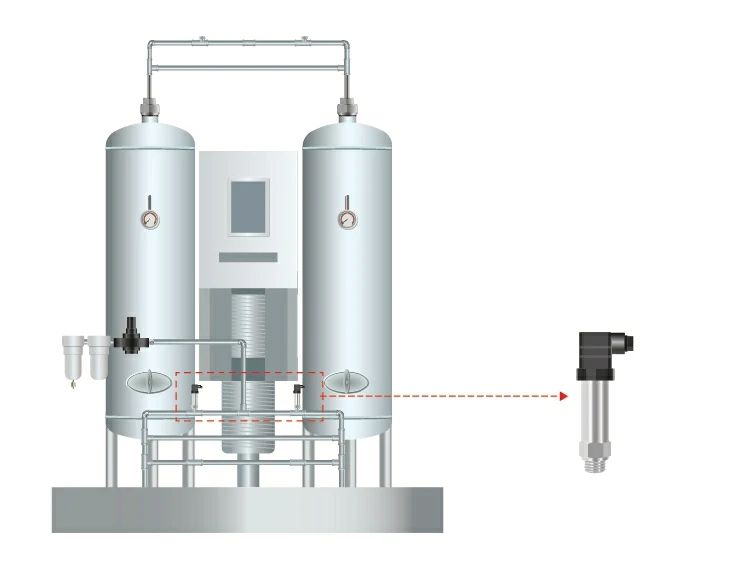
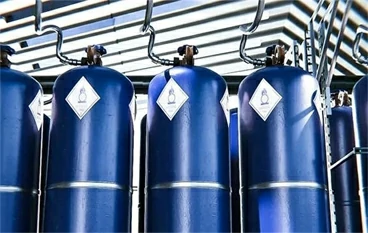
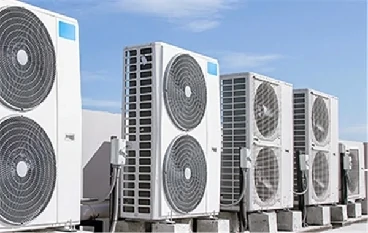
Nitrogen/oxygen generators are widely utilized in electronic equipment, medical devices, air conditioning refrigeration, and food & beverage industries. Pressure transmitters, being vital components of nitrogen/oxygen generators. They monitor the pressure within the container and throughout the variable pressure adsorption process.
more info...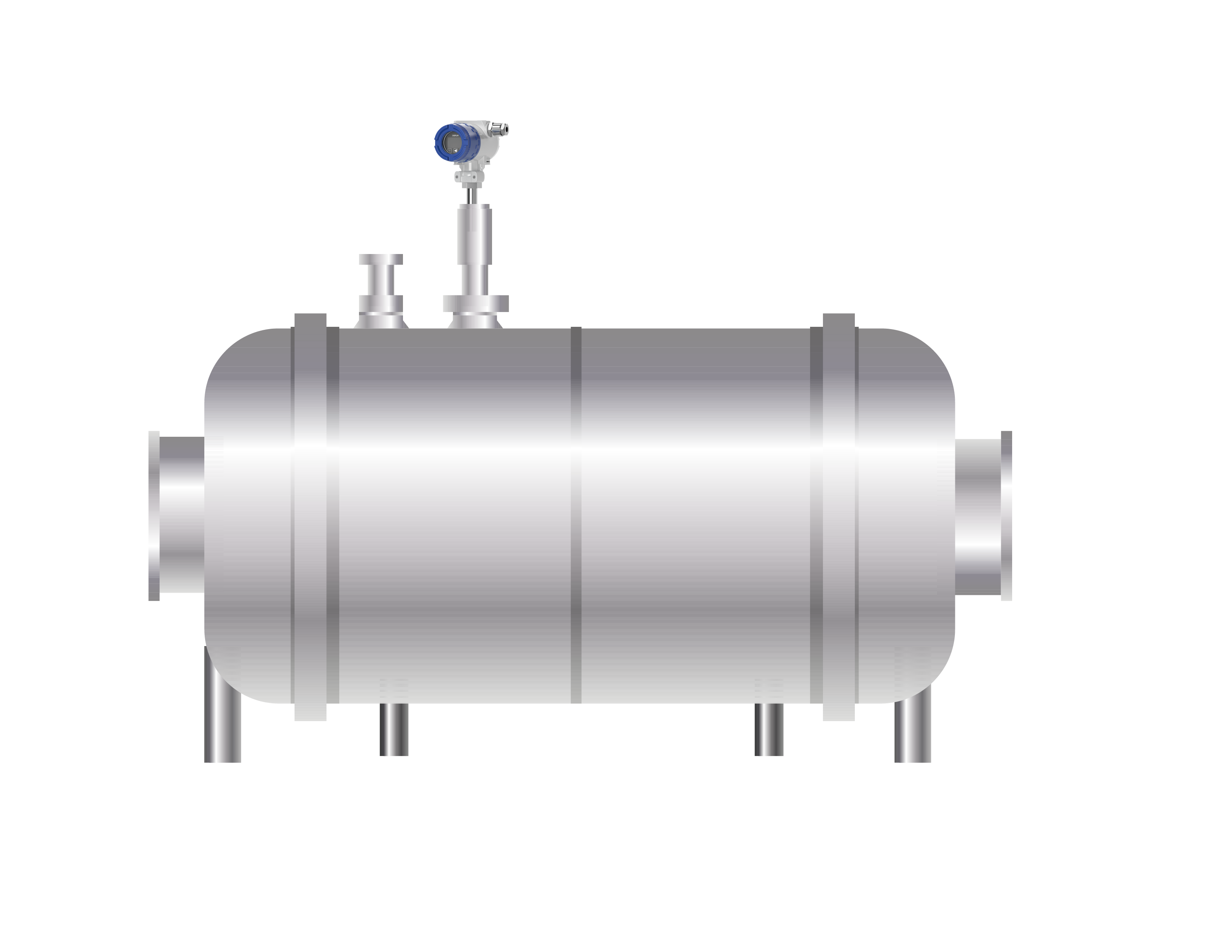
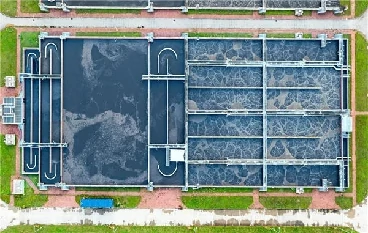
Hydrofluoric acid (HF) and other corrosive fluorochemical media require reliable pressure and level monitoring during storage and transfer. Instrument corrosion, diaphragm degradation, and sealing failure can affect measurement accuracy and increase maintenance and safety risks.
more info...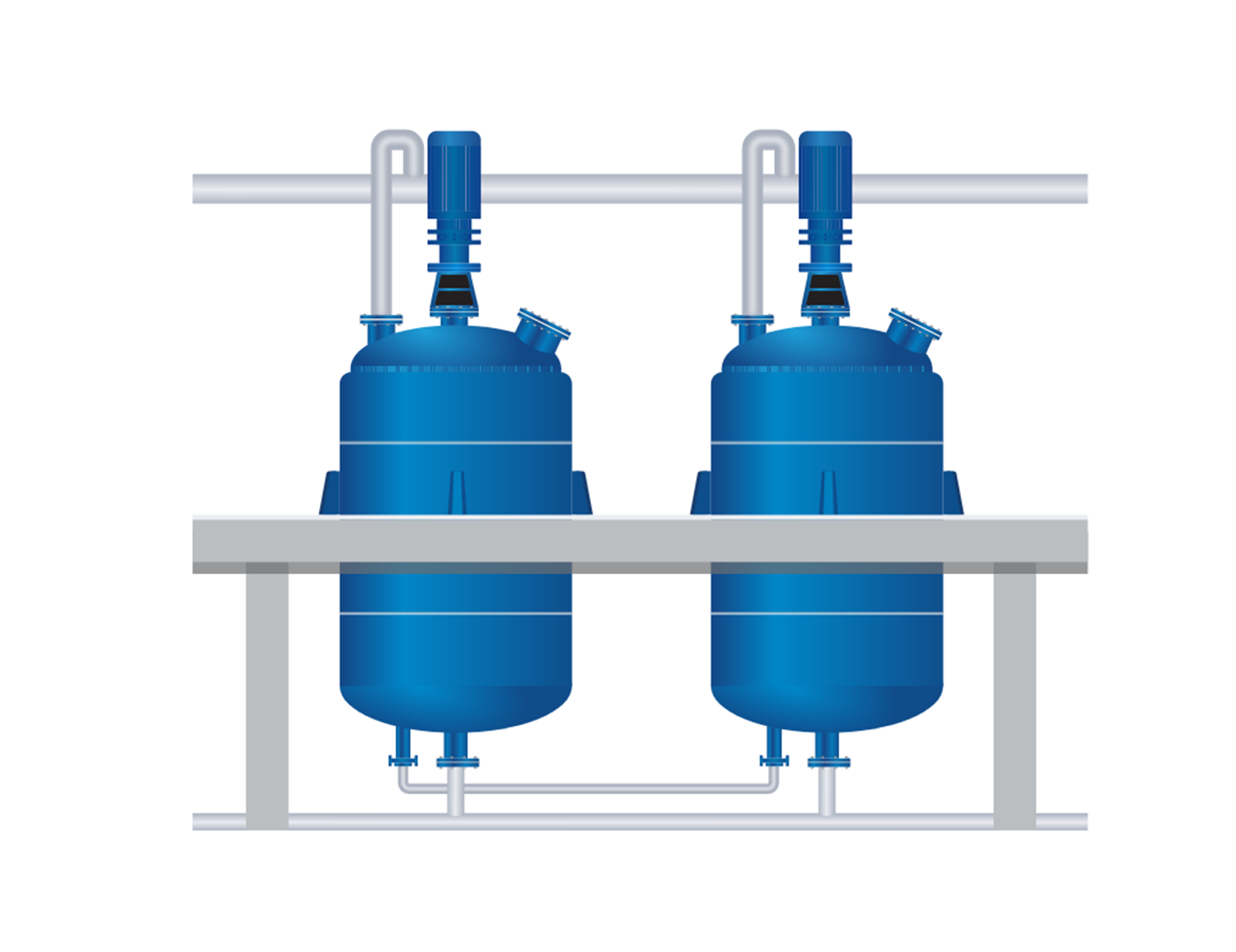
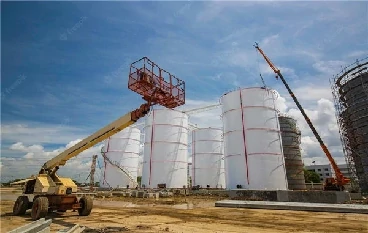
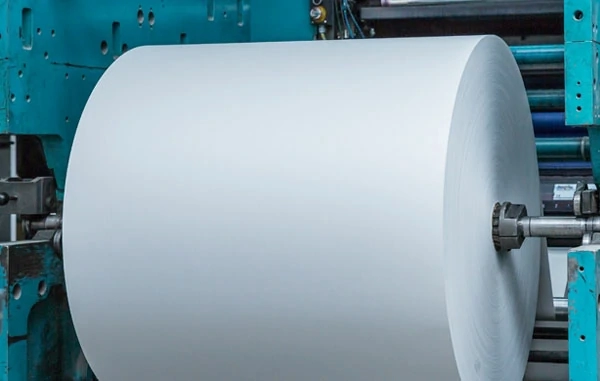
During machine downtime or product changes, the press rolls are cleaned and coated with a specialist solution to protect against adhesions and deposits, hence avoiding paper difficulties. The 50°C coating mixture is pushed through the machine. To maintain automated functioning, the tank's level and filter status must be continuously monitored.
more info...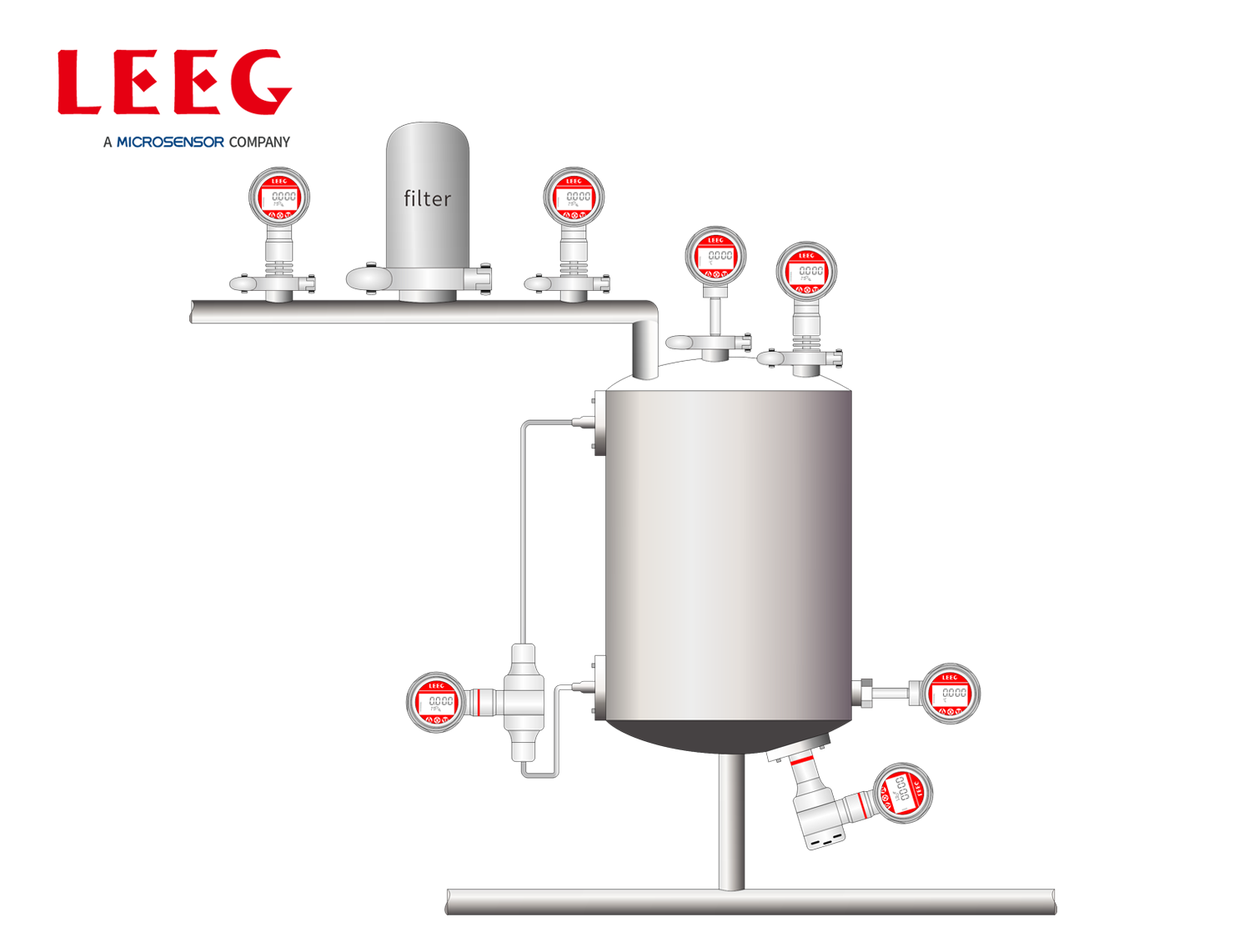
In the pharmaceutical industry, reaction kettles are mainly used to synthesize drugs and their active ingredients, as well as to prepare pharmaceutical intermediates. They are equipped with precise heating and cooling systems that can adjust the reaction temperature as needed to optimize the reaction rate and yield. Besides, the rc can maintain a stable pressure environment.
more info... Copyright © 2026 MICRO SENSOR CO., LTD