
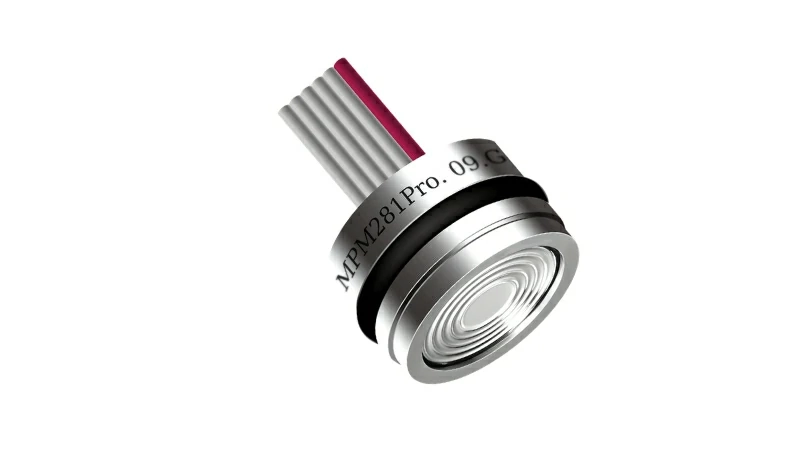
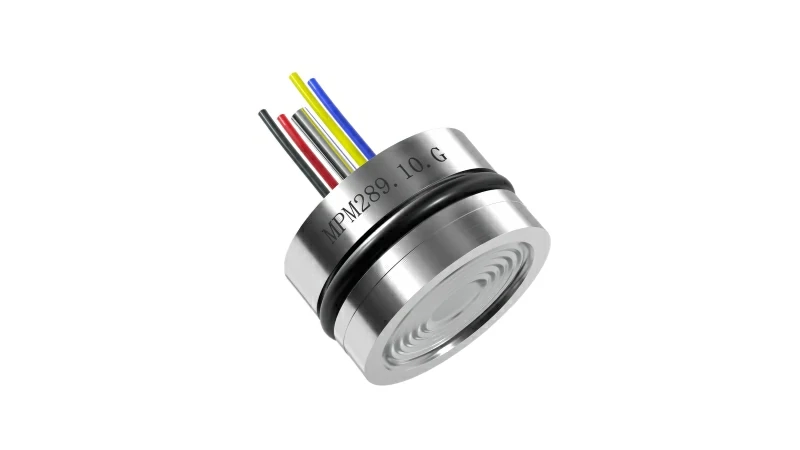
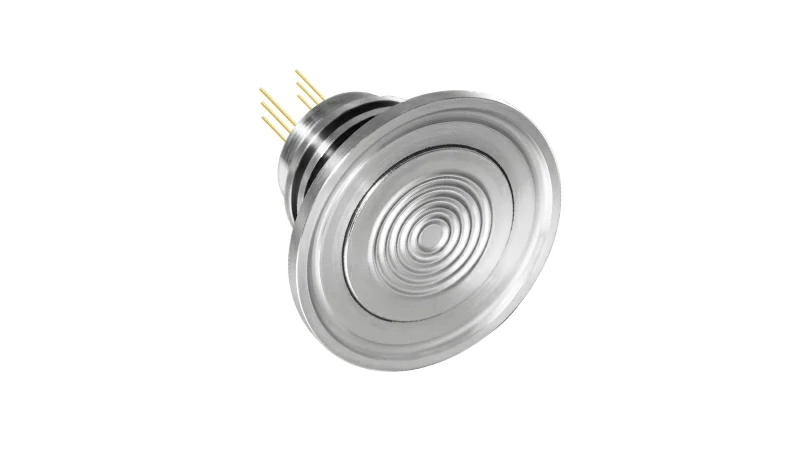
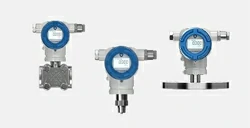
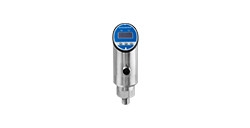
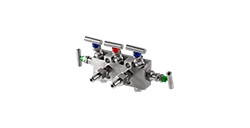
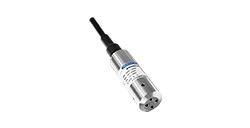







In order to choose a pressure sensor or pressure transmitter suitable for different applications, the pressure type is one of the key specifications. Absolute/gauge and differential pressure transmitters serve distinct purposes and are essential for accurate readings in different environments. This guide explains each type and how to choose the right one for your needs.
Gauge Pressure
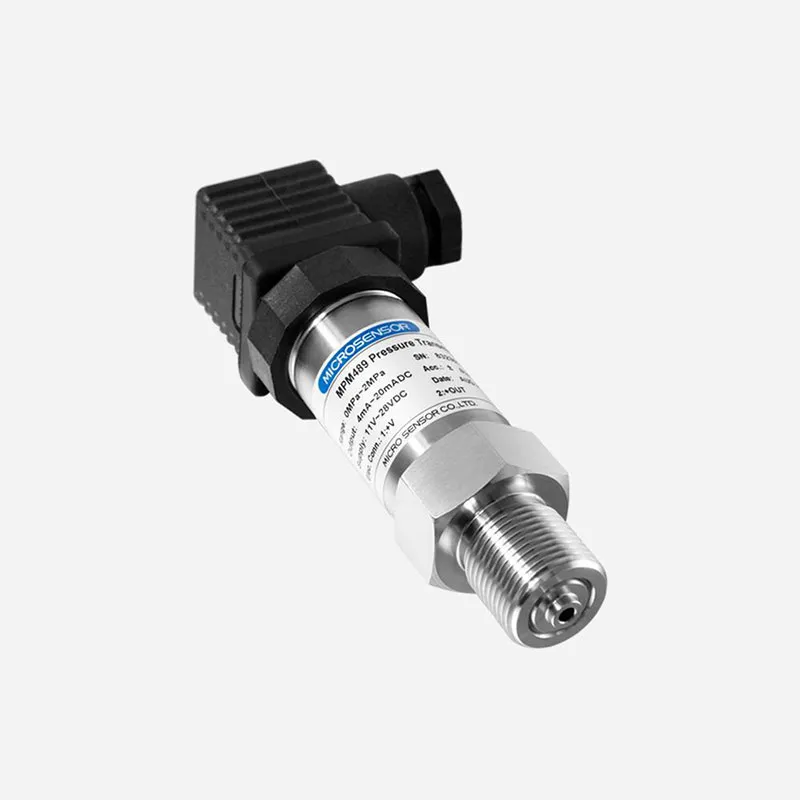
It takes the atmospheric pressure as the reference point. Since the atmospheric pressure may vary according to different locations, a gauge pressure sensor is needed to ensure accurate pressure measurement.
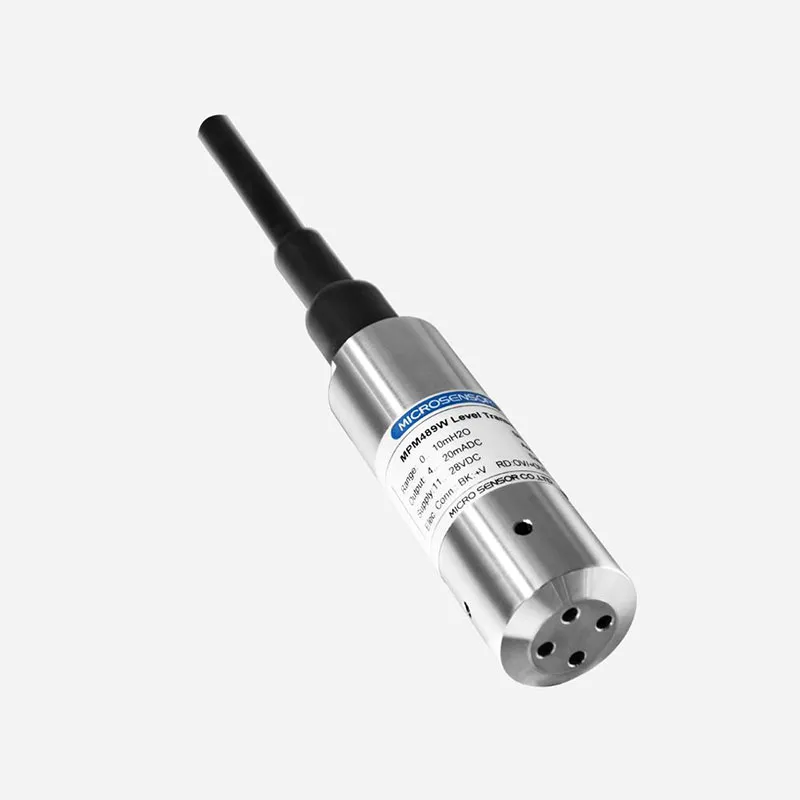
Generally, a gauge pressure transducer has a vented tube connecting to atmospheric pressure as a reference point to measure the media pressure.
Sealed Gauge Pressure
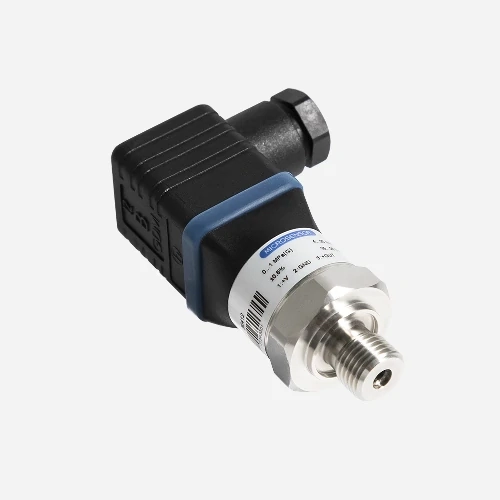
A sealed gauge pressure sensor uses a pre-determined pressure as a reference point. For the Micro Sensor pressure sensor, we use our local barometric pressure as a reference. The sealed gauge pressure transducer generally applies for high-pressure measurements where atmospheric pressure changes slightly affect the barometric pressure sensor or barometric pressure transmitter's accuracy.
Absolute Pressure
It is the absolute zero point, with a perfect vacuum as the reference point. A formula shows the relationship between gauge and absolute pressure:
Absolute pressure = gauge pressure + atmospheric pressure
Differential Pressure
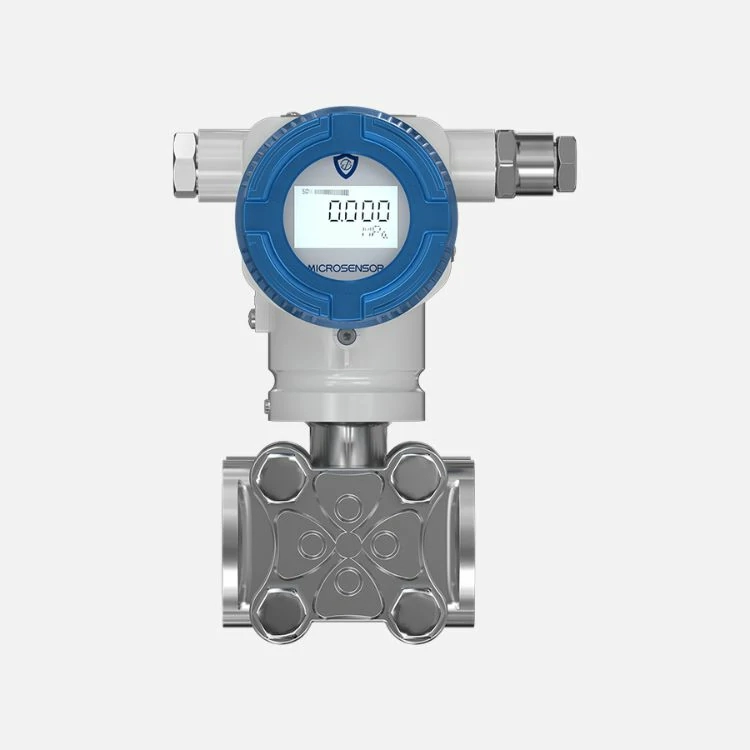
The pressure difference between two points or systems is known as differential pressure. Gauge is a specific differential pressure in that one pressure is always atmospheric. Differential Pressure is commonly associated with industrial processes because it is an important element used to maintain the proper pressure conditions for the effective working of the whole system. These gauges have two inlet ports (high-pressure port and low-pressure port), and each port is connected to the fluids whose pressure needs to be determined. Micro Sensor offers a series of differential pressure sensors for differential pressure measurement.
Difference of Absolute Pressure, Gauge Pressure, and Differential Pressure

How to Choose the Right Pressure Type?
Consider Your Reference Point
• Need to account for atmospheric changes? → Gauge (vented)
• Require a stable reference regardless of weather/altitude? → Sealed Gauge
• Measuring against a perfect vacuum? → Absolute
• Comparing two process points? → Differential
Environment & Application
• Outdoor/weather-dependent: Gauge or Absolute
• Closed systems with variable atmosphere: Sealed Gauge
• Flow, filtration, level: Differential
• Vacuum or barometric: Absolute
Accuracy & Calibration
• Absolute and Sealed Gauge are less affected by environmental pressure shifts.
• Gauge types require atmospheric reference integrity.
• Differential sensors need both ports properly connected.
Consider the reference point, environmental factors, and whether you need to measure a single pressure or a difference between two points. Need help selecting a pressure sensor? When in doubt, consult with our specialist to ensure accuracy and reliability in your applications. Our experienced and professional sales engineers are pleased to offer help.
 Copyright © 2026 MICRO SENSOR CO., LTD


