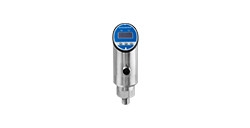
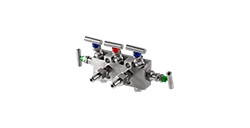
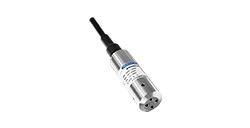
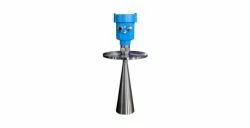






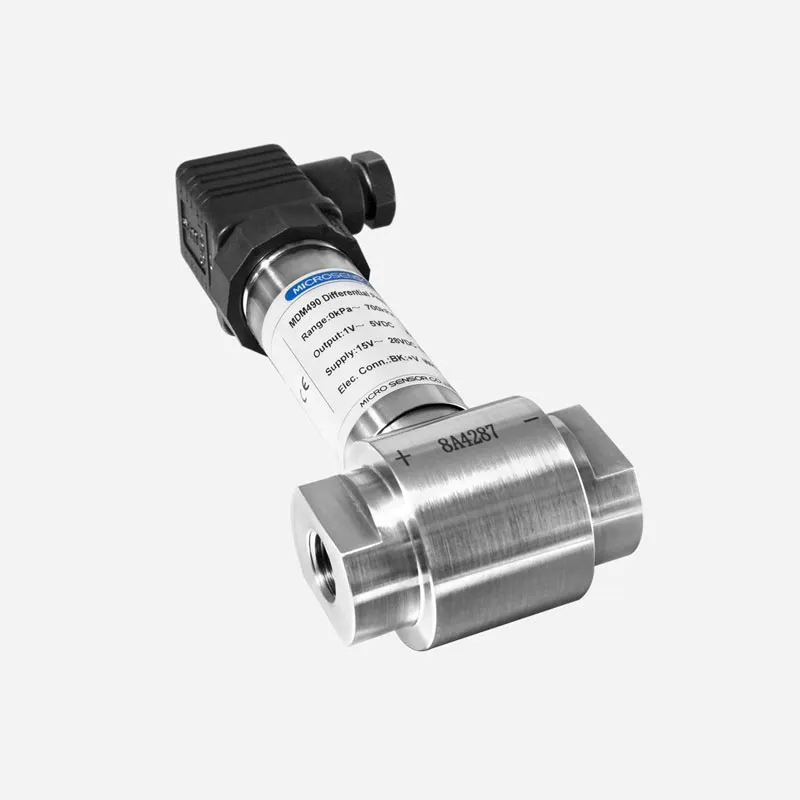
Differential Pressure Transmitter
0bar~0.4bar...35bar
Intrinsically safe, Ex ia IICT6 Ga
Accuracy: ±0.5%FS
New Product Change Notice (PCN) effective Jan 1, 2025. MICROSENSOR appreciate your understanding.

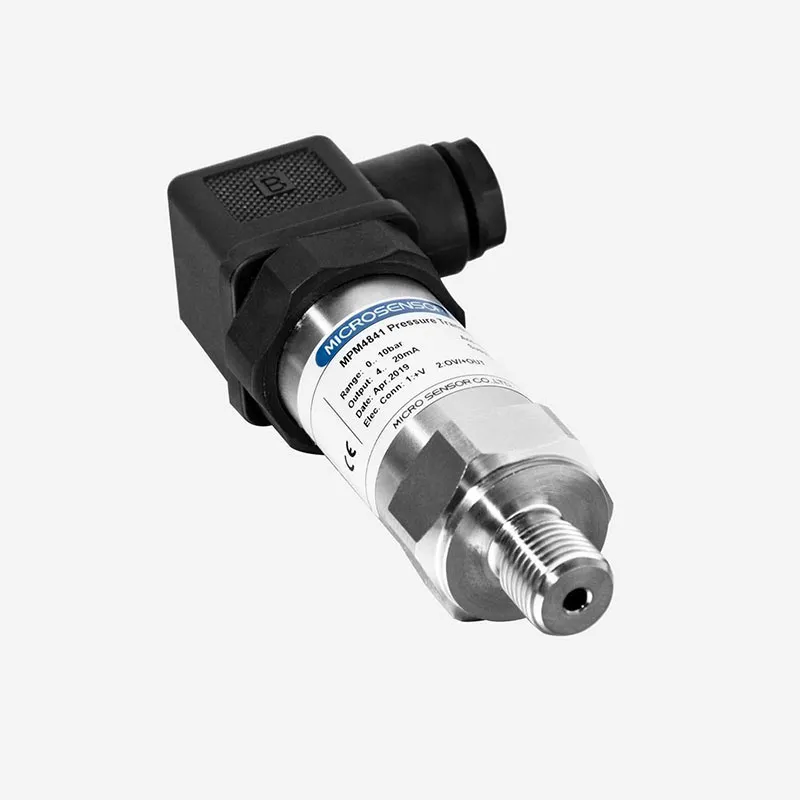
MPM4841B
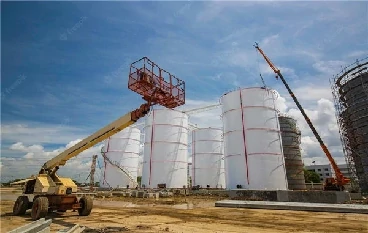
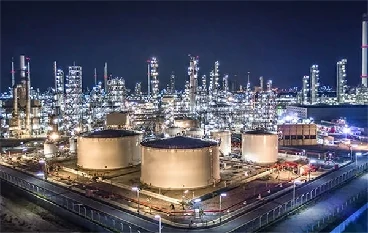
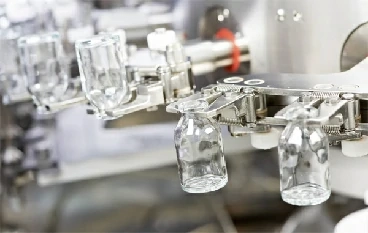
Mechanical Manufacturing, Petroleum and Petrochemical Industry, Measurement and Control Technology, Hydraulic Pressure and Pneumatic Field, Energy and Water Treatment
Leave a MessageMPM4841B
Used For
Mechanical Manufacturing, Petroleum and Petrochemical Industry, Measurement and Control Technology, Hydraulic Pressure and Pneumatic Field, Energy and Water Treatment
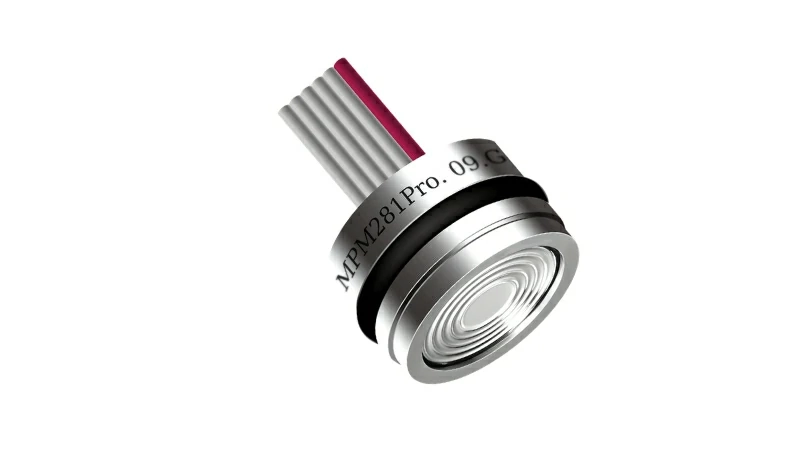
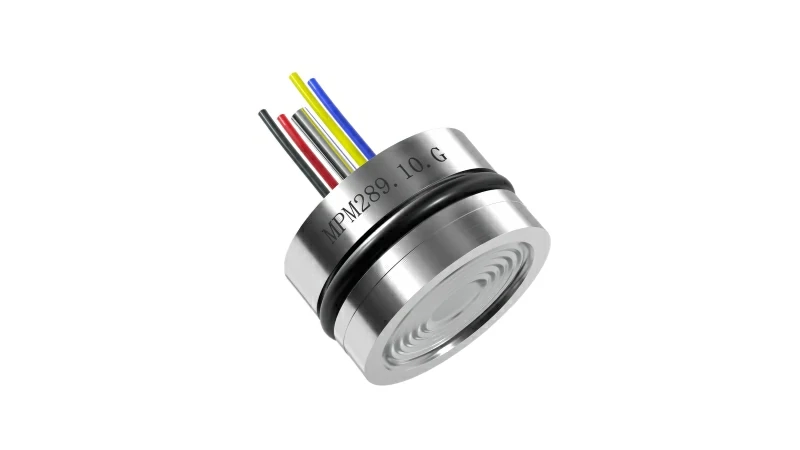
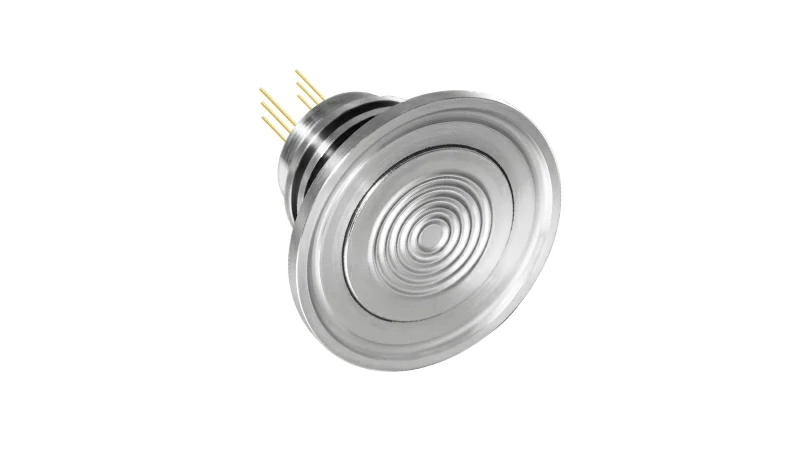
Leave a MessageMPM4841B Economical Pressure Transmitter adopts stable and reliable piezoresistive pressure sensor. It has a unique conditioning circuit that produces a standard current or voltage signal. The compact design of this pressure transducer is CE and RoHS certified for stable and reliable performance. The 0-10v pressure transducer offers a wide range of output signals to meet the needs of different customers and is ideal for a variety of industrial applications. Moreover, it offers excellent quality at extremely competitive pricing.
Specifications
• Range:
A Type: 0bar ~ 0.35bar…200bar
B Type: 0bar ~ 250bar…600bar
• Overpressure: ≤2 times FS
• Pressure Type: Gauge, absolute, sealed gauge
• Long-term Stability : ±0.3%FS/year
• Operation Temperature:
-30℃ ~ 80℃ (B1 type , B4 type)
-20℃ ~ 70℃ (B2 type, cable material: PE, PVC)
Image:
MPM4841B Economical Pressure Transmitter adopts stable and reliable piezoresistive pressure sensor. It has a unique conditioning circuit that produces a standard current or voltage signal. The compact design of this pressure transducer is CE and RoHS certified for stable and reliable performance. The 0-10v pressure transducer offers a wide range of output signals to meet the needs of different customers and is ideal for a variety of industrial applications. Moreover, it offers excellent quality at extremely competitive pricing.
Specifications
• Range:
A Type: 0bar ~ 0.35bar…200bar
B Type: 0bar ~ 250bar…600bar
• Overpressure: ≤2 times FS
• Pressure Type: Gauge, absolute, sealed gauge
• Long-term Stability : ±0.3%FS/year
• Operation Temperature:
-30℃ ~ 80℃ (B1 type , B4 type)
-20℃ ~ 70℃ (B2 type, cable material: PE, PVC)


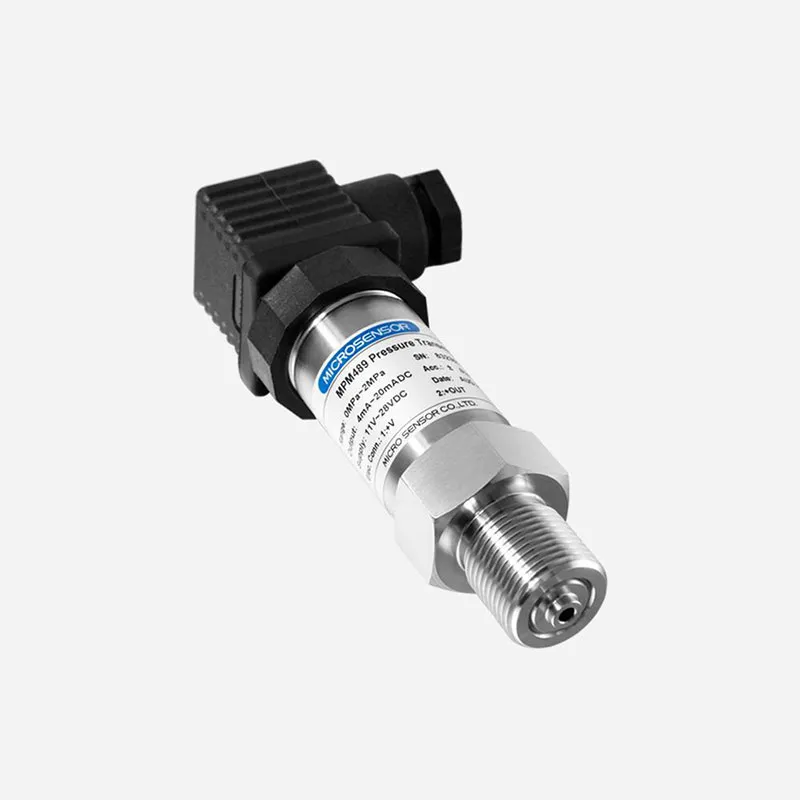
0bar~0.4bar...35bar
Intrinsically safe, Ex ia IICT6 Ga
Accuracy: ±0.5%FS
-1bar...0mbar~100mbar…1000bar
General / Flush Diaphragm
CE, RoHS, ATEX approved
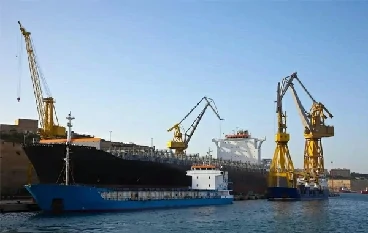
DNV and ABS certifications for installation on the ship
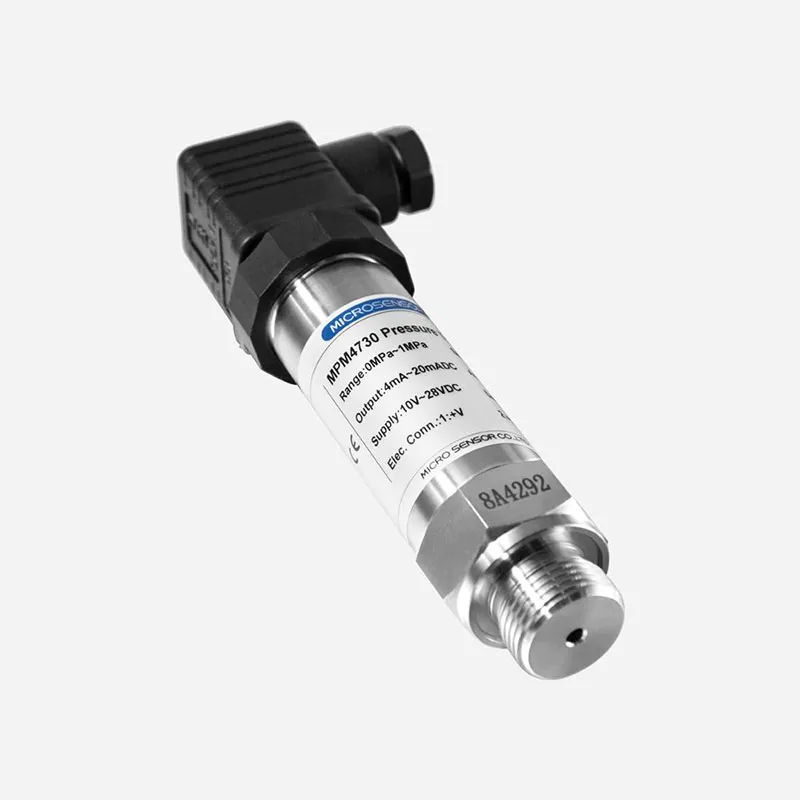
Range:-1bar...0~0.1bar…1000bar
RS485/HART® communication protocol
Accuracy: ±0.1%FS, ±0.25%FS, ±0.5%FS
DNV approved for ship use
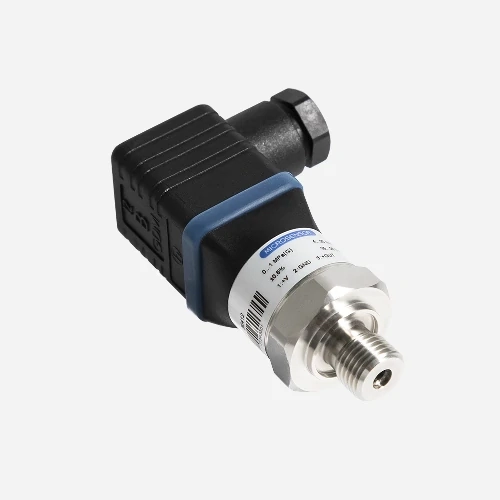
Range: 0~250mbar to 0~250bar
Accuracy:±0.25%FS, ±0.5%FS
Output: 4mA~20mA DC, 0/1V~5/10V DC, 0.5V~4.5V DC
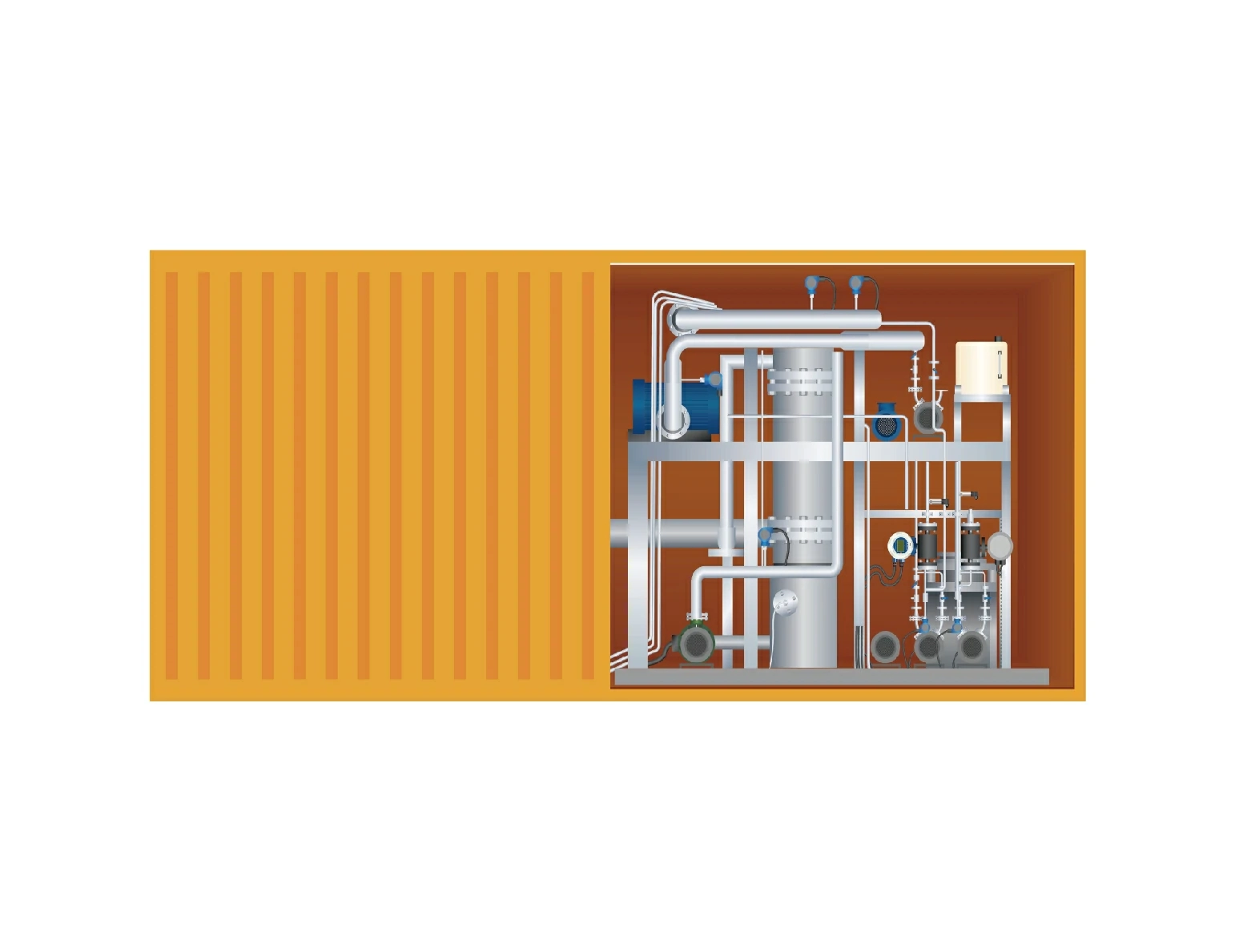
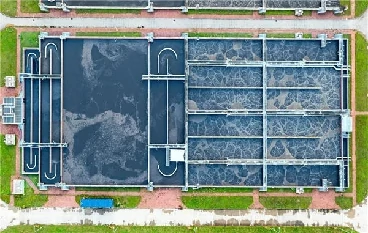
By monitoring the sewage flow, pipeline pressure and reservoir level, the efficiency of sewage treatment plant can be improved. At the same time, it can also facilitate operation and management, and achieve energy saving and automation control.
more info...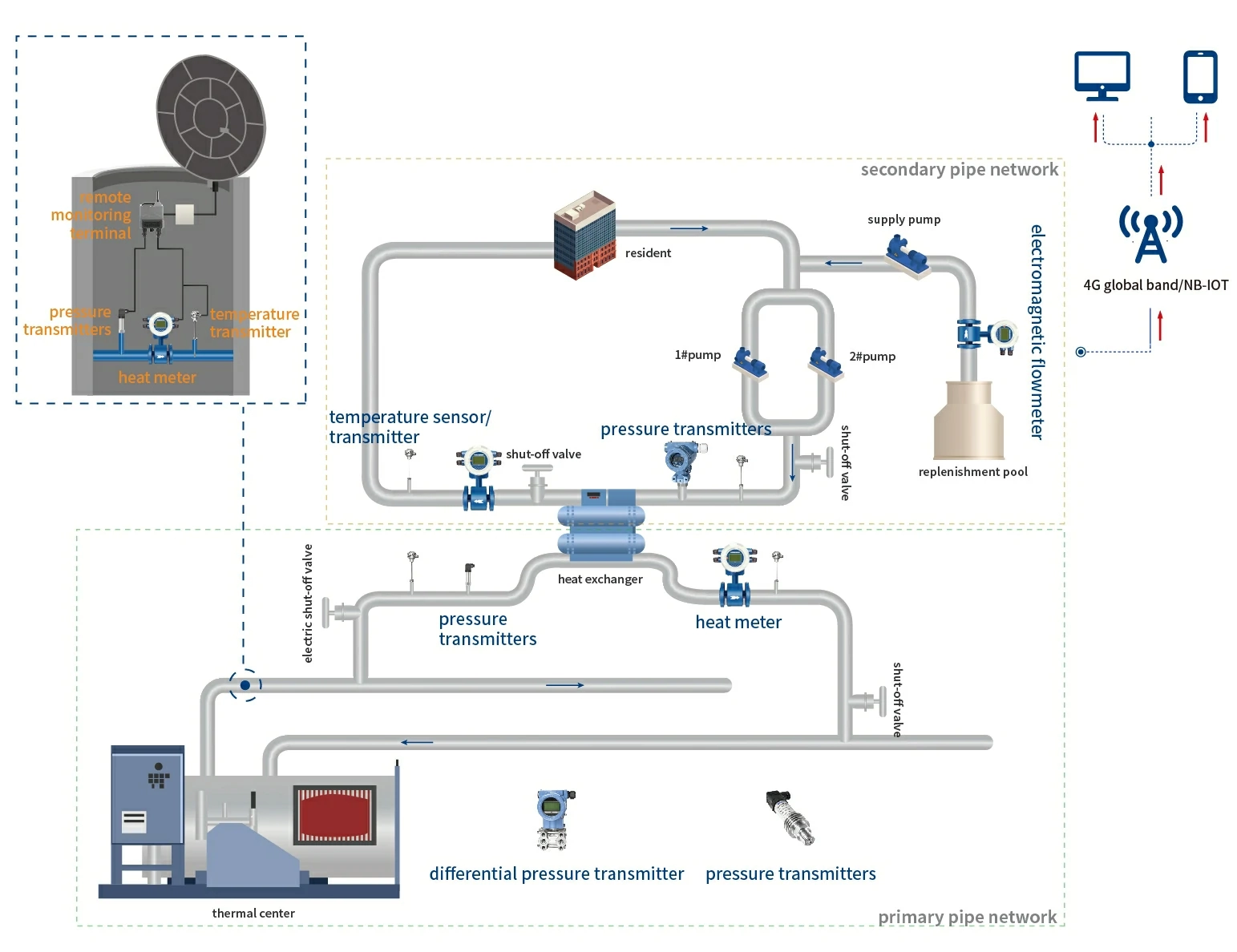
Electromagnetic flowmeters, ultrasonic flowmeters, level transmitters, pressure transmitters are installed in the heat exchange station heating system to obtain real-time data on pipeline flow, heat, temperature, and pressure, ensuring the normal operation of the heat exchange station.
more info...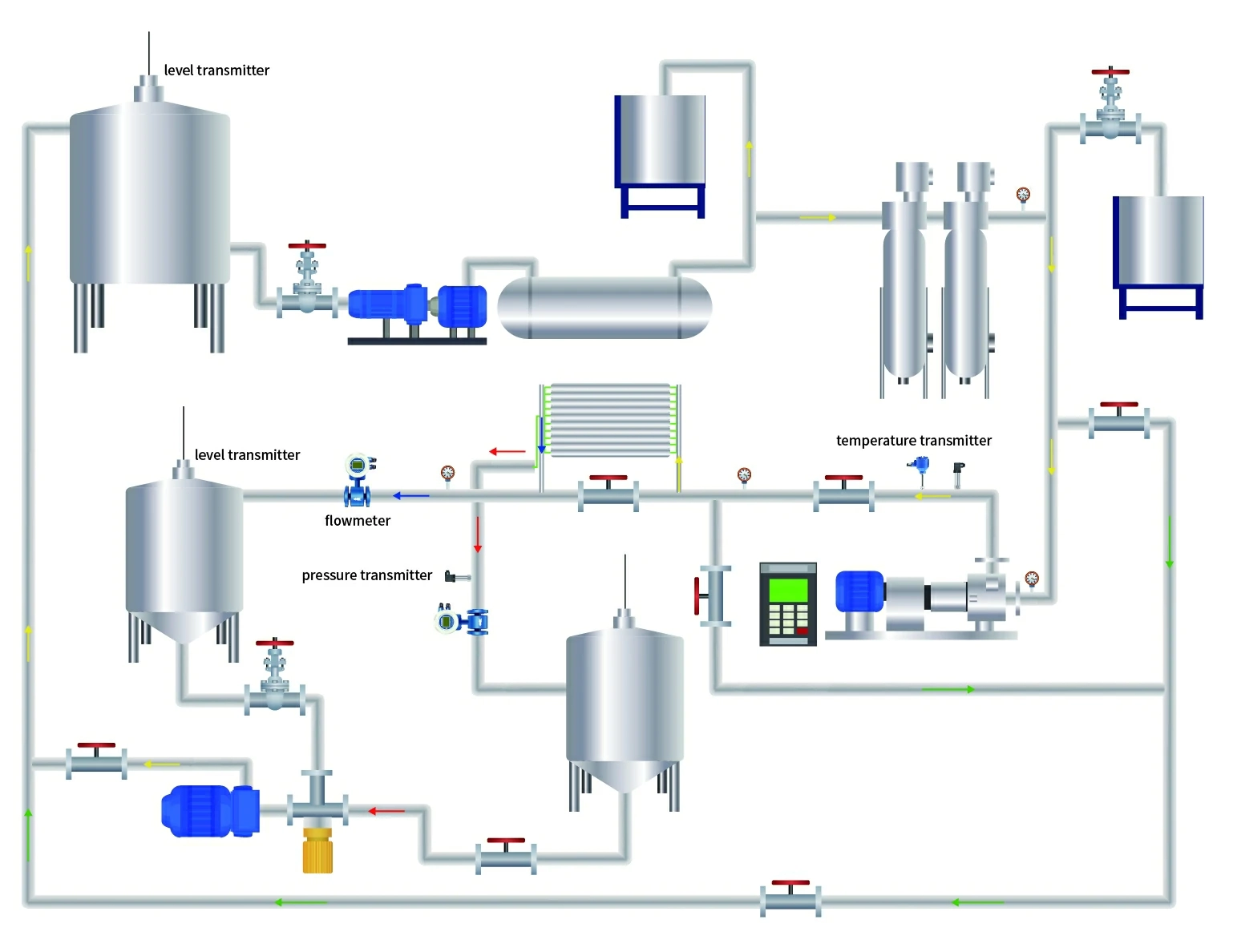
There is a shortage of freshwater resources in coastal or nearshore areas. Desalination is an important solution to water shortages in these areas. During the seawater desalination process, data such as flow rate and liquid level need to be monitored. Monitoring of these data ensures that the system is operating properly.
more info...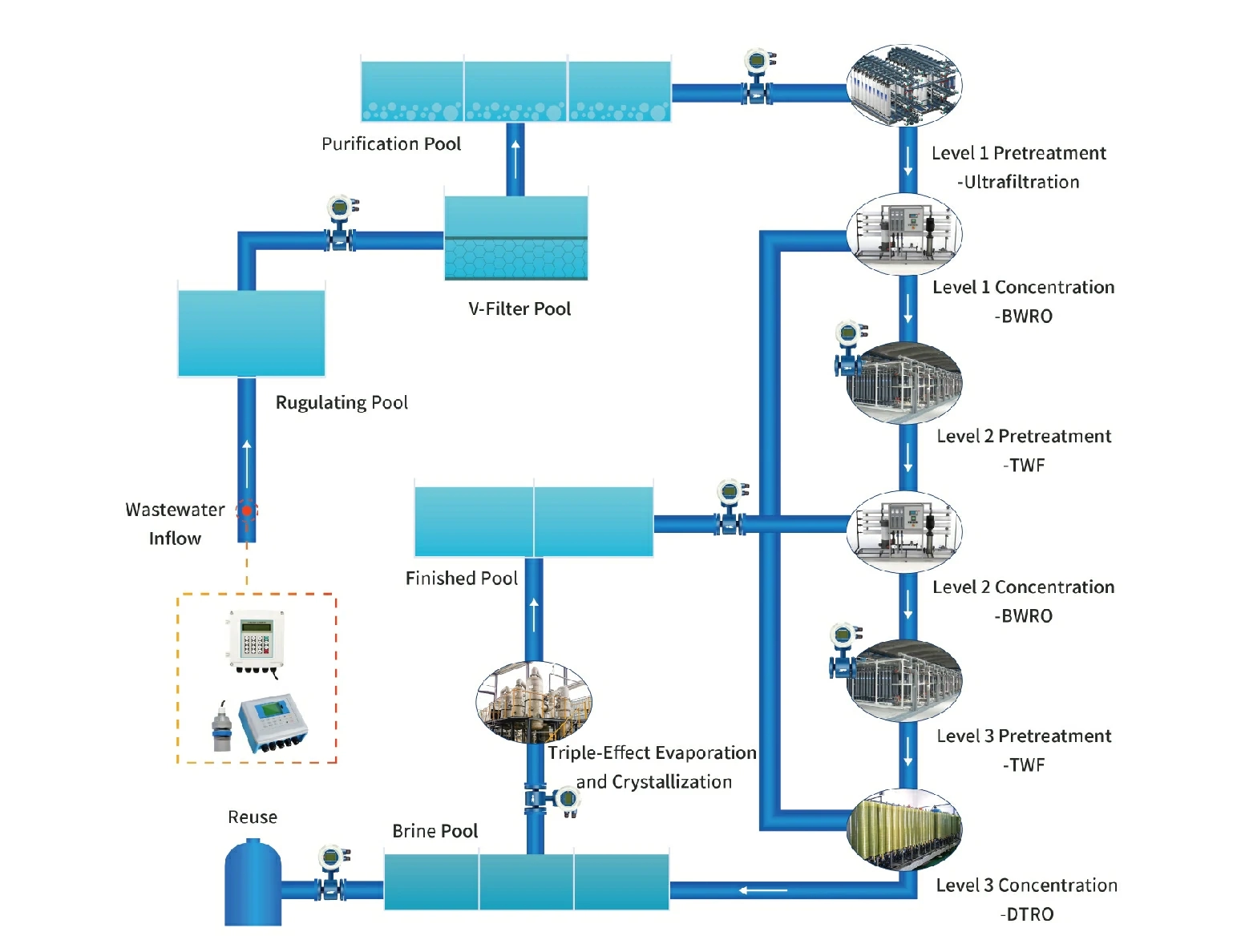
In response to the national sustainable development strategy, enterprises typically install industrial wastewater treatment equipment, such as magnetic flowmeters and open channel flowmeters, to monitor and measure wastewater treatment and discharge.
more info... Copyright © 2026 MICRO SENSOR CO., LTD