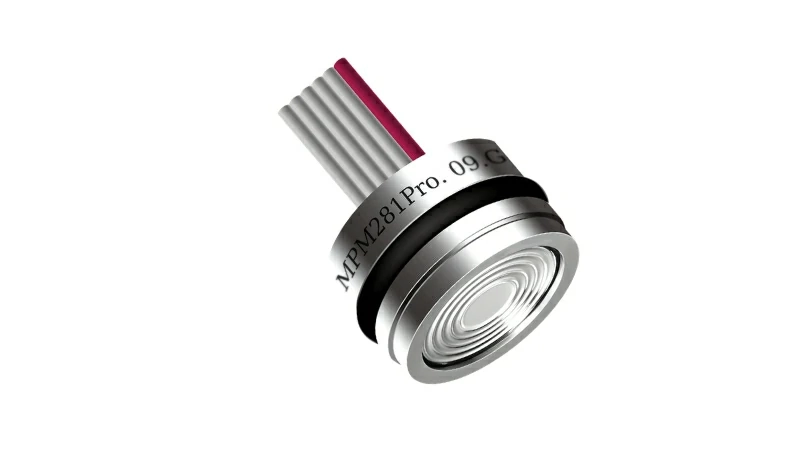
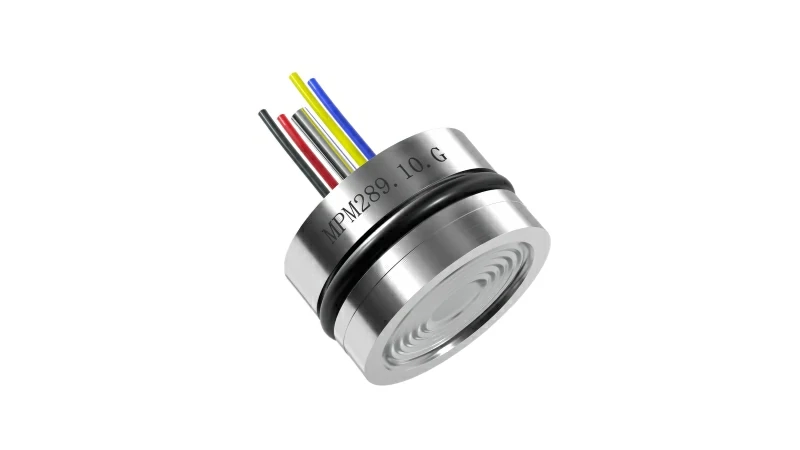
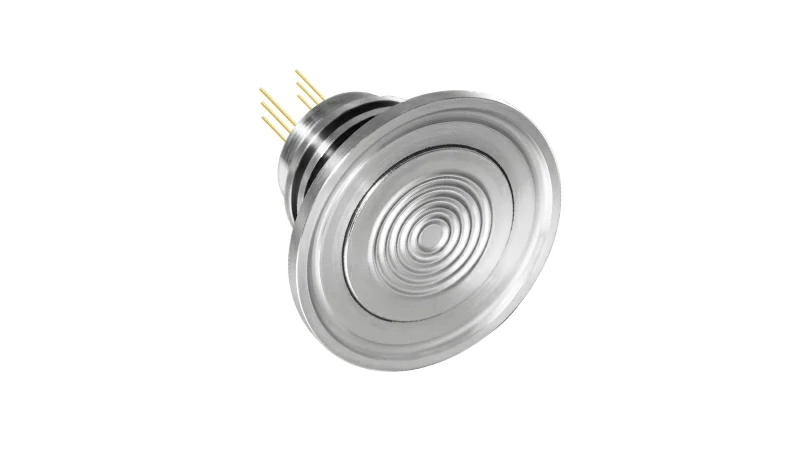
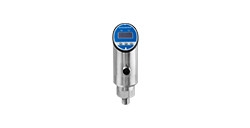



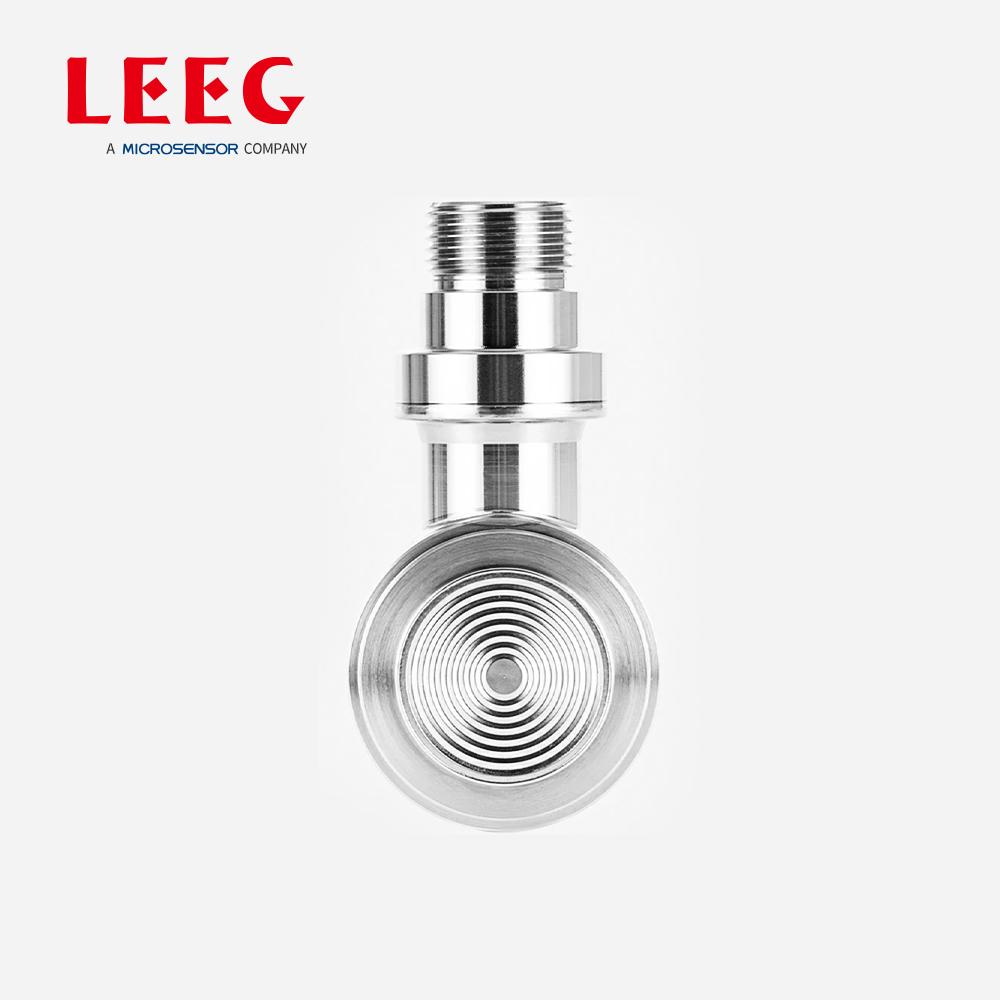
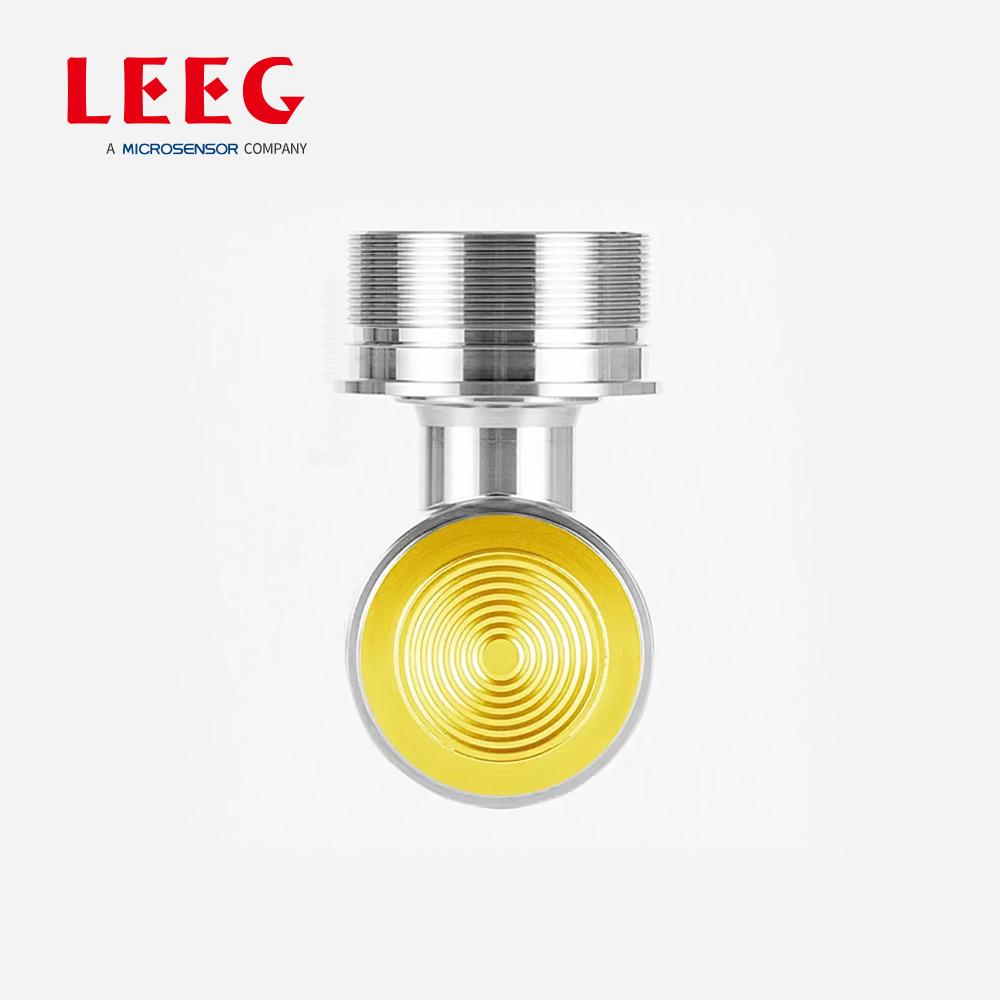

Anti-corrosive Pressure Sensor
Φ19mm
-1bar...0bar~1bar…700bar
Tantalum Diaphragm
New Product Change Notice (PCN) effective Jan 1, 2025. MICROSENSOR appreciate your understanding.

SP38H
Process Control, Environmental control, Flow control
Leave a MessageSP38H
Used For
Process Control, Environmental control, Flow control
Leave a MessageLEEG, a subsidiary of MICROSENSOR, is a leading manufacturer of hygienic transmitters in China's food and pharmaceutical industries. The SP38H Sensor adopts high-reliability monosilicon technology, with a built-in temperature sensor, which greatly improves the temperature performance. It is a comprehensive digital and smart sensor. It is resistant to high pressure and high static pressure, the static pressure can reach 40MPa. It can be used in various harsh environments, and the working temperature range is as high as -40-85°C. The pressure sensor also has the features of high measurement accuracy, high stability, strong output signal, and good long-term stability.
Features
• Three-diaphragm overload structure
• High long term stability <±0.05% F.S./year
• Extremely low pressure and temperature hysteresis
• Built-in temperature sensor
• Various of isolated diaphragms to meet a wide range of anti-corrosion requirements
• Rugged construction with little effect of repackaging stress
Electrical Performance
• Power supply: 2.5-12VDC
• Electrical connection: 110mm silicone rubber soft wire/Kovar Pins
• Common mode voltage output: 50% of input (typical)
• Bridge resistance: 6kΩ±0.5kΩ
• Response time (10%-90% ): <2ms
• Insulation resistance: >100MΩ@500VDC
• Insulation strength: <5mA/500V AC
Image:
LEEG, a subsidiary of MICROSENSOR, is a leading manufacturer of hygienic transmitters in China's food and pharmaceutical industries. The SP38H Sensor adopts high-reliability monosilicon technology, with a built-in temperature sensor, which greatly improves the temperature performance. It is a comprehensive digital and smart sensor. It is resistant to high pressure and high static pressure, the static pressure can reach 40MPa. It can be used in various harsh environments, and the working temperature range is as high as -40-85°C. The pressure sensor also has the features of high measurement accuracy, high stability, strong output signal, and good long-term stability.
Features
• Three-diaphragm overload structure
• High long term stability <±0.05% F.S./year
• Extremely low pressure and temperature hysteresis
• Built-in temperature sensor
• Various of isolated diaphragms to meet a wide range of anti-corrosion requirements
• Rugged construction with little effect of repackaging stress
Electrical Performance
• Power supply: 2.5-12VDC
• Electrical connection: 110mm silicone rubber soft wire/Kovar Pins
• Common mode voltage output: 50% of input (typical)
• Bridge resistance: 6kΩ±0.5kΩ
• Response time (10%-90% ): <2ms
• Insulation resistance: >100MΩ@500VDC
• Insulation strength: <5mA/500V AC

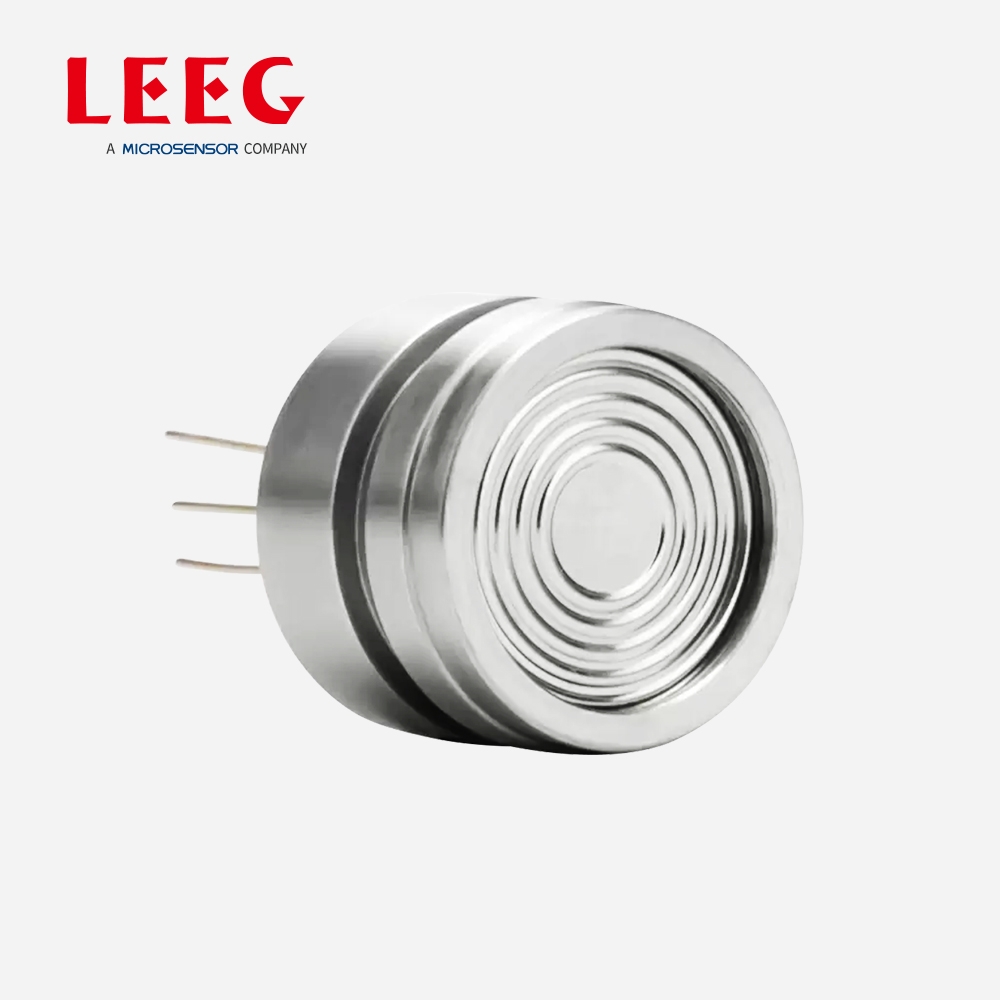
High stability piezoresistive sensor die
Isolated construction, applicable to measuring various fluid
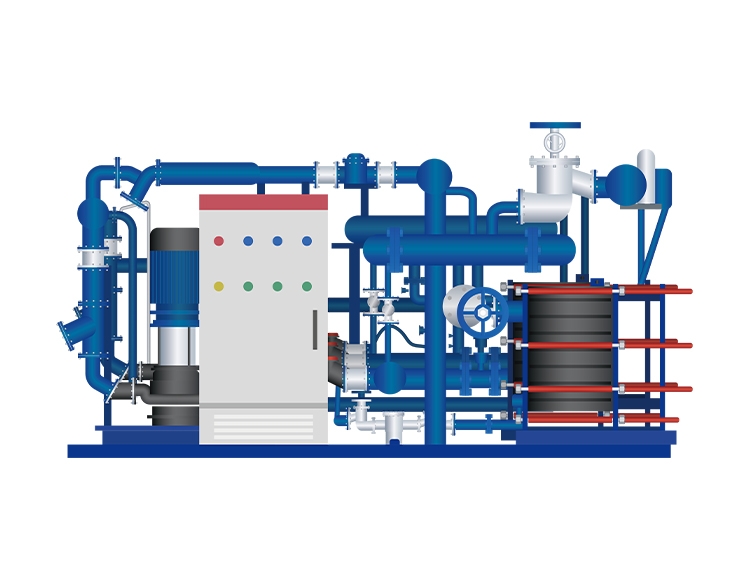
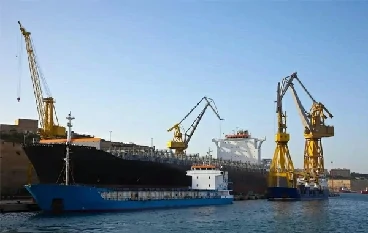
Pressure transmitters, temperature tranmitters and electromagnetic flowmeters are installed in the marine water circulation cooling system to ensure the heat exchange efficiency of the central cooler. By optimizing seawater flow control, energy saving effects are maximized and stable operation of the cooling system is ensured.
more info...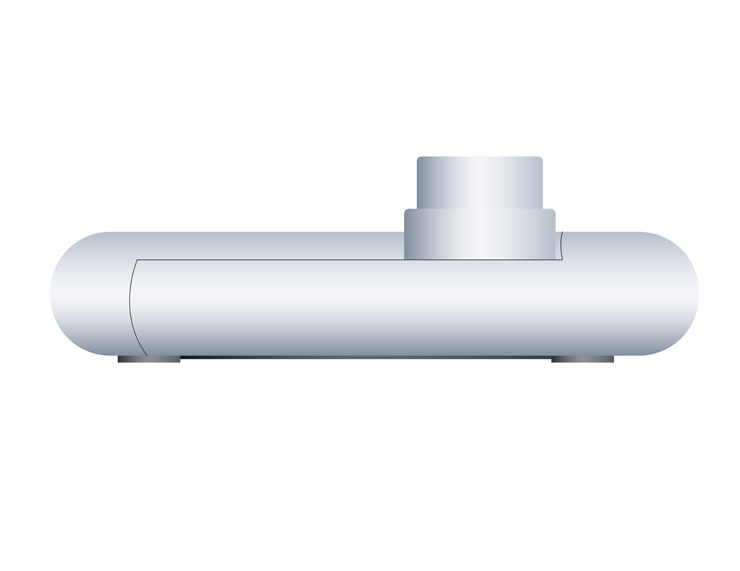
Pressure transmitters, level transmitters, and mass flow meters are installed in fuel tanks to provide real-time monitoring of fuel levels and pressure. Users can track current location and fuel consumption, access historical vessel data, calculate voyage distance and total fuel usage, and analyze operational efficiency.
more info...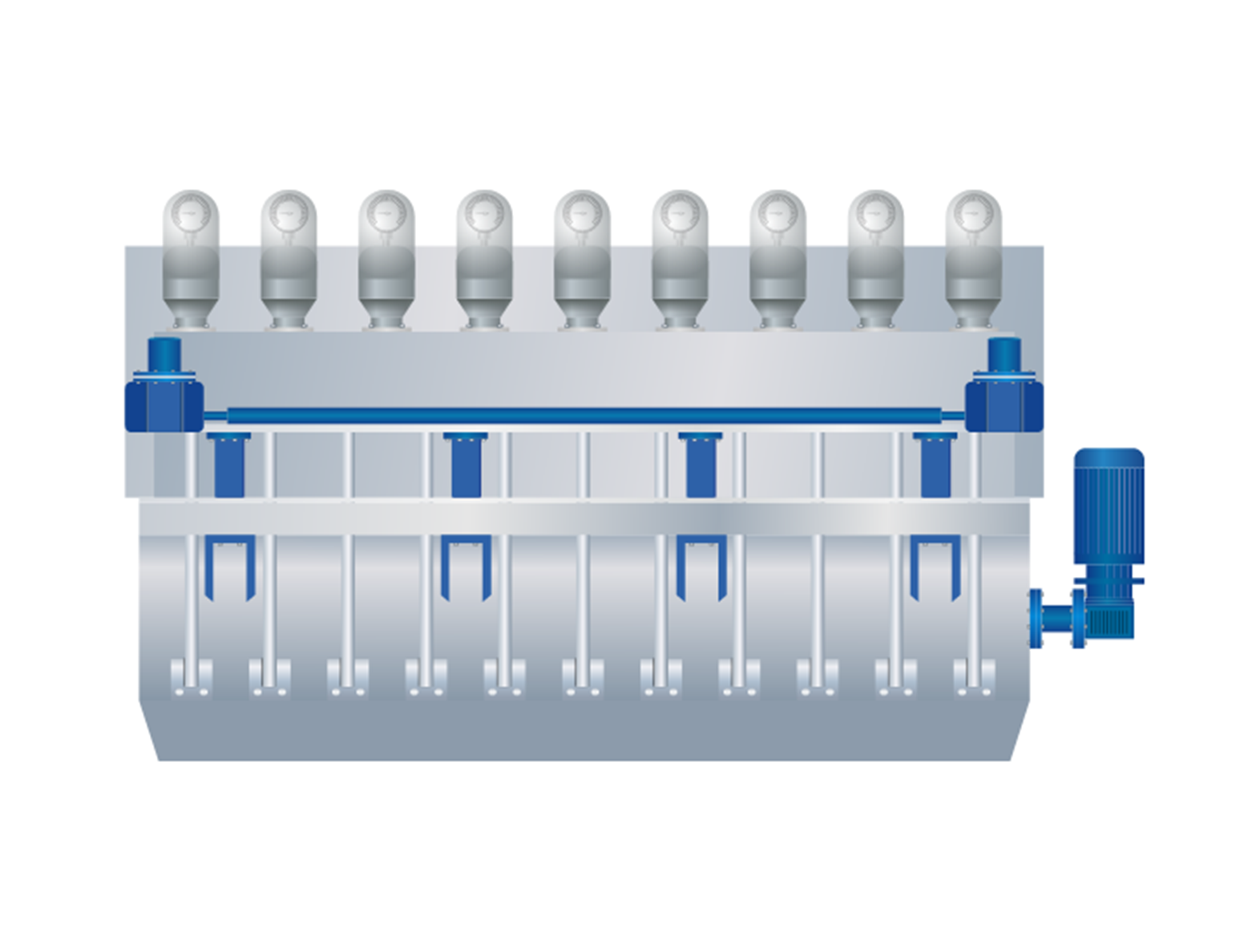
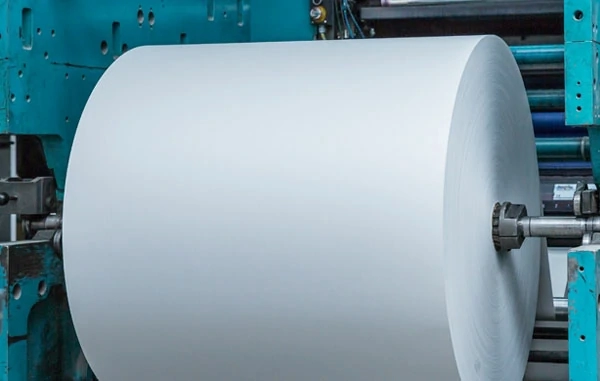
In the papermaking process, pulp is fed into the headbox of the paper machine. In the hydraulic headbox, pulp enters the weir pool via the conical distribution pipe and tube bundles, and is then sprayed onto the forming wire by the weir plate. Since the pulp jet velocity is controlled by adjusting the headbox slice pressure per the wire speed, accurate pressure measurement in the headbox is essential.
more info...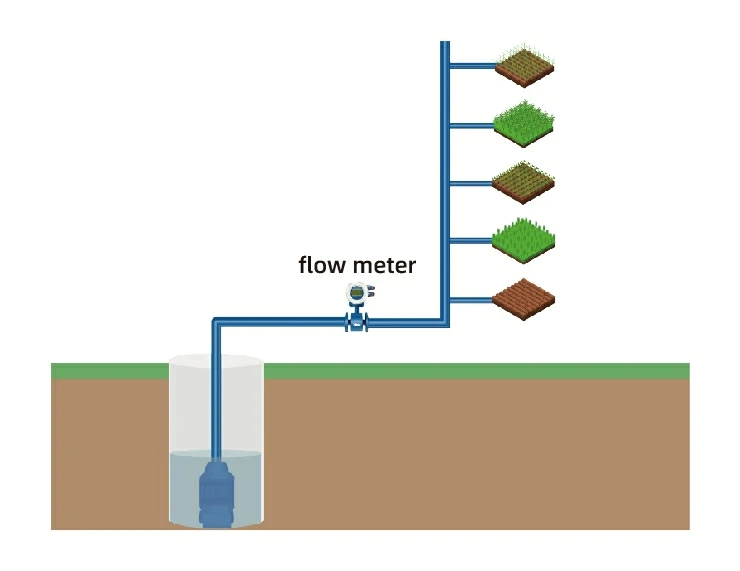
Pipelines are the most common water transportation and irrigation facilities. During transportation, pipelines effectively reduce evaporation and leakage of water resources. Magnetic flowmeters measure accurately discharge flow. It is a crucial action of rational water resource allocation and reasonable water fee collection.
more info... Copyright © 2026 MICRO SENSOR CO., LTD