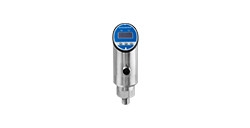
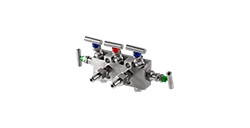
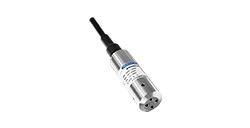
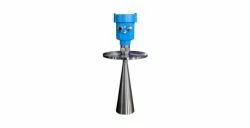
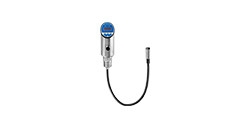
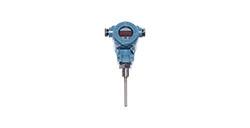
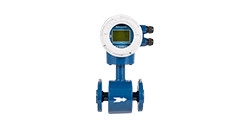
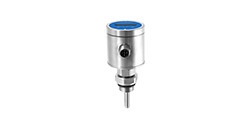



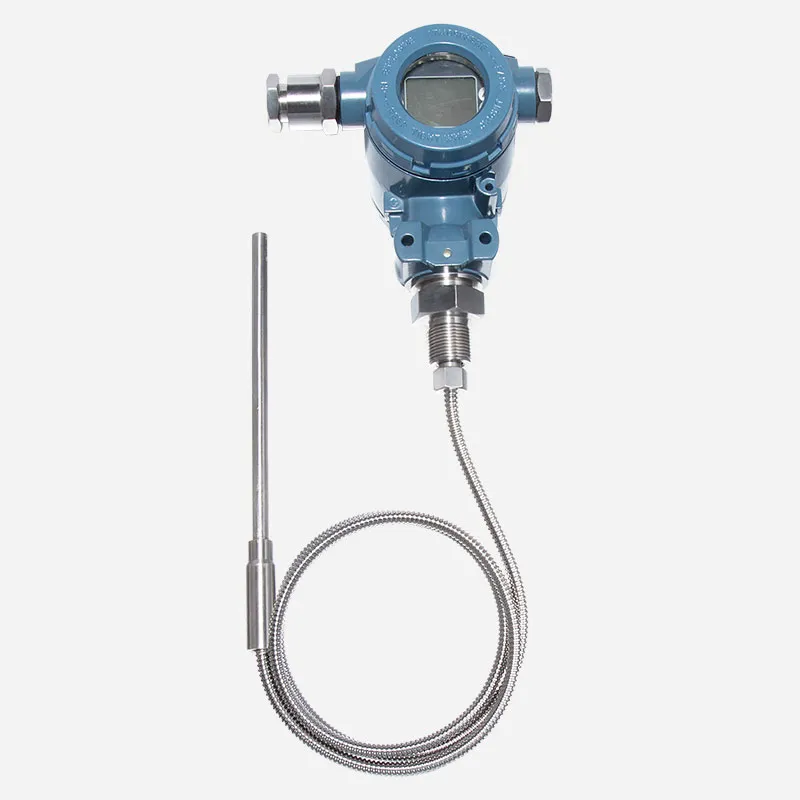

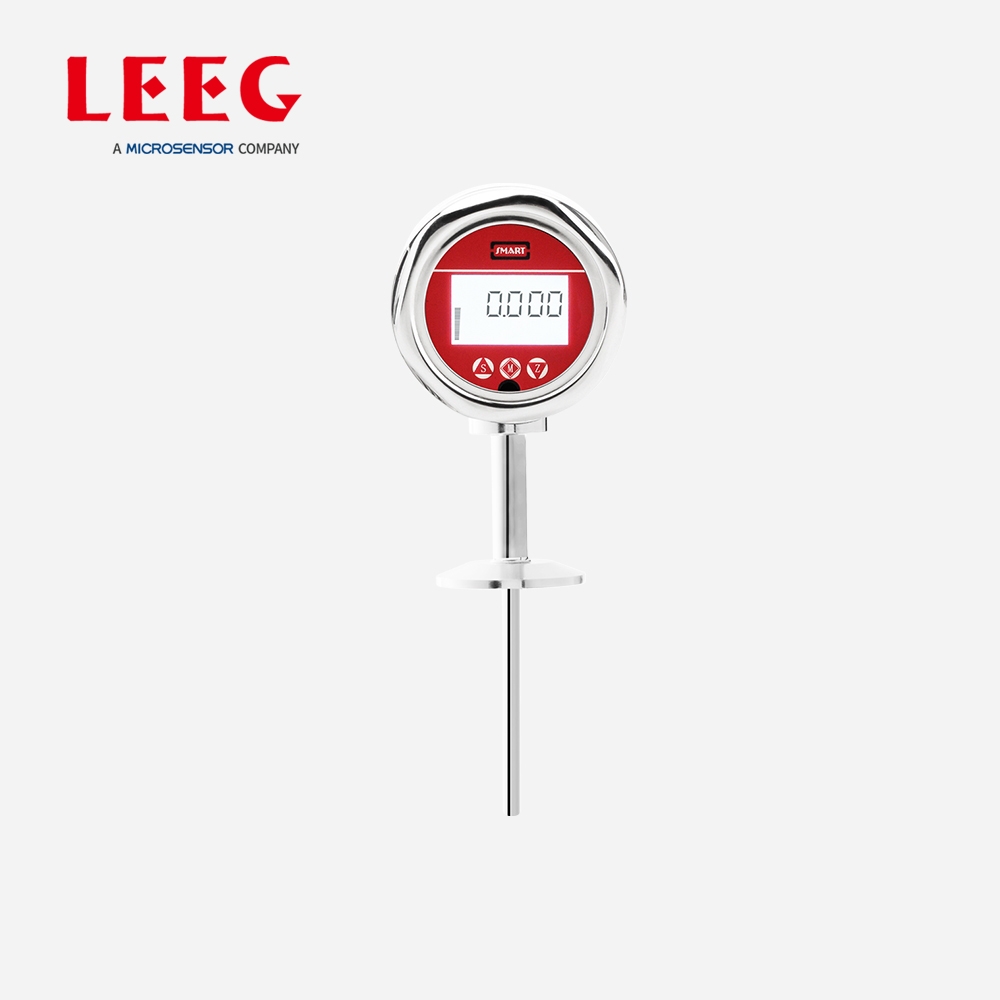
Hygienic Temperature Transmitter
Measuring range: -50~400℃
Output signal: 4~20mA、Modbus-RTU/RS485 and others
Reference accuracy: ±0.5% upper range limit
New Product Change Notice (PCN) effective Jan 1, 2025. MICROSENSOR appreciate your understanding.

MTM4831
Petroleum, Chemical Industry, Marine, Metallurgy, Power Station, Light Industry and Others
Leave a MessageMTM4831
Used For
Petroleum, Chemical Industry, Marine, Metallurgy, Power Station, Light Industry and Others
Leave a MessageMTM4831 temperature transmitter is used for the temperature measurement of different applications in the industries of petroleum, chemical, metallurgy, and other industries. It is used to measure the temperature of various liquids, gaseous media, and solid surfaces between -200°C and 500°C. There are standard analog and digital signal outputs signal. The temperature transmitter is zero and span adjustable. The product is easy to install and meets different output signal requirements.
The MTM4831 provides temperature measurement for pipelines, storage tanks, reactors, and other process equipment in harsh environments. It offers the accuracy and reliability of an industrial temperature measurement system component.
Feature
• EXIA/ EXD/ CCS/ DNV/ ABS/ CE certified
• Compact size, easy installation
• Zero and span adjustable
• Local display optional
• Multi-output signals
• Convenient filed configuration
Specifications
• Temperature Ranges: -200℃…0℃~1200℃
• Power Supply: 10/15V ~ 30V DC
• Output: 4~20mA DC, 4~20mA DC + HART, 4~20mA DC + RS485, RS485, Thermal Resistance, Thermocouple
• Display: 4-digit LCD/LED
• Stability: ±0.5%FS/year (general)
Image:
MTM4831 temperature transmitter is used for the temperature measurement of different applications in the industries of petroleum, chemical, metallurgy, and other industries. It is used to measure the temperature of various liquids, gaseous media, and solid surfaces between -200°C and 500°C. There are standard analog and digital signal outputs signal. The temperature transmitter is zero and span adjustable. The product is easy to install and meets different output signal requirements.
The MTM4831 provides temperature measurement for pipelines, storage tanks, reactors, and other process equipment in harsh environments. It offers the accuracy and reliability of an industrial temperature measurement system component.
Feature
• EXIA/ EXD/ CCS/ DNV/ ABS/ CE certified
• Compact size, easy installation
• Zero and span adjustable
• Local display optional
• Multi-output signals
• Convenient filed configuration
Specifications
• Temperature Ranges: -200℃…0℃~1200℃
• Power Supply: 10/15V ~ 30V DC
• Output: 4~20mA DC, 4~20mA DC + HART, 4~20mA DC + RS485, RS485, Thermal Resistance, Thermocouple
• Display: 4-digit LCD/LED
• Stability: ±0.5%FS/year (general)


Measuring range: -50~400℃
Output signal: 4~20mA、Modbus-RTU/RS485 and others
Reference accuracy: ±0.5% upper range limit
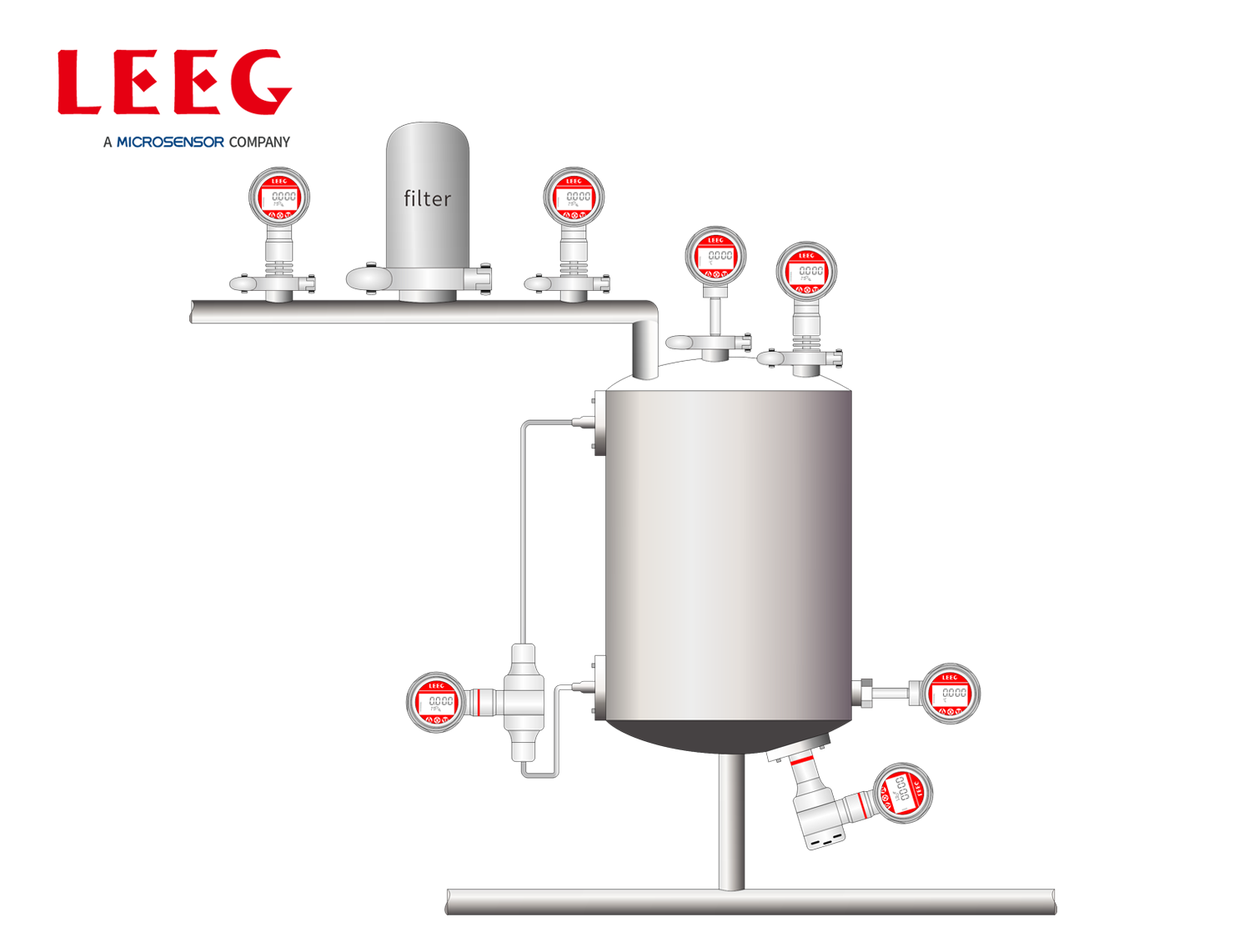
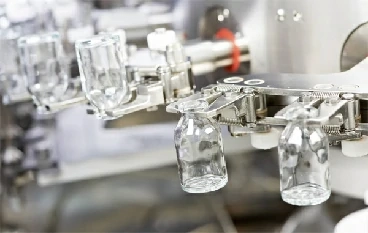
In the pharmaceutical industry, reaction kettles are mainly used to synthesize drugs and their active ingredients, as well as to prepare pharmaceutical intermediates. They are equipped with precise heating and cooling systems that can adjust the reaction temperature as needed to optimize the reaction rate and yield. Besides, the rc can maintain a stable pressure environment.
more info...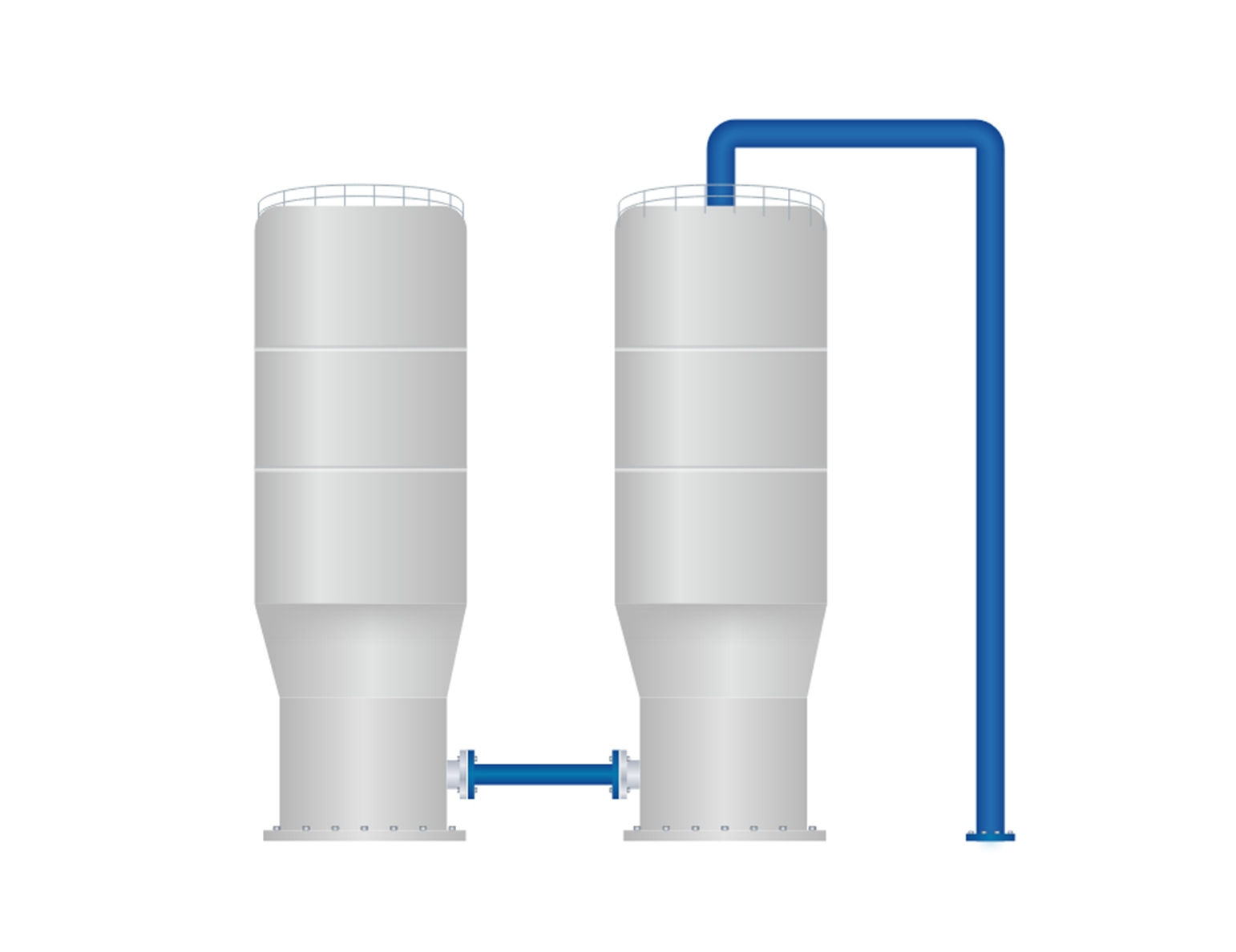
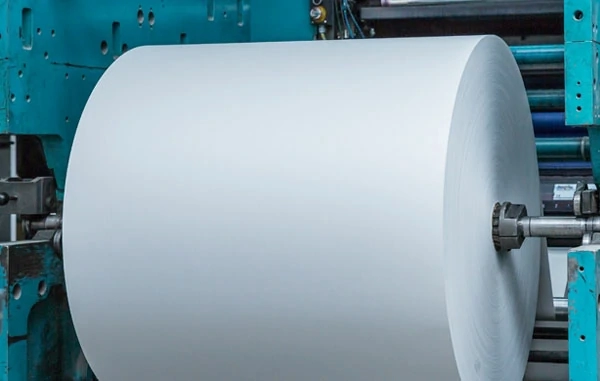
Large, high-capacity pulp storage towers with agitation homogenize the prepared pulp to guarantee continuous paper mill operation. Pump operation produces steam from the heated, agitated pulp, which also causes level oscillations.
more info...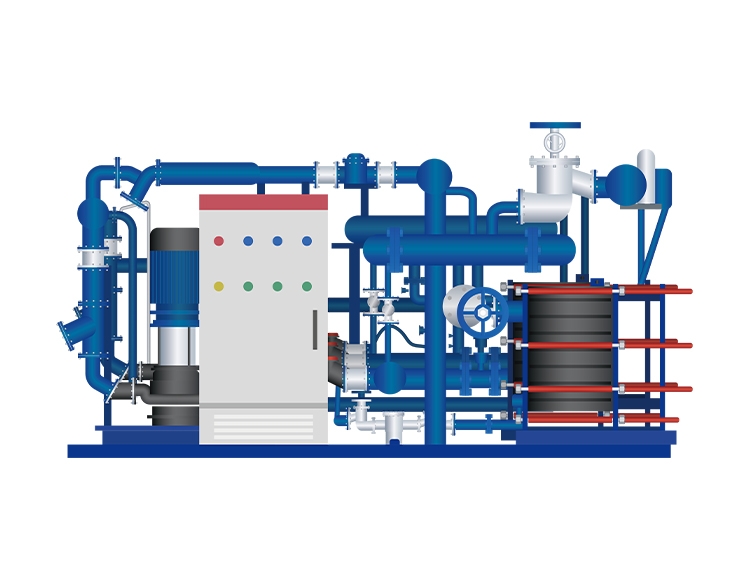
Pressure transmitters, temperature tranmitters and electromagnetic flowmeters are installed in the marine water circulation cooling system to ensure the heat exchange efficiency of the central cooler. By optimizing seawater flow control, energy saving effects are maximized and stable operation of the cooling system is ensured.
more info...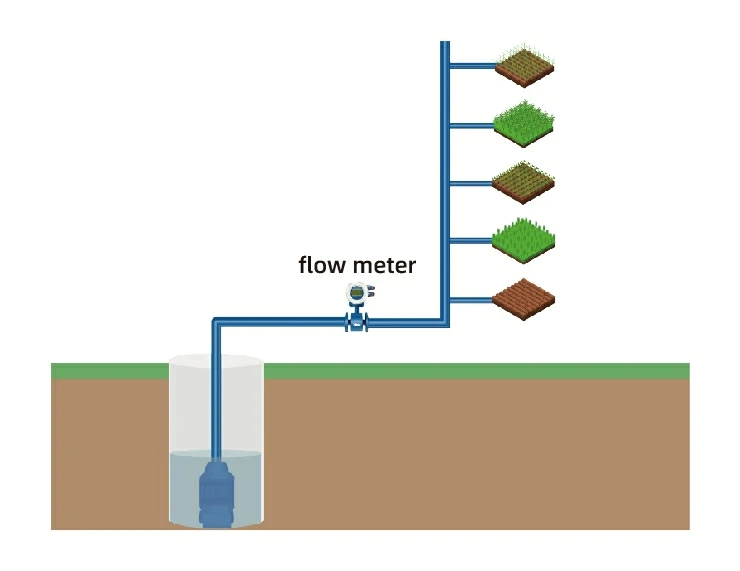
Pipelines are the most common water transportation and irrigation facilities. During transportation, pipelines effectively reduce evaporation and leakage of water resources. Magnetic flowmeters measure accurately discharge flow. It is a crucial action of rational water resource allocation and reasonable water fee collection.
more info... Copyright © 2026 MICRO SENSOR CO., LTD