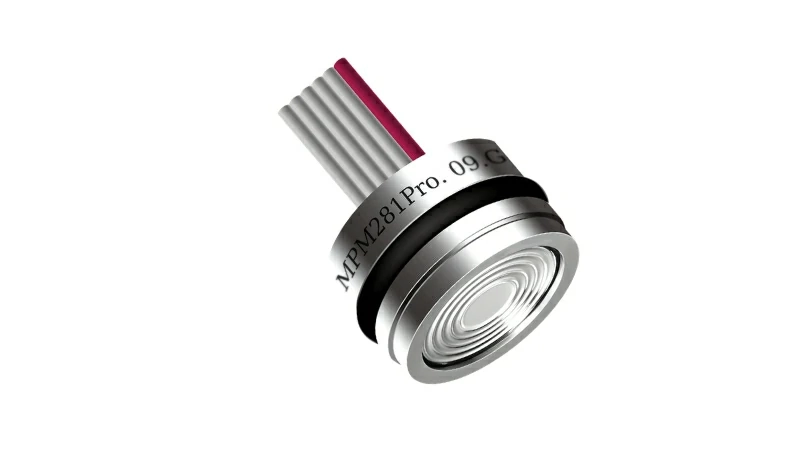
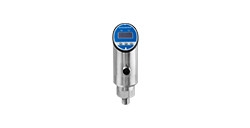
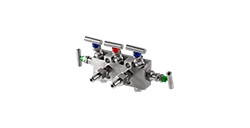
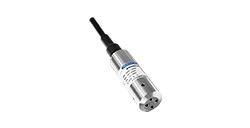
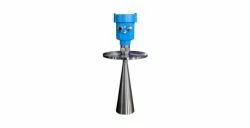
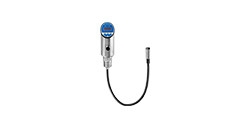
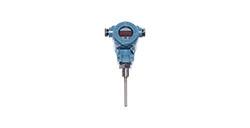
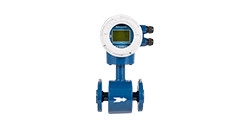
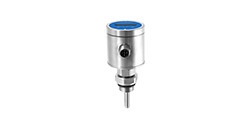



Oil-filled Pressure Sensor
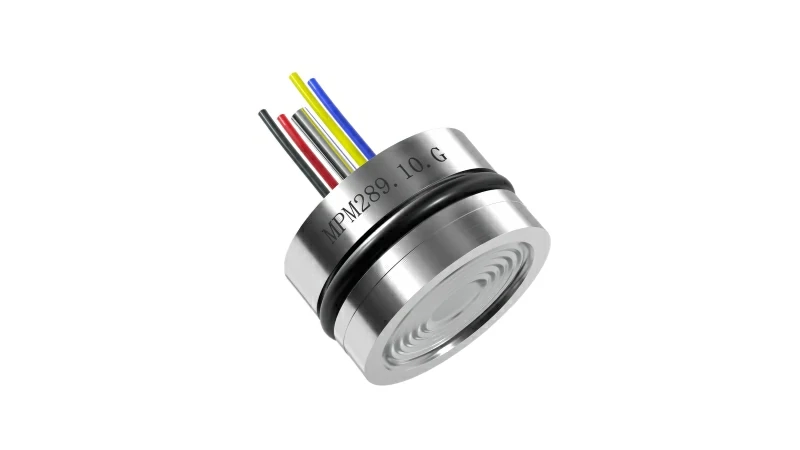
Φ15×10.5mm
0bar~1bar...35bar
0~70℃ Compensated Temp.
New Product Change Notice (PCN) effective Jan 1, 2025. MICROSENSOR appreciate your understanding.

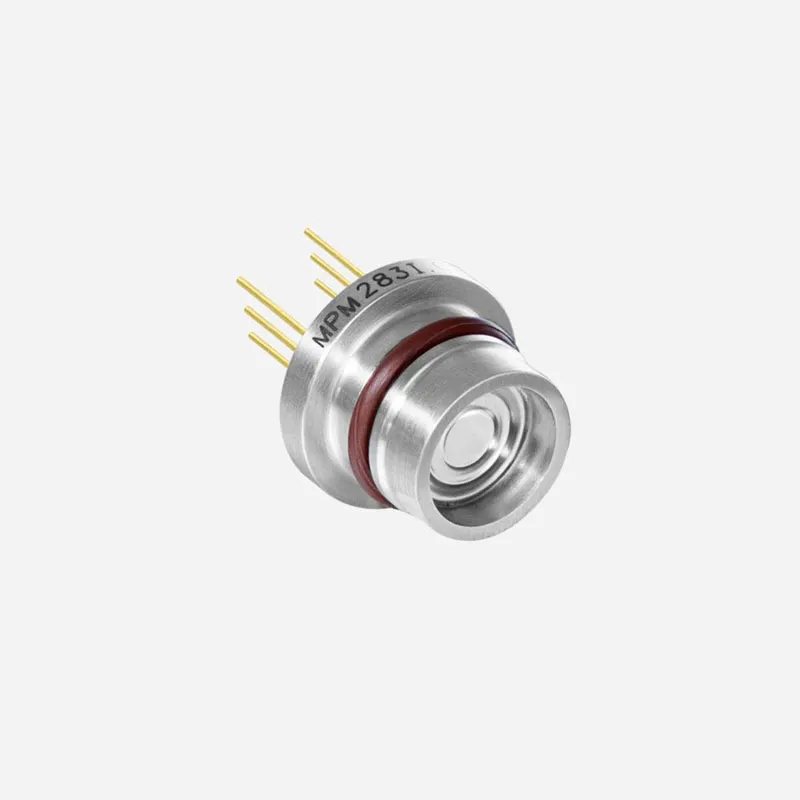
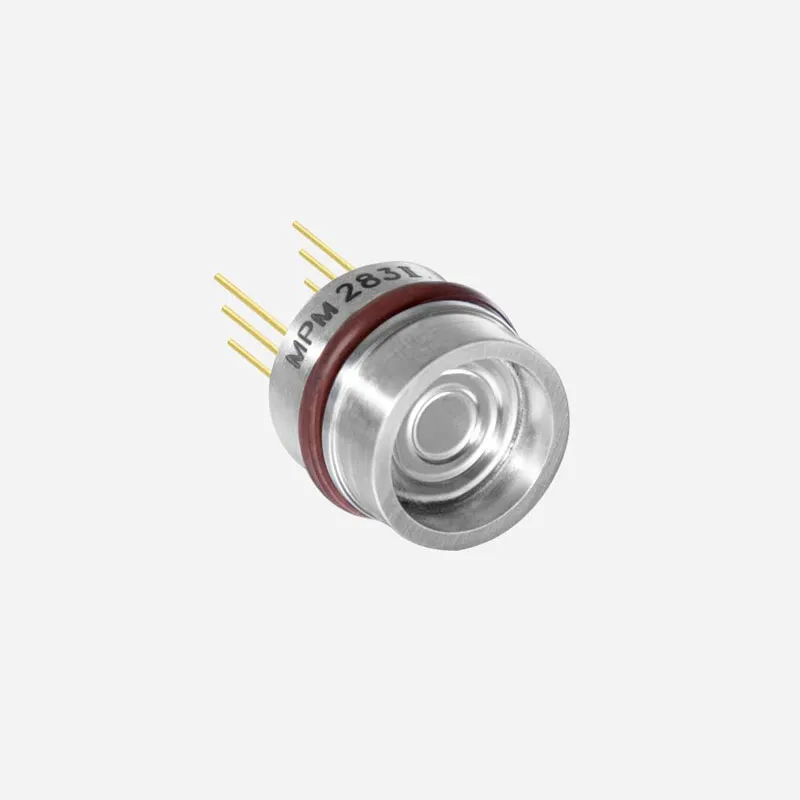
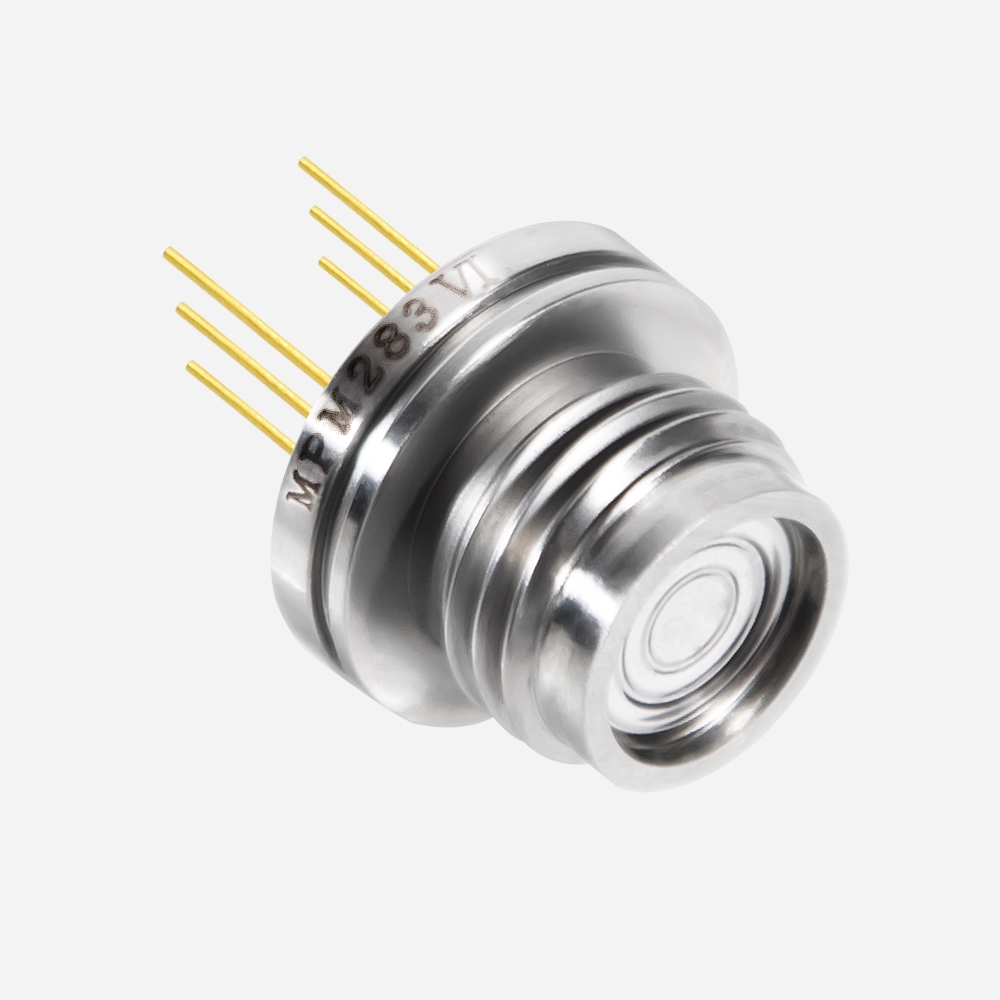
MPM283I
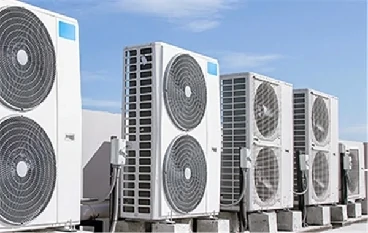
Industrial Process Control, Liquid Pressure System and Switch, Cooling Equipment and Air Conditioner, Aviation and Navigation Inspection
Leave a MessageMPM283I
Used For
Industrial Process Control, Liquid Pressure System and Switch, Cooling Equipment and Air Conditioner, Aviation and Navigation Inspection
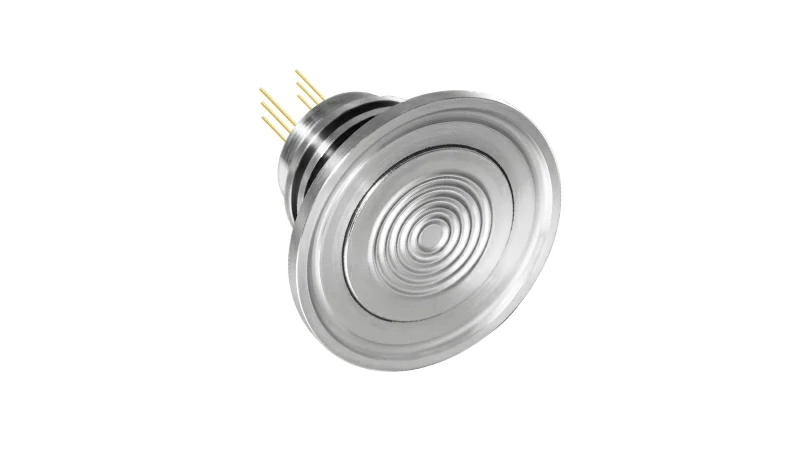
Leave a MessageThe measurement range of the MPM283I high pressure range pressure sensor is from 0 bar to 1000 bar. -10℃ ~80℃ temperature compensation range can be used in various applications. Small size saves space. Threaded connections of the high pressure sensor are easy to install. The isolation structure can measure various fluid media. Various pressure sensors of small size pressure sensors, anti-corrosive pressure sensors, and differential pressure sensors are available.
Feature
• Φ12.6mm OEM pressure sensor
• Stainless steel 316L or Hastelloy C is available
• Convenient threaded connection
Construction Performance
• Diaphragm: Stainless steel 316L
• Housing: Stainless steel 316L
• Electrical connection: Kovar or Silicon rubber flexible wires
• O-ring: FKM
• Net weight: ~8g
Image:
The measurement range of the MPM283I high pressure range pressure sensor is from 0 bar to 1000 bar. -10℃ ~80℃ temperature compensation range can be used in various applications. Small size saves space. Threaded connections of the high pressure sensor are easy to install. The isolation structure can measure various fluid media. Various pressure sensors of small size pressure sensors, anti-corrosive pressure sensors, and differential pressure sensors are available.
Feature
• Φ12.6mm OEM pressure sensor
• Stainless steel 316L or Hastelloy C is available
• Convenient threaded connection
Construction Performance
• Diaphragm: Stainless steel 316L
• Housing: Stainless steel 316L
• Electrical connection: Kovar or Silicon rubber flexible wires
• O-ring: FKM
• Net weight: ~8g


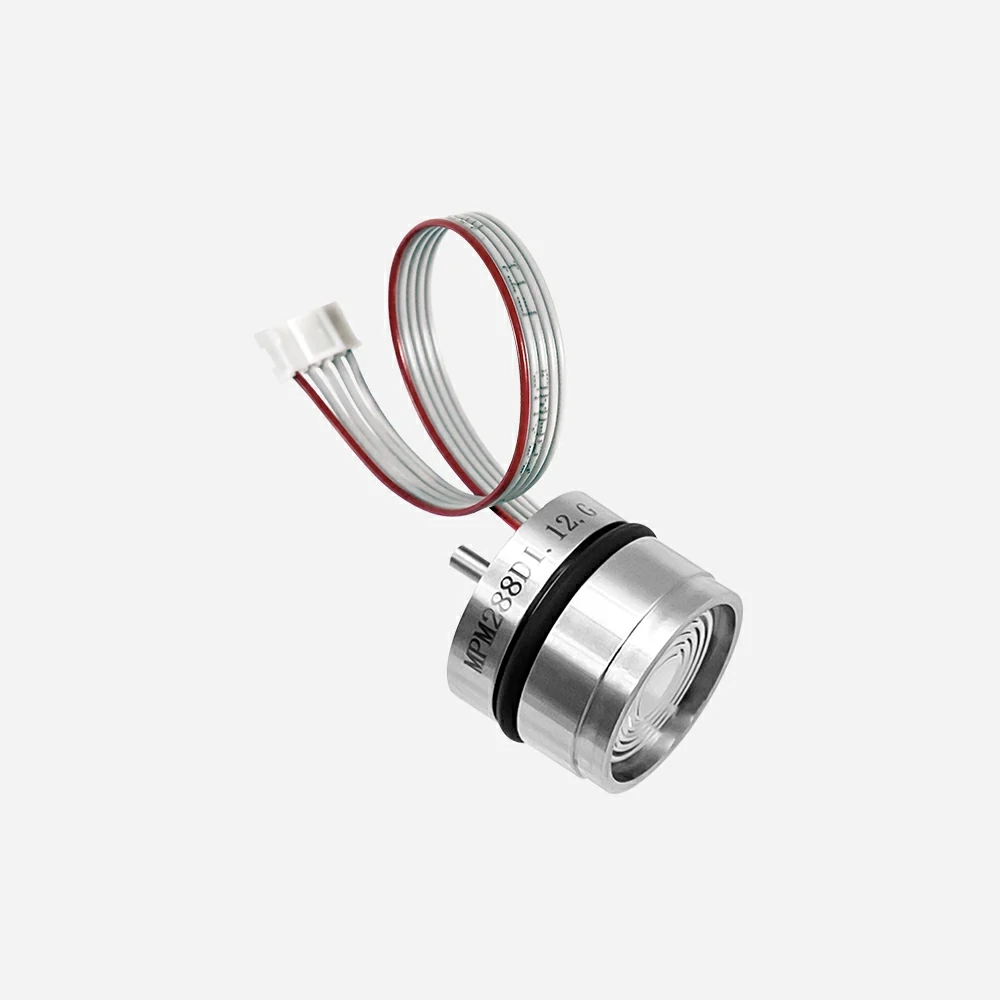
Range: -1bar…0bar~0.35bar…35bar
Output signal: Digital I²C (pressure, temperature)
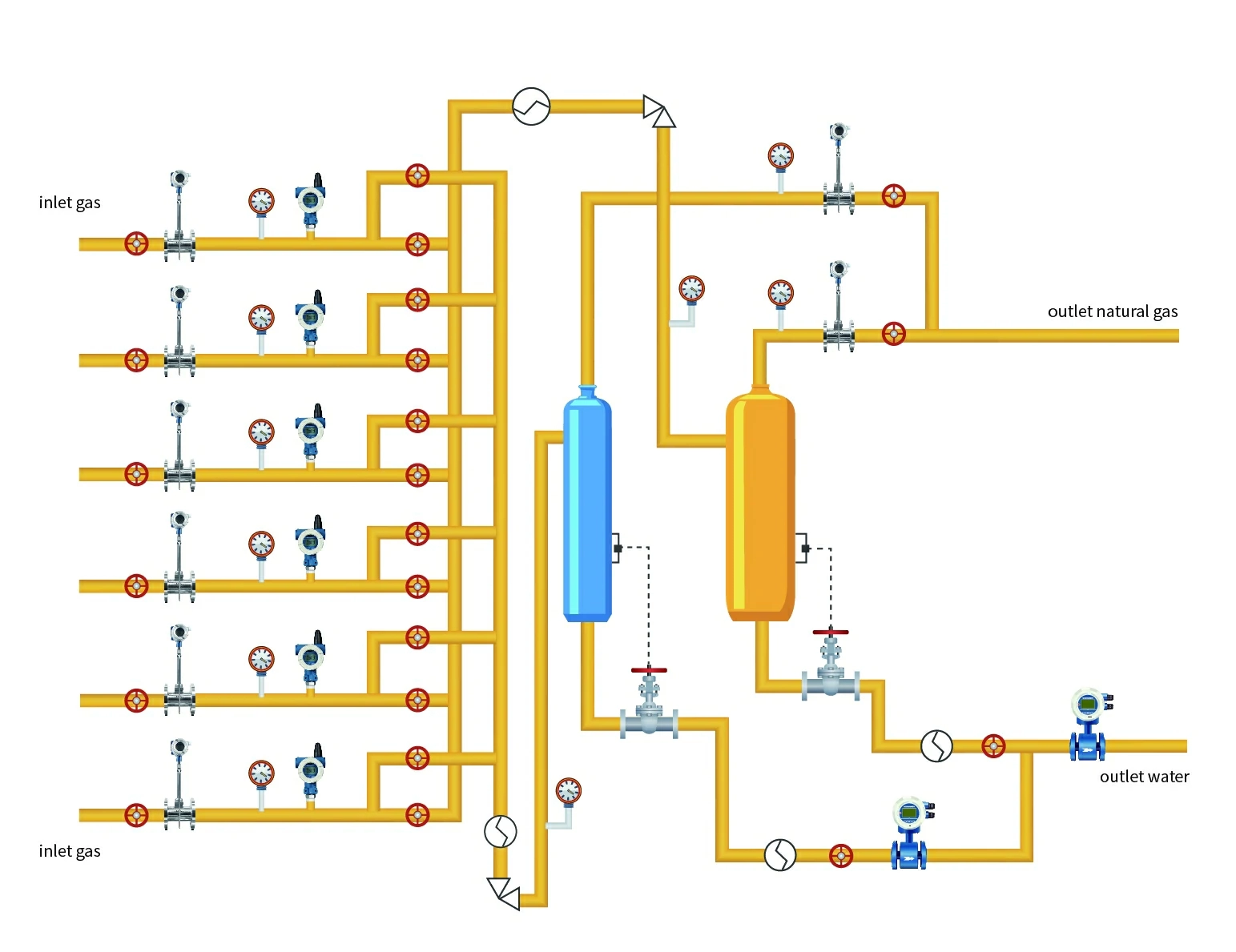
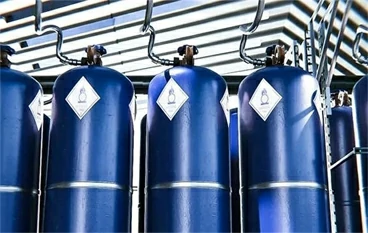
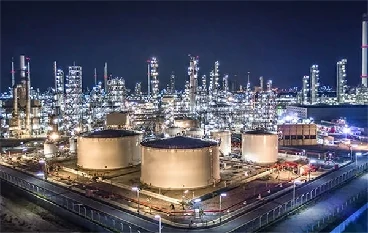
Gas gathering stations gather and process natural gas from multiple wells. Instruments in the pipeline monitor real-time data changes, such as gas or liquid flow. It helps control the water injection for the purpose of measuring and transporting oil and gas.
more info...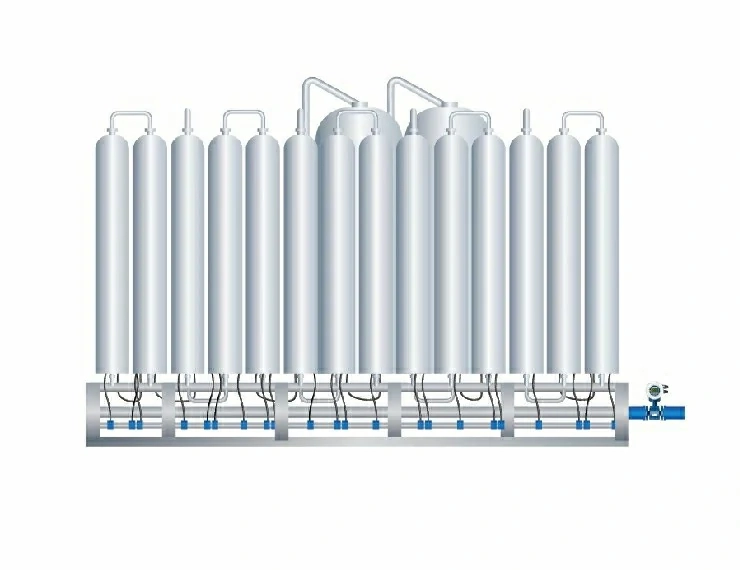
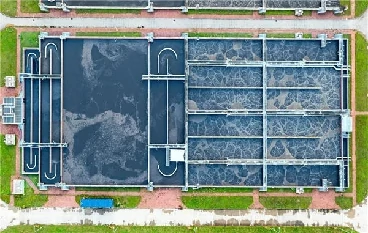
The current comprehensive solution for vadose solution is to adopt vadose solution and membrane concentrated liquid treatment technology, as well as integrated treatment technology for high-risk special wastewater. Monitoring instruments are installed on the treatment equipment to ensure the vadose solution treatment process meets the emission standards, and the data is transmitted to the central platform of the regulatory department.
more info...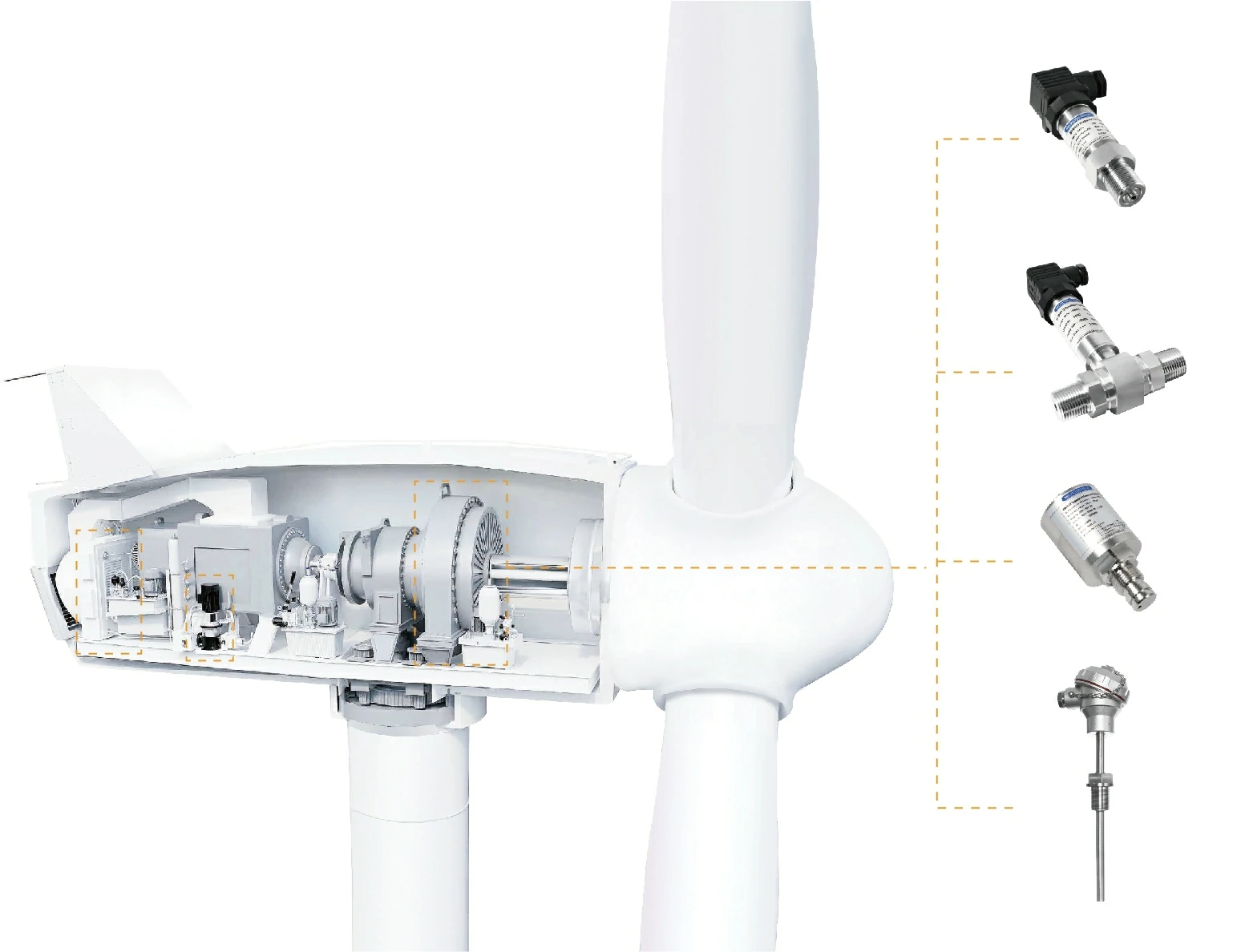
Wind turbines require a control system to optimize the direction of the turbine in accordance with the wind direction (yaw control) and adjust the angle of the blades (pitch control). This control system is completed by the cylinder system, based on the hydraulic principle, in which the pressure sensor plays a crucial role.
more info...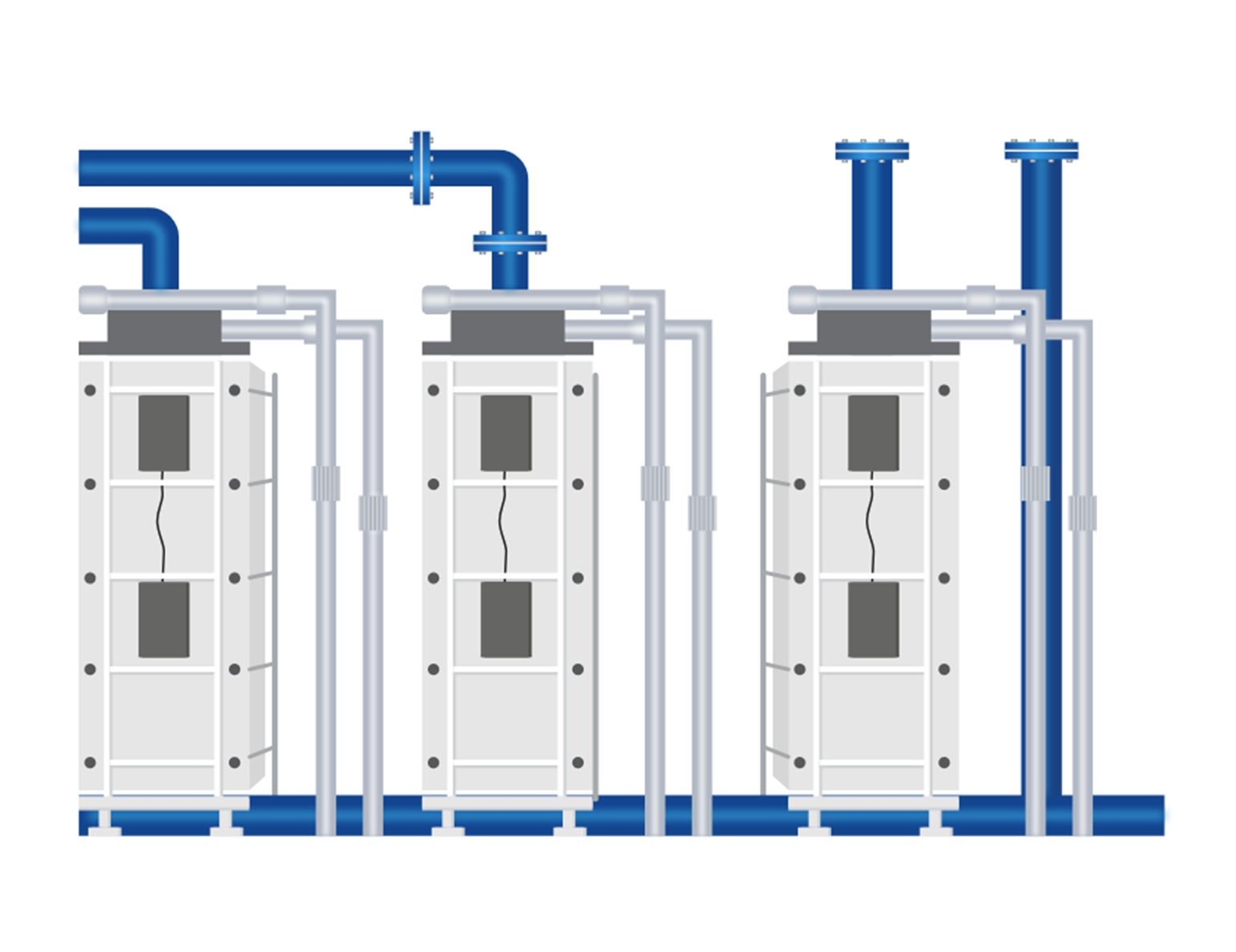
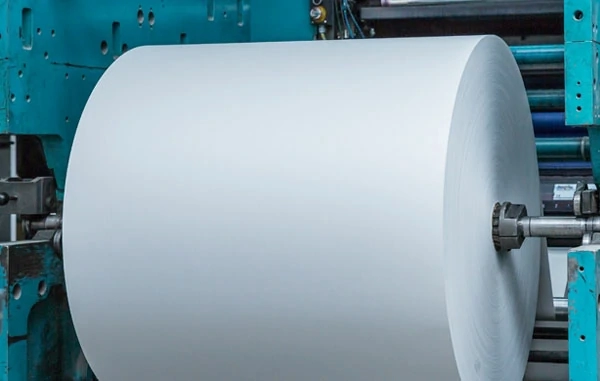
In the paper industry, the alkali recovery system is an essential part that operates under harsh conditions. The system needs strong pressure, temperature, and flow instrumentation to handle high temperatures, high pressures, and corrosive media.
more info... Copyright © 2026 MICRO SENSOR CO., LTD